OnePlus Denies Exit, Yet Widespread Product Shortages Signal Deeper Trouble And Raise Fresh Questions
While OnePlus has denied reports of an India shutdown, the data tells a more sobering story. A sharp decline in market share, reduced retail visibility, product delays, and weakened brand differentiation suggest the company is not collapsing overnight, but retreating gradually from a market that once defined its success.

Speculation about OnePlus shutting down operations in India has surfaced repeatedly over the past year, fuelled by declining product availability, delayed launches, and a visible reduction in retail presence. The company has consistently denied these claims, most recently reiterating that it continues to operate “as usual” in the country. From a legal and corporate standpoint, this assertion remains accurate: OnePlus has not announced an exit, nor has it wound up its Indian subsidiary.
Yet, focusing solely on the binary question of shutdown versus survival risks missing the larger and more consequential story unfolding beneath the surface. The more relevant question is whether OnePlus is strategically retreating from India, gradually scaling down ambition, investment, and relevance in a market that was once central to its global identity. An examination of market data, shipment trends, retailer behaviour, and product strategy suggests that OnePlus is not exiting India abruptly, but is instead undergoing a slow, deliberate contraction that could prove just as decisive.
Official Assurances And The Limits Of Corporate Messaging
In January 2026, OnePlus India CEO Robin Liu publicly dismissed shutdown rumours, invoking the company’s long-standing “Never Settle” slogan and assuring customers and partners that business operations would continue uninterrupted. Such statements, however, must be evaluated not in isolation but alongside objective market indicators.
According to data compiled by International Data Corporation, OnePlus’s smartphone market share in India declined sharply from 6.1% in 2023 to 3.9% in 2024. In absolute terms, this represents a loss of more than one-third of its market presence within a single year. In a price-sensitive, hyper-competitive market such as India – where even well-capitalised brands struggle to protect marginal gains – this scale of erosion is rarely accidental or temporary.
Corporate reassurances, while necessary to prevent panic among consumers and channel partners, cannot offset sustained declines of this magnitude. Market share, unlike brand messaging, reflects collective consumer behaviour, retailer confidence, and competitive positioning. In this respect, the market’s verdict appears far less optimistic than the company’s public stance.
Shipment Declines and Structural Weakness
The challenges facing OnePlus are not confined to India alone. Global shipment data shows a broader weakening of the brand. Research firm Omdia reported that OnePlus’s global smartphone shipments fell by more than 20% between 2023 and 2024. Such a decline is difficult to attribute to short-term cyclical factors, particularly when viewed against the performance of the broader smartphone industry.
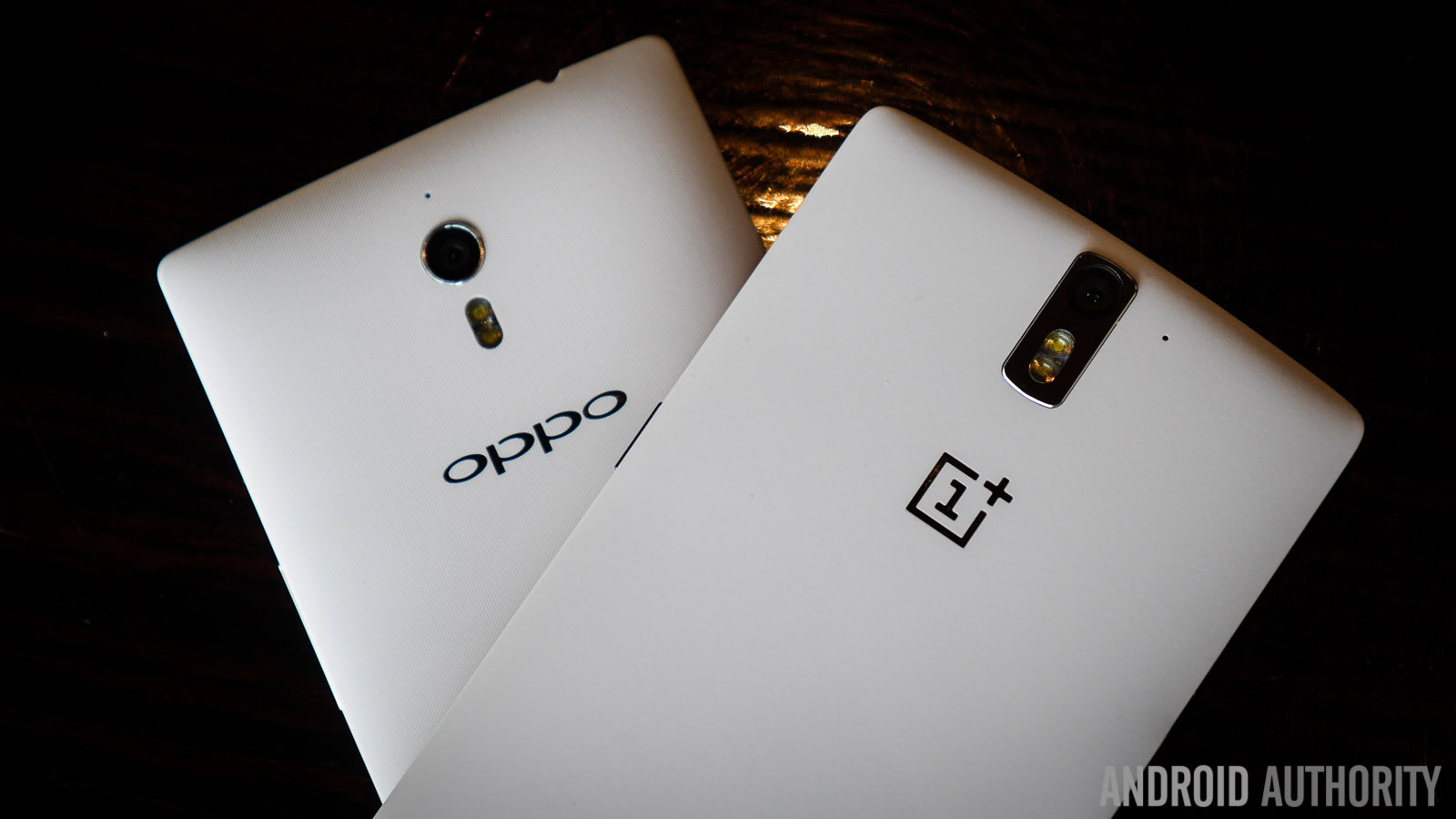
More tellingly, this contraction occurred even as parent company OPPO posted modest global growth during the same period. OPPO shipped over 100 million units worldwide, reinforcing the conclusion that OnePlus’s difficulties are brand-specific rather than systemic to the group or the industry.
In India, the situation is even more pronounced. Canalys data shows that OnePlus’s once-dominant position in the premium smartphone segment (devices priced above ₹30,000) has weakened considerably. From commanding roughly one-fifth of this segment in early 2023, the brand slipped to low single-digit market share by 2024. This erosion is particularly significant because the premium segment was historically where OnePlus differentiated itself, both in terms of margins and brand perception.
Retail Disengagement: A Quiet Vote of No Confidence
Perhaps the most revealing signal of OnePlus’s retreat emerged not through press statements or analyst reports, but through the actions of India’s retail network. Beginning around mid-2024, a substantial number of offline retailers—especially within organised retail—either reduced their OnePlus inventory or stopped stocking the brand altogether.
Retailers cited several reasons for this shift: limited profitability due to narrow margins, delays in after-sales service resolution, slower inventory turnover, and diminishing consumer demand relative to competing brands. In the consumer electronics industry, retailer support is not merely a distribution function but a barometer of brand health. When retailers deprioritise a brand, visibility declines, consumer engagement weakens, and recovery becomes increasingly difficult.
OnePlus’s response (greater reliance on OPPO’s service infrastructure and aggressive pricing to clear inventory) appeared defensive rather than expansionary. While such measures may stabilise short-term sales, they also reinforce perceptions that the brand is prioritising cost control over long-term positioning.

A Shrinking Product Pipeline and Reduced Risk Appetite
Another area of concern lies in OnePlus’s evolving product strategy. Over the past two years, the brand’s launch cadence has slowed, and its product portfolio has narrowed. Several anticipated devices have been delayed, shelved, or quietly removed from the roadmap altogether. The reported cancellation of a successor to the OnePlus Open foldable, uncertainty surrounding certain numbered flagship variants, delays in the Nord series, and the gradual withdrawal from the smart television category collectively point to a reduced appetite for experimentation and risk.
Portfolio rationalisation can, in some cases, reflect strategic discipline. However, when combined with falling market share and retail disengagement, it more plausibly indicates constrained investment and cautious resource allocation – particularly in a market as capital-intensive as India.
Pricing Drift and Intensifying Competition
OnePlus’s original success in India was built on a clearly defined value proposition: premium performance at prices significantly below those of established flagships. Over time, however, this positioning blurred.
As prices rose, OnePlus devices increasingly overlapped with Apple’s and Samsung’s offerings, without offering equivalent ecosystem lock-in or brand prestige.
According to Counterpoint Research, Apple’s India shipments expanded rapidly in 2025, supported by local manufacturing, aggressive financing schemes, and strong festive demand. Premium smartphones now account for over one-fifth of total shipments, with Apple dominating value share. In this environment, consumers with budgets in the ₹40,000–₹50,000 range often compare OnePlus devices with older-generation iPhones, frequently opting for the latter.
At the same time, competition from Android rivals has intensified. Brands such as Vivo, iQOO, Realme, and Motorola have strengthened their offerings across the mid-premium segment, eroding OnePlus’s traditional stronghold. Notably, several of these competitors operate within the same broader corporate ecosystem, intensifying internal competition and diluting OnePlus’s distinctiveness.
Quality Concerns and Brand Perception
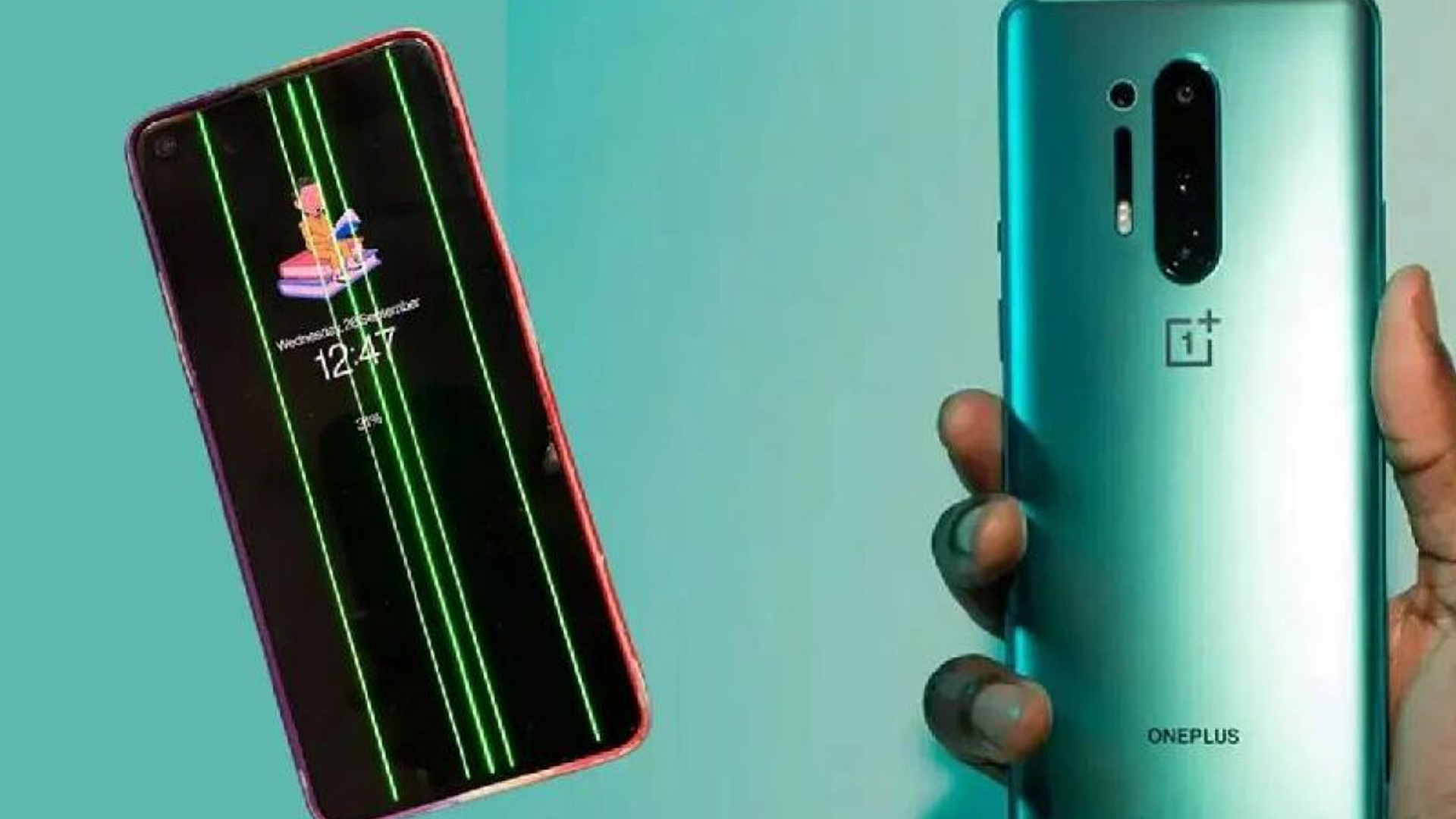
Compounding these structural challenges was the widely reported “green line” display issue affecting certain OnePlus models. Although the company eventually introduced replacement and service programmes, the delayed response weakened consumer confidence, particularly among premium buyers for whom reliability is non-negotiable.
As Tarun Pathak, Research Director at Counterpoint, has observed, such issues disproportionately affect flagship devices, where brand perception plays a decisive role in purchasing decisions. Even limited defects, when poorly managed, can undermine years of accumulated goodwill.
Integration With OPPO and the Erosion of Identity
OnePlus’s deeper integration with OPPO – spanning research, manufacturing, and software – was intended to deliver efficiencies of scale. However, this consolidation has also blurred brand boundaries. The convergence of OxygenOS with ColorOS, leadership changes following Carl Pei’s departure, and the quiet conclusion of the Hasselblad camera partnership have altered how long-standing users perceive the brand.
For a company that built its reputation on differentiation and enthusiast loyalty, this loss of identity has been costly. Efficiency gains, while beneficial on balance sheets, do not always translate into stronger consumer appeal.
The Last Bit, Not a Shutdown, but a Strategic Retreat
While there is no evidence to suggest that OnePlus is imminently shutting down operations in India. The company continues to sell devices, maintain service infrastructure, and issue public assurances. However, the cumulative evidence -declining market share, reduced retail presence, a shrinking product pipeline, and weakened brand differentiation – points to a strategic retreat rather than a renewed push.
Whether this retreat is temporary or permanent will depend on OnePlus’s willingness to reinvest, reposition, and rearticulate its role in one of the world’s most competitive smartphone markets. For now, OnePlus remains present in India, but its relevance – once unquestioned – is increasingly under strain.