ONGC’s ₹7,000 Cement Tender That Exposed A Decade-Long Cartel In India’s Infrastructure Industry And The Questions It Raises
Three companies quoted identical bids of ₹7,000 per ton in a cement tender floated by Oil and Natural Gas Corporation, ONGC, in 2018, suspicion followed. One bidder even cited the “numerology factor of 7”. What began as a curious anomaly may now expose deeper questions about competition and corporate conduct in India.

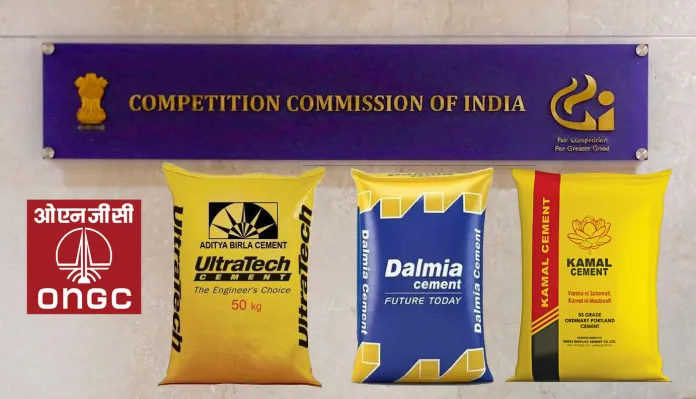
When India’s largest oil and gas explorer, Oil and Natural Gas Corporation, ONGC, opened bids for a large oil-well cement tender in 2018, something immediately appeared unusual.
Three competing suppliers had submitted bids quoting exactly ₹7,000 per metric ton – ₹7,350 including taxes – across multiple tenders. In competitive procurement, such identical pricing is rare, especially in an industry where logistics, freight distances and supply costs can vary widely.
The identical bids quickly raised concerns within ONGC that something might be amiss. After reviewing several tenders where the pricing patterns appeared strikingly similar, the state-run company issued notices seeking explanations from the bidders. One response stood out for its peculiar justification.
In its submission, India Cements reportedly argued that the bid reflected global pricing trends and was also influenced by what it described as the “numerology factor of 7,” referring to the number as a lucky one.
The explanation did little to ease the suspicions surrounding the tender. Identical bids across competing firms often signal the possibility of coordinated behaviour rather than coincidence. What initially appeared to be a curious anomaly in a procurement process would soon trigger a much deeper examination.
ONGC quietly approached the Competition Commission of India, setting in motion an investigation that would eventually uncover allegations of coordinated pricing and market allocation spanning more than a decade.

The Cartel Period, Twelve Years Of Alleged Coordination
The investigation conducted by the Competition Commission of India eventually revealed that the suspicious 2018 tender may have been only the latest episode in a much longer pattern of coordination within the cement supply chain.
According to the regulator’s findings, the alleged cartel activity stretched from 2007 to 2018, suggesting that the practice may have persisted for over a decade before coming under scrutiny.
The companies at the centre of the investigation include Dalmia Cement (Bharat), Shree Digvijay Cement and India Cements. While Dalmia Cement and Shree Digvijay are said to have been involved throughout much of the period, India Cements is believed to have joined the alleged coordination during the final phase between 2017 and 2018.
Bid Rigging And Market Coordination
The regulator’s report indicates that the coordination went far beyond occasional price alignment. Investigators say the companies allegedly engaged in a combination of practices designed to manage competition in tenders issued by the Oil and Natural Gas Corporation.
These practices reportedly included:
- Bid rigging in government tenders
- Sharing of market volumes and revenue allocations
- Coordination of supply strategies
- Price alignment in procurement bids
- Efforts to exclude foreign competitors from the bidding process
Taken together, the findings suggest the possibility of a systematic arrangement rather than sporadic collusion. If confirmed, the conduct would represent one of the more extended episodes of alleged cartel behaviour uncovered in the sector, particularly in tenders connected to a major state-run enterprise.
A Pattern Rather Than A Single Incident
The regulator’s findings imply that the identical bids observed in the 2018 ONGC tender may not have been an isolated coincidence. Instead, they appear to have been part of a broader pattern of coordination that allegedly allowed competing firms to manage prices and distribute supply among themselves over a prolonged period.
The investigation therefore shifted the focus from a single suspicious tender to a much larger question – whether coordinated practices had quietly shaped a portion of cement procurement for more than a decade.
How The Companies Allegedly Rigged The Bids
As the investigation progressed, the Competition Commission of India pieced together what it described as a structured pattern of coordination among the companies involved. According to the regulator’s findings, the alleged cartel did not rely merely on informal understandings. Instead, the companies appear to have followed a methodical approach to ensure that competition in key tenders remained limited.
1) Identical Pricing Strategies: One of the most visible indicators of the alleged collusion was the repeated submission of identical or near-identical bid prices. By quoting the same price levels in procurement tenders issued by the Oil and Natural Gas Corporation, the companies effectively avoided undercutting each other.
In a competitive market, suppliers typically adjust prices based on factors such as logistics, raw material costs, freight distances and plant capacity. However, the investigation noted that bids submitted by Dalmia Cement (Bharat), Shree Digvijay Cement and India Cements frequently displayed striking similarities. Such patterns, regulators argue, can indicate coordinated pricing rather than independent commercial decisions.
2) Dividing Territories And Volumes: Beyond price coordination, the investigation also found evidence suggesting that the companies may have divided supply responsibilities among themselves.
According to the report, company representatives reportedly analysed factors such as: rail freight distances between factories and delivery locations, transportation costs and logistical feasibility of supplying specific regions – Using these calculations, the companies allegedly determined which firm would supply particular locations and how much cement each would provide.
Internal spreadsheets cited in the investigation appear to show comparisons of delivery distances and freight costs across different plants. These calculations were then used to decide how tenders could be structured in a way that allowed companies to share volumes and maintain similar revenue outcomes.
One executive testimony cited in the investigation captured the objective of the arrangement rather directly, noting that the purpose of quoting identical prices was to allocate volumes and revenues across the participating companies.
If the regulator’s findings are upheld, such arrangements would represent a clear attempt to eliminate genuine competition in the tendering process while ensuring that each company secured a predictable share of business.
3) Direct Cooperation Between Executives: One of the more striking aspects of the investigation by the Competition Commission of India is the level of direct interaction between senior executives from the companies involved. Cartel cases often rely on circumstantial patterns such as pricing similarities or market behaviour. In this instance, however, investigators say they uncovered evidence pointing to active coordination among individuals across competing firms.
4) Evidence From Communications And Meetings: According to the regulator’s report, the alleged coordination was supported by a range of materials including: internal emails, messages exchanged between executives, records of meetings, statements and testimonies from company officials.
Such communications are considered particularly significant in antitrust investigations because they can demonstrate whether competitors were actively discussing pricing strategies, supply allocations or tender submissions.
5) Assistance In Tender Submissions: The investigation also cites instances where executives from different companies appeared to cooperate directly in the preparation of tender bids. For example, a senior executive from Shree Digvijay Cement reportedly visited the office of Dalmia Cement (Bharat) to assist in the filing of a tender. Messages referenced in the report suggest that the visit was linked to coordination around the bidding process.
The regulator’s findings also indicate that executives discussed logistical matters such as freight distances and delivery routes, factors that could influence how supply responsibilities were divided across different regions.
Strengthening The Cartel Allegation
Direct communication between competitors does not automatically prove wrongdoing. However, when such interactions coincide with identical pricing patterns and coordinated bidding outcomes, regulators often treat them as important indicators of possible collusion.
In this case, the Competition Commission of India argues that the combination of pricing patterns, documentary evidence and executive testimonies together provide a picture of systematic coordination rather than parallel business decisions made independently by competing firms.
Attempts To Block Foreign Competitors
Beyond price coordination and bid alignment, the investigation also points to efforts by the companies to limit the participation of foreign suppliers in ONGC tenders. According to the report prepared by the Competition Commission of India, the firms allegedly raised objections and regulatory concerns that could have complicated the participation of international bidders.
Among the foreign companies that participated in tenders issued by the Oil and Natural Gas Corporation were SLB (formerly Schlumberger), the UAE-based Classic Oil Field Chemicals, and Bell Weather. These firms operate in global oilfield supply chains and have experience providing specialised cement products used in oil well drilling.
Raising Certification And Compliance Issues
The investigation suggests that some domestic suppliers questioned whether foreign companies possessed the required certifications or regulatory approvals needed to participate in the tenders. Complaints were reportedly filed with government authorities raising concerns about compliance and the suitability of overseas suppliers.
While raising regulatory issues can be a legitimate part of procurement processes, investigators believe that in this case such objections may have been used strategically to discourage competition from international firms.
Pressure On Procurement Decisions
The report also cites internal communications indicating that the companies discussed ways to influence the tender process. In one exchange referenced by investigators, an executive urged a colleague to help convince ONGC that it should not disregard domestic companies while awarding contracts.
Investigators say there were also discussions about restricting the supply of cement to ONGC as a means of applying pressure in disputes over procurement decisions. Such actions, if proven, would represent a significant breach of competition rules.
Taken together, the findings suggest that the alleged cartel may not only have coordinated pricing among domestic firms but also sought to limit the entry of external competitors, thereby preserving control over a key segment of the supply chain.
Individual Accountability
Another notable aspect of the investigation is the identification of specific executives allegedly involved in the coordination. According to the report prepared by the Competition Commission of India, the regulator has placed responsibility not only on companies but also on individual decision-makers within those organisations.
Among the executives named in the investigation are Y.H. Dalmia, chairman of Dalmia Bharat; Rajeev Nambiar, former managing director of Shree Digvijay Cement; and N. Srinivasan, the former managing director of India Cements, who is also one of the more prominent figures in India’s corporate world.
In total, the investigation has identified eight executives across the companies who were allegedly connected to the coordination surrounding tenders issued by the Oil and Natural Gas Corporation.
A Shift Towards Personal Liability
The naming of senior executives marks a significant development in competition enforcement. Historically, many cartel cases have focused primarily on corporate entities rather than individuals responsible for the decisions.
By identifying specific executives, the regulator appears to be signalling a stronger emphasis on individual accountability in antitrust violations. Such an approach can potentially act as a stronger deterrent, particularly in industries where coordination among competitors may have become embedded over time.
At the same time, the investigation remains part of an ongoing regulatory process. The companies and individuals named in the report have been given an opportunity to respond to the findings before the Competition Commission of India reaches a final decision on the case.
Possible Financial Penalties
If the findings of the investigation are upheld, the companies involved could face substantial financial penalties under India’s competition law framework. The Competition Commission of India has the authority to impose fines of up to three times the profits earned from cartel activity or 10 percent of a company’s turnover for each year of violation, whichever is higher.
Given the size of the companies involved, the potential financial consequences could be significant. In the fiscal year 2024–25, Dalmia Bharat reported revenues of roughly $1.5 billion, while India Cements recorded revenues of about $444 million. Shree Digvijay Cement, though smaller in scale, reported revenues of approximately $79 million.
If the regulator ultimately concludes that the companies participated in coordinated practices over an extended period, the penalties could potentially run into hundreds of millions of dollars, depending on how the violations are calculated and over what duration.
At this stage, however, the investigation has not reached its final conclusion. The companies involved have been asked to respond to the findings, and the regulator will review these responses before issuing a final order. The Competition Commission of India retains the authority to modify, uphold or even dismiss parts of the investigation depending on the evidence presented during the final stages of the proceedings.

Market Reaction
News of the investigation and the details emerging from the regulator’s report quickly reverberated through the stock market, reflecting investor concerns about potential regulatory and financial repercussions for the companies involved.
Following the Reuters report outlining the findings of the probe by the Competition Commission of India, shares of the companies linked to the case registered noticeable declines. Stock prices of Shree Digvijay Cement fell by around 5.4 percent, while India Cements declined roughly 4.4 percent. Shares of Dalmia Bharat also slipped by about 3.5 percent during trading.
Market reactions of this kind are not uncommon when companies face antitrust scrutiny, particularly when the alleged conduct spans multiple years and involves public sector procurement. Investors typically factor in not only the possibility of financial penalties, but also potential reputational damage and increased regulatory oversight.
While the immediate market impact was limited to short-term price declines, the episode nevertheless illustrates how competition investigations can quickly translate into perceived risk for shareholders, especially in sectors closely linked to infrastructure and public procurement.
Under The Lens
Beyond the companies involved and the penalties that may follow, the investigation raises broader questions about competition, procurement integrity and market behaviour in sectors critical to India’s economic development. Cement is not merely another industrial commodity – it sits at the heart of the country’s infrastructure and construction ecosystem.
Cartel Behaviour In A Core Infrastructure Industry
Cement plays a central role in infrastructure development, from highways and bridges to energy projects and urban construction. When pricing in such a sector is allegedly coordinated rather than determined through genuine competition, the effects can ripple across multiple layers of the economy.
If suppliers collude in procurement tenders, the immediate consequence can be inflated costs for large public projects. Over time, such practices can distort market signals, discourage new entrants and reduce incentives for efficiency and innovation within the industry.
Vulnerabilities In Public Procurement
The case also shows the vulnerabilities that can exist in large-scale public procurement systems. The tenders in question were issued by the Oil and Natural Gas Corporation, one of India’s most important state-run energy companies.
If the alleged cartel behaviour did indeed persist from 2007 to 2018, it suggests that coordinated bidding may have influenced procurement decisions for more than a decade before being detected. Such a possibility raises uncomfortable but important questions about how frequently similar practices might occur in other sectors tied to public spending.
Public procurement processes are designed to encourage competition and secure the best value for taxpayer money. When coordination replaces competition, that objective can be significantly undermined.
Protectionism Versus Competition
Another dimension of the case concerns the efforts to challenge the participation of foreign bidders. Domestic suppliers raising certification or compliance issues against international competitors is not unusual in itself. However, when such objections coincide with evidence of coordinated bidding among local firms, regulators may view them with greater scrutiny.
The investigation suggests that attempts to limit foreign participation may have been part of a broader strategy to preserve market control among a small group of domestic suppliers. If proven, such behaviour highlights how arguments framed around supporting domestic industry can sometimes mask efforts to restrict competition.

The Last Bit, The Bigger Question
The ONGC tender that triggered the investigation began as a curious anomaly – three competing companies quoting exactly the same price and one explaining the coincidence through a lucky number. Yet what followed has raised far more significant questions about competition practices in one of India’s most important industrial sectors.
India’s cement industry has faced allegations of cartel behaviour before, and regulators have imposed substantial penalties on companies in the past for coordinated pricing. The sector is also characterised by high levels of consolidation, with a limited number of large producers controlling significant portions of capacity. In such environments, the incentive for coordination can often be stronger.
Whether the current investigation ultimately results in penalties or not, it has once again drawn attention to the challenges of maintaining competitive discipline in industries closely tied to infrastructure development.
What began with a seemingly unusual ₹7,000 tender has therefore evolved into a much larger question: was this merely an isolated case of coordination among a few firms, or a reminder of deeper structural pressures within the cement industry that regulators will need to watch more closely in the years ahead?