Tesla Rolls Out In India But Is Elon Musk Just Looking To Stamp “Tesla India,” Or Can The Company Actually Turn A Profit? A Revolution Or Just A Showroom?
Right now, Tesla’s presence in India feels more like a statement than a strategy. A shiny showroom in Mumbai is not going to change the fact that EV infrastructure is miles behind, roads are unforgiving, and buyers who can afford a Tesla are few and far between.

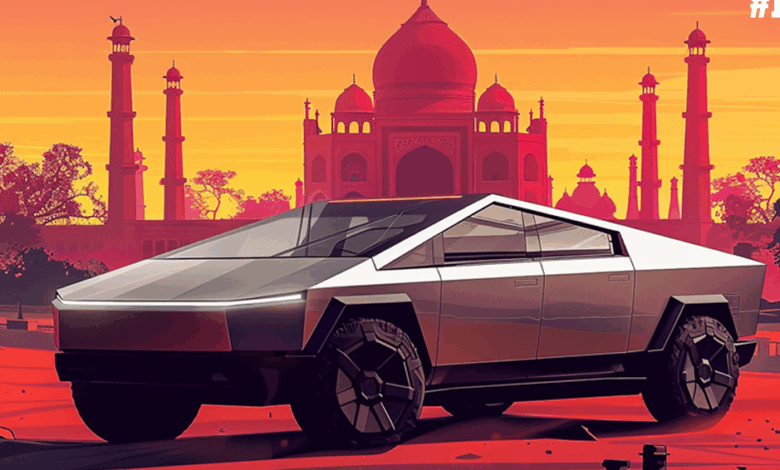
Mumbai, July 15, 2025 – Tesla has finally arrived in India, but not in the full-throttle, battery-blazing way Prime Minister Narendra Modi may have envisioned. There’s no Gigafactory. No “Made in India” electric marvel. Instead, Elon Musk has quietly plugged in a 4,000-square-foot showroom in Mumbai’s posh Bandra Kurla Complex and for now, it seems its all glitz but very little grit.
What’s on display?
The Model Y, fully imported from Tesla’s Gigafactory in Shanghai, with a price tag north of ₹60 lakh (about $70,000) before taxes, insurance, or even parking charges in Mumbai. It’s a soft launch that echoes Tesla’s similar strategy in China show the car, stir up the hype, and then maybe, just maybe, get to building something real.
A second showroom is expected to open in Delhi later this month. Tesla’s also beefed up local hiring and secured warehouse space hinting at long-term ambitions. But a factory (what Prime Minister Narendra Modi would have really wanted) not in sight.
Hence, the question – is this rollout really about revolutionizing India’s roads, or is Musk just putting a shiny pin on the map that says “Tesla India”?
The fact is India may well be the “real test” for Tesla, first and foremost let us start with India’s “magnificent” infrastructure which is akin to charging dreams on sinking foundations.
India is not the easiest terrain to navigate, ask any driver – right from those driving auto rickshaw’s, to two wheelers, to driving “middle class” cars and even those driving their Thars or BMWs (price tags, here) all dodging potholes like landmines. Hence, while the Model Y is engineered for smooth highways and pristine conditions, Indian roads are another beast entirely.
Here is India’s unvarnished reality – bridges collapse before being inaugurated (though often after being ribbon-cut by smiling politicians), flyovers sink, and freshly built roads (funded handsomely through our tax rupees) wash away with the first drizzle like they were made of clay. Hell even smart cities (check Gurugram) have turned into Venice (the only difference, its gutter water)
Now enter Tesla – low ground clearance, precision tech, and engineering designed for highways in California and autobahns in Germany. Can it survive the wrath of Delhi’s potholes or the urban flooding of Bengaluru? A few hits to the underbody later, even the autopilot might beg to be switched off.
Then there’s the charging problem. India has fewer than 3,000 public charging stations nationwide. That’s less a network and more a treasure hunt. In a country where people still check whether power backup is available before renting a flat, EV range anxiety is very real.

2. Price Tag vs Paycheck: Who Can Actually Afford a Tesla?
Now let us get to the other “real deal” – numbers.
The Model Y starts at ₹60 lakh and that’s just the base version. Add GST, road tax, insurance, and you’re hurtling toward ₹75 lakh. According to India’s income distribution data, fewer than 1% of households earn enough annually to comfortably afford such a car and pay for its long-term upkeep (think battery replacements, software updates, premium servicing).
Tesla’s competition here isn’t Tata or Mahindra, it’s BMW, Mercedes-Benz, and Audi. These brands, at least, have service centers scattered across metros. Tesla? Not yet.
Here’s a snapshot:
Brand Starting Price (₹) Service Network Market Familiarity
Tesla Model Y ₹60 – ₹68 lakh None (Yet) New entrant
Mercedes EQB ₹74 lakh Widespread Established
BMW iX1 ₹66 lakh Strong presence
Tata Nexon EV ₹15 – ₹20 lakh Extensive Mass-market favorite
So while Tesla might be an aspirational brand, it’s walking into a market that loves a good deal and demands service reliability; therefore, premium tech alone won’t cut it if you’re stranded on a flooded road with a dead battery and no charger in sight.
3. Tesla’s Own Storm
Still, let us not pretend all of Tesla’s challenges are Indian.
Globally, Tesla is on shaky wheels. Its Q1 2025 sales dipped 13%, and it continues to lose market share to Chinese EV giant BYD, which is offering affordable, reliable EVs and even flirting with the Indian market too.
Meanwhile, Elon Musk is everywhere except fully focused on Tesla. From launching his own “America Party” to pushing political commentary on X (formerly Twitter), Musk’s personal brand has started affecting Tesla’s corporate credibility. Shareholder groups controlling $2.8 billion have publicly urged the board to find a successor or rein in Musk’s distractions.
Then there are the lawsuits (plural); Tesla is battling legal heat in the U.S. over Autopilot-related crashes, facing recalls for its Cybertruck, and being investigated over its Robotaxi prototypes. As one analyst put it, “Tesla’s real risk isn’t market competition; it’s Musk’s attention span.”
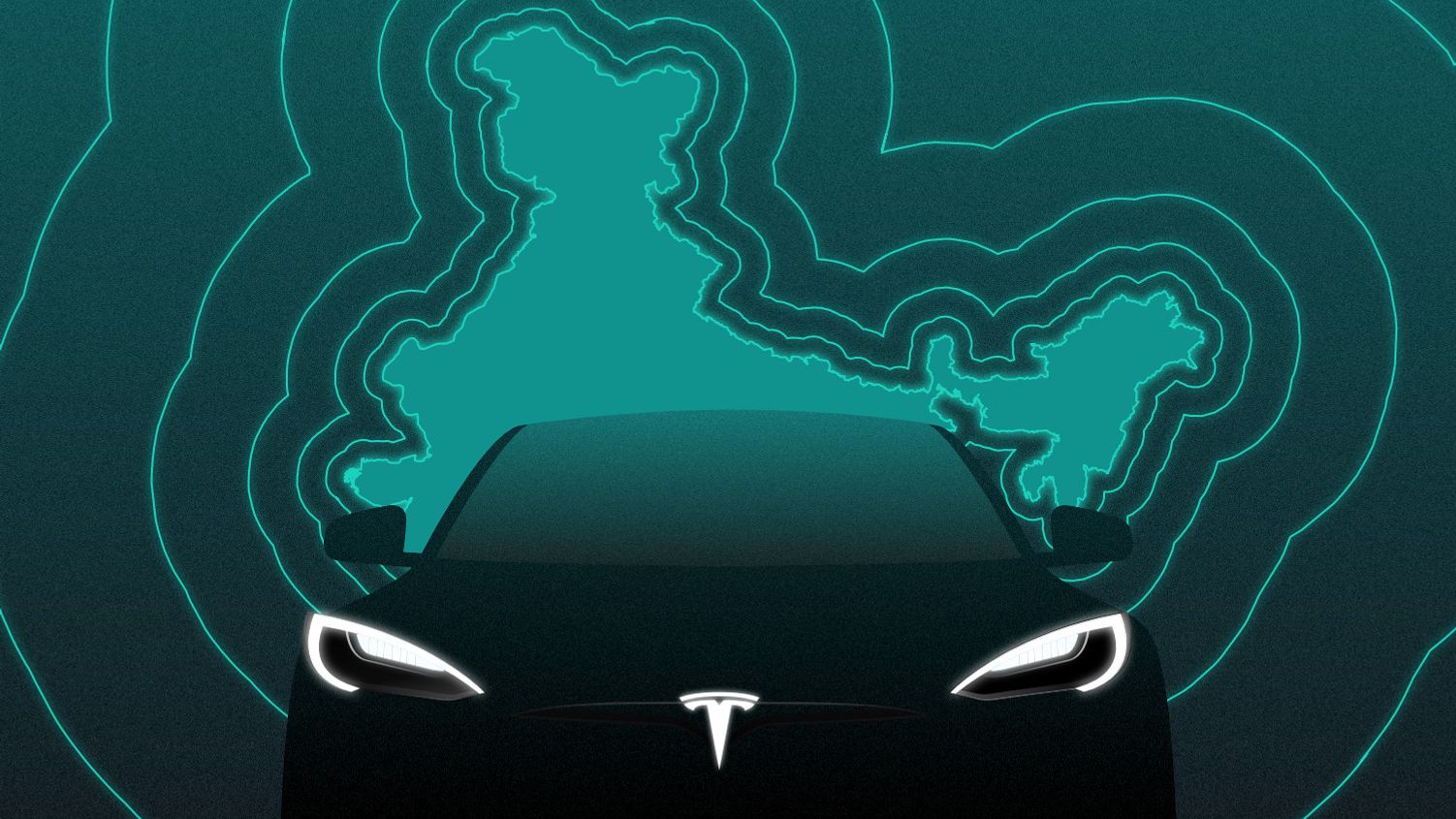
4. Other Roadblocks, And It’s Not Just the Roads
After-sales black hole: With no service centers yet operational, early Tesla buyers may need to fly their cars out for repairs (yes, that’s a thing).
Regulatory uncertainty: Indian policy has made overtures including tax cuts for those setting up local manufacturing but Musk hasn’t taken the bait.
Consumer sentiment: With rising nationalism and brand sensitivity, Musk’s controversies could become Tesla’s burden here too.
The Last Bit. So, Is This a Revolution or Just a Showroom?
Right now, Tesla’s presence in India feels more like a statement than a strategy. A shiny showroom in Mumbai is not going to change the fact that EV infrastructure is miles behind, roads are unforgiving, and buyers who can afford a Tesla are few and far between.
But if Musk does play the long game – investing in local manufacturing, adapting models to Indian conditions, and expanding infrastructure – Tesla could eventually become more than a status symbol here.
Until then, it’s showroom chic, not showroom surge. As one might say: great horsepower, but still stuck in first gear.