The Shield Breaks Adani Dragged Into US Court. Why The Adani–SEC Case Has Entered A New And Dangerous Phase
For over a year, the Adani–SEC case hovered in procedural limbo, cushioned by delay, diplomacy, and distance. That protection has now collapsed. With the summons accepted and the clock ticking, the fight moves from evasion to confrontation and perhaps into a courtroom that power

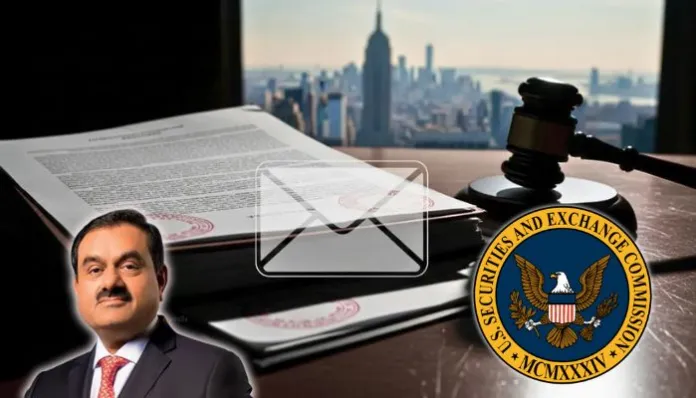
For more than a year, the civil fraud case filed by the U.S. Securities and Exchange Commission against Gautam Adani and his nephew Sagar Adani remained stuck in procedural limbo. The allegations were grave, the sums enormous, but the case itself appeared frozen, stalled by questions of service, jurisdiction, and diplomatic cooperation.
That phase is now over.
On January 30, 2026, a decisive procedural breakthrough cleared the path for the SEC’s civil fraud case to proceed. Gautam Adani’s newly appointed Wall Street lawyer, Robert Giuffra Jr. of Sullivan & Cromwell, agreed to accept service of summons on his behalf. With that single move, a 14-month standoff collapsed and with it, the last meaningful procedural shield delaying the case.
What Has Actually Changed
The acceptance of summons is not a cosmetic development. It removes the final procedural excuse that had prevented the case from formally advancing. Until now, the dispute revolved less around the allegations themselves and more around how and whether the defendants could be brought before a U.S. court.
That obstacle no longer exists.
More importantly, the SEC has won its first real battle: jurisdictional momentum. The regulator no longer needs to rely on the Hague Convention, diplomatic cooperation from India’s Ministry of Law and Justice, or a contested court ruling approving alternative service via email or counsel. The case now proceeds on substance, not process.
Equally significant, the clock has started. Subject to approval by U.S. District Judge Nicholas Garaufis, the Adanis will have 90 days to formally respond to the complaint. That response is expected to include motions to dismiss, jurisdictional challenges, and legal arguments that will be tested in open court, not deflected through procedural delay. Signalling that evidence starts to matter.

Why The Choice Of Lawyer Is Itself a Signal
The hiring of Robert Giuffra Jr. is not routine defence lawyering. It is crisis escalation.
Giuffra is not a technical compliance specialist or a low-profile negotiator. He is a courtroom operator known for handling cases where reputational damage, political exposure, and legal consequences collide. His parallel representation of Donald Trump signifies the strategic posture being adopted: contest jurisdiction aggressively, challenge prosecutorial framing, and attack credibility, not quietly settle or proceduralise the dispute into obscurity.
That choice sends two clear signals.
First, Adani’s camp expects this case to be long, public, and bruising. Second, it indicates that the era of betting on delay, on diplomatic friction or procedural exhaustion, is over. The defence is preparing for confrontation, not avoidance.
In doing so, it inadvertently validates the core thesis that has surrounded the case all along: that once process stops protecting power, the fight moves into far more dangerous terrain.
How This Reframes the Entire Case
This development confirms three critical assumptions that had been taking shape over the past year.
Diplomatic shielding has eroded. Procedural delay has failed. And the United States has shifted decisively from patience to insistence.
The acceptance of summons proves that the SEC’s escalation strategy worked. It demonstrates that Indian non-cooperation is no longer a meaningful constraint. And it moves the case irreversibly into the U.S. judicial bloodstream – where timelines are enforced, discovery is compulsory, and silence carries consequences.
In editorial terms, this is the moment where pressure turns into process.
The Allegations Now Come Into Sharper Focus
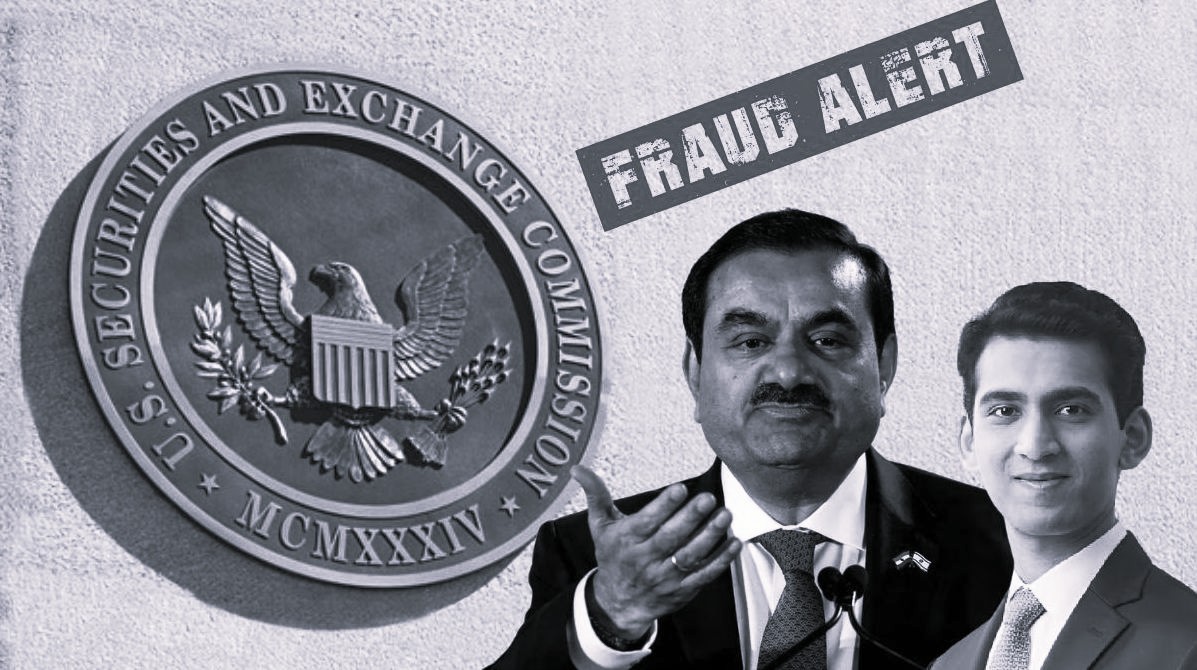
The SEC’s civil complaint, filed in November 2024, accuses Gautam Adani and Sagar Adani of orchestrating a scheme involving hundreds of millions of dollars in bribes to Indian government officials to secure solar power contracts for Adani Green Energy. It further alleges that U.S. investors were misled during fundraising exercises about the company’s anti-bribery safeguards, even as approximately $2 billion was raised from international markets.
These allegations are now no longer abstract. With service accepted, they will be contested or defended within the formal machinery of U.S. civil litigation.
The Criminal Case: Quiet, But Dangerous
Running parallel to the civil proceedings is a criminal indictment filed by U.S. prosecutors in November 2024. While that case has seen no significant public movement for over a year, its dormancy should not be mistaken for weakness.
In complex white-collar prosecutions, criminal cases often remain deliberately quiet while civil discovery advances. Evidence surfaced in civil proceedings can later inform prosecutorial strategy. Silence, in such cases, is frequently a sign of preparation rather than retreat.
From a risk perspective, this keeps a long and persistent shadow over Adani leadership.
The Last Bit, What This Means Going Forward
For years, Gautam Adani’s rise coincided with an environment in which controversy could be absorbed domestically and scrutiny delayed through institutional alignment and diplomatic caution. That environment no longer extends beyond India’s borders.
The acceptance of summons marks a structural shift. Legal exposure is no longer containable. Reputational risk is no longer manageable through proximity. And leadership insulation is being tested in jurisdictions that control capital access, investor confidence, and enforcement power.
This is no longer a question of perception management. It is a legal confrontation unfolding on terms Adani does not control. And once a case enters that phase, there are no reset buttons, only consequences.