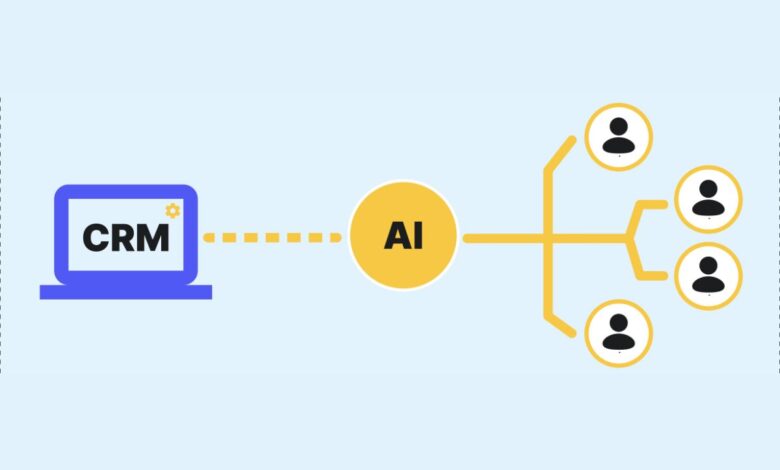
Introduction: The AI Revolution Transforming CRM
Customer relationship management has evolved dramatically from its origins as simple contact databases and spreadsheets tracking customer interactions. Today, we stand at a transformative moment where artificial intelligence is fundamentally reshaping how businesses understand their customers, manage relationships, and drive revenue growth. As we progress through 2025 and look toward 2026, AI-powered CRM platforms have moved beyond experimental features to become essential business infrastructure that modern organizations rely upon to compete effectively in increasingly crowded markets.
Understanding the core AI capabilities provides the framework for evaluating specific platforms. As you read about each CRM system, consider which AI technologies it leverages, how deeply those capabilities are integrated into daily workflows, whether the AI features address your specific business challenges, what data the AI requires to function effectively, and how much configuration and maintenance the AI features will require from your team. The best AI-powered CRM for your organization will be the one whose capabilities align most closely with your actual needs rather than the one with the most impressive feature list.
1. Salesforce Sales Cloud with Einstein AI: The Enterprise Standard
Salesforce has maintained its position as the dominant enterprise CRM platform for over two decades, and with the introduction and continuous evolution of Einstein AI, the company has firmly established itself as a leader in AI-powered customer relationship management. Salesforce Einstein represents one of the most comprehensive and mature AI implementations in the CRM space, with capabilities that span the entire customer lifecycle from initial marketing engagement through sales closure and ongoing service relationships.
Einstein AI performs over one trillion predictive analyses every week across Salesforce’s customer base, leveraging this massive scale to continuously improve its algorithms and capabilities. The AI is not a separate add-on but rather an integrated intelligence layer that permeates virtually every aspect of the Salesforce platform. This deep integration means AI capabilities feel natural and contextual rather than bolted on as afterthoughts.
The cornerstone of Einstein’s capabilities is predictive lead and opportunity scoring, which analyzes historical data about successful conversions to assign scores indicating likelihood to close. Unlike simple manual scoring based on demographics or company size, Einstein considers dozens of factors including engagement patterns across emails and website visits, similarities to past successful conversions, buying signals detected in communications, relationship strength between sales representatives and contacts, and competitive landscape indicators. Sales representatives can immediately see which leads deserve attention and which opportunities need intervention, dramatically improving productivity by focusing energy where it will have the greatest impact.
Einstein Activity Capture automatically logs emails, meetings, and other interactions between sales representatives and customers directly into Salesforce without requiring manual data entry. The system intelligently associates these activities with the correct accounts, contacts, and opportunities, ensuring the CRM always reflects the current state of customer relationships. For sales teams, this eliminates hours of weekly administrative work that was previously required to keep Salesforce data current. Managers gain visibility into actual sales activities without needing to nag representatives for updates, while the complete activity history enables more accurate forecasting and pipeline analysis.
Einstein Conversation Insights uses AI to analyze recorded sales calls, identifying talk time ratios, customer sentiment, competitor mentions, pricing discussions, objections raised, and successful techniques used by top performers. Sales managers can use these insights for coaching, helping representatives improve their skills by learning from actual conversations rather than generic best practices. The system can surface specific moments in calls where representatives handled objections particularly well or where they missed opportunities to advance the deal, providing concrete examples for skill development.
The recent addition of Einstein GPT brings generative AI capabilities to Salesforce, enabling users to generate email content, create case summaries, draft proposals, compose knowledge articles, and develop marketing content all grounded in CRM data. Rather than generic AI responses, Einstein GPT incorporates specific customer information, product details, past interactions, and relevant context to produce output that feels personalized and appropriate. A sales representative can generate a follow-up email after a meeting that references specific discussion points and proposes relevant next steps, all with a few clicks rather than crafting the message from scratch.
Salesforce Einstein includes sophisticated forecasting capabilities that predict pipeline outcomes based on historical patterns, deal characteristics, and current activities. The AI can identify risks in the forecast before they become obvious, such as deals with insufficient engagement or opportunities that are progressing slower than similar won deals. Sales leaders gain visibility into forecast accuracy and can drill down to understand which deals warrant additional attention or resources to ensure quarterly targets are met.
The Agentforce offering, Salesforce’s latest AI innovation, introduces autonomous agents that can complete tasks without human intervention. These agents can qualify leads by researching companies and engaging in initial conversations, handle routine service inquiries by understanding intent and accessing knowledge bases, update forecasts based on detected signals in opportunities, and escalate to humans only when situations require judgment or personal attention. This autonomous capability represents a significant evolution from AI that assists humans to AI that can operate independently on their behalf.
Salesforce’s pricing reflects its enterprise positioning and comprehensive capabilities. Sales Cloud starts at twenty-five dollars per user per month for the basic edition, but AI features require higher tiers. The Enterprise edition begins at one hundred seventy-five dollars per user monthly and includes some Einstein capabilities.
However, the full Einstein feature set requires the Unlimited edition at three hundred fifty dollars per user monthly, or specific Einstein add-ons that range from fifty to over one hundred dollars per user monthly depending on capabilities. For organizations already invested in the Salesforce ecosystem, these costs may be justified by the platform’s breadth and the value of unified data. For smaller businesses or those seeking simpler solutions, Salesforce’s complexity and cost can be prohibitive.
Salesforce excels for large enterprises with complex sales processes, multiple product lines requiring sophisticated opportunity management, global operations needing extensive customization and localization, significant integration requirements with other business systems, and substantial budgets to invest in comprehensive CRM capabilities. The platform provides unmatched flexibility through its extensive customization options, massive third-party app ecosystem through AppExchange, and proven track record at enterprise scale. However, this power comes with complexity that requires dedicated administrators, potentially lengthy implementation timelines, and significant training investments to ensure adoption.
2. HubSpot CRM with Breeze: The All-in-One Growth Platform
HubSpot has distinguished itself in the CRM market by offering a remarkably powerful free tier combined with an intuitive user interface and a comprehensive suite of marketing, sales, and service tools unified on a single platform. The introduction of Breeze, HubSpot’s collection of AI tools, has significantly enhanced the platform’s capabilities while maintaining the accessibility and ease of use that made HubSpot popular with small and mid-sized businesses.
Breeze represents HubSpot’s cohesive approach to AI, encompassing three key components that work together seamlessly. Breeze Copilot serves as an AI companion embedded throughout the HubSpot platform, helping users research companies and contacts, prepare for sales meetings with relevant context and talking points, summarize CRM records and conversations, draft emails and content, generate reports and answer questions about data, and automate routine tasks through natural language commands. Unlike AI features that exist in separate interfaces, Copilot appears contextually within the workflows where users actually work, making AI assistance feel natural rather than requiring users to remember to seek it out.
Breeze Agents take AI capabilities further by operating autonomously to complete end-to-end workflows without constant human supervision. The Prospecting Agent can automatically research potential customers, identify high-fit leads based on ideal customer profiles, enrich contact records with relevant information, and initiate personalized outreach campaigns. The Customer Agent handles routine service inquiries by understanding customer intent, accessing knowledge bases, resolving common issues, and escalating complex situations to human agents when necessary. The Content Agent helps marketing teams by generating blog posts, social media content, landing page copy, and email campaigns aligned with brand voice and campaign objectives. The Social Media Agent manages posting schedules, suggests content topics, analyzes engagement patterns, and optimizes posting times for maximum reach.
Breeze Intelligence provides data enrichment and customer insights by automatically populating contact and company records with information from over two hundred million buyer and company profiles. When a new lead fills out a form with just their email address, Breeze Intelligence can enrich that record with company information, role and seniority level, social profiles, industry and company size, and other relevant data points. This enrichment happens automatically, eliminating the manual research sales representatives previously needed to conduct before engaging with prospects.
HubSpot’s Smart CRM serves as the foundation that unifies data across marketing, sales, service, and operations activities. All customer interactions, regardless of which HubSpot Hub they occur in, are tracked in a single customer record. This unified view means that sales representatives see marketing engagement history, service teams understand the sales context, and marketing teams can leverage service interactions to inform campaigns. The AI capabilities draw on this unified data, enabling more accurate predictions and more relevant recommendations than would be possible with siloed information.
The platform includes sophisticated workflow automation enhanced by AI, allowing teams to create complex sequences that trigger based on customer behavior, adapt based on engagement patterns, personalize content for individual recipients, and optimize sending times to maximize response rates. For example, a workflow might automatically enroll leads who visit pricing pages, send personalized emails based on the specific products they viewed, adjust message timing based on when each lead typically opens emails, and route engaged prospects to appropriate sales representatives when they exhibit buying signals.
HubSpot’s AI extends to marketing with features including AI-powered email generation that creates compelling copy aligned with campaign goals, landing page optimization suggestions based on conversion data, SEO recommendations for content creation, blog post topic ideas based on trending keywords and audience interests, and social media post generation with platform-specific optimization. These capabilities allow marketing teams to maintain consistent output even with limited resources, while the AI ensures content follows best practices for engagement and conversion.
Pricing for HubSpot reflects its tiered approach designed to grow with businesses. The CRM and basic AI features are available completely free with unlimited users, making it an excellent entry point for small businesses or teams just beginning their CRM journey. The Starter tier begins at fifteen dollars per month per hub, adding more advanced features.
Professional tier at fifty dollars per user monthly unlocks comprehensive AI capabilities including Breeze Agents, advanced automation, and sophisticated reporting. Enterprise tier starting at seventy-five dollars per user monthly provides the full feature set including advanced AI, extensive customization, and premium support. Unlike Salesforce, HubSpot does not charge separately for AI features at higher tiers, making the total cost more predictable and often more affordable for mid-sized businesses.
HubSpot excels for growing businesses that need marketing, sales, and service capabilities in one platform, companies without extensive technical resources who need intuitive systems that are quick to implement, organizations that value ease of use and want high adoption rates, teams that want powerful AI capabilities without steep learning curves, and businesses that want to start with free or low-cost solutions and scale as they grow. The platform provides strong value particularly for B2B software and services companies, agencies, professional services firms, and e-commerce businesses. HubSpot’s main limitation compared to Salesforce is less extensive customization for highly complex sales processes and fewer third-party integrations, though the platform handles the vast majority of common use cases extremely well.
3. Microsoft Dynamics 365 with Copilot: The Enterprise Integration Powerhouse
Microsoft Dynamics 365 represents a comprehensive suite of business applications covering CRM, ERP, and business intelligence united under a common platform. With the introduction of Microsoft Copilot capabilities across Dynamics 365, Microsoft has created one of the most powerful AI-enhanced business application ecosystems available, particularly valuable for organizations already invested in the Microsoft technology stack including Office 365, Teams, Azure, and Power Platform.
Sales in Microsoft 365 Copilot, previously known as Microsoft 365 Copilot for Sales, brings AI assistance directly into the applications sales teams already use daily. Within Outlook, representatives can see CRM data about contacts and accounts alongside emails, automatically capture email and meeting content to the CRM without manual data entry, receive AI-generated meeting summaries that include action items and key discussion points, and draft personalized email responses using CRM context.
Within Microsoft Teams, the Copilot helps prepare for customer meetings by summarizing recent interactions and account history, take notes during calls that automatically sync to CRM records, collaborate on deals with colleagues through integrated workspace features, and generate follow-up tasks based on meeting outcomes. This integration means sales teams can remain productive in their familiar Microsoft tools without constantly switching to a separate CRM interface.
Dynamics 365 Sales includes autonomous agents that complete tasks on behalf of users. The Sales Qualification Agent can autonomously research leads by gathering information from company websites and public sources, engage leads through initial email conversations to understand needs and budget, qualify leads based on fit criteria and purchase intent, score and prioritize qualified leads for sales representatives, and move leads through early pipeline stages without requiring human intervention until they are truly sales-ready.
The Sales Development Agent helps build pipeline by identifying new prospects matching ideal customer profiles, personalizing outreach based on prospect characteristics and behavior, handling initial objections and questions, scheduling meetings for qualified prospects, and nurturing leads over time with relevant content. These autonomous capabilities allow sales teams to dramatically scale their reach and productivity without proportionally increasing headcount.
Copilot in Dynamics 365 Sales provides contextual assistance throughout the sales process including opportunity insights that analyze deal health and suggest next actions, competitive intelligence surfaced from conversations and documents, email generation that incorporates CRM context and sales best practices, meeting preparation briefs that summarize account history and recommend talking points, and pipeline analysis that identifies risks and recommends strategies to improve forecast accuracy. The AI draws on both CRM data and broader context from Microsoft Graph, which includes information from emails, documents, meetings, and other Microsoft 365 sources, enabling more comprehensive insights than CRM data alone could provide.
Dynamics 365 Customer Service leverages Copilot to enhance agent productivity and customer satisfaction. The AI can draft contextual responses to customer inquiries based on case history and knowledge articles, generate case summaries automatically so agents quickly understand issues, suggest relevant knowledge articles to help resolve issues faster, route cases intelligently based on content and urgency, and create knowledge articles from resolved cases to build institutional knowledge. The system uses AI-powered sentiment analysis to identify frustrated customers who need immediate attention and can escalate issues to supervisors when appropriate. For organizations managing high service volumes, these capabilities significantly reduce average handling time while improving customer satisfaction.
The integration with Microsoft Power Platform allows organizations to build custom AI agents and workflows tailored to their specific business processes using low-code tools in Copilot Studio. Companies can create agents that automate unique workflows, incorporate proprietary data and business logic, integrate with custom applications and systems, and provide industry-specific capabilities. This extensibility ensures that even organizations with highly specialized needs can leverage AI effectively rather than being constrained by out-of-the-box features.
Microsoft’s approach to AI governance and data privacy emphasizes security and compliance, particularly important for enterprise organizations in regulated industries. Copilot operates within the organization’s existing Microsoft 365 security boundary, ensuring that AI respects user permissions and data access policies. The Trust Layer prevents sensitive information from being exposed through AI-generated content, provides audit trails of AI usage, and ensures data used for AI training remains within organizational boundaries rather than contributing to shared models.
Pricing for Dynamics 365 follows a modular approach where organizations purchase specific applications they need. Dynamics 365 Sales Professional starts at approximately sixty-five dollars per user monthly for core sales capabilities, while the Enterprise edition begins around ninety-five dollars per user monthly for advanced features. Copilot capabilities are typically available as add-ons, with Sales in Microsoft 365 Copilot available for organizations with qualifying Microsoft 365 licenses. Enterprise organizations often negotiate enterprise agreements that bundle multiple Dynamics applications with Microsoft 365 subscriptions, potentially providing better overall value than individual product pricing suggests. The total cost of ownership depends significantly on which combination of applications and capabilities an organization requires.
Microsoft Dynamics 365 excels for large enterprises already using Microsoft technology stack who benefit from deep integration, organizations with complex needs spanning CRM and ERP requiring unified business applications, companies in regulated industries needing robust security and compliance capabilities, businesses that want to leverage Microsoft’s AI across multiple applications beyond just CRM, and enterprises with technical resources to customize and extend the platform.
The platform provides exceptional value for financial services, healthcare, manufacturing, retail, and professional services industries where Microsoft has developed specialized capabilities. The primary limitations are complexity that requires experienced implementation partners, potentially lengthy deployment timelines for comprehensive solutions, and cost that can be substantial when licensing multiple applications and users.
4. Zoho CRM with Zia: The Affordable Intelligence Alternative
Zoho CRM has established itself as a compelling alternative to Salesforce and Microsoft, offering comprehensive capabilities at a fraction of the price point. With Zia, Zoho’s AI assistant, the platform provides sophisticated artificial intelligence features that rival more expensive enterprise systems while maintaining accessibility for small and mid-sized businesses. Zoho’s ownership of its entire technology stack, including its own large language models and infrastructure, enables unique privacy advantages and often faster innovation than competitors who rely on third-party AI providers.
Zia functions as a conversational AI assistant that users can interact with through text or voice to retrieve CRM information, create and update records, generate reports on demand, ask questions about business performance, and receive personalized recommendations. Unlike many AI assistants that require users to learn specific commands, Zia understands natural language queries so users can simply ask for what they need in their own words. A sales representative can ask Zia to show all deals closing this month in the Northeast region or find contacts at technology companies in California with more than five hundred employees, and Zia will return the appropriate results immediately without requiring the user to navigate through menus or construct database queries.
Zia’s predictive capabilities analyze historical CRM data to forecast future outcomes with impressive accuracy. The lead scoring algorithm examines patterns from past conversions to assign scores indicating likelihood to close, considering factors like engagement frequency, touchpoint diversity, company characteristics, and behavioral signals. Opportunity scoring predicts which deals will close successfully based on deal characteristics, activities completed, stakeholder engagement, and similarities to historically won opportunities.
Churn prediction identifies customers at risk of leaving by detecting early warning signs in usage patterns, support interactions, payment history, and engagement levels. For subscription-based businesses, Zia can even predict which specific products or services a customer might churn from, allowing targeted retention efforts. Sales forecasting uses machine learning to predict pipeline outcomes more accurately than traditional manual forecasting methods, helping sales leaders anticipate results and allocate resources appropriately.
Zia’s recommendation engine suggests next best actions to sales representatives based on analysis of successful patterns from top performers. The system might recommend sending an email at a specific time when that contact typically engages, scheduling a follow-up call based on deal stage and elapsed time since last contact, proposing specific products that customers with similar profiles typically purchase, or connecting with particular stakeholders who often influence decisions in similar opportunities. These recommendations help less experienced representatives benefit from the collective wisdom captured in the CRM data, accelerating their development and improving their effectiveness.
Zoho recently introduced Zia Agents, autonomous AI assistants that can complete tasks independently. These agents can handle service inquiries by understanding customer questions and providing solutions, nurture leads through automated personalized sequences, qualify prospects by asking questions and evaluating responses, create marketing campaigns aligned with business objectives, and schedule interviews for HR teams. The Agent Studio allows organizations to build custom agents tailored to their specific workflows using low-code tools, extending AI capabilities beyond what Zoho provides out of the box. The Zia Agent Marketplace will enable organizations to discover and deploy pre-built agents for common use cases or share custom agents they have developed.
Particularly noteworthy is Zia’s ability to create CRM components using natural language. Users can ask Zia to create custom modules for specific business needs, such as a contract management module for legal teams or a project tracking module for account managers. Zia will generate the appropriate fields, workflows, and permissions automatically. Users can also ask Zia to create reports and dashboards, build automation workflows, or generate analytics visualizations, all through conversational commands rather than technical configuration. This capability democratizes CRM customization, allowing business users to adapt the system to their needs without requiring administrator intervention or technical expertise.
The AI includes sophisticated email capabilities including sentiment analysis that detects whether customer emails express satisfaction, frustration, urgency, or other emotions, helping representatives prioritize responses appropriately. Zia analyzes emails to identify competitor mentions, pricing discussions, objection patterns, and buying signals that inform sales strategy. The generative AI can draft email responses based on context from the conversation history and CRM data, saving representatives time while ensuring messages address customer needs appropriately. Intelligent character recognition extracts information from images like business cards or documents and automatically populates CRM fields, eliminating manual data entry.
Crucially, Zoho has developed its own large language model called Zia LLM, hosted entirely on Zoho’s own infrastructure within their GDPR-compliant environment. This means customer data never leaves Zoho’s systems and is not used to train third-party AI models, addressing privacy concerns that many organizations have about cloud-based AI. Zoho’s CEO has publicly committed to keeping AI pricing affordable, explicitly criticizing competitors who charge premium fees for AI features and suggesting that AI reasoning is becoming commoditized.
Pricing for Zoho CRM reflects its positioning as an affordable alternative to enterprise platforms. The Standard edition starts at just fourteen dollars per user monthly, including basic Zia features like lead and deal prediction. The Professional edition at twenty-three dollars per user monthly adds advanced Zia capabilities including workflow automation, custom functions, and enhanced analytics. The Enterprise edition at forty dollars per user monthly provides the full Zia feature set including sentiment analysis, advanced predictions, and custom AI model building. Even the Ultimate edition at fifty-two dollars per user monthly costs less than many competitors’ mid-tier offerings while providing comprehensive capabilities. Zoho does not charge separately for AI features, making costs predictable and often dramatically lower than enterprise alternatives.
Zoho CRM excels for small to mid-sized businesses seeking enterprise capabilities at affordable prices, organizations that value data privacy and want to avoid third-party AI dependencies, companies that need extensive customization but lack large technical teams, businesses in cost-conscious industries or regions where value is paramount, and organizations that want comprehensive features without paying premium pricing. The platform has gained significant traction in professional services, education, real estate, manufacturing, and healthcare industries. Zoho’s primary limitations compared to top-tier enterprise platforms are a smaller third-party ecosystem and integrations compared to Salesforce, less brand recognition in large enterprise markets, and occasionally slower adoption of cutting-edge features, though the gap has narrowed significantly with recent AI investments.
5. Freshsales (Freshworks CRM) with Freddy AI: The User-Friendly Powerhouse
Freshsales, part of the broader Freshworks customer engagement platform, has built a reputation for combining powerful features with exceptional ease of use. Freddy AI, the intelligent assistant embedded throughout Freshsales, provides sophisticated artificial intelligence capabilities without requiring extensive configuration or training. The platform appeals particularly to organizations that want enterprise-grade AI features but value simplicity and quick time to value over extensive customization options.
Freddy AI’s lead scoring automatically analyzes historical conversion data to identify which leads are most likely to close, considering engagement patterns, demographic information, behavioral signals, and similarities to past successful conversions. The system assigns scores from zero to one hundred, with clear explanations of the factors contributing to each score so sales representatives understand why certain leads rank higher than others. Unlike black-box AI systems where the logic remains opaque, Freddy’s transparency helps sales teams trust and act on the recommendations. The lead scoring model continuously learns and improves as it ingests more conversion data, becoming more accurate over time.

Deal insights powered by Freddy analyze individual opportunities to predict likelihood of closure and identify potential risks. For each deal, Freddy provides a health score indicating whether the opportunity is on track, at risk, or requires urgent attention. The AI surfaces specific reasons for its assessment, such as lack of recent engagement with key stakeholders, longer than typical sales cycle duration, missing information needed to progress the deal, or deviation from patterns seen in successfully closed opportunities. Sales managers can quickly scan their team’s pipeline and identify deals that need coaching or intervention rather than relying on representatives to self-report issues.
Freddy’s sales forecasting capability predicts pipeline outcomes based on historical win rates, current deal characteristics, and rep-specific performance patterns. The system generates forecasts at multiple levels including individual representative predictions, team forecasts, and overall organizational projections. Freddy highlights deals that may not close as expected and identifies opportunities that could potentially be pulled into the current period with appropriate effort. This predictive capability helps sales leaders manage pipelines more proactively and set realistic expectations with executive leadership.
The AI-powered workflow automation in Freshsales enables complex sequences that adapt based on customer behaviour and engagement. Sales teams can create sequences that automatically send personalized emails, schedule follow-up tasks, update deal stages, route leads to appropriate representatives, and trigger alerts when prospects take specific actions. Freddy optimizes send times for emails based on when each recipient typically engages, improving response rates without requiring representatives to manually time their outreach. The system can also pause sequences when prospects reply or take other engagement actions, preventing the awkward situation of automated messages continuing after human conversations have begun.
Freshsales includes built-in phone capabilities with AI-powered call recording and analysis. Freddy automatically transcribes sales calls, making conversations searchable and analysable. The AI identifies key moments in calls including budget discussions, competitor mentions, objections raised, next steps agreed upon, and buying signals expressed. Sales managers can review calls to coach representatives on specific situations rather than needing to listen to entire recordings. The system can also surface best practices by identifying techniques used by top performers in successful calls, enabling the entire team to learn from these examples.
Email intelligence in Freshsales uses Freddy to analyse email content, subject lines, and engagement patterns to provide recommendations for improvement. The AI suggests optimal subject lines based on what has performed well historically, recommends send times when recipients are most likely to engage, identifies follow-up opportunities when prospects have opened emails multiple times without responding, and flags emails that may need attention due to negative sentiment or urgent requests. This intelligence helps representatives maximize the effectiveness of their email outreach without requiring them to become email marketing experts.
Freddy also provides chatbot capabilities for both website visitors and customers seeking support. The AI chatbot can qualify leads by asking discovery questions, schedule meetings with available sales representatives, answer common questions about products and pricing, route complex inquiries to appropriate humans, and provide twenty-four-seven engagement even when teams are unavailable. The chatbot learns from human conversations to improve its responses over time and can be customized to match company branding and communication style.
Freshsales pricing follows a straightforward tier structure without complex add-ons or hidden fees. The Growth plan starts at nine dollars per user monthly, including basic AI features like lead scoring and email intelligence. The Pro plan at thirty-nine dollars per user monthly adds comprehensive Freddy AI capabilities including deal insights, forecasting, and workflow automation. The Enterprise plan at fifty-nine dollars per user monthly provides the complete feature set including advanced customization, enhanced support, and sophisticated reporting. Freshworks explicitly positions Freddy AI as included in the platform rather than a costly add-on, making the pricing transparent and predictable.
Freshsales excels for small to mid-sized businesses that value ease of use and quick implementation, sales teams that want powerful AI without extensive training or configuration, organizations seeking good value with comprehensive features at reasonable prices, companies that need built-in phone and email capabilities rather than relying on integrations, and businesses that want intuitive interfaces that drive high adoption rates. The platform works particularly well for B2B software and services, agencies, consulting firms, and professional services organizations. Freshsales may be limiting for very large enterprises requiring extensive customization or organizations with highly complex sales processes that need deep workflow customization, though it handles the vast majority of common scenarios extremely effectively.
6. Pipedrive with AI Sales Assistant: The Visual Pipeline Master
Pipedrive has built its reputation on providing an intuitive visual pipeline that sales teams actually enjoy using, leading to high adoption rates and consistent CRM hygiene. The addition of AI Sales Assistant capabilities enhances the platform’s core strengths by providing intelligent recommendations, automating routine tasks, and surfacing insights that help representatives close more deals. Pipedrive’s focus on simplicity and usability means the AI features integrate seamlessly without overwhelming users or requiring extensive training.
The AI Sales Assistant analyses pipeline data to provide personalized recommendations for each sales representative. The system suggests which deals to focus on based on their likelihood to close and potential value, recommends next actions for opportunities that have been stagnant or are at risk, identifies contacts who should be re-engaged based on past interaction patterns, alerts representatives to deals that need attention before they slip through the cracks, and provides timing recommendations for follow-ups based on customer behaviour and deal characteristics. These recommendations appear directly within the pipeline view where representatives already work, making it effortless to act on AI insights without navigating to separate reporting interfaces.
Pipedrive’s AI automates lead generation and enrichment through integration with various data sources. When sales representatives add a new contact or company to the CRM, the AI automatically enriches the record with information including company details like industry, size, and revenue, contact information such as job title and social media profiles, relationship insights including connections between contacts and accounts, and recommended actions based on the contact’s characteristics and behaviour. This enrichment happens transparently in the background, ensuring representatives always have the context they need without spending time on manual research.
Email intelligence capabilities analyse email content, engagement patterns, and response rates to help representatives optimize their outreach. The AI tracks which email subject lines generate the best open rates, identifies optimal sending times for each contact, recommends email templates that have proven successful for similar situations, and flags emails that might benefit from follow-up based on engagement signals. Pipedrive can automatically track email opens, link clicks, and attachments viewed, giving representatives visibility into prospect interest and engagement.
The platform includes workflow automation powered by AI that adapts to how each organization sells. Sales teams can create automations that trigger based on deal stage changes, time elapsed since last activity, email engagement signals, specific field updates, or custom conditions. The AI suggests automation opportunities by analysing team activities and identifying repetitive tasks that could be automated. For example, if multiple representatives consistently send similar follow-up emails after initial meetings, the AI might suggest creating an automation that handles this task automatically, freeing up time for more valuable activities.
Pipedrive’s revenue forecasting uses AI to predict pipeline outcomes based on historical close rates, current deal characteristics, sales cycle duration, and rep-specific performance patterns. The system provides forecasts at multiple confidence levels, helping sales leaders understand best-case, likely, and worst-case scenarios. The AI identifies gaps between current pipeline and targets, allowing managers to focus coaching and resource allocation on areas where it will have the greatest impact on results.
The platform emphasizes mobile usability, ensuring that AI features are accessible to field sales representatives who spend significant time away from desks. The Pipedrive mobile app provides access to AI recommendations, enables deal updates on the go, allows representatives to log activities immediately after meetings, and sends smart notifications about deals requiring attention. This mobile-first approach ensures AI insights remain useful even for highly mobile sales teams.
Pipedrive integrates with numerous third-party applications including email platforms, communication tools, marketing automation systems, e-commerce platforms, and accounting software. The AI can incorporate data from these integrated systems to provide more comprehensive insights and recommendations. For example, the system might surface customer support tickets when analyzing deal health or incorporate marketing engagement data into lead scoring.
Pricing for Pipedrive follows a straightforward tier structure focused on user count. The Essential plan starts at approximately fifteen dollars per user monthly for basic CRM features. The Advanced plan at twenty-nine dollars per user monthly includes AI Sales Assistant capabilities, workflow automation, and enhanced reporting. The Professional plan at forty-nine dollars per user monthly adds revenue forecasting, advanced permissions, and premium integrations. The Enterprise plan at ninety-nine dollars per user monthly provides the complete feature set including dedicated support and enhanced security features. Pipedrive’s pricing remains competitive even at higher tiers compared to enterprise platforms.
Pipedrive excels for small to mid-sized sales teams that prioritize ease of use and visual pipeline management, organizations with straightforward sales processes that do not require extensive customization, field sales representatives who need excellent mobile capabilities, companies that want AI features without complexity or steep learning curves, and businesses seeking affordable yet capable CRM solutions. The platform works particularly well for retail, real estate, recruiting, and small B2B sales teams. Pipedrive may be constraining for very large enterprises with complex needs or organizations requiring deep customization capabilities, though recent platform enhancements have expanded its suitability for larger teams.
7. Monday CRM with AI Features: The Work Management CRM Hybrid
Monday.com, originally known for project management and work operating systems, has expanded into CRM with a unique approach that combines customer relationship management with broader work management capabilities. The platform’s AI features leverage this hybrid nature, providing intelligence that spans both customer interactions and internal project execution. For organizations that need to manage not just sales pipelines but also customer onboarding, project delivery, and cross-functional workflows, Monday CRM offers a distinctive value proposition.
Monday CRM’s AI capabilities centre on automation, insights, and efficiency across the entire customer lifecycle. The AI assistant helps sales teams by automatically extracting data from emails and files to populate CRM records, generating summaries of complex documents and conversations, suggesting next actions based on deal stage and activity history, identifying bottlenecks in sales or delivery processes, and recommending team members who should be involved based on project requirements and availability. This assistance reduces manual work and helps teams maintain momentum as deals transition from sales to delivery.
The platform’s AI-powered automations enable sophisticated workflows that connect sales activities with operational execution. Organizations can create automations that trigger deal stage changes based on form submissions or email responses, automatically create project boards when deals close to manage implementation, notify team members when their input or action is required, escalate items that remain inactive beyond defined thresholds, and generate status updates and reports on schedules. The AI learns from how teams work and suggests additional automation opportunities to improve efficiency.
Monday CRM includes sentiment analysis capabilities that detect customer satisfaction levels from text in emails, messages, and notes. The system flags interactions where customers express frustration, dissatisfaction, or urgency, ensuring these situations receive prompt attention from appropriate team members. For customer success teams managing ongoing relationships, sentiment tracking helps identify at-risk accounts before issues escalate to churn.
Email integration powered by AI automatically logs communications to appropriate customer records, suggests email templates based on context, tracks engagement with email links and attachments, generates follow-up reminders based on email content and recipient behaviour, and summarizes email threads to help team members quickly understand conversation history. The system ensures that customer communications remain visible to relevant team members even when original recipients are unavailable, improving continuity and preventing dropped balls during handoffs.
Monday CRM’s reporting and forecasting capabilities use AI to analyse pipeline health, predict deal closure likelihood, identify trends in win rates and sales cycle duration, surface top and bottom performing representatives or products, and generate executive dashboards that highlight key metrics and concerning patterns. The AI can answer natural language questions about data, allowing users to simply ask what they want to know rather than constructing complex reports. For example, a sales manager might ask which deals in the enterprise segment have been in negotiation stage for more than thirty days and receive an immediate answer with relevant deal details.
The platform’s customization capabilities allow organizations to tailor boards, fields, and workflows to their specific sales processes and operational needs. The AI provides guidance during customization by suggesting field types based on data being captured, recommending automation logic for common scenarios, and warning about potential issues with workflow designs. This intelligent assistance makes Monday CRM more accessible to business users who may lack technical expertise but need to adapt the system to their requirements.
Monday CRM integrates with essential business tools including email platforms, calendar systems, communication tools like Slack and Microsoft Teams, marketing automation platforms, and financial systems. The AI can incorporate data from integrated systems to provide more comprehensive insights. For instance, the system might consider marketing engagement scores when prioritizing leads or factor in customer support tickets when assessing account health.
Pricing for Monday CRM follows a per-seat model with multiple tiers. The Basic CRM starts at approximately twelve dollars per seat monthly for core features, making it accessible to small teams. The Standard CRM at seventeen dollars per seat monthly adds automation and integrations. The Pro CRM at twenty-eight dollars per seat monthly includes AI features, advanced reporting, and enhanced customization. The Enterprise tier provides custom pricing for large organizations requiring dedicated support, advanced security, and premium features. Compared to traditional CRM platforms, Monday CRM often provides better value for organizations that need both CRM and work management capabilities in a unified system.
Monday CRM excels for organizations that need to manage both sales and delivery execution, companies where customer success involves project coordination across multiple departments, businesses that value visual boards and intuitive interfaces over technical configuration, teams that want flexibility to adapt the CRM to unique processes, and organizations already using Monday.com for project management who want unified platforms. The solution works particularly well for agencies, professional services firms, software implementation partners, and B2B companies with complex delivery requirements. Monday CRM may be less suitable for pure sales organizations that need highly specialized sales features or very large enterprises requiring deep CRM-specific capabilities, though the platform continues expanding its sales-focused functionality.
8. Creatio with AI and No-Code Platform: The Customization Champion
Creatio positions itself as an AI-native CRM built on a no-code platform that enables organizations to customize and adapt the system without technical expertise. The combination of sophisticated AI capabilities including generative, predictive, and agentic AI with extensive customization through visual development tools creates a unique offering that bridges the gap between out-of-the-box solutions and highly tailored systems. For organizations with specific industry requirements or unique processes that standard CRM platforms struggle to accommodate, Creatio provides compelling capabilities.
Creatio’s AI encompasses three distinct types working together. Generative AI creates content including email copy, marketing materials, case responses, reports, and documentation. Predictive AI forecasts outcomes such as lead conversion likelihood, opportunity success probability, customer churn risk, and sales pipeline health. Agentic AI operates autonomously to complete tasks including lead qualification, case routing, data enrichment, and workflow execution. This comprehensive AI approach enables Creatio to address a broader range of use cases than platforms focused primarily on one AI type.
The no-code Creatio Studio allows business users to build custom applications, workflows, and interfaces without writing code. Users can create custom data objects for industry-specific needs, design process workflows visually using drag-and-drop tools, build input forms and detail pages tailored to specific roles, configure business rules and validation logic, and deploy mobile apps for field teams. The AI assists during customization by suggesting field types, recommending workflow logic, identifying potential issues in designs, and providing best practice guidance. This democratization of customization means organizations can adapt Creatio to their exact needs without extensive developer resources or costly consulting engagements.
Creatio’s sales AI provides intelligent lead and opportunity management including scoring based on conversion likelihood, recommendations for next best actions, automated enrichment with company and contact data, prediction of optimal contact timing and channels, and identification of deals at risk that need attention. The system learns from successful patterns in the organization’s historical data, ensuring recommendations reflect what actually works for that specific business rather than generic best practices.
For marketing teams, Creatio AI enables sophisticated campaign execution with automated segmentation based on behavior and characteristics, personalized content generation for different audience segments, optimal send time recommendations for maximum engagement, multi-channel orchestration across email, SMS, social media, and web, and performance analytics with insights about what is working and recommendations for improvement. The AI continuously optimizes campaigns based on engagement data, automatically adjusting targeting, timing, and content to improve results.
Customer service AI in Creatio automates case management through intelligent routing to appropriate agents, suggested responses based on case content and knowledge base, automatic categorization and prioritization, escalation when cases meet defined risk criteria, and knowledge article generation from resolved cases. Service teams can handle higher volumes without proportionally increasing headcount while maintaining or improving customer satisfaction scores.
The platform includes comprehensive process mining and optimization capabilities powered by AI. Organizations can visualize how work actually flows through their systems, identify bottlenecks and inefficiencies, compare actual process execution against designed workflows, receive recommendations for process improvements, and measure impact of changes on key metrics. This capability helps organizations continuously refine their operations rather than implementing CRM and hoping processes improve.
Creatio integrates with common business systems including email platforms, telephony providers, marketing automation tools, ERP systems, and business intelligence platforms. The composable architecture means organizations can bring together best-of-breed tools while using Creatio as the central customer data and process orchestration platform. The AI can leverage data from integrated systems to provide more comprehensive insights and recommendations.
Pricing for Creatio varies based on which products organizations need and the edition they select. The unified CRM suite including sales, marketing, and service capabilities starts at approximately thirty-five dollars per user monthly for the Growth edition suitable for small to mid-sized businesses. The Enterprise edition providing advanced AI capabilities, comprehensive customization, and premium support has custom pricing based on organization size and requirements. While not the cheapest option available, Creatio often provides better value than enterprise platforms charging separately for AI features and customization when total cost of ownership is considered.
Creatio excels for organizations with industry-specific requirements that standard CRM platforms cannot easily accommodate, companies that need extensive customization but want to avoid traditional code development, businesses seeking to optimize complex processes spanning multiple departments, enterprises that value flexibility and want to own their customization rather than depending on vendors, and organizations willing to invest in platform capabilities that will serve them long-term. The platform works particularly well for financial services, insurance, healthcare, telecommunications, manufacturing, and other industries with specialized compliance or process requirements. Creatio requires more initial configuration than out-of-the-box solutions and may have a steeper learning curve for maximizing its customization capabilities, though the investment pays dividends for organizations with complex needs.
9. Zendesk Sell with AI: The Customer Experience CRM
Zendesk, renowned for customer service and support platforms, offers Zendesk Sell as its sales CRM solution with deep integration to Zendesk’s service products. This integration creates a unified customer experience platform where sales teams benefit from service insights and support teams understand sales context. The AI capabilities span both sales and service, providing intelligence across the entire customer lifecycle from initial engagement through ongoing relationship management.
Zendesk Sell’s AI features focus on productivity, insights, and customer understanding. The AI assistant helps sales representatives by automatically capturing email and call activities to CRM records without manual data entry, extracting key information from conversations to update fields and notes, generating meeting summaries with action items and next steps, suggesting content and resources relevant to specific sales situations, and providing reminders about follow-ups and commitments. This assistance reduces administrative burden significantly, allowing representatives to focus on customer interactions rather than CRM hygiene.
Lead scoring in Zendesk Sell uses machine learning to predict which prospects are most likely to convert based on historical patterns, engagement signals, demographic information, and behavioural indicators. The system assigns scores indicating priority and provides clear explanations of contributing factors. Sales teams can create custom scoring models tailored to their specific business by defining which factors matter most and how they should be weighted. The AI continuously refines scoring models as it ingests more conversion data, improving accuracy over time.
Deal insights powered by AI analyse opportunities to identify health status, predict closure probability, surface risks that may impede progress, recommend actions to advance deals, and compare current deals against historically successful patterns. Sales managers gain visibility into which deals need coaching or intervention without relying on representatives to self-report issues. The predictive insights help teams focus energy on opportunities most likely to result in closed business.
Zendesk Sell includes conversation intelligence for recorded sales calls that automatically transcribes calls making content searchable, identifies key moments including pricing discussions and objections, analyses talk time ratios and monologue durations, detects customer sentiment throughout conversations, and surfaces best practices from successful calls. Sales managers can use these insights for targeted coaching, helping representatives improve specific skills rather than providing generic feedback.
Email intelligence capabilities track engagement with sent emails, provide templates proven to generate responses, suggest optimal subject lines for maximum open rates, recommend send times when recipients typically engage, and alert representatives to highly engaged prospects who warrant immediate follow-up. The AI learns from team-wide email performance data to identify what works best, enabling every representative to benefit from collective experience.
The integration between Zendesk Sell and Zendesk Support creates powerful synergies. Sales teams can see support ticket history when engaging prospects or customers, understand satisfaction scores and service issues affecting accounts, receive alerts when support situations may impact deal progression, and leverage product usage data in sales conversations. Support teams benefit from sales context understanding purchase history and customer value, seeing contract renewal dates and expansion opportunities, accessing sales notes and relationship history, and coordinating handoffs smoothly between sales and service. This unified view prevents the common situation where sales and service teams work in silos with inconsistent or incomplete customer understanding.
Zendesk’s AI for customer service, tightly integrated with the sales platform, provides intelligent ticket routing to appropriate agents, automated responses to common questions, knowledge base article suggestions for agents, case categorization and prioritization, and identification of trending issues that may require broader attention. The AI continuously improves by learning from agent actions and customer feedback on responses.
Pricing for Zendesk Sell follows a tier structure with growing feature sets. The Sell Team plan starts at nineteen dollars per user monthly for core sales features and basic AI capabilities. The Sell Growth plan at fifty-five dollars per user monthly adds comprehensive AI features, advanced automation, and enhanced reporting. The Sell Professional plan at ninety-nine dollars per user monthly includes sophisticated forecasting, custom scoring models, and advanced integrations. Organizations using multiple Zendesk products can access suite bundles providing better overall value. While Zendesk pricing is competitive for combined sales and service capabilities, organizations needing only sales CRM may find alternatives with better value.
Zendesk Sell excels for organizations already using Zendesk for customer support who want unified sales and service platforms, businesses where customer experience spans both sales and support requiring coordinated approaches, companies that value tight integration between pre-sale and post-sale customer interactions, teams that want conversation intelligence without purchasing separate specialized tools, and organizations in service-intensive industries where support context informs sales strategies. The platform works particularly well for SaaS companies, subscription businesses, technology firms, and service providers. Zendesk Sell may be less optimal for pure sales organizations without significant service components or businesses seeking highly specialized sales features, though the platform handles common sales scenarios effectively.
10. Close with AI: The Lean Sales Team Accelerator
Close positions itself as a sales CRM built specifically for startups, small businesses, and lean sales teams that need power and simplicity without enterprise complexity. The platform emphasizes built-in communication tools including calling, SMS, and email directly within the CRM, combined with AI features designed to maximize productivity for teams where every representative counts. For organizations that want sales teams focused on selling rather than navigating complicated software, Close provides an appealing alternative to heavier enterprise systems.
Close’s AI assistant automates routine tasks that typically consume sales representative time. The system automatically logs calls, emails, and SMS messages to appropriate contact and opportunity records without requiring manual data entry, extracts key information from conversations to populate notes and fields, generates summaries of calls and meetings capturing discussion points and action items, creates follow-up tasks based on commitments made during conversations, and updates opportunity stages based on detected signals in customer interactions. This automation ensures CRM data remains current without sales representatives spending hours on administrative work.
Predictive lead scoring in Close analyses historical conversion patterns to identify which prospects are most likely to close. The AI considers factors including engagement frequency and recency, communication channel preferences, response times and patterns, similarities to previously converted customers, and progression through typical buying stages. Sales representatives see clear priority rankings helping them focus attention on highest-potential opportunities. The scoring model learns continuously from new conversions, automatically adapting to changing patterns without requiring manual recalibration.
Close includes sophisticated workflow automation that enables complex sequences spanning multiple channels and days or weeks. Teams can create Smart Views that automatically organize leads and opportunities based on criteria including score thresholds, activity recency, opportunity stage, predicted close date, and custom fields. These views ensure representatives always know which prospects need attention without manual filtering or searching. The AI suggests optimization opportunities for workflows based on performance data, helping teams continuously refine their approaches.
Power Dialer functionality powered by AI enables representatives to make calls efficiently by automatically dialing through contact lists, logging call outcomes and notes, detecting voicemails to leave pre-recorded messages, routing answered calls to available representatives, and providing predictive dialing that minimizes wait times. For inside sales teams making high volumes of outbound calls, Power Dialer significantly increases daily contact attempts and connections while the AI ensures all activity is properly documented.
Close’s reporting and analytics capabilities use AI to surface insights about team performance, conversion rates across stages, average sales cycle duration, representative activity levels and outcomes, and pipeline health indicators. The system identifies trends and anomalies automatically, alerting managers to situations requiring attention. Forecasting capabilities predict likely pipeline outcomes based on historical close rates and current opportunity characteristics, helping sales leaders set realistic targets and identify gaps requiring additional pipeline generation.
The platform emphasizes calling as a primary sales activity with built-in VoIP, local presence to display local phone numbers regardless of representative location, call recording for training and compliance, voicemail drop to leave messages without waiting, and conversation intelligence that transcribes and analyses calls. This calling-first approach resonates with sales teams that believe voice conversations remain the most effective way to build relationships and close deals, particularly for complex or high-value sales.
Close integrates with essential sales and marketing tools including email platforms for inbox integration, calendar systems for scheduling, marketing automation platforms for lead handoff, Zapier for workflow connections to thousands of apps, and Slack for team notifications and collaboration. The API allows custom integrations when needed, though most common scenarios are covered by native connections.
Pricing for Close follows a straightforward tier structure focused on communication and automation capabilities. The Startup plan at approximately twenty-five dollars per user monthly provides core CRM and basic AI features suitable for very small teams. The Professional plan at sixty-nine dollars per user monthly includes comprehensive AI capabilities, power dialer, and advanced reporting. The Business plan at one hundred five dollars per user monthly adds predictive dialing, dedicated support, and enterprise features. The Enterprise plan at one hundred thirty-five dollars per user monthly provides the complete feature set including advanced security and custom contracts. While not the cheapest option for very basic needs, Close provides excellent value for teams prioritizing built-in communication tools and AI-powered productivity.
Close excels for inside sales teams making high volumes of outbound calls and needing efficient communication tools, startups and small businesses that want powerful features without enterprise complexity, lean sales teams where productivity per representative is critical, organizations selling products or services requiring personal conversations rather than purely self-service models, and businesses that value simplicity and quick adoption over extensive customization. The platform works particularly well for B2B sales, lead generation agencies, recruiting firms, real estate teams, and SaaS startups. Close may be limiting for very large enterprises with complex hierarchies, organizations requiring extensive customization for unique processes, or companies primarily using email rather than phone for sales engagement, though it serves its target market extremely effectively.
Conclusion: Choosing Your AI-Powered CRM Platform
The landscape of AI-powered CRM platforms has evolved dramatically, with virtually every major vendor now offering sophisticated artificial intelligence capabilities. The question is no longer whether to adopt AI in your CRM but rather which platform’s specific AI implementation best aligns with your organization’s needs, processes, budget, and growth trajectory.
As we progress through 2026 and beyond, AI will continue advancing rapidly, with today’s cutting-edge capabilities becoming table stakes and new possibilities emerging regularly. Choose platforms with strong track records of innovation and commitment to AI development, ensuring your investment will continue delivering value as the technology evolves. The organizations that successfully harness AI-powered CRM platforms will build competitive advantages through more efficient operations, better customer understanding, more personalized experiences, and faster responses to market changes. The question is not whether AI will transform how you manage customer relationships but whether you will lead or follow in this transformation.