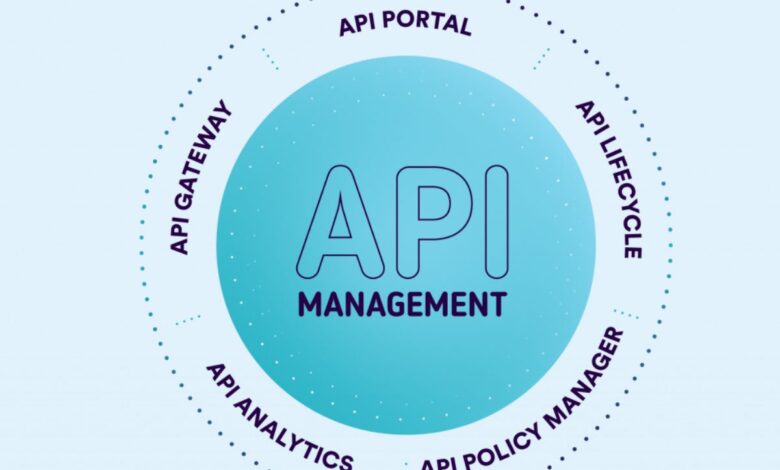
Introduction: The Strategic Imperative of API Management in 2026
In the modern digital economy, Application Programming Interfaces serve as the connective tissue binding together the vast ecosystem of applications, services, and data that power contemporary business operations. APIs enable mobile applications to communicate with backend servers, allow third-party developers to build on top of platform capabilities, facilitate seamless integrations between disparate systems, and create entirely new business models through API-as-a-product offerings. As organizations increasingly expose their core business capabilities through APIs, the importance of effective API management has transcended technical necessity to become a strategic business imperative.
This comprehensive guide examines the ten leading API management platforms dominating the market in 2026. We explore each platform’s architectural approach, core capabilities, distinctive strengths, recent innovations, ideal use cases, and pricing considerations. Whether you operate a startup seeking to expose your first public APIs, a mid-market company building an integration strategy, or a global enterprise managing thousands of APIs across hybrid cloud environments, this guide provides the insights needed to make an informed platform selection.
1. Google Apigee
Google Apigee stands as one of the most mature and feature-rich API management platforms available, serving enterprises that require comprehensive capabilities for managing complex API programs at scale. Originally founded as an independent company before being acquired by Google in 2016, Apigee brings over a decade of API management expertise combined with the infrastructure capabilities of Google Cloud Platform.
Platform Architecture and Core Capabilities
Apigee provides a full-featured platform encompassing every aspect of the API lifecycle. The platform’s architecture centers on API proxies that sit between API consumers and backend services, providing a layer where security, transformation, routing, and policy enforcement occur. Apigee is a full-featured API management platform with a robust policy layer for security, traffic management, mediation, analytics, and monetization across cloud and hybrid environments. The platform supports REST, gRPC, GraphQL, and SOAP protocols, accommodating diverse integration patterns and legacy systems.
Apigee’s developer portal capabilities enable organizations to create branded, self-service portals where developers can discover APIs, read comprehensive documentation, test endpoints interactively, register applications, and manage subscriptions. The portal supports customization to align with corporate branding and can be extended with additional functionality as needed. This developer-centric approach reduces friction in API adoption and enables organizations to build thriving developer ecosystems around their APIs.
The platform’s analytics capabilities provide deep insights into API usage, performance, and business metrics. Organizations can analyze key metrics such as total traffic, average transactions per second, request and response latencies, and custom business dimensions directly from the API details page. These analytics support both operational monitoring and business decision-making, enabling teams to identify performance bottlenecks, understand usage patterns, and optimize API offerings based on actual consumption data.
Recent Platform Innovations
The October 2025 release introduced API insights, which provides a unified view of API traffic and performance across all connected gateways, supporting data sources from Apigee, Apigee hybrid, and Apigee Edge implementations. This capability enables organizations with distributed API infrastructure to gain a holistic understanding of their API ecosystem’s health and quickly identify optimization opportunities.
The new open-source Apigee Feature Templater streamlines API proxy authoring by turning complex policies into reusable building blocks called features. Non-experts can quickly assemble robust proxies, including AI Gateways, security policies, and data masking configurations, using simple command-line interface or REST commands. This innovation democratizes API development by enabling broader teams to compose APIs without deep expertise in Apigee’s policy framework.
The September 2025 release made the ApigeeBackendService resource for the Apigee Operator for Kubernetes generally available, enabling integration with the Google Kubernetes Engine Inference Gateway. This integration allows organizations to leverage Apigee’s full suite of features to manage, govern, and monetize AI workloads through APIs, positioning Apigee as a critical component in AI application architectures.
AI and Modern Workload Support
Apigee has invested significantly in supporting AI-driven applications and modern architectural patterns. The platform now includes specialized capabilities for managing APIs that front large language models and AI services, with features for token-based rate limiting, cost optimization, and intelligent routing across multiple AI providers. Organizations building AI-powered applications can use Apigee to control access, monitor consumption, and ensure reliable service delivery even as AI workloads introduce new scaling and cost challenges.
The platform’s hybrid deployment model allows organizations to run API runtime components in their own Kubernetes clusters while maintaining centralized management through Google Cloud. This approach addresses data residency requirements, reduces latency for on-premises systems, and provides control over sensitive workloads while still benefiting from cloud-based management capabilities.
Ideal Customer Profile
Apigee serves best the needs of large enterprises managing complex API programs with hundreds or thousands of APIs spanning multiple environments. Organizations in regulated industries such as financial services, healthcare, and government appreciate Apigee’s comprehensive security features, detailed audit capabilities, and support for compliance requirements. Companies pursuing API-as-a-product strategies benefit from Apigee’s monetization features, which support various billing models including pay-per-use, tiered pricing, and quota-based plans.
The platform’s integration with Google Cloud services provides additional value for organizations already invested in the Google ecosystem. Teams can leverage native integration with Google Cloud services like BigQuery for advanced analytics, Cloud Logging for centralized log management, and Google Kubernetes Engine for container orchestration. However, Apigee’s capabilities extend beyond Google Cloud, supporting hybrid deployments and multi-cloud scenarios effectively.
Pricing and Investment Considerations
Apigee subscription tiers are tied to call volume and feature set, and include monetization tools. While specific pricing varies based on deployment model and requirements, organizations should expect significant investment commensurate with Apigee’s enterprise positioning and comprehensive capabilities. The total cost of ownership includes not just licensing but also implementation services, training, and ongoing operational resources. Organizations typically engage Google Cloud partners or professional services for initial deployment and may maintain dedicated API management teams.
2. Kong Gateway
Kong has established itself as the industry’s most trusted open-source API gateway, combining the flexibility and community support of open-source software with enterprise-grade capabilities for organizations that demand performance, scalability, and control. Originally built on NGINX and now operating as both community and commercial offerings, Kong serves organizations ranging from startups to Fortune 500 enterprises.
Open Source Foundation and Enterprise Extensions
Kong Gateway is the fastest, most flexible, and most trusted open-source API gateway, designed to accelerate development and delivery of APIs and microservices. The platform’s open-source core provides essential API gateway functionality including request routing, authentication, rate limiting, transformation, and observability, all available without licensing costs. This open-source foundation has fostered a vibrant community of developers who contribute plugins, share best practices, and extend the platform’s capabilities.
Kong Enterprise builds on the open-source foundation by adding capabilities that enterprises require for production deployments at scale. These include a comprehensive management interface for configuring the gateway without editing configuration files directly, a developer portal that enables self-service API discovery and subscription, advanced security features including role-based access control and secrets management, enterprise support with guaranteed response times and technical account management, and centralized analytics and reporting across distributed gateway deployments.
Plugin Architecture and Extensibility
Kong’s distinctive plugin architecture enables organizations to extend gateway functionality for unique requirements. Kong offers sixty-plus official plugins plus a vibrant marketplace, covering authentication methods, security policies, traffic control, transformations, logging, and integrations with external systems. Organizations can implement custom plugins using Kong’s Plugin Development Kit, which supports development in Lua, Go, Python, and JavaScript.
The platform’s plugin ecosystem addresses diverse use cases efficiently. Authentication plugins support OAuth, JWT, API keys, LDAP, and custom schemes. Security plugins provide threat protection, bot detection, IP restriction, and request validation. Traffic control plugins enable rate limiting, request size limiting, and response caching. Transformation plugins support request and response modification, correlation ID injection, and protocol translation. This modular approach allows organizations to compose exactly the capabilities they need without carrying unnecessary overhead.
Cloud-Native and Kubernetes Integration
Kong Ingress Controller allows teams to configure Kong Gateway the same way as Kubernetes, implementing traffic management, transformations, and observability across Kubernetes clusters with zero downtime. This native Kubernetes integration makes Kong particularly attractive for organizations pursuing cloud-native architectures built around containers and microservices. The Ingress Controller translates Kubernetes-native resource definitions into Kong configurations, enabling teams to manage API gateway policies using familiar Kubernetes patterns and GitOps workflows.
Kong’s architecture supports flexible deployment patterns including centralized deployments where a single gateway cluster serves multiple applications, distributed deployments where gateway instances run close to backend services, and hybrid deployments that combine control plane functionality in the cloud with data plane components in multiple environments. This flexibility enables organizations to optimize for their specific requirements around latency, data residency, and operational models.
Recent Developments
Kong has announced end-of-life phases for older versions, with Kong Gateway Enterprise 3.8 entering sunset support focused on helping customers upgrade to current versions. The company continues investing in new capabilities, with recent releases adding enhanced data orchestration, expanded cloud provider support, and improved integration with event streaming platforms. Kong’s commitment to maintaining compatibility while advancing the platform reflects its maturity and enterprise focus.
Best Use Cases
Kong excels for organizations building microservices architectures who need a lightweight, high-performance gateway that integrates natively with Kubernetes. Technology companies and digital-native businesses appreciate Kong’s developer-friendly approach and extensive plugin ecosystem. Organizations seeking to avoid vendor lock-in value Kong’s open-source foundation and portability across cloud providers and on-premises infrastructure. Teams with strong technical capabilities can leverage Kong’s flexibility to build exactly the API infrastructure they need.
Commercial Considerations
Kong open source is free but organizations must factor in operational time, while Kong Enterprise adds role-based access control, developer portal functionality, and costs per node. Organizations can start with the open-source version to validate Kong’s fit for their requirements before engaging with Kong’s commercial offerings. Kong Enterprise pricing follows a subscription model based on deployment scale, with costs scaling as API traffic and infrastructure expand.
3. AWS API Gateway
Amazon Web Services API Gateway represents the default choice for many organizations already operating within the AWS ecosystem, providing deep integration with AWS services and a fully managed deployment model that eliminates infrastructure management overhead. As a foundational AWS service, API Gateway has evolved to support diverse use cases from simple REST APIs to complex enterprise integration scenarios.
Integration with AWS Ecosystem
AWS API Gateway’s greatest strength lies in its seamless integration with the broader AWS service portfolio. The gateway integrates natively with AWS Lambda for serverless backend implementations, enabling organizations to expose Lambda functions as APIs without managing servers. Integration with Amazon Cognito provides user authentication and authorization capabilities that scale automatically. AWS Identity and Access Management enables fine-grained access control based on AWS principals and policies. Amazon CloudWatch provides monitoring, logging, and alerting built into the AWS management experience.
This tight integration enables rapid development of API-driven applications entirely within AWS. Developers can define an API in API Gateway, implement backend logic in Lambda, secure access with Cognito, store data in DynamoDB, and monitor everything through CloudWatch, all using familiar AWS tools and patterns. This cohesive experience reduces development friction and accelerates time to market for organizations committed to AWS.
API Types and Capabilities
AWS API Gateway supports multiple API types optimized for different use cases. REST APIs provide full-featured API management with comprehensive transformation capabilities, multiple authentication options, and request validation. HTTP APIs offer a lower-cost, higher-performance option optimized for simple proxy scenarios where advanced features are unnecessary. WebSocket APIs enable bidirectional communication for real-time applications like chat, gaming, and streaming dashboards. These different API types allow organizations to optimize cost and performance based on specific requirements.
The platform provides request transformation capabilities through VTL (Velocity Template Language) mapping templates that can modify requests and responses, validate input, and route to different backend integrations based on request characteristics. While powerful, these transformation capabilities require learning AWS-specific templating syntax that differs from other platforms. Organizations often find that while simple transformations work well, complex scenarios become challenging to implement and maintain.
Pricing Model and Cost Considerations
AWS API Gateway uses request-based pricing plus optional caching, with egress billed separately. This consumption-based model means costs scale directly with API usage, which provides cost efficiency for lower-volume APIs but can become expensive as traffic grows. Organizations must carefully monitor API usage and consider implementing caching strategies to reduce backend invocations and associated costs. The pricing model’s transparency makes costs predictable but requires ongoing optimization as usage patterns evolve.
Limitations and Considerations
While AWS API Gateway provides significant value for AWS-centric organizations, several limitations warrant consideration. AWS API Gateway is deeply integrated with the AWS ecosystem, from IAM for security to Lambda for custom authorizers and Cognito for user management, creating tight coupling that makes it difficult and costly to migrate services or adopt a multi-cloud strategy. This vendor lock-in becomes problematic for organizations pursuing multi-cloud architectures or those who may need to migrate workloads away from AWS.
The widespread outage in late October 2025 affecting core services including API Gateway demonstrated the risk of relying entirely on a single vendor’s managed services, creating a critical single point of failure that can halt business operations. Organizations concerned about resilience increasingly implement multi-cloud strategies or maintain backup infrastructure to mitigate this risk.
Amazon API Gateway is criticized for its high costs and complex configurations requiring in-depth AWS knowledge, with demand for better documentation, real-time monitoring, improved pricing for high data volumes, and enhancements to the user interface and governance features. Organizations pursuing AWS API Gateway should ensure their teams have strong AWS expertise or plan to invest in training and potentially external consultancy.
Ideal Customer Profile
AWS API Gateway serves best organizations already deeply invested in AWS who want to leverage native integrations and minimize operational overhead through fully managed services. Startups and small teams building serverless applications on AWS benefit from the rapid development enabled by tight Lambda integration. Enterprises with AWS-first strategies can use API Gateway as a consistent entry point across their AWS-deployed services.
4. Microsoft Azure API Management
Microsoft Azure API Management (APIM) provides a comprehensive API management platform designed specifically for organizations operating within the Microsoft ecosystem, though its capabilities extend effectively beyond Azure infrastructure. The platform combines enterprise-grade features with tight integration across Microsoft’s cloud and enterprise software portfolio.
Platform Capabilities and Architecture
Azure API Management is a hybrid, multicloud management platform for APIs across all environments, helping organizations publish, secure, maintain, and analyze their multiple APIs in one platform. The platform supports various deployment models including fully managed cloud-hosted gateways, self-hosted gateways that run in customer-controlled environments, and hybrid configurations that span both approaches. This flexibility addresses diverse requirements around data residency, latency, and operational control.
The platform provides centralized control over API security, routing, and transformation, with built-in rate limiting and throttling to manage traffic flow effectively. Azure APIM’s policy framework enables organizations to implement sophisticated logic for request validation, transformation, routing, caching, and error handling using XML-based policy definitions. While the XML syntax requires some learning curve, it provides powerful capabilities for complex scenarios.
Developer Experience and Portal
Azure APIM offers a self-service portal featuring comprehensive API documentation, streamlined subscription management, and intuitive discovery and testing tools. The developer portal can be customized extensively to match corporate branding and workflows, providing external developers with a professional interface for discovering and consuming APIs. Built-in capabilities for API testing, code generation, and interactive documentation reduce friction in API adoption.
The platform’s integration with Azure Active Directory enables organizations to leverage existing identity infrastructure for API authentication and authorization. This integration means developers can use their corporate credentials to access developer portals and APIs, while API publishers can implement fine-grained access controls based on Active Directory groups and attributes. For organizations already using Azure AD, this integration eliminates the need to maintain separate identity systems for API management.
Performance and Analytics
Azure APIM employs API acceleration techniques and caching mechanisms, coupled with real-time analytics and customizable monitoring dashboards for optimal performance insights. The platform’s caching capabilities can dramatically reduce backend load and improve response times for cacheable operations. Built-in analytics provide visibility into API usage patterns, performance characteristics, and error rates, enabling teams to optimize APIs based on actual consumption data.
Azure’s global infrastructure enables organizations to deploy API gateways close to consumers worldwide, reducing latency and improving user experience. Multi-region deployments can be configured for high availability and disaster recovery, ensuring API availability even in the event of regional outages. These enterprise-grade operational capabilities make Azure APIM suitable for mission-critical API scenarios.
Integration with Microsoft Ecosystem
Azure APIM’s deepest value proposition comes from integration with Microsoft’s broader portfolio. Organizations using Microsoft products extensively benefit from unified authentication across Azure AD, integration with Microsoft Power Platform for low-code API consumption, connections to Azure Monitor for comprehensive observability, and consistency with other Azure services in terms of management and billing. This cohesive experience reduces complexity for organizations standardized on Microsoft technology.
Microsoft Azure API Management is known for its robust integration with Azure services and Active Directory, providing a secure platform with strong API gateway features. Organizations building applications on Azure can use APIM as a consistent API layer across their Azure services, whether those services run on virtual machines, containers, serverless functions, or managed platform services.
Pricing and Value
Azure APIM pricing follows a tiered model with different service tiers offering varying levels of performance, features, and support. The consumption tier provides pay-per-execution pricing suitable for lower-volume scenarios, while the developer, basic, standard, and premium tiers offer dedicated infrastructure with increasing capacity and capabilities. Organizations should evaluate their expected API traffic and required features to select the appropriate tier, understanding that costs can become significant at higher tiers with premium features.
Best Suited For
Organizations already using Azure find that Azure API Management is much easier and helps save time while also being able to manage and deploy API services. Enterprises standardized on Microsoft technology stacks gain maximum value from Azure APIM’s native integrations and consistent management experience. Organizations in industries with strict compliance requirements appreciate Azure’s comprehensive compliance certifications and audit capabilities. However, organizations pursuing multi-cloud strategies or those primarily invested in other cloud platforms may find Azure APIM’s Microsoft-centric approach limiting.
5. MuleSoft Anypoint Platform
MuleSoft, now part of Salesforce, provides one of the most comprehensive API management and integration platforms available, combining API management capabilities with powerful enterprise integration functionality. The Anypoint Platform addresses both API management and integration requirements within a unified environment, making it particularly attractive for organizations with complex integration landscapes.
Unified API and Integration Platform
MuleSoft provides comprehensive API management capabilities that help organizations operate and scale their API programs efficiently, offering an API gateway for unlocking and managing services securely. The platform’s API management capabilities encompass the full API lifecycle from design through retirement, with tools for API specification, implementation, testing, deployment, security, and analytics. What distinguishes MuleSoft is the tight integration between API management and the broader Anypoint Platform capabilities for application integration, data integration, and workflow automation.
This unified approach means organizations can use MuleSoft to expose integrations as APIs, implement API backends using visual integration flows, apply consistent security policies across APIs and integrations, and manage both API consumption and integration workloads from a single platform. For enterprises dealing with complex integration requirements alongside API management needs, this consolidation provides significant value.
API-Led Connectivity Methodology
MuleSoft champions an architectural approach called API-led connectivity, which organizes APIs into three layers. System APIs provide connectivity to underlying systems of record, abstracting the complexity of backend integration. Process APIs implement business logic and orchestrate multiple system APIs to execute business processes. Experience APIs present data and functionality optimized for specific consumption channels like mobile apps, web applications, or partner integrations. This layered approach promotes reusability, maintainability, and agility in API development.
The platform’s Design Center enables collaborative API specification using OpenAPI standards, with visual tools that make API design accessible to business analysts alongside technical architects. API fragments support reusable specification components that can be shared across multiple API definitions, promoting consistency and reducing duplication. This emphasis on design-first API development helps organizations maintain API quality and consistency as their API programs scale.
Enterprise Integration Capabilities
MuleSoft’s powerful API and integration management capabilities, unified platform for designing, developing, and managing APIs and data flows, pre-built connectors, drag-and-drop interface, and centralized management ease integration tasks. The platform includes hundreds of pre-built connectors for popular enterprise applications, databases, and protocols, enabling rapid integration development. DataWeave, MuleSoft’s data transformation language, provides sophisticated capabilities for transforming data between formats, applying business rules, and enriching data from multiple sources.
Organizations can implement API backends entirely within MuleSoft using visual integration flows, or MuleSoft can serve as an API gateway for APIs implemented externally. This flexibility allows organizations to choose the implementation approach that best fits each API while maintaining consistent management and governance across all APIs regardless of implementation technology.
Salesforce Integration and Recent Innovation
As part of Salesforce, MuleSoft benefits from deep integration with the Salesforce ecosystem and investment in AI-driven capabilities. Organizations using Salesforce can leverage MuleSoft to integrate Salesforce with other enterprise systems, expose Salesforce data through governed APIs, and build custom applications that span Salesforce and external systems. Recent innovations have focused on enabling AI agents to trigger secure API calls across systems, positioning MuleSoft as what Salesforce calls its agentic AI spine.
Ideal Customer Profile
MuleSoft serves best large enterprises with complex integration requirements spanning multiple systems including cloud applications, on-premises infrastructure, legacy mainframes, and partner networks. Organizations undergoing digital transformation initiatives that require both API management and enterprise integration capabilities benefit from MuleSoft’s comprehensive approach. Financial services, healthcare, retail, and manufacturing organizations with substantial existing IT investments appreciate MuleSoft’s ability to unlock value from legacy systems through modern API interfaces.
The platform requires significant investment in both licensing and skilled personnel. Organizations should expect to hire or train MuleSoft developers and architects, implement governance processes appropriate for enterprise-scale API programs, and potentially engage MuleSoft professional services or certified partners for complex implementations.
Cost Considerations
MuleSoft pricing is complex, with plans differing depending on specific needs, and costs such as Anypoint Flex Gateway depending on the volume of API requests. Organizations should engage with MuleSoft sales to understand pricing based on their specific requirements, including expected API volumes, number of API consumers, deployment environments, and required capabilities. While MuleSoft represents a significant investment, organizations with substantial integration needs often find the total cost of ownership favorable compared to maintaining multiple point integration solutions and custom-developed integration code.
6. WSO2 API Manager
WSO2 API Manager stands as one of the most respected open-source API management platforms, providing comprehensive capabilities for the full API lifecycle while maintaining complete transparency and freedom from vendor lock-in. Founded in 2005, WSO2 has built a strong reputation in enterprise middleware and API management, serving thousands of organizations globally across regulated industries.
Open Source Philosophy and Architecture
WSO2 API Manager is an open-source, full lifecycle API management platform that helps organizations create, manage, secure, and analyze APIs and API products across any environment. The platform’s commitment to open source provides transparency into how the platform operates, freedom to customize and extend the platform for unique requirements, and independence from proprietary vendor lock-in. Organizations can deploy WSO2 API Manager without licensing fees, though commercial support and managed services are available for enterprises requiring guaranteed service levels and expert assistance.
This release introduces a unified control plane that manages APIs, security policies, and traffic across multiple gateways and gateway deployments from a single interface. This federated architecture enables organizations to define APIs once and deploy them across WSO2 gateways and third-party gateways including AWS API Gateway and Solace Broker. WSO2’s flexible adapter model enables seamless integration with external API gateways, providing a vendor-agnostic approach to API management.
Comprehensive Protocol and API Type Support
WSO2 API Manager supports multiple API types such as REST APIs, SOAP APIs, GraphQL APIs, and Async APIs including WebSockets and webhooks. This broad protocol support means organizations can manage all their API types through a single platform, rather than deploying separate solutions for different API styles. The platform handles legacy SOAP services alongside modern REST and GraphQL APIs, enabling organizations to provide consistent management and governance regardless of underlying technology choices.

The platform’s GraphQL support includes schema stitching, query complexity analysis, and rate limiting based on query characteristics, addressing the unique challenges of managing GraphQL APIs effectively. WebSocket API management provides connection management, message throttling, and analytics for real-time communication use cases. This comprehensive support positions WSO2 as suitable for diverse technical environments.
AI Gateway and Modern Workload Support
WSO2 API Manager already provides AI API Gateway support with token-based rate limits, AI analytics, and secure API management for AI services such as Azure OpenAI and Mistral. These capabilities enable organizations to enforce fine-grained access control, monitor API consumption, and optimize AI-powered workflows effectively. The March 2025 release introduced multi-model routing, allowing seamless request distribution across multiple AI models with intelligent load balancing, failover handling, and cost-efficient AI service utilization.
The platform’s AI-powered developer tools now include AI-assisted API design capabilities that help teams design APIs faster while maintaining consistency and best practices. These AI enhancements reflect WSO2’s commitment to supporting modern application architectures and emerging technology patterns.
Deployment Flexibility and Kubernetes Native Gateway
WSO2 Kubernetes Gateway, formerly known as APK Gateway, is a specialized Envoy-based API gateway built specifically for Kubernetes environments, fully supporting the Kubernetes Gateway API specification. Recent performance optimizations have reduced memory consumption in core components while delivering notable transaction throughput gains. The gateway now supports multi-model AI endpoints, enabling traffic distribution across different AI models with automatic load balancing and failover for AI-driven applications.
Organizations can deploy WSO2 API Manager in cloud environments, on-premises data centers, or hybrid configurations that span both, with support for containerized deployments on Kubernetes alongside traditional virtual machine or bare-metal installations. This deployment flexibility addresses diverse requirements around data residency, operational control, and infrastructure preferences.
Target Market
WSO2 is trusted for over a decade by global enterprises in banking, telecom, healthcare, and beyond, enabling digital innovation with the speed and scale today’s businesses demand. Organizations in regulated industries appreciate WSO2’s transparency, security capabilities, and deployment flexibility that enables meeting strict compliance requirements. Enterprises wanting complete control over their API management infrastructure without vendor lock-in find WSO2’s open-source model compelling.
WSO2 API Manager is valued for its open-source nature, high customizability, and strong API management lifecycle, supporting containerized solutions and allowing flexible and extendable implementations. However, WSO2 goes through complexity with patchy technical support and requires better documentation, with pricing and licensing that can be confusing despite being open-source. Organizations should plan for adequate internal expertise or engage with WSO2 partners for implementation support.
Pricing Model
WSO2 API Manager’s open-source nature means the software itself is free to download and deploy. Organizations bear costs for infrastructure, internal expertise to deploy and maintain the platform, and optionally commercial support from WSO2 or certified partners. For enterprises requiring guaranteed support levels, WSO2 offers commercial subscription offerings that provide technical support, regular updates, and access to WSO2 experts. This model often results in lower total cost of ownership compared to proprietary platforms, particularly for organizations with strong internal capabilities.
7. Tyk
Tyk represents a compelling middle ground in the API management landscape, providing enterprise-grade capabilities built on an open-source foundation while maintaining a developer-friendly approach that makes sophisticated API management accessible without overwhelming complexity. Since its founding in 2016, Tyk has grown to serve Fortune 500 companies, government agencies, and fast-growing technology companies managing billions of API transactions daily.
Open Source Gateway with Commercial Management
Tyk’s architecture separates the high-performance gateway component, which is open source, from the commercial management layer, developer portal, and advanced features. This approach enables organizations to deploy Tyk’s gateway at scale without licensing costs while optionally adding commercial components as requirements evolve. The gateway itself handles request routing, authentication, rate limiting, caching, and transformation at high performance, built on technology optimized for speed and efficiency.
Tyk is an open-source-first API gateway and management platform that includes the gateway, dashboard, developer portal, and a Kubernetes operator, with support for hybrid and multi-data center control planes. The platform runs on premises, in the cloud, or across multi-cloud estates, handling REST, gRPC, GraphQL, and WebSocket traffic with policy control, analytics, and declarative configuration options.
Hybrid and Multi-Cloud Capabilities
Tyk’s hybrid and multi-cloud deployment flexibility with centralized control and developer-friendly workflows across the gateway, dashboard, and portal make it particularly well-suited for organizations operating in multiple environments. Organizations can deploy gateway instances close to backend services for optimal performance while maintaining centralized management through Tyk’s cloud-based control plane or self-hosted dashboard. This hybrid approach addresses data residency requirements while simplifying operational management.
The platform’s multi-data center capabilities enable organizations to operate Tyk across multiple regions or cloud providers with synchronized configuration and unified analytics. This distribution supports global deployments where APIs must be available with low latency worldwide, while central management ensures consistent security and policy enforcement across all locations.
GraphQL and Advanced Protocol Support
Tyk provides particularly strong support for GraphQL APIs, with capabilities including schema stitching to combine multiple GraphQL services, field-level rate limiting to prevent abusive queries, query complexity analysis to identify potentially expensive operations, and depth limiting to protect against nested query attacks. These specialized GraphQL capabilities make Tyk attractive for organizations building GraphQL-first APIs or federating multiple GraphQL services.
The platform also supports gRPC APIs natively, enabling organizations to expose high-performance gRPC services alongside traditional REST APIs. This protocol flexibility means organizations can choose the most appropriate API style for each use case while maintaining consistent management and governance.
Developer Experience
Tyk is a powerful API gateway with broader management features, especially for internal or partner-facing APIs, providing observability, governance tools, API design features, and a developer portal. The platform’s intuitive dashboard provides graphical interfaces for common tasks while still supporting configuration-as-code for teams preferring GitOps workflows. This balance makes Tyk accessible to teams with varying technical backgrounds while meeting the requirements of sophisticated DevOps practices.
Tyk’s developer portal enables organizations to create branded portals where developers can discover APIs, read documentation, test endpoints, register applications, and obtain credentials. The portal supports customization through HTML, CSS, and JavaScript, enabling organizations to create unique developer experiences aligned with their brand and workflows.
Kubernetes Native Operations
Tyk’s Kubernetes native components, including an operator and Custom Resource Definitions, enable declarative API management that aligns with cloud-native development practices. Teams can define APIs, policies, and configuration as Kubernetes resources managed through standard Kubernetes tooling and CI/CD pipelines. This cloud-native approach reduces operational friction for teams already invested in Kubernetes.
Ideal Use Cases
Tyk excels for organizations requiring enterprise API management capabilities without the complexity and cost of heavyweight platforms. Mid-market companies building API programs appreciate Tyk’s balance of features and accessibility. Organizations pursuing multi-cloud or hybrid strategies value Tyk’s deployment flexibility and vendor-neutral approach. Technology companies and digital-native businesses seeking developer-friendly tooling find Tyk’s approach aligned with modern development practices.
Tyk offers usage-based, fully flexible pricing from early growth to enterprise scale deployments, enabling organizations to start modest and scale costs as their API programs grow. This pricing flexibility makes Tyk accessible across different organizational sizes and maturity levels.
8. IBM API Connect
IBM API Connect brings decades of enterprise middleware expertise to the API management domain, providing a comprehensive platform designed specifically for large enterprises with complex requirements around security, compliance, and integration with existing IBM technology investments. The platform combines API management capabilities with IBM’s broader integration and automation portfolio.
Enterprise-Grade Platform
IBM API Connect is a secure and reliable API management solution that helps organizations manage all their APIs from a single platform, packaging APIs for specific consumer markets and providing governance and version control. The platform supports the full API lifecycle from design through retirement, with sophisticated capabilities for API creation, security, analytics, developer portal, and monetization. IBM’s enterprise heritage shows in the platform’s emphasis on governance, security, and operational reliability.
The platform provides community management capabilities with self-service portals and subscription tools that enable organizations to build developer ecosystems around their APIs. IBM API Connect’s developer portal can be customized extensively and supports multiple developer communities with different access levels, enabling organizations to segment their APIs for different audiences such as internal developers, partner organizations, and public consumers.
Security and Compliance
IBM API Connect emphasizes security capabilities appropriate for enterprises in regulated industries. The platform provides comprehensive authentication and authorization mechanisms, threat protection against common API vulnerabilities, data encryption in transit and at rest, detailed audit logging for compliance and forensics, and fine-grained access controls for administrative functions. These security features address requirements in industries like financial services, healthcare, and government where security and compliance are paramount.
The platform’s gateway includes enterprise-grade threat protection that can defend against common attack patterns including SQL injection, cross-site scripting, and denial-of-service attacks. Rate limiting and quota management protect backend systems from being overwhelmed while ensuring fair access across API consumers. These protective measures are essential for APIs exposed to the internet or untrusted partners.
Integration with IBM Portfolio
Organizations invested in IBM technology gain additional value from API Connect’s integration with other IBM products. The platform integrates with IBM Cloud for cloud deployment, IBM App Connect for enterprise integration, IBM DataPower Gateway for high-performance message processing, and IBM Aspera for high-speed file transfer. This ecosystem approach provides comprehensive solutions for complex enterprise scenarios.
IBM API Connect can leverage existing IBM DataPower appliances as high-performance gateways, enabling organizations to protect their existing infrastructure investments while modernizing API management capabilities. DataPower’s specialized hardware acceleration provides exceptional performance for scenarios requiring high throughput and low latency.
Deployment Options
IBM API Connect pricing is available both as a software-as-a-service on Amazon Web Services starting at $83 per month, or as a single-tenant service hosted on IBM Cloud starting at $6,504 per month. Organizations can also deploy API Connect on-premises using their own infrastructure, providing maximum control for organizations with strict data residency or security requirements. This deployment flexibility accommodates diverse enterprise requirements.
Target Customers
IBM API Connect serves primarily large enterprises with substantial IBM technology investments who require comprehensive API management capabilities integrated with enterprise infrastructure. Organizations in financial services, insurance, government, and telecommunications with stringent security and compliance requirements appreciate IBM’s enterprise focus. Companies undergoing digital transformation who need to expose legacy systems through modern APIs benefit from IBM’s expertise in enterprise integration alongside API management.
The platform requires significant investment in both licensing and expertise. Organizations should plan for professional services engagement during implementation, training for administrators and developers, and ongoing operational resources. However, for enterprises with appropriate scale and requirements, IBM API Connect provides a battle-tested platform backed by IBM’s extensive support and services organization.
9. Postman
Postman has evolved from its origins as a developer tool for testing APIs into a comprehensive API platform that spans the entire API lifecycle. While Postman’s core strength remains in API development and testing, the platform now includes API management capabilities that make it relevant for organizations seeking to unify API development and management within a single environment.
Developer-First Platform
Postman operates as an API platform that aims to ease the process of building APIs and encouraging collaboration, utilized by developers and organizations worldwide to facilitate the creation of superior APIs more efficiently. The platform’s foundation in developer tooling means it emphasizes the development experience, providing intuitive interfaces for tasks that developers perform daily including designing API specifications, testing API endpoints, generating documentation, creating mock servers, and monitoring API performance.
Postman is the world’s leading API platform, used by more than forty million developers and 500,000 organizations to build, test, and manage APIs at scale. This enormous user base reflects Postman’s success in making API development accessible and efficient. The platform’s freemium model has enabled widespread adoption across individual developers, small teams, and large enterprises.
Collaboration and Workspaces
Postman’s workspace concept enables teams to organize APIs, collections, environments, and other resources in shared spaces where team members can collaborate effectively. Public, team, and private workspaces support different collaboration patterns, from open-source projects to confidential enterprise APIs. Version control built into the platform enables tracking changes, reverting to previous versions, and understanding the evolution of APIs over time.
The platform’s commenting and annotation features enable asynchronous collaboration where team members can discuss API designs, report issues, and share feedback directly within the context of specific APIs or requests. This collaborative environment reduces friction in API development by consolidating tools and communication.
API Governance and Standards
Postman provides governance capabilities that help organizations maintain consistency and quality across their API programs. API definition validation ensures specifications comply with standards like OpenAPI and organizational conventions. Style guides enable enforcement of naming conventions, response structures, and documentation standards. Security scanning identifies potential vulnerabilities in API designs before implementation. These governance features help larger organizations maintain control as their API programs scale.
The platform’s mock server capabilities enable teams to develop against API specifications before backend implementation is complete. Frontend developers can integrate with mocked APIs that behave according to specifications, enabling parallel development and reducing dependencies between frontend and backend teams. This capability accelerates development cycles and improves team productivity.
Monitoring and Testing
Postman’s monitoring capabilities enable scheduled execution of API tests to verify uptime, correctness, and performance characteristics from multiple global locations. Organizations can configure monitors to alert teams when APIs exhibit unexpected behavior, enabling proactive issue identification. While Postman’s monitoring is less comprehensive than specialized APM tools, it provides valuable capability for essential API health checks.
The platform’s testing framework enables sophisticated test scenarios that verify not just individual API calls but complete workflows spanning multiple APIs. Tests can validate response data, performance characteristics, and security attributes. Integration with CI/CD pipelines enables automated testing as part of build processes, ensuring API quality gates are enforced before deployment.
Limitations as API Management Platform
While Postman excels at API development, testing, and documentation, it provides less comprehensive API management capabilities compared to dedicated platforms like Apigee or Kong. Postman lacks sophisticated runtime gateway features like advanced rate limiting and traffic management, comprehensive threat protection and security policies, detailed analytics on API consumption patterns, and monetization capabilities for API-as-a-product scenarios. Organizations requiring these enterprise API management capabilities should consider Postman as part of their API development toolchain alongside a dedicated API management platform, rather than as a complete replacement.
Best Use Cases
Postman serves best organizations prioritizing developer productivity and API quality through comprehensive testing and documentation. Technology companies with strong developer cultures appreciate Postman’s developer-centric approach. Organizations in earlier stages of API maturity benefit from Postman’s accessibility and gentle learning curve. Teams seeking to improve collaboration between API producers and consumers find value in Postman’s workspace and documentation features.
For organizations needing comprehensive API management capabilities including runtime gateway, advanced security, detailed analytics, and monetization, Postman works best when combined with dedicated API management platforms rather than as a standalone solution.
10. Apache APISIX / API7
Apache APISIX represents a newer generation of cloud-native API gateway technology built specifically for modern architectures including microservices, containers, and serverless computing. Originally created by API7, APISIX has grown into a thriving Apache Software Foundation project while API7 provides commercial support and management capabilities for enterprises requiring production-grade operations.
Cloud-Native Architecture and Performance
Apache APISIX stands out with its exceptional performance-to-resource ratio, handling over 23,000 queries per second on a single node while maintaining low latency within 0.2 milliseconds. This outstanding performance comes from APISIX’s foundation built on NGINX and OpenResty, leveraging battle-tested technology optimized for speed. The architecture’s efficiency means organizations can handle significant API traffic with fewer resources, reducing infrastructure costs while improving response times.
The dynamic configuration system allows real-time changes without service disruption, a critical advantage in dynamic cloud environments. Unlike traditional gateways that require restarts when configuration changes, APISIX applies new routing rules, security policies, and plugins instantly. This capability enables continuous deployment practices where APIs can be updated, policies can be adjusted, and new features can be rolled out without downtime or maintenance windows.
Comprehensive Plugin Ecosystem
Apache APISIX’s comprehensive plugin ecosystem covers everything from authentication and security to traffic management and observability, while specialized AI Gateway features make it uniquely positioned for modern AI applications. The platform supports plugins written in Lua for maximum performance, alongside external plugins in languages including Go, Python, and Java. This extensibility enables organizations to implement custom logic for unique requirements without waiting for vendor feature development.
The plugin ecosystem includes authentication mechanisms supporting OAuth, JWT, API keys, and custom schemes, security plugins for rate limiting, IP restriction, and request validation, transformation plugins for request and response modification, observability plugins integrating with monitoring and logging systems, and AI-specific plugins for token management, model routing, and cost optimization. This breadth covers diverse enterprise requirements through modular, composable components.
Kubernetes Native and Service Mesh Integration
Apache APISIX integrates deeply with Kubernetes through the APISIX Ingress Controller, which implements the Kubernetes Ingress and Gateway API specifications. Organizations running applications on Kubernetes can use APISIX as their ingress controller, managing API policies through standard Kubernetes custom resources. This cloud-native approach aligns with modern DevOps practices and infrastructure-as-code methodologies.
The platform’s service mesh capabilities extend API management patterns to service-to-service communication within microservices architectures. APISIX can function as a sidecar proxy in service mesh deployments, providing observability, security, and traffic management for inter-service communication. This versatility means organizations can use a single technology for both north-south traffic (client to service) and east-west traffic (service to service).
AI Workload Optimization
API7 has positioned itself at the cutting edge of API management by focusing specifically on optimizing for modern workloads, particularly AI-driven applications, with the platform’s specialized AI Gateway for AI Agents and LLMs providing distinct advantages. Features including intelligent request routing across multiple AI providers, token-based rate limiting optimized for LLM consumption patterns, cost optimization through model selection and caching, and comprehensive observability for AI request patterns address the unique challenges of managing AI-powered APIs.
Organizations building applications on top of large language models face distinct challenges around cost management, latency optimization, and reliability. APISIX’s AI-specific capabilities help manage these challenges, enabling organizations to build production-grade AI applications with confidence.
Commercial Support Through API7
While Apache APISIX itself is open source and free, API7 provides commercial support, enterprise features, and managed services for organizations requiring production-grade operations. API7 distinguishes itself with a specialized focus on high-performance API gateway technology and comprehensive API management capabilities, particularly for AI-driven workloads, with its open-source foundation combined with enterprise features making it an exceptionally flexible and cost-effective choice.
API7’s commercial offerings include a management console for multi-cluster governance, enhanced observability and analytics, enterprise-grade support with guaranteed response times, professional services for implementation and optimization, and security scanning and compliance tooling. These commercial additions address enterprise requirements while maintaining APISIX’s open-source foundation.
Ideal Customer Profile
Apache APISIX and API7 serve best organizations building cloud-native architectures on Kubernetes who value performance and efficiency. Technology companies and digital-native businesses appreciate APISIX’s modern architecture and extensibility. Organizations building AI-powered applications benefit from specialized AI gateway capabilities. Teams seeking to avoid vendor lock-in while still receiving enterprise support find the open-source foundation with commercial options compelling.
Users consistently praise API7 for its exceptional performance, flexibility, and specialized AI capabilities, with the open-source foundation and extensive plugin ecosystem frequently cited as key advantages. However, as a newer platform, APISIX has a smaller ecosystem of third-party integrations and less extensive enterprise track record compared to established platforms like Apigee or Kong.
Conclusion: Selecting Your API Management Platform for Success
The API management platform you select will serve as critical infrastructure supporting your digital initiatives for years. This decision influences how quickly you can innovate, how effectively you can secure sensitive capabilities, how reliably you can serve customers and partners, and how comprehensively you can understand and optimize API usage. Given the strategic importance, platform selection deserves careful consideration of your specific requirements, constraints, and strategic direction.

The ten platforms examined in this guide each serve distinct market segments and use cases with different strengths, trade-offs, and ideal customer profiles. Google Apigee provides comprehensive enterprise capabilities with deep Google Cloud integration, suitable for large organizations managing sophisticated API programs. Kong offers high-performance, flexible API gateway technology built on open-source foundations with enterprise extensions, appealing to organizations seeking control and avoiding vendor lock-in. AWS API Gateway delivers fully managed API infrastructure deeply integrated with AWS services, optimal for organizations committed to the AWS ecosystem. Microsoft Azure API Management provides enterprise API management integrated throughout the Microsoft technology stack, serving organizations standardized on Azure and Microsoft products.