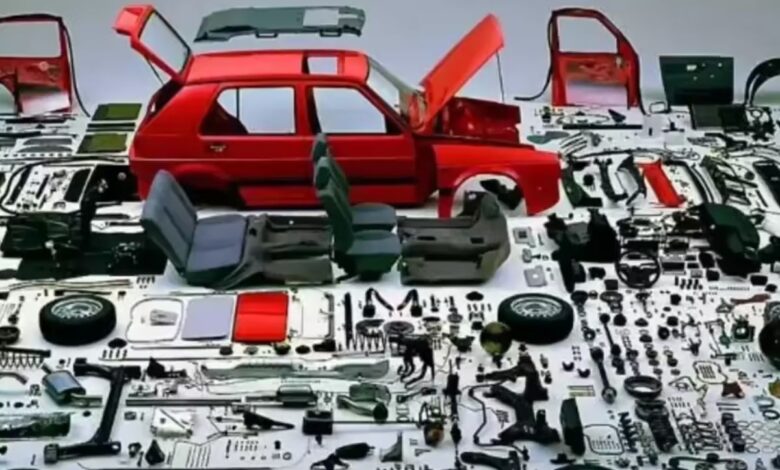
The global automotive components industry represents one of the most complex and interconnected manufacturing ecosystems in the world economy. As we progress through 2026, automotive parts exports have become a crucial indicator of industrial competitiveness, technological advancement, and economic vitality for nations across the globe. Understanding which countries and regions dominate this trade provides essential insights into the future direction of automotive manufacturing, the transition to electric mobility, and the reshaping of global supply chains in response to geopolitical and technological forces.
This comprehensive analysis examines the ten leading automotive component exporters that are shaping the global industry in 2026, exploring how they achieved their dominant positions, what advantages they leverage, and how they are adapting to the profound changes reshaping automotive technology and manufacturing. Understanding these leading exporters provides essential context for anyone seeking to grasp the dynamics of modern automotive manufacturing, whether as an industry participant, investor, policymaker, or informed observer of global economic trends.
The Top 10 Auto Component Exporters Dominating 2026
1. Germany
Germany maintains its position as the world’s leading automotive component exporter, with shipments valued at approximately 63.8 billion dollars in 2024, representing fourteen percent of global automotive parts exports. This leadership position reflects Germany’s long-established automotive engineering excellence, its concentration of globally dominant component suppliers, and its central position within European manufacturing networks that facilitate efficient distribution of components across the continent.
German component exports are characterized by their technological sophistication and premium positioning. Companies headquartered in Germany, including Robert Bosch, Continental, ZF Friedrichshafen, and others, represent some of the largest and most technologically advanced automotive suppliers globally. These companies have built reputations for engineering excellence, product quality, and innovation that command premium prices and secure them positions as preferred suppliers to vehicle manufacturers worldwide. The German automotive component sector employs hundreds of thousands of workers in highly skilled positions, representing a core element of Germany’s industrial base and export competitiveness.
However, Germany’s component export performance has faced headwinds in recent years. Export values declined by approximately 5.6 percent from 2023 to 2024, reflecting challenges including the slower-than-expected transition to electric vehicles in key export markets, increased competition from lower-cost producers particularly in Asia, and economic slowdowns in major customer markets. German component suppliers are responding through significant investments in electrification technologies, software capabilities, and advanced manufacturing processes designed to maintain their technological leadership even as product mix shifts away from traditional internal combustion components toward electric and electronic systems.
The German component sector benefits from several structural advantages that should sustain its competitive position. The country’s deep pool of engineering talent, world-class research institutions, and culture of manufacturing excellence create an environment conducive to continuous innovation. The clustering of automotive companies, suppliers, and research organizations facilitates knowledge sharing and collaboration that accelerates development. Germany’s position within the European Union provides preferential access to the large European automotive market while its strong relationships with vehicle manufacturers globally ensure demand for German-engineered components.
2. China
China has emerged as the second-largest automotive component exporter globally, with shipments exceeding sixty billion dollars in 2024 and growing at a six percent annual rate even as many established exporters face declining volumes. This remarkable ascent reflects China’s strategic investments in automotive manufacturing capabilities, its dominance in electric vehicle production and battery technologies, and its increasingly sophisticated engineering and design capabilities that enable Chinese suppliers to compete not just on cost but also on quality and innovation.
What distinguishes China’s component export growth is its concentration in next-generation technologies rather than traditional internal combustion components. China has become the global center for lithium-ion battery production, with Chinese companies dominating the battery cell manufacturing that represents perhaps the single most valuable component in electric vehicles. Chinese suppliers have also built strong positions in electric motors, power electronics, and other electrification components. This strategic focus on emerging technologies positions China to capture growing shares of component trade as the industry’s product mix shifts toward electrification.
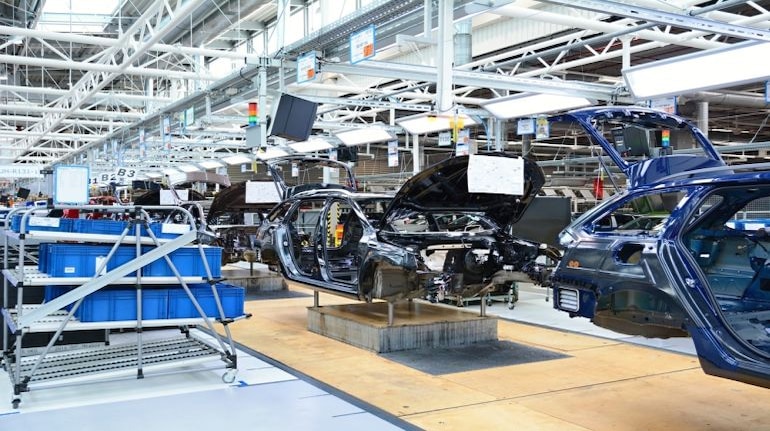
China’s component exports have been driven by several factors working in combination. The Chinese government has provided substantial support for domestic automotive and component industries through subsidies, preferential financing, and policies designed to encourage technology development and scaling of production. Chinese companies have invested heavily in manufacturing automation and process improvement, closing quality gaps with established competitors. Chinese suppliers increasingly serve not just domestic vehicle manufacturers but also international brands that appreciate the combination of competitive pricing, improving quality, and proximity to China’s massive automotive market.
The country’s emergence as the world’s largest automobile exporter overall, surpassing Japan in 2023, provides additional momentum for component exports. As Chinese vehicle manufacturers expand their global presence, they often bring Chinese component suppliers with them, establishing new relationships and proving the capability of Chinese components in demanding international markets. The rapid growth of Chinese electric vehicle brands like BYD and their expanding international sales create natural demand for Chinese-produced electric vehicle components.
3. United States
The United States ranks as the third-largest automotive component exporter, with shipments valued at approximately fifty-seven billion dollars in 2024. However, American component exports declined by about five percent from 2023 to 2024, reflecting challenges in maintaining export competitiveness against lower-cost producers and shifts in global automotive production patterns that reduce demand for components from American suppliers.
American component exports benefit from several distinctive strengths. The United States hosts major global automotive component companies, including operations of international suppliers and domestically headquartered firms, that leverage American engineering talent and manufacturing capabilities. The country’s leadership in certain technologies, particularly in electronics, software, and advanced materials, provides competitive advantages in high-value components that incorporate these technologies. American suppliers to premium and luxury vehicle manufacturers often secure positions based on technical capability and quality rather than cost competitiveness alone.
The North American automotive market, encompassing the United States, Mexico, and Canada, operates as an integrated production system under the USMCA trade agreement. Many American component exports flow to assembly plants in Mexico or Canada, where they become incorporated into vehicles subsequently exported to the United States or to third countries. This regional integration complicates simple export statistics but reflects the reality that components often cross borders multiple times during the production process. Understanding American component exports requires recognizing this North American production network rather than viewing the United States in isolation.
American component manufacturers face challenges from high labor costs relative to competitors in Mexico, China, and other lower-wage countries. These cost pressures have driven substantial investment in automation and have encouraged American suppliers to focus on components where labor content is modest or where technological sophistication justifies premium pricing. The transition to electric vehicles creates both opportunities and risks for American suppliers, as traditional strengths in internal combustion components become less relevant while new opportunities emerge in electric powertrains, batteries, and associated electronics.
4. Mexico
Mexico has established itself as a major automotive component exporter, with shipments valued at approximately fifty-five billion dollars in 2024, representing steady growth of 4.6 percent from the previous year. Mexico’s success in automotive component exports reflects its strategic position within North American manufacturing networks, its competitive labor costs compared to the United States and Canada, and substantial investments by both international component suppliers and Mexican companies in manufacturing capabilities.
The Mexican automotive component sector benefits from several powerful advantages. The country’s proximity to the large American automotive market minimizes logistics costs and facilitates close coordination between suppliers and assembly plants. The USMCA trade agreement provides preferential access to the North American market, making Mexico an attractive location for suppliers seeking to serve American and Canadian vehicle manufacturers. Mexican manufacturing wages, while higher than in many Asian countries, remain substantially below American levels while offering better logistics access to North American customers than Asian production.
)
Mexico has attracted massive foreign investment in automotive component manufacturing over the past two decades. Global suppliers including Bosch, Continental, Denso, Magna, and others operate substantial manufacturing operations in Mexico, producing components both for the local automotive market and for export throughout North America and beyond. These investments have built sophisticated manufacturing capabilities and have created an ecosystem of suppliers, skilled workers, and supporting industries that reinforce Mexico’s competitive position.
The Mexican component sector encompasses both high-technology operations producing advanced electronics and powertrain components and labor-intensive operations producing components like wiring harnesses where Mexico’s labor cost advantages provide competitive edge. This diversity across the technology spectrum provides resilience and positions Mexico to participate across the full range of automotive components rather than being limited to narrow specializations.
5. Japan
Japan exports approximately fifty billion dollars worth of automotive components annually, maintaining its position among the top five global exporters despite facing a five percent decline in export values from 2023 to 2024. Japanese component exports reflect the country’s long-established automotive excellence, the global operations of major Japanese component suppliers like Denso Corporation and Aisin Corporation, and Japan’s particular strengths in precision manufacturing, quality control, and continuous improvement methodologies.
Japanese component suppliers pioneered many of the quality management and manufacturing practices that have become standard throughout the automotive industry globally. The Toyota Production System and related lean manufacturing approaches developed in Japan transformed how automotive components are manufactured and how supply chains operate. Japanese suppliers brought these methodologies to operations worldwide as they globalized, contributing to improvements in quality and efficiency across the industry beyond just their own operations.
Japan’s component export performance has been challenged by several factors in recent years. The strong Japanese yen at various periods has made Japanese exports less price competitive compared to alternatives from countries with weaker currencies. The globalization of Japanese automotive manufacturers, who increasingly produce vehicles close to end markets rather than exporting from Japan, has reduced demand for Japanese-produced components. Japanese suppliers have responded by establishing substantial manufacturing operations outside Japan, effectively shifting production closer to customers rather than exporting from Japan.
Despite these challenges, Japan maintains particular strengths in certain component categories where Japanese engineering excellence and manufacturing precision provide competitive advantages. Japanese suppliers dominate in hybrid vehicle components, reflecting Japan’s leadership in hybrid technology through Toyota and other Japanese manufacturers. Japanese companies maintain strong positions in advanced electronics, sensors, and mechatronic components that combine mechanical and electronic functionality. The cultural emphasis on quality and continuous improvement continues to differentiate Japanese suppliers in segments where these attributes matter most.
6. South Korea
South Korea has built a significant automotive component export capability, with annual shipments valued at approximately forty-eight billion dollars. Korean component exports are driven primarily by Hyundai Mobis and other suppliers supporting Korean vehicle manufacturers Hyundai and Kia, but increasingly Korean suppliers serve international customers and have established themselves as competitive alternatives to established suppliers from other countries.
Korean component suppliers have benefited from the global success of Hyundai and Kia, which have grown from regional players to major global automotive brands over the past two decades. This growth created natural opportunities for Korean suppliers to expand alongside their domestic customers, establishing manufacturing operations in markets where Hyundai and Kia build vehicles. Korean suppliers have leveraged these relationships to demonstrate their capabilities and subsequently secure business with other vehicle manufacturers seeking competitive alternatives to traditional suppliers.
South Korea’s component sector reflects broader Korean industrial strengths in electronics and advanced manufacturing. Korean suppliers have particular capabilities in electronic components, infotainment systems, and battery technologies, with Korean companies including LG Energy Solution and Samsung SDI among the global leaders in electric vehicle batteries. These electronics capabilities position Korean suppliers well for the transition to electric vehicles, where electronic content represents growing shares of vehicle value.
7. Czech Republic
The Czech Republic has emerged as a significant automotive component exporter within Europe, with annual shipments valued at approximately thirty billion dollars. The country’s success reflects its strategic position within European supply chains, competitive manufacturing costs compared to Western European countries, and substantial investments by international suppliers in Czech manufacturing operations.
Czech automotive component production serves primarily the large European automotive market, with components flowing to assembly plants throughout Europe. The country has attracted investment from major global suppliers who appreciate the combination of skilled workforce, competitive costs, and excellent logistics connectivity to major automotive production centers in Germany and other Western European countries. The Czech automotive component sector benefits from European Union membership, which eliminates tariff barriers and facilitates free movement of goods throughout the single market.
8. Poland
Poland ranks as another major European automotive component exporter, with annual shipments approaching twenty-five billion dollars and representing some of the fastest growth among major exporters, with expansion of approximately four percent from 2023 to 2024. Poland’s success mirrors the Czech Republic in many respects, combining competitive manufacturing costs with European Union membership and strong logistics connectivity to major automotive markets.
Polish component exports have been driven by substantial foreign investment from global suppliers seeking to establish manufacturing operations that serve European customers while benefiting from lower labor costs than Western European alternatives. Poland’s large population provides substantial labor supply, while improving educational systems and growing engineering capabilities support increasingly sophisticated manufacturing operations.
9. France
France maintains significant automotive component exports valued at approximately twenty-two billion dollars annually, though French exports declined by seven percent from 2023 to 2024, reflecting challenges facing the French automotive industry more broadly. French component exports are supported by suppliers serving French vehicle manufacturers including Renault and Stellantis, as well as international suppliers with French operations.
France’s component sector faces pressures from high manufacturing costs relative to Eastern European alternatives and competition from suppliers in lower-cost countries. French suppliers have responded by focusing on high-value components where technological sophistication and engineering capabilities provide competitive advantages despite higher costs. The French automotive component sector benefits from strong engineering education and research institutions that provide talent and support innovation.
10. Spain
Spain rounds out the top ten with automotive component exports valued at approximately twenty billion dollars annually, though Spanish exports declined by nearly seven percent from 2023 to 2024. Spanish component exports serve European vehicle production and benefit from Spain’s position as a major vehicle assembly location, with numerous international manufacturers operating plants in Spain that create demand for locally produced components.
The Spanish component sector has faced challenges from economic pressures and competition from lower-cost Eastern European suppliers. Spanish manufacturers have maintained competitiveness through productivity improvements, automation, and focus on component categories where Spanish operations offer particular advantages. Spain’s location provides good logistics access to both European and North African markets, creating opportunities for Spanish component exports beyond just Europe.
Conclusion
The landscape of global automotive component exports in 2026 reflects a dynamic industry at a moment of profound transformation. The traditional leaders including Germany, Japan, and the United States maintain significant positions built on decades of automotive excellence and manufacturing capability, but they face intensifying competition from emerging exporters including China, Mexico, and Eastern European countries that offer combinations of technological capability, competitive costs, and strategic advantages within regional supply chains.
The transition to electric vehicles represents the most dramatic force reshaping component trade patterns, redistributing competitive advantage from countries and companies that excelled in internal combustion technologies toward those with capabilities in batteries, electric powertrains, and the electronic systems that increasingly define modern vehicles. This transition creates both enormous opportunities for suppliers that successfully adapt and existential threats for those that fail to evolve quickly enough.
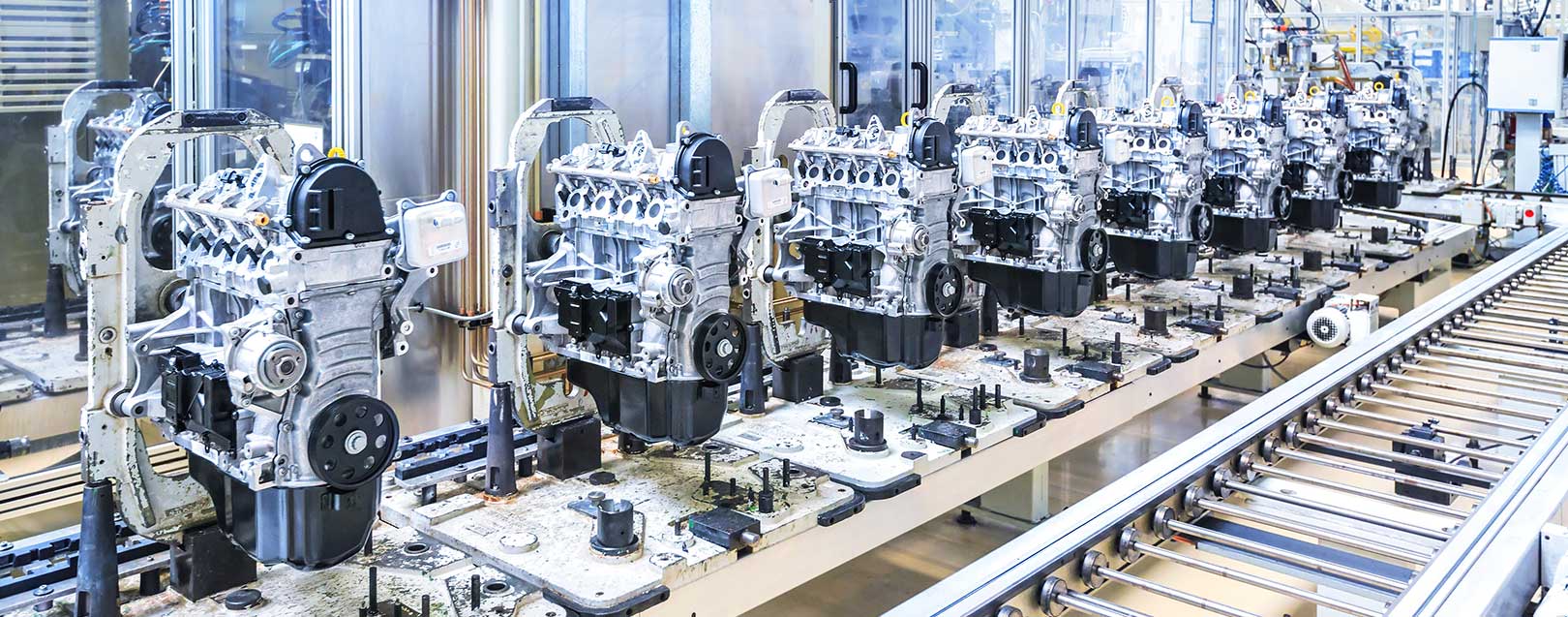
Understanding which countries and companies lead in automotive component exports provides essential insights into the future direction of automotive manufacturing, the geographic distribution of industrial capabilities, and the technological trends that will define mobility in coming decades. The countries that establish strong positions in next-generation automotive components will build broader industrial capabilities that extend well beyond the automotive sector itself, creating foundations for economic prosperity and technological leadership that justify the substantial investments these countries are making in their automotive industries.
For businesses operating in the automotive sector, whether as component suppliers, vehicle manufacturers, logistics providers, or supporting industries, understanding these export patterns and the forces driving them is essential for strategic planning. For policymakers seeking to support domestic automotive industries, these patterns reveal what has enabled successful exporters to achieve their positions and what challenges they face in maintaining competitiveness. For investors seeking opportunities in the automotive sector, component export patterns highlight which regions and technology areas are gaining momentum and which face headwinds.
The automotive component industry will continue evolving rapidly as technologies mature, new competitors emerge, and the global automotive market grows and changes. The export leaders of 2026 have earned their positions through investments in capabilities, strategic positioning within supply chains, and adaptation to changing technologies and customer requirements. Maintaining these leadership positions through the next decade of transformation will require continued investment, innovation, and strategic vision as the industry navigates perhaps its most dramatic period of change since the invention of the automobile itself.