
Introduction: The AYUSH Revolution in Modern Healthcare
The landscape of healthcare and wellness has undergone a remarkable transformation in recent years, with traditional Indian medicine systems experiencing unprecedented growth and global recognition. AYUSH, an acronym representing Ayurveda, Yoga & Naturopathy, Unani, Siddha, and Homeopathy, has emerged as a powerful force in the global wellness economy. These ancient healing systems, rooted in over 5,000 years of Indian medical wisdom, are now being embraced by millions worldwide who seek holistic, natural, and preventive healthcare solutions.
The AYUSH sector in India has witnessed extraordinary expansion, growing fifteen-fold over the past decade and positioning India at the forefront of the global wellness movement. This remarkable growth trajectory reflects a fundamental shift in consumer preferences away from chemical-laden synthetic products toward natural, plant-based remedies that work in harmony with the body’s innate healing mechanisms.
1. Dabur India Limited: The Heritage Leader
Dabur stands as a towering figure in the Indian AYUSH landscape, representing over 140 years of Ayurvedic excellence. Founded in 1884 by Dr. S.K. Burman, Dabur has evolved from a small pharmacy in Kolkata into India’s largest Ayurvedic and natural healthcare company, with operations spanning more than 120 countries.
Market Position and Financial Performance: In 2024, Dabur reported revenues of 12,404 crore rupees and a net profit of 1,811 crore rupees, supplying high-quality herbal products in 120 countries. This financial strength positions Dabur as the undisputed leader in the AYUSH sector, with consistent growth across multiple product categories.
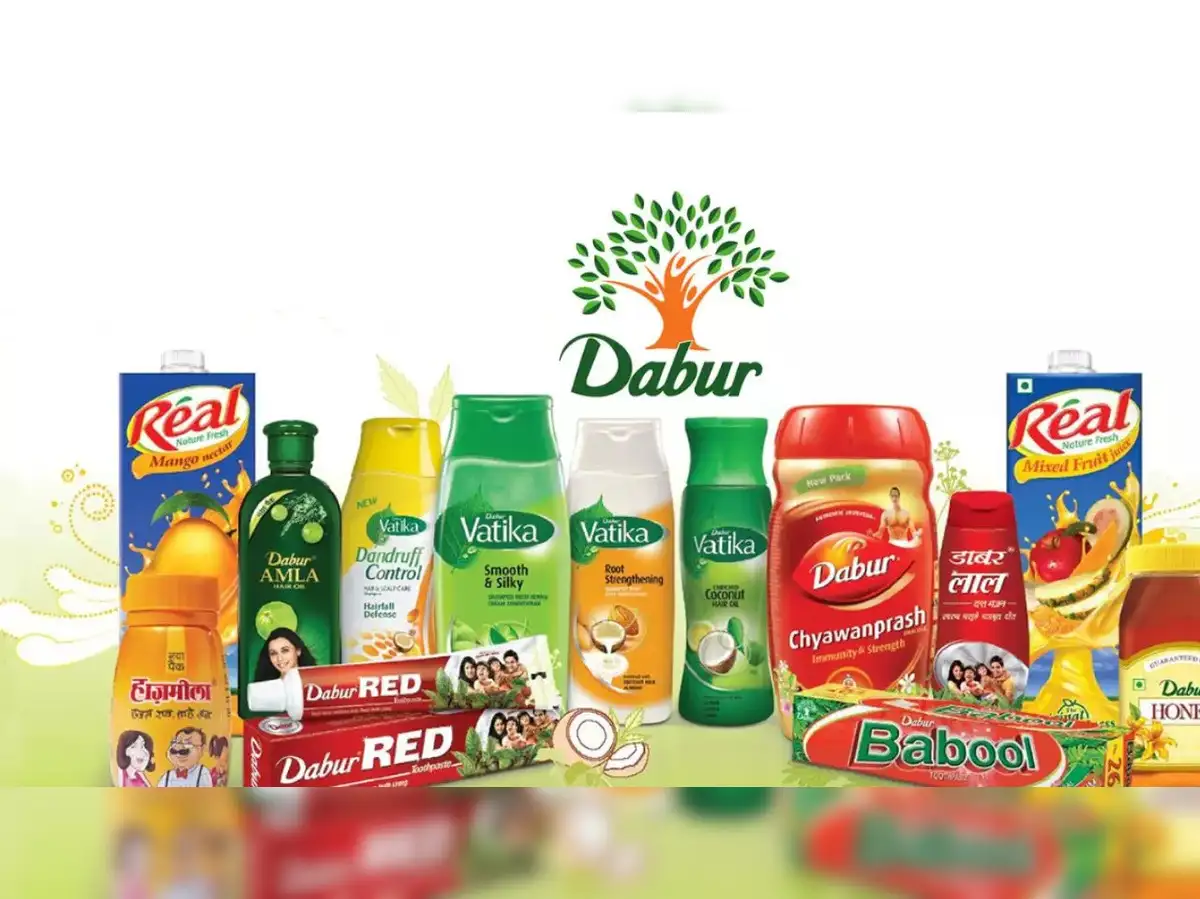
Product Portfolio Excellence: Dabur’s product range encompasses over 1,000 distinct offerings across healthcare, personal care, and home care segments. The company’s flagship products have become household names synonymous with quality and trust. Dabur Chyawanprash remains India’s most recognized immunity booster, commanding dominant market share in its category. Dabur Honey leads the natural honey segment, while products like Hajmola, Pudin Hara, and Dabur Amla have achieved iconic status in their respective categories.
The company’s healthcare division includes specialized formulations for digestive health, respiratory care, immunity building, and chronic disease management. Their Dabur Red Paste and Babool toothpaste exemplify how traditional Ayurvedic ingredients like clove and neem can be successfully incorporated into daily care products. In the hair care segment, Dabur Amla Hair Oil, Vatika, and Anmol represent billion-rupee brands that have captured substantial market share.
Innovation and Research: Dabur has invested significantly in research and development, establishing multiple R&D centers that work to validate traditional Ayurvedic formulations through modern scientific methods. The company launched the “Science in Action” campaign to educate consumers about the scientific basis of Ayurvedic medicine, bridging the gap between ancient wisdom and contemporary validation. This evidence-based approach has helped overcome skepticism and positioned Ayurveda as a credible healthcare alternative.
Global Expansion Strategy: Dabur’s international presence spans the Middle East, Africa, Europe, and the Americas. The company has strategically adapted products to suit local tastes and preferences while maintaining core Ayurvedic principles. Recent acquisitions and partnerships have strengthened Dabur’s global footprint, including investments in e-commerce capabilities and digital marketing to reach younger, tech-savvy consumers worldwide.
Sustainability Initiatives: Recognizing the importance of environmental stewardship, Dabur has implemented comprehensive sustainability programs focusing on responsible sourcing of medicinal plants, water conservation, waste reduction, and carbon footprint minimization. The company works directly with farming communities to ensure sustainable cultivation of key herbs and medicinal plants, creating livelihood opportunities while securing supply chains.
2. Patanjali Ayurved Limited: The Disruptive Innovator
Patanjali Ayurved represents one of the most remarkable business success stories in recent Indian corporate history. Founded in 2006 by yoga guru Baba Ramdev and Acharya Balkrishna, Patanjali disrupted the FMCG market with its unique combination of Ayurvedic authenticity, aggressive pricing, and nationalist appeal built around the “Swadeshi” movement.
Rapid Growth and Market Disruption: Patanjali’s meteoric rise shocked established FMCG giants. Within a decade of its founding, the company grew to challenge market leaders in numerous categories, forcing multinational corporations to reconsider their strategies and launch their own natural product lines. The company’s revenue growth in the 2015-2017 period was unprecedented, reaching several thousand crores and making it one of India’s fastest-growing consumer companies.
Comprehensive Product Range: Patanjali offers an extraordinarily diverse portfolio spanning food products, personal care, healthcare, home care, and wellness services. The product range includes over 1,000 items, from Patanjali Atta and cooking oil to herbal medicines, cosmetics, and garments. This breadth allows the company to serve as a one-stop solution for consumers seeking natural, Ayurvedic alternatives across all household needs.
Patanjali’s healthcare products through its Divya Pharmacy division address a wide spectrum of health conditions, from common ailments like colds and digestive issues to chronic conditions including diabetes, arthritis, and cardiovascular problems. Products like Divya Peya, Amrit Rasayan, and various herbal juices have gained substantial market acceptance.
Distribution Strategy: Patanjali’s products are sold through a network of more than 11,000 retail outlets in India and abroad, including dedicated Patanjali stores and availability on major e-commerce platforms. This extensive distribution network ensures widespread availability, making Ayurvedic products accessible even in smaller towns and rural areas where organized retail is limited.
Pricing Philosophy: One of Patanjali’s key differentiators has been its aggressive pricing strategy, offering Ayurvedic products at price points significantly lower than competing brands. This democratization of Ayurveda made natural healthcare accessible to middle and lower-income consumers who previously found such products financially out of reach. The company’s direct sourcing, integrated supply chain, and lower marketing costs enabled this pricing advantage.
Cultural and Nationalist Appeal: Patanjali successfully tapped into India’s growing nationalist sentiment and cultural pride, positioning itself as a champion of indigenous products and traditional knowledge against foreign multinational corporations. Baba Ramdev’s massive following and influence provided an unparalleled platform for brand building and consumer education about Ayurveda’s benefits.
Recent Developments: Patanjali continues to expand into new categories and strengthen existing ones. The company has invested in modern manufacturing facilities with GMP certification and quality control systems. Recent acquisitions of established brands and companies have accelerated growth while adding manufacturing capacity and distribution strength.
3. Himalaya Wellness Company: The Global Scientific Pioneer
Himalaya represents the scientific face of Ayurveda, successfully bridging traditional herbal wisdom with rigorous modern research and global quality standards. Founded in 1930 by M. Manal, the company has established itself as a global leader in herbal healthcare with operations in over 100 countries.
Scientific Approach to Herbal Medicine: What distinguishes Himalaya from many competitors is its unwavering commitment to clinical research and scientific validation. Himalaya has dedicated research centers in Bangalore and other locations to utilize over 1,200 herbal ingredients, with each product undergoing extensive testing for safety, efficacy, and quality before market release. This evidence-based approach has earned Himalaya credibility among healthcare professionals and scientifically-minded consumers who might otherwise be skeptical of herbal medicine.
Flagship Products: Himalaya’s product portfolio includes several blockbuster products that have achieved global recognition. Liv.52, the company’s pioneering liver care formulation, remains one of the most prescribed herbal hepatoprotective products worldwide, backed by extensive clinical studies demonstrating its effectiveness. Septilin, an immunity booster, has gained acceptance among healthcare practitioners for its scientifically documented immune-modulating properties.
In the personal care segment, Himalaya has successfully penetrated mainstream markets with products like Neem Face Wash, Protein Shampoo, and various skincare solutions. These products combine Ayurvedic ingredients with cosmetic elegance and pleasant sensory experiences, appealing to consumers seeking natural personal care without compromising on user experience.
Manufacturing Excellence: Himalaya has several manufacturing facilities in India and Malaysia with GMP certification, ensuring products meet stringent international quality standards. The company’s quality control systems track products from raw material sourcing through manufacturing to final distribution, implementing blockchain technology for supply chain transparency.
Global Market Presence: Himalaya’s international success demonstrates that well-formulated, scientifically-validated herbal products can compete successfully in developed markets with sophisticated consumers and rigorous regulatory environments. The company has navigated complex regulatory landscapes in North America, Europe, and other regions by maintaining high quality standards and conducting necessary clinical trials.
Innovation Pipeline: Himalaya continues investing in new product development, exploring novel delivery systems, combination formulations, and addressing contemporary health concerns like stress management, metabolic syndrome, and lifestyle diseases through Ayurvedic approaches. The company collaborates with research institutions and universities to advance understanding of herbal medicine’s mechanisms of action at cellular and molecular levels.
4. Baidyanath Ayurved Bhawan: The Classical Heritage Brand
Baidyanath represents the oldest continuously operating Ayurvedic company in India, with roots tracing back to 1917. Founded by Pandit Ram Dayal Joshi, the company has maintained its commitment to classical Ayurvedic formulations for over a century while adapting to modern manufacturing and quality requirements.
Traditional Authenticity: Baidyanath’s strength lies in its adherence to classical Ayurvedic texts and traditional preparation methods. The company produces over 700 formulations, including many classical preparations like Asavas, Arishtas, Rasayanas, and Bhasmas that require specialized expertise and equipment. This focus on authentic, text-based formulations appeals to practitioners and consumers seeking traditional Ayurvedic medicine rather than modernized adaptations.
Manufacturing Infrastructure: Under Shri Krishan Sharma’s leadership, Baidyanath exports products to over twenty countries and generates approximately seven hundred crore rupees in revenue annually, with more than 2,500 skilled employees. The company maintains multiple manufacturing facilities across India, each specializing in different types of preparations requiring specific equipment and expertise.
Product Range: Baidyanath’s portfolio spans health supplements, medicines for specific ailments, personal care products, and nutritional offerings. Popular products include Baidyanath Chyawanprash, various Churnas (herbal powders), medicinal oils, Golis (herbal pills), and Ashwagandha supplements. The company has successfully marketed products like Kesari Kalp and various Rasayanas that claim to enhance vitality and longevity.
Quality Assurance: Despite maintaining traditional preparation methods, Baidyanath has modernized quality control processes. The company tests all product ranges at each level before delivery, ensuring consistency and safety while preserving traditional formulation integrity. GMP-certified manufacturing facilities meet regulatory requirements while accommodating classical preparation techniques.

Market Position: Baidyanath occupies a unique position as a heritage brand trusted by traditional Ayurvedic practitioners and families with multi-generational loyalty. The company successfully appeals to consumers valuing authenticity and traditional knowledge over contemporary marketing or modern packaging. This positioning differentiates Baidyanath from newer entrants focused primarily on mass-market appeal.
5. Emami Limited: The Diversified Wellness Giant
Emami has established itself as a leading Indian FMCG conglomerate with strong positioning in Ayurvedic and herbal segments. The company’s journey from a small partnership to a multi-thousand crore corporation demonstrates successful brand building and market understanding.
Strategic Product Portfolio: Emami’s herbal and Ayurvedic portfolio includes several power brands that dominate their respective categories. Navratna, the cooling hair oil enriched with nine herbs, has become synonymous with instant relief from heat and stress. Zandu Balm, acquired through strategic acquisitions, leads the pain relief balm segment with its distinctive ayurvedic formulation. Boroplus, a winter skincare essential, successfully combines Ayurvedic ingredients with cream formulation meeting modern skincare expectations.
The acquisition of Zandu Pharmaceuticals brought Emami significant heritage formulations including Zandu Chyawanprash, Pancharishta, and Kesari Jivan, strengthening its position in the health supplement and traditional medicine segments. These acquisitions demonstrate Emami’s strategy of building a comprehensive Ayurvedic portfolio through organic growth and strategic additions.
Male Grooming Segment: Emami pioneered the men’s grooming segment in India with Fair and Handsome, specifically formulated for male skin. This category creation demonstrated the company’s marketing acumen and understanding of evolving consumer needs. The brand has expanded into comprehensive men’s care range including face washes, creams, and grooming products incorporating herbal ingredients.
Distribution Strength: Emami boasts one of India’s most extensive distribution networks, ensuring product availability across urban, semi-urban, and rural markets. This distribution muscle enables even smaller product launches to achieve rapid market penetration and trial among diverse consumer segments.
International Expansion: Beyond India, Emami has expanded into international markets through exports, acquisitions, and partnerships. The company has manufacturing presence in several countries and exports to over 60 nations, building brand recognition for Indian Ayurvedic products globally.
Recent Initiatives: Emami continues innovating with new product launches addressing contemporary needs like immunity, stress management, and lifestyle disease prevention through Ayurvedic formulations. The company invests in digital marketing and e-commerce, recognizing younger consumers’ shopping preferences and communication channels.
6. Zandu Pharmaceutical Works Limited: The Legacy of Trust
Zandu, established in 1910 by Prabhashankar Pattani, represents one of India’s most trusted Ayurvedic brands with over 115 years of heritage. The company’s journey reflects the evolution of Indian Ayurvedic industry from traditional pharmacy to modern pharmaceutical enterprise while maintaining authenticity.
Iconic Products: Zandu Balm stands as one of India’s most recognized herbal products, providing ayurvedic relief for headaches, muscle pain, and cold symptoms. The distinctive red packaging and strong medicinal aroma have made it a household essential across generations. Zandu Pancharishta, a digestive tonic, represents classical Ayurvedic formulation addressing digestive disorders through herbal fermentation process.
Zandu Kesari Jivan, a nutritional supplement enriched with Kesar (saffron) and other herbs, targets overall health improvement and vitality. Zandu Chyawanprash, now under Emami ownership, continues the tradition of this ancient immunity-boosting formulation with modern quality standards.
Traditional Formulations: Zandu’s product range includes numerous classical Ayurvedic preparations like Asavas, Arishtas, and various medicated oils prepared following traditional methods. The company maintains expertise in fermentation-based preparations, which require specific temperature, time, and environmental controls to ensure proper herbal extraction and product efficacy.
Quality Standards: Over a century of Ayurvedic expertise has built strong brand trust and recall for Zandu, with products widely available across India and selected international markets. The company has invested in modernizing manufacturing while preserving traditional preparation methodologies, balancing heritage with contemporary quality expectations.
Consumer Trust: Zandu’s longevity has created deep consumer trust spanning generations. Families continue using Zandu products based on positive experiences and recommendations passed down through generations, representing brand equity money cannot easily buy. This trust enables successful launches of new products under the Zandu umbrella.
7. Hamdard Laboratories: The Unani-Ayurveda Bridge
Founded in 1906 by Hakeem Hafiz Abdul Majeed, Hamdard represents unique positioning at the intersection of Unani (Greco-Arab traditional medicine) and Ayurvedic traditions. This blend creates distinctive formulations and appeals to diverse consumer segments seeking natural healthcare.
Iconic Products: Rooh Afza, perhaps India’s most beloved summer drink, has achieved cultural icon status transcending religious and regional boundaries. This refreshing rose-flavored concentrate, with its unique herbal formulation, has been synonymous with summer refreshment for over a century. While not strictly medicinal, Rooh Afza incorporates herbs providing cooling and refreshing properties, demonstrating how traditional knowledge can create popular consumer products.
Safi, a blood purifier, represents Hamdard’s strength in Unani medicine addressing skin conditions and blood disorders through herbal detoxification. Cinkara, Joshina (cough relief), and Roghan Badam Shirin (almond oil) are other popular products that have gained household recognition.
Unani Expertise: Hamdard combines Ayurvedic and Unani medicine principles and techniques to create effective treatments, offering consumers therapeutic approaches rooted in both Indian and Middle Eastern traditional medicine systems. This unique positioning differentiates Hamdard from purely Ayurvedic competitors while serving communities traditionally preferring Unani medicine.
Affordable Healthcare Mission: Hamdard’s commitment to affordable healthcare has made it a trusted name in natural remedies over more than a century. The company’s pricing philosophy ensures herbal medicine accessibility for lower and middle-income families, aligning with the founder’s vision of serving humanity through accessible healthcare.
Geographic Reach: Hamdard has strong national presence with exports to Middle East, Southeast Asia, and other regions, particularly appealing to markets familiar with Unani medicine traditions. The company’s international reach leverages cultural connections while introducing Unani-based products to new markets.
Educational Initiatives: Beyond commercial activities, Hamdard has invested significantly in education and social welfare through Hamdard University and various healthcare initiatives, demonstrating commitment to knowledge preservation and community service alongside business objectives.
8. Vicco Laboratories: The Ayurvedic Personal Care Specialist
Vicco Laboratories, established in 1952, has carved a distinctive niche in Ayurvedic oral care and skincare. The company’s focused approach on specific segments with scientifically-formulated products has created strong brand recognition and loyalty.
Flagship Oral Care: Vicco Vajradanti, an Ayurvedic tooth powder and toothpaste, has been a staple in Indian households for decades. The formulation incorporates multiple Ayurvedic herbs and minerals known for oral health benefits, offering natural alternatives to conventional toothpastes. Vicco’s distinct taste profile and therapeutic claims appeal to consumers seeking traditional oral care solutions.
Skincare Innovation: Vicco Turmeric Cream represents one of India’s earliest ayurvedic skincare products successfully marketed as cosmetic and therapeutic solution. The antiseptic cream incorporates turmeric (Haldi) and Sandalwood (Chandan), ingredients revered in Ayurveda for skin health and beauty. This product demonstrated how Ayurvedic ingredients could be formulated into modern cream bases meeting cosmetic elegance expectations.
Sustainable Practices: Vicco’s emphasis on Ayurvedic ingredients and sustainable practices resonates with consumers seeking natural alternatives for daily care routines, positioning the brand favorably amid growing environmental consciousness and preference for plant-based products.
Brand Equity: Vicco’s longevity and consistent quality have created substantial brand equity in the personal care space. The company successfully defended market position against multinational competitors by maintaining product efficacy, authentic Ayurvedic formulations, and affordable pricing.
Modern Expansion: While respecting heritage, Vicco has expanded into new personal care segments including face washes, shampoos, and skin care ranges incorporating Ayurvedic principles with contemporary formulations appealing to younger consumers.
9. Sri Sri Tattva: The Spirituality-Wellness Connection
Founded under the guidance of spiritual leader Sri Sri Ravi Shankar, Sri Sri Tattva represents the growing segment of wellness brands connecting Ayurveda with broader lifestyle, yoga, and spiritual practices. The brand appeals to consumers seeking holistic living encompassing physical health, mental wellbeing, and spiritual growth.
Comprehensive Wellness Approach: Sri Sri Tattva’s product range extends beyond medicines to include organic foods, personal care, nutraceuticals, and wellness services. This comprehensive approach positions Ayurveda as lifestyle choice rather than merely medical alternative, appealing to health-conscious consumers embracing holistic living.
Product Quality and Standards: The company emphasizes organic sourcing, sustainable practices, and stringent quality control. Products undergo testing for heavy metals, pesticides, and contaminants, addressing consumer concerns about herbal product safety and purity. GMP-certified manufacturing ensures consistency and regulatory compliance.
Product Portfolio: Sri Sri Tattva offers digestive health formulations, immunity boosters, stress management products, women’s health supplements, and various classical Ayurvedic preparations. The product range also includes organic food products, spices, and superfoods aligning with clean eating trends.
Distribution Model: Sri Sri Tattva products are available through dedicated stores, online platforms, and Art of Living centers worldwide. This distribution leverages the extensive network of Art of Living organization, providing captive customer base familiar with and receptive to holistic health concepts.
Global Wellness Community: The brand benefits from association with Art of Living’s global community of practitioners and followers, creating built-in trust and international distribution opportunities. This connection positions Sri Sri Tattva favorably in international markets where Art of Living has established presence.
10. Kerala Ayurveda Limited: The Authentic Kerala Tradition
Kerala Ayurveda Limited represents the traditional Ayurvedic excellence for which Kerala state is globally renowned. Founded in 1945, the company embodies Kerala’s authentic Ayurvedic lineage, traditional Panchakarma therapies, and comprehensive wellness approach.
Traditional Kerala Ayurveda: Kerala has long been considered the heart of authentic Ayurvedic practice in India, with unbroken lineages of practitioners, traditional preparation methods, and treatment protocols. Kerala Ayurveda Limited preserves and promotes these traditions through products and services rooted in classical texts and traditional knowledge systems.
Panchakarma and Wellness Services: Beyond products, Kerala Ayurveda operates wellness centers offering authentic Panchakarma therapies, Ayurvedic treatments, and consultations with experienced Vaidyas (Ayurvedic physicians). These centers provide comprehensive Ayurvedic experiences combining therapies, diet, lifestyle modifications, and medicines for holistic healing.
Product Excellence: The company manufactures classical Ayurvedic medicines, herbal supplements, beauty care products, and wellness products following traditional Kerala preparation methods. Specialized products include herbal oils prepared through traditional “Thaila Paaka” process requiring specific heating, cooling, and stirring techniques passed down through generations.
Medical Tourism: Kerala Ayurveda has successfully positioned itself in India’s growing medical tourism sector, attracting international patients seeking authentic Ayurvedic treatments, Panchakarma therapies, and wellness programs. Well-equipped wellness centers with experienced practitioners provide credible alternatives for chronic disease management and preventive healthcare.
Quality Assurance: Despite traditional methods, Kerala Ayurveda maintains modern quality standards with GMP certification, laboratory testing, and quality control systems. The company successfully balances tradition with contemporary safety and efficacy requirements demanded by regulatory bodies and discerning consumers.
Educational Initiatives: Kerala Ayurveda invests in Ayurvedic education through colleges, training programs, and practitioner certification courses. These initiatives help preserve traditional knowledge, train new generations of practitioners, and promote proper understanding of Ayurvedic principles and practices.

Conclusion: A Renaissance of Traditional Wisdom
The AYUSH sector stands at a transformative inflection point where ancient wisdom meets modern science, traditional practices embrace contemporary business methods, and local heritage brands become global wellness leaders. The top 10 AYUSH brands profiled here represent not just commercial success but the renaissance of India’s traditional medical knowledge systems gaining recognition and respect worldwide.