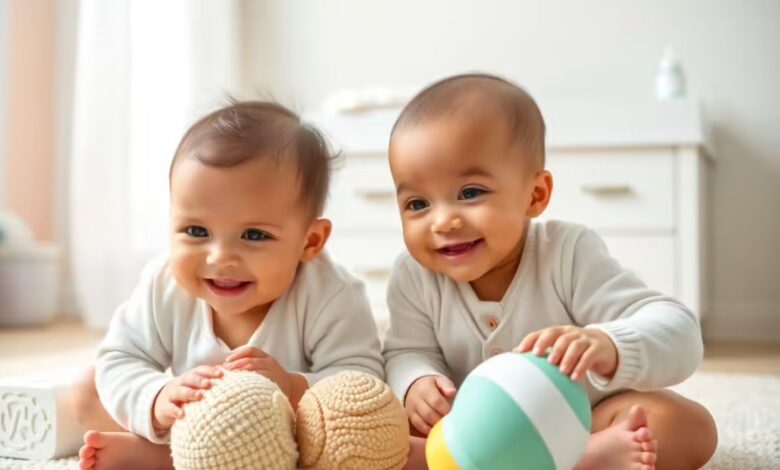
India’s baby care industry is experiencing remarkable growth, with the market projected to reach USD 34.96 billion by 2035, growing at a CAGR of 15.3%. With approximately 25-27 million births annually and a rising number of nuclear families, Indian parents are increasingly seeking safe, convenient, and premium baby care solutions. This transformation has given rise to numerous innovative startups that are revolutionizing how Indian families approach infant care, pregnancy, and parenting.
The baby care startup ecosystem has evolved significantly, driven by digital transformation, increased health consciousness, and changing consumer preferences. Today’s parents demand toxin-free products, expert guidance, and convenience—all delivered through seamless digital experiences. This article explores the top 10 Indian baby care startups that are shaping the industry in 2026.
1. FirstCry – India’s Baby Care Unicorn
Founded: 2010
Founders: Supam Maheshwari and Amitava Saha
Headquarters: Pune, Maharashtra
Funding: Over $793 million across 11 rounds
Status: Public company (IPO in 2024)
FirstCry stands as India’s undisputed leader in the baby and kids retail sector. Operating as a multi-channel retailer, FirstCry offers an extensive catalog of over 2 million products from more than 1,200 brands across categories including diapers, feeding essentials, toys, clothing, strollers, and nursery furniture.
The company’s hybrid business model combines a robust online presence with over 1,000 physical stores across 500+ cities in India. FirstCry’s innovative hospital gifting program distributes free gift boxes to over 70,000 parents monthly across 6,000 hospitals nationwide, creating powerful brand awareness at a crucial touchpoint.
With backing from major investors including SoftBank Vision Fund, Mahindra & Mahindra, and Premji Invest, FirstCry has achieved unicorn status and successfully went public with a strong market debut. The company’s shares opened at a 40% premium during its IPO, reflecting investor confidence in India’s baby care market potential. FirstCry continues to expand internationally and strengthen its private label brands like BabyHug.
Why It Matters: FirstCry’s comprehensive ecosystem and massive scale make it the go-to platform for Indian parents, setting industry standards for product variety, convenience, and trust.
2. Mamaearth (Honasa Consumer) – Asia’s First MadeSafe Brand
Founded: 2016
Founders: Varun Alagh and Ghazal Alagh
Headquarters: Gurugram, Haryana
Funding: $89.4 million across 7 rounds
Status: Public company

Mamaearth has established itself as Asia’s first brand to receive MadeSafe certification for toxin-free products. Founded by the husband-wife duo of Varun and Ghazal Alagh, the company emerged from personal necessity when they struggled to find safe, natural baby care products in India.
The brand offers a comprehensive range of baby care products including body wash, shampoo, lotions, oils, and creams—all formulated with 100% natural ingredients and free from parabens, sulfates, mineral oils, dyes, and synthetic fragrances. All products undergo dermatological testing in Europe based on European Union standards.
Mamaearth’s success extends beyond baby care into personal care, hair care, and makeup categories. The company’s direct-to-consumer approach, combined with presence on major e-commerce platforms and retail stores, has helped it reach millions of Indian families. With 969 employees and strong brand recognition, Mamaearth continues to innovate while maintaining its commitment to safety and natural ingredients.
Why It Matters: Mamaearth’s focus on certified toxin-free products has raised consumer awareness about product safety and set new benchmarks for natural baby care in India.
3. The Moms Co – Premium Natural Solutions
Founded: 2016
Founders: Malika Sadani and Mohit Sadani
Headquarters: New Delhi
Funding: $6 million (Series A and Series B)
Investors: DSG Consumer Partners, Saama Capital
The Moms Co positions itself as India’s largest natural and certified toxin-free solution provider for mothers and babies. Founded by Malika and Mohit Sadani, the startup was born from their personal struggle to find safe products for their daughter with sensitive skin.
The company offers 25+ certified toxin-free products spanning pre-natal care, post-natal care, and baby care categories. Each product is formulated by global experts and tested to meet international safety standards. The Moms Co has built a strong presence across 10,000 pin codes, serving over 500,000 customers through online channels, marketplaces like Amazon, and retail presence in 15 top maternity hospitals.
The brand has strategically focused on expanding into Tier 2 and Tier 3 cities, with 40% of website orders coming from smaller cities during recent periods. The startup uses local language influencers to drive awareness and has successfully tapped into the growing demand for premium, safe baby care products across diverse Indian markets.
Why It Matters: The Moms Co bridges the gap between premium international quality and India-specific formulations, making certified safe products accessible to a broader audience.
4. BabyChakra – India’s Largest Parenting Community
Founded: 2015
Founders: Naiyya Saggi and team
Headquarters: Mumbai, Maharashtra
Users: 2+ million monthly active users
BabyChakra has evolved into India’s most comprehensive parenting and pregnancy platform, serving as a one-stop ecosystem for expecting and new parents. The app combines community support, expert consultations, product marketplace, and localized services discovery.
The platform’s strength lies in its robust community of over 2 million families who contribute 500,000+ pieces of content monthly. Users spend approximately 100 million minutes on the platform each month, accessing 50 million+ content views. BabyChakra connects parents with a network of 6,000+ healthcare providers, 2,500+ MomStars and bloggers who share reliable information and personal experiences.
Key features include free live video chats with pediatricians, gynecologists, and nutrition consultants, personalized pregnancy tracking, baby milestone monitoring, and a comprehensive marketplace of baby-safe products. The platform’s localized approach helps parents discover nearby services including hospitals, playschools, daycare centers, and pediatricians based on community reviews.
Why It Matters: BabyChakra’s community-first approach addresses the isolation many modern Indian parents face, providing 24/7 peer support and expert guidance when needed most.
5. Mylo – India’s #1 Pregnancy Tracking App
Founded: 2015
Headquarters: Gurugram, Haryana
Users: 10+ million registered users
Mylo has positioned itself as India’s most trusted pregnancy tracking and parenting app, serving over 10 million young parents across the country. The platform provides comprehensive support from conception through early childhood, offering personalized tools and community engagement.
The app features an extensive toolkit including week-by-week pregnancy tracking, baby growth monitoring, ovulation calculators, due date calculators, vaccination trackers, baby sleep music, diet charts, and baby name finders. Mylo’s community feature connects expecting parents in “birth clubs” where they can share experiences with others having due dates in the same month.
A unique aspect of Mylo is its integrated shopping platform where users can purchase pregnancy and baby care products with verified reviews from other parents. The platform offers daily personalized content matched to the user’s pregnancy week or baby’s age, including articles, videos, and expert advice. Mylo’s promise of community responses within 5 minutes has made it a reliable support system for parents facing urgent questions.
Why It Matters: Mylo’s comprehensive free platform democratizes access to pregnancy and parenting information, particularly valuable for first-time parents in smaller cities.
6. HunyHuny – Multi-Category Baby Essentials
Founded: 2019
Founders: Vishal Mittal, Madhurima Rungta, and Hemant Nayak
Headquarters: Gurugram, Haryana
Revenue: ₹75 lakh per month (2022 data)
HunyHuny has rapidly grown from serving 180 customers to reaching over 35,000 babies, establishing itself as a comprehensive mother and baby brand. The startup operates across seven categories: baby furniture, baby transport, baby essentials, baby wear, baby accessories, maternity lingerie, and maternity wear.
The company maintains approximately 500 SKUs and manufactures products globally to ensure quality standards. HunyHuny has developed both online presence through its website and offline presence with stores across Delhi-NCR. The brand’s strategy focuses on providing complete solutions rather than single-category products, allowing parents to consolidate their baby care shopping.
With monthly revenue of ₹75 lakh and expectations of 10X growth following capital infusion, HunyHuny represents the new wave of well-funded, growth-focused baby care startups addressing modern Indian parents’ needs for quality and convenience.
Why It Matters: HunyHuny’s multi-category approach simplifies the shopping experience for time-constrained parents seeking trusted quality across multiple baby care segments.
7. BeeLittle – Sustainable Baby Clothing
Founded: 2015
Founders: Surya Prabha, Sakthipriyadharshini, and Gayathiri
Headquarters: Tirupur, Tamil Nadu
SKUs: 1,900+ products across 15+ categories
BeeLittle has carved a niche as a sustainable baby clothing brand focused on 100% natural fabrics. Founded by three college friends, the Tirupur-based startup offers toddler garments and accessories made from organic, chemical-free materials.
The company operates through an e-commerce website and two physical stores in Coimbatore and Tirupur. BeeLittle has expanded its clothing range to include boys, girls, and gender-neutral options for children up to five years old, alongside maternity wear. The startup’s revenue split shows 30% from offline stores and 70% from e-commerce channels.
BeeLittle’s commitment to sustainability resonates with environmentally conscious parents seeking alternatives to synthetic materials. The startup has ambitious growth plans, targeting ₹150 crore annual revenue within three years through a planned ₹25 crore funding round focused on brand awareness and expansion across India’s top six states.
Why It Matters: BeeLittle addresses the growing demand for sustainable, eco-friendly baby products while supporting India’s textile manufacturing capabilities.
8. The Mom Store – Focusing on Mothers First
Founded: 2019
Founder: Surbhi Bhatia (IIM alumnus)
Headquarters: Bengaluru, Karnataka
Presence: 150 Mothercare stores nationwide
The Mom Store takes a unique approach by centering mothers as decision-makers while providing comprehensive solutions for both mom and baby needs. Founded by IIM alumnus Surbhi Bhatia, the startup addresses the reality that while most baby care brands focus solely on infant needs, mothers require support throughout their motherhood journey.
The company has strategically expanded distribution across major marketplaces including Myntra, Amazon, FirstCry, Ajio, and Nykaa. A significant milestone came with retail entry through exclusive partnership with all 150 Mothercare stores across India. The Mom Store’s revenue distribution shows 50% from online platforms, 20% from social media channels, and 20% from offline sales.
The startup expanded its e-commerce facility to a 5,000 square feet warehouse to meet growing demand and has plans for dedicated concept retail stores. This mother-centric philosophy differentiates The Mom Store in a market where maternal wellness often takes a backseat to baby care.
Why It Matters: The Mom Store recognizes that healthy, supported mothers are essential to healthy babies, filling a crucial gap in India’s baby care ecosystem.
9. Little Charlie – Designer Baby Footwear
Founded: 2022
Founders: Karishma and Sahil Nayyar (Australia-based couple)
Headquarters: Amritsar, Punjab
SKUs: 150+
Little Charlie specializes in eco-friendly, fashionable, lightweight baby soft-sole shoes designed specifically for the Indian market. Founded by Australia-based couple Karishma and Sahil Nayyar, the startup combines international design sensibilities with understanding of Indian consumer preferences.
Within just two months of launch, Little Charlie delivered products to over 1,000 customers across India, receiving strong reviews for product quality and design. The startup’s product range covers boys and girls up to 16 months, with plans to expand to children up to three years old.
Little Charlie’s revenue model shows 70% coming from its website and 30% from social media platforms, demonstrating effective digital-first distribution. With a lean team of 8 members, the startup designs products in Australia and sources internationally from supplier partners, ensuring quality control while maintaining competitive pricing for the Indian market.
Why It Matters: Little Charlie demonstrates how niche specialization in specific baby care categories can create viable businesses addressing previously underserved needs.
10. Baby & Mom Retail (House of Brands) – Multi-Brand Approach
Founded: 2013
Founder: Shish Kharesiya
Headquarters: Gurugram, Haryana
Revenue: ₹44 crore (2024), targeting ₹100 crore (2025)
IPO Plans: ₹280 crore valuation target by 2026
Baby & Mom Retail operates as a House of Brands encompassing multiple product lines across baby care, skin care, pet care, and bedding solutions. The company’s brand portfolio includes OYOBABY, Newish, REDCOP, GADDA CO, Mattress Protector, and Amorite, allowing it to address diverse market segments with specialized offerings.
The startup has achieved impressive growth, doubling revenue from ₹23 crore in 2023 to ₹44 crore in 2024, with ambitious targets of ₹100 crore by 2025. Founder and CEO Shish Kharesiya has outlined plans for a public listing with an IPO projected at ₹280 crore valuation by 2026.
Baby & Mom Retail’s multi-brand strategy allows it to compete across different price points and product categories while building operational efficiencies. The company focuses on customer-oriented, high-demand products and has strengthened its digital presence to reach modern Indian families across diverse geographies.
Why It Matters: The House of Brands approach demonstrates how strategic brand portfolio management can create sustainable competitive advantages in India’s fragmented baby care market.
The Indian Baby Care Market Landscape in 2026
The Indian baby care products market is experiencing unprecedented growth driven by several key factors:
Market Size and Growth:
- Market projected to reach USD 34.96 billion by 2035
- CAGR of 15.3% during 2026-2035 forecast period
- Over 1,300 baby care startups currently operating in India
- 206 funded startups with collective funding exceeding $956 million
Key Market Drivers:
- Nuclear Family Trend: Shift from joint to nuclear families increasing demand for expert guidance and convenient products
- Digital Adoption: Rising smartphone penetration enabling e-commerce and app-based solutions
- Health Consciousness: Growing awareness about product safety, natural ingredients, and toxin-free formulations
- Rising Incomes: Expanding middle class willing to pay premium for quality baby care products
- Tier 2/3 Growth: Significant demand emerging from smaller cities seeking branded, quality products
Product Categories Driving Growth:
- Diapers: High repeat purchase frequency with subscription models
- Baby Skincare: Lotions, oils, creams addressing concerns about pollution and water quality
- Natural Products: Toxin-free, organic formulations gaining market share
- Feeding Accessories: Bottles, sterilizers, breast pumps with premium positioning
- Baby Food: Nutritious, convenient food options for working parents
Investment Trends: The sector saw peak funding of $431 million in 2019, with SoftBank’s major investments in FirstCry. While 2025 funding has been more modest at $8.49 million through June, the sector continues attracting investor interest due to stable demand fundamentals and recurring revenue models.
Challenges and Opportunities
Challenges:
- Regulatory Compliance: Strict FSSAI regulations for baby food and BIS certifications for products
- Quality Assurance: Maintaining safety standards while keeping prices accessible
- Last-Mile Delivery: Logistics challenges in reaching Tier 3/4 cities
- Market Education: Convincing price-sensitive consumers to choose premium products
- Competition: Intense competition from established international brands
Opportunities:
- Subscription Models: Recurring revenue from consumables like diapers, wipes, and baby food
- D2C Growth: Direct-to-consumer channels bypassing traditional retail markup
- Sustainability: Eco-friendly, reusable products appealing to conscious consumers
- Technology Integration: AI-powered recommendations, virtual consultations, and personalized solutions
- Hospital Partnerships: Building brand loyalty at birth moment through gifting programs
- Quick Commerce: 10-30 minute delivery for urgent baby essentials
Future Outlook
India’s baby care startup ecosystem is poised for continued expansion through 2026 and beyond. Several trends will shape the industry:
Consolidation: Expect mergers and acquisitions as larger players acquire specialized startups to expand product portfolios and geographic reach.
Omnichannel Excellence: Successful startups will seamlessly integrate online platforms, mobile apps, social commerce, and physical retail touchpoints.
Personalization: AI and data analytics will enable hyper-personalized product recommendations, content, and services based on baby’s age, location, and preferences.
Community Commerce: Platforms combining trusted communities with commerce will gain advantage as parents increasingly rely on peer recommendations.
Global Expansion: Indian baby care startups like FirstCry and Mamaearth are expanding internationally, particularly to other developing markets with similar demographics.
Affordable Premium: Startups will continue developing products that deliver premium quality at accessible price points, critical for mass market success in India.
Conclusion
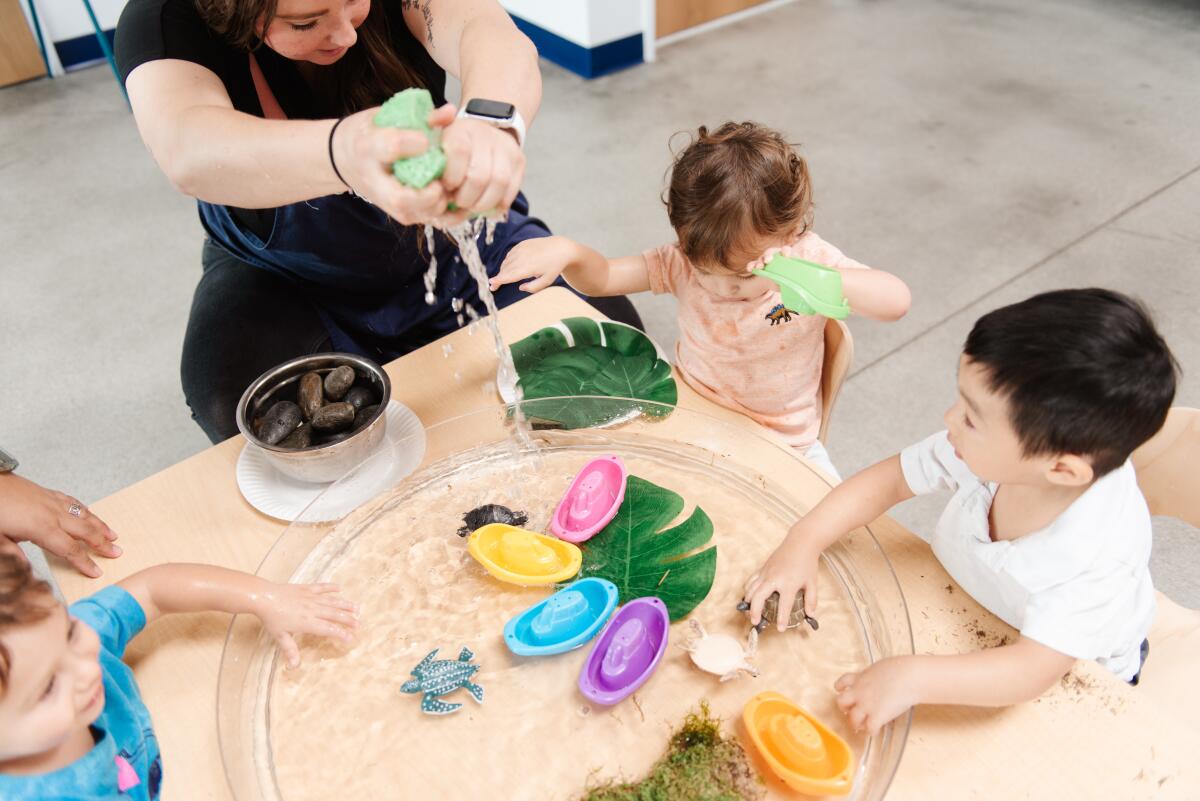
India’s baby care startup ecosystem in 2026 represents a dynamic, rapidly evolving sector driven by changing consumer preferences, digital adoption, and growing market opportunity. From comprehensive platforms like FirstCry and BabyChakra to specialized players like Little Charlie and BeeLittle, these startups are revolutionizing how Indian families approach pregnancy, childbirth, and parenting.
The sector’s growth is underpinned by fundamental demographic advantages—25-27 million annual births—and macro trends favoring organized, branded products. As Indian parents become more discerning consumers demanding safety, convenience, and quality, these startups are well-positioned to capture increasing market share.
For investors, the baby care sector offers attractive characteristics: recurring revenue potential, defensive consumption patterns, and opportunities across multiple product categories and price points. For entrepreneurs, numerous white spaces remain in specialized segments, regional markets, and innovative service models.
The next phase of growth will likely see increased focus on sustainable products, technology-enabled personalization, and seamless integration of content, community, and commerce. As these top 10 startups continue innovating and expanding, they’re not just building businesses—they’re shaping the future of child care in India, one baby at a time.