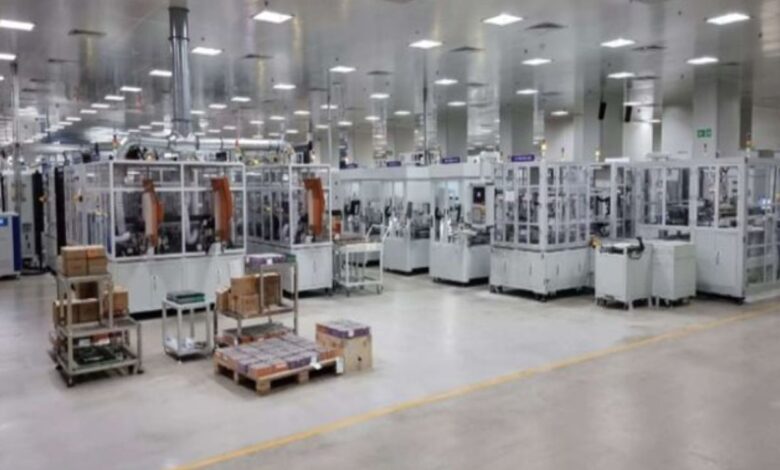
India’s battery manufacturing industry stands at an inflection point in 2026, poised to transform from primarily assembling imported cells into a comprehensive domestic production powerhouse. The sector is experiencing unprecedented growth driven by the electric vehicle revolution, renewable energy storage demands, and the government’s ambitious push for self-reliance through production-linked incentive schemes. India’s battery manufacturing capacity currently stands at nearly sixty gigawatt-hours and is projected to reach one hundred gigawatt-hours by the end of 2026, marking a transformative phase for the nation’s energy independence.
The Indian battery market is projected to reach fifteen point six five billion dollars by 2029, propelled by surging demand for lithium-ion batteries in electric vehicles, renewable energy storage systems, and high-performance electronics alongside traditional applications in automotive, inverter, and industrial sectors. With approximately ninety percent of lithium-ion battery demand expected to come from automotive applications and the remaining from data centers, grid-scale renewable energy integration, and rooftop solar installations, the stakes have never been higher for establishing robust domestic manufacturing capabilities.
This comprehensive analysis examines the top ten battery manufacturers shaping India’s energy future in 2026, covering companies excelling in traditional lead-acid batteries, emerging lithium-ion cell production, and integrated energy storage solutions. Understanding these manufacturers is essential for businesses, investors, and consumers navigating India’s rapidly evolving battery ecosystem.
1. Exide Industries – India’s Battery Manufacturing Pioneer
Exide Industries stands as India’s largest and most established battery manufacturer, with roots extending back to 1947 when it was founded as Associated Battery Makers Eastern Limited. Headquartered in Kolkata, the company operates ten manufacturing facilities across five states including factories in Maharashtra, West Bengal, Uttarakhand, Tamil Nadu, Haryana, and Gujarat. Exide exports its batteries to over sixty countries globally and maintains manufacturing facilities in Sri Lanka, the United Kingdom, and Singapore, demonstrating its international reach beyond Indian operations.
The company’s traditional strength lies in lead-acid battery manufacturing, where it commands dominant market share across automotive applications for two-wheelers, three-wheelers, four-wheelers including cars, buses and trucks, as well as electric rickshaws. Industrial applications span power generation including renewable energy, telecommunications infrastructure, data centers, mining operations, railway systems, and defense sectors. Home applications include inverter batteries and uninterruptible power supply systems serving millions of Indian households and businesses.
In 2026, Exide’s most significant initiative involves establishing lithium-ion cell manufacturing capabilities through its wholly-owned subsidiary Exide Energy Solutions Limited. The company is constructing a massive gigafactory in Bengaluru with an initial capacity of six gigawatt-hours in the first phase, eventually expanding to twelve gigawatt-hours. The total investment for the first phase amounts to approximately five thousand crore rupees, covering battery cell, pack, and module manufacturing facilities. Equipment installation and commissioning reached advanced stages by late 2025, with commercial production expected to begin by the end of financial year 2026.
Exide’s lithium-ion strategy focuses on two distinct chemistries addressing different market segments. The first production line manufactures nickel-manganese-cobalt cylindrical cells primarily designed for two-wheeler applications, with the company already in advanced discussions with two leading original equipment manufacturers to become initial customers. Subsequently, Exide plans to establish prismatic lithium-iron-phosphate production lines aimed at stationary energy storage applications including grid-scale storage, renewable energy integration, and commercial backup power systems.
The company maintains strong technological partnerships enhancing its manufacturing capabilities. Exide has agreements with China-based SVOLT Energy Technology for developing and manufacturing lithium-ion batteries and storage solutions for multiple applications. Additional partnerships include Moura Batteries in Brazil, Furukawa Battery in Japan, East Penn in the United States, and Advance Battery Concepts in the United States. These collaborations provide access to advanced battery chemistries, manufacturing expertise, and integration into global supply chains.

Exide’s research and development center established in Kolkata in 1976 continues driving innovation across both traditional and advanced battery technologies. The company also operates three lead recycling facilities through its subsidiary Chloride Metals Limited in West Bengal, Maharashtra, and Karnataka, supporting circular economy principles by recovering lead and lead alloys from end-of-life batteries for reuse in new battery manufacturing. This vertical integration strengthens supply chain resilience while addressing environmental sustainability concerns.
2. Amara Raja Energy and Mobility – Technology Leadership in Storage Solutions
Amara Raja Energy and Mobility Limited, the flagship company of the Amara Raja Group, represents one of India’s largest manufacturers of lead-acid batteries for both industrial and automotive applications. Founded in 1985 by Doctor Ramachandra N Galla and headquartered in Tirupati, Andhra Pradesh, the company has evolved into a diversified conglomerate operating across six companies with a workforce exceeding eighteen thousand employees. The group operates seventeen businesses globally with consolidated revenue approaching two billion dollars as of fiscal year 2024, demonstrating its scale and market influence.
The company’s Amaron brand has achieved strong recognition in India’s automotive battery market, serving prestigious original equipment manufacturers including Maruti Suzuki India, Hyundai Motors India, Ford India, Tata Motors, Mahindra and Mahindra, Honda Cars India, Renault Nissan, Honda Motorcycles and Scooters India, Royal Enfield, and Bajaj Auto among others. Amara Raja’s industrial and automotive batteries are exported to over sixty countries across the globe, establishing the company as a significant player in international markets beyond India.
In 2010, Forbes magazine featured Amara Raja Batteries in its prestigious Asia’s Best Under a Billion list, recognizing the company’s exceptional performance and growth trajectory. More recently, Forbes recognized Amara Raja as one of the World’s Best Employers 2025, reflecting its commitment to workforce development and employee satisfaction. The company maintains manufacturing facilities in Yadamarri in Chittoor district of Andhra Pradesh alongside other locations supporting its diversified operations.
Amara Raja’s strategic transformation centers on establishing domestic lithium-ion cell manufacturing capabilities to capture opportunities in electric mobility and energy storage markets. The company is constructing one of India’s largest gigafactories spread over three hundred acres in Divitipalli near Hyderabad, Telangana. The facility represents massive capital investment aimed at producing lithium-ion cells, modules, and battery packs for automotive and stationary applications. The first phase targets two gigawatt-hours capacity with plans to scale significantly as demand materializes and manufacturing capabilities mature.
The company has pursued strategic technology partnerships to accelerate its lithium-ion manufacturing capabilities. In June 2024, Amara Raja signed a technology agreement with GIB EnergyX for Advanced Li-ion Technology, providing access to sophisticated battery chemistries and manufacturing processes. The company also entered agreements with Gotion-InoBat-Batteries, a unit of China-based Gotion High Tech Company, to access lithium-iron-phosphate cell technology. For nickel-manganese-cobalt chemistry, Amara Raja partnered with Chinese manufacturers to jointly develop 2170 cylindrical cells suitable for two-wheeler and three-wheeler applications.
Amara Raja has secured offtake agreements with electric vehicle manufacturers to provide assured demand for its lithium-ion production. The company signed supply agreements with Ather Energy to supply batteries from its Telangana facility, representing one of the few such commitments in India’s battery industry. Additional partnerships include Piaggio India for three-wheeler applications. Such agreements remain uncommon across India’s battery industry compared to markets like North America where they are central to the business model, but they provide crucial revenue visibility and financing confidence for capital-intensive battery manufacturing projects.
3. Ola Electric – Vertically Integrated Cell Manufacturing for Electric Mobility
Ola Electric Mobility has emerged as one of India’s most ambitious battery manufacturers, pursuing aggressive vertical integration to secure its supply chain while potentially becoming a standalone cell supplier beyond its own vehicle needs. Founded in 2017 by Bhavish Aggarwal and headquartered in Bengaluru, Ola Electric began as a subsidiary of ride-hailing giant Ola Cabs before evolving into an independent electric vehicle manufacturer commanding approximately thirty percent market share in India’s electric scooter segment as of 2023.
The company operates the Ola Futurefactory in Krishnagiri, Tamil Nadu, which represents India’s largest integrated and automated electric two-wheeler manufacturing plant with installed capacity of one million units per year. This facility employs advanced manufacturing technologies including virtual commissioning, digital twin systems, modular flexible production lines, and comprehensive automation exceeding ninety-five percent in critical processes. The factory operates as a carbon-neutral facility utilizing renewable energy and implementing extensive water recycling through advanced three-stage reverse osmosis systems that reuse ninety-five percent of process water.
Ola’s Gigafactory, also located in Tamil Nadu, focuses exclusively on lithium-ion battery cell manufacturing using the advanced 4680 cylindrical cell format popularized by Tesla. This larger form factor offers superior energy density and structural benefits compared to traditional battery configurations. The company began in-house production of its proprietary 4680 Bharat Cell in 2025 with initial capacity of one point four gigawatt-hours, sufficient to support approximately three hundred thousand electric vehicles annually at four kilowatt-hours per vehicle battery pack size.
Ola Electric’s expansion plan targets completing installation of five gigawatt-hours total manufacturing capacity by the end of financial year 2026, enabling production support for up to one point two million vehicles annually. The company invested fifteen hundred crore rupees in the initial phase with expectations to complete most of the remaining capital expenditure during the current financial year. Total capital outlay for the five gigawatt-hour facility amounts to twenty-eight hundred crore rupees, backed by a State Bank of India-led consortium loan facility. Given slower-than-expected electric vehicle market evolution, Ola does not foresee needing to expand beyond five gigawatt-hours until fiscal year 2029, focusing instead on optimizing utilization of existing capacity.
The company established the Battery Innovation Center in Bengaluru with a five hundred million dollar investment, representing Asia’s largest cell research and development facility. This center spearheads development of cutting-edge cell and battery technology including advanced electrode production, cell assembly processes, and cell formation optimization. The facility focuses on continual improvement of the 4680 cell technology including high-nickel chemistry development, material science advancements, and cell-to-pack design innovations.
In October 2025, Ola Electric diversified beyond electric vehicles by launching Ola Shakti, its first residential Battery Energy Storage System marking entry into India’s one lakh crore rupees residential energy storage market projected to exceed three lakh crore rupees by 2030. The company anticipates annual Gigafactory consumption for the energy storage segment reaching five gigawatt-hours within a few years, potentially surpassing automotive battery usage. Ola Shakti leverages the same 4680 Bharat Cell technology produced at the Gigafactory and is available in four configurations ranging from one point five kilowatt-hours to nine point one kilowatt-hours, with deliveries beginning January 2026. This strategic diversification increases utilization of the company’s substantial cell manufacturing capacity while addressing India’s growing energy storage needs.
Ola Electric maintains robust supply chains for critical battery raw materials, sourcing cathode materials from Umicore, anode materials from Epsilon Advanced Materials, and electrolytes from Neogen. Umicore brings over two hundred years of expertise in material science, chemistry, and metallurgy as a leading circular materials technology company. Epsilon represents India’s first integrated coal chemicals complex providing dedicated domestic sourcing of critical materials. Neogen operates four state-of-the-art manufacturing facilities across India with recent capacity expansions supporting Ola’s production growth. This vertically integrated approach reduces reliance on Chinese suppliers while ensuring quality, reliability, and supply chain resilience.
4. HBL Power Systems – Specialized Batteries for Strategic Applications
HBL Power Systems, formerly known as HBL Engineering Limited, occupies a unique position in India’s battery landscape by focusing on specialized batteries for defense, aerospace, telecom, and industrial applications rather than mass-market consumer products. Founded in 1977 by Aluru Jagadish Prasad and headquartered in Hyderabad, the company has developed deep expertise in high-reliability battery systems for mission-critical applications where failure is not an option.
HBL holds the distinction of being the world’s second-largest manufacturer of nickel-cadmium batteries and India’s third-largest telecom battery provider. The company is the only Indian manufacturer offering Pure Lead Tin battery technology and belongs to a select group of manufacturers approved to supply batteries for defense applications including aviation and submarines. HBL holds Federal Aviation Administration certification for supplying batteries to Boeing and Airbus aircraft, demonstrating adherence to the most stringent quality and safety standards in global aviation.
The company’s product portfolio spans multiple specialized battery chemistries addressing diverse strategic sectors. Lead-acid batteries serve utility companies, telecommunications networks, and railway applications. Nickel-cadmium batteries power aircraft engine starting systems, railway traction, and defense equipment requiring extreme reliability. Silver-zinc batteries support aerospace applications where weight and energy density are critical. Thermal batteries provide power for munitions and defense systems. Primary lithium batteries serve military and strategic applications requiring long shelf life and reliable performance under extreme conditions.
Beyond batteries themselves, HBL manufactures ancillary equipment including industrial battery chargers optimized for different battery chemistries, power electronics systems for battery management and protection, and sophisticated battery management systems monitoring battery health and optimizing performance. The company’s railway and defense electronics division manufactures specialized electronic systems for trains and military applications. HBL also produces solar photovoltaic modules supporting renewable energy deployment.
HBL’s manufacturing capabilities are concentrated in Hyderabad with facilities in Telangana and Andhra Pradesh operating as vertically integrated operations with full-fledged research and development capabilities. The company’s testing laboratories hold National Accreditation Board for Testing and Calibration Laboratories accreditation, ensuring adherence to national and international standards. HBL maintains partnerships with critical Indian government bodies including Indian Railways, Indian Air Force, Indian Navy, and Ministry of Defense laboratories, positioning the company as a strategic asset for India’s defense and infrastructure sectors.
The company has begun expanding into custom lithium-ion energy storage solutions for telecommunications, utilities, defense, aviation, and data centers, applying its expertise in high-reliability systems to emerging lithium-ion technologies. These solutions address specific requirements for backup power, grid stabilization, and mobile power generation where reliability and safety are paramount concerns. HBL’s reputation for quality and reliability in traditional battery technologies positions it well to serve demanding applications as India transitions toward more advanced battery chemistries.
5. Luminous Power Technologies – Energy Storage for Homes and Businesses
Luminous Power Technologies, founded in 1988 and acquired by French multinational Schneider Electric in 2011, has established itself as one of India’s leading manufacturers of power backup and home electrical solutions. The company specializes in inverter batteries, uninterruptible power supply systems, solar solutions, and home electrical products serving millions of Indian households and businesses facing frequent power disruptions and seeking reliable backup power.
The company recently expanded its manufacturing footprint by establishing a new lead-acid battery production facility in Haridwar, Uttarakhand spanning eight acres at the SIDCUL Industrial Estate. This facility operates sustainably, powered by three thousand thirty-six solar panels generating one megawatt of electricity, representing the second largest industrial rooftop solar installation in Uttarakhand. This commitment to sustainable manufacturing aligns with broader industry trends toward minimizing environmental impact of battery production.
Luminous has diversified beyond traditional lead-acid batteries by introducing a comprehensive range of advanced lithium-ion solutions including smart inverters and battery systems specifically tailored to Indian operating conditions. These new products deliver superior performance with features including three times faster charging compared to traditional lead-acid batteries, nearly fifty percent more backup capacity for equivalent size and weight, and three times longer operational life reducing total cost of ownership despite higher initial investment. The lithium-ion product line addresses evolving consumer preferences for lighter, more efficient, and longer-lasting power backup solutions.
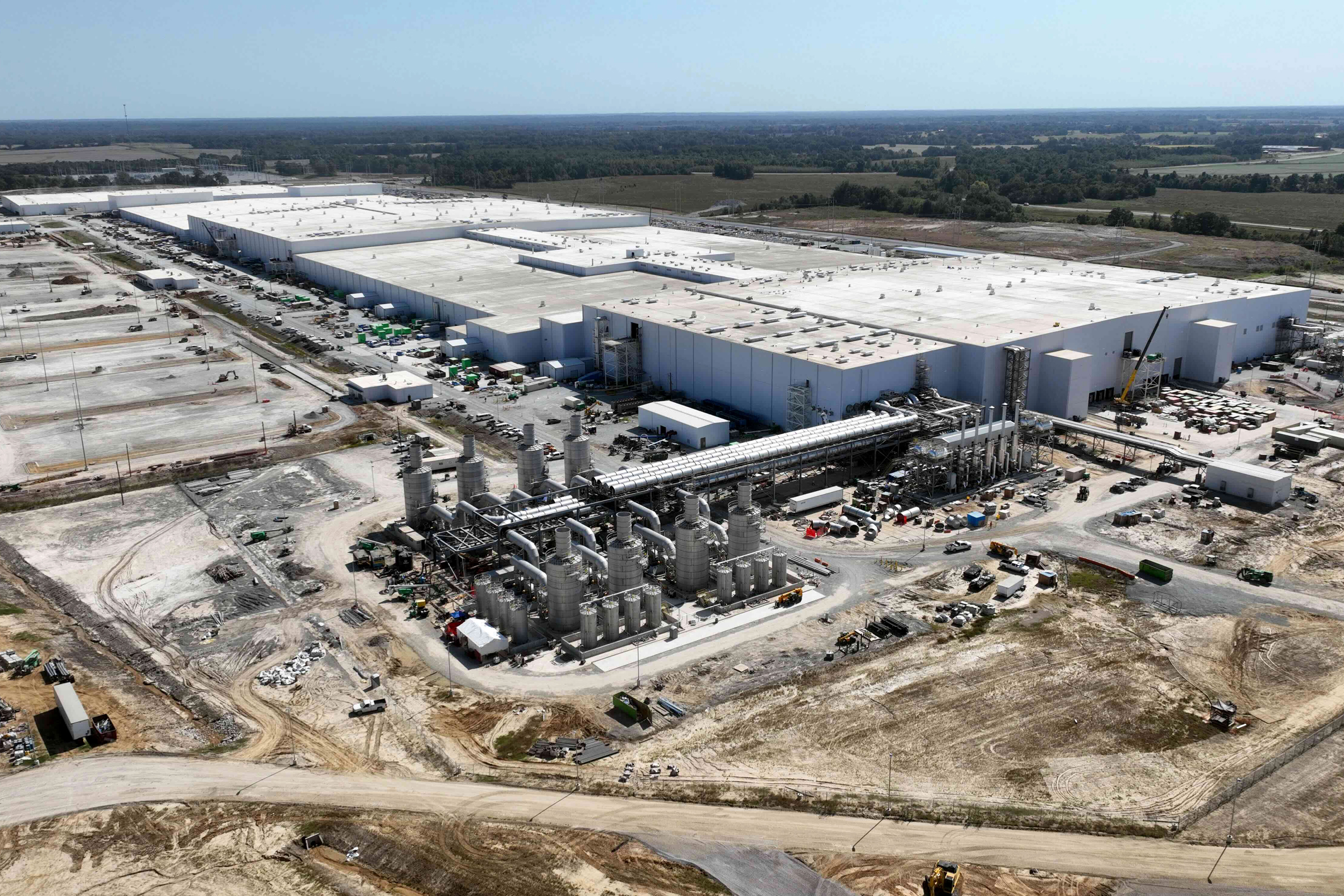
The company’s product range encompasses multiple battery types addressing different customer needs and budgets. Traditional tubular lead-acid batteries serve cost-conscious customers seeking reliable inverter backup at affordable price points. Flat-plate lead-acid batteries provide compact solutions for space-constrained installations. Lithium-ion batteries target premium customers valuing superior performance, lighter weight, and longer life. Solar energy storage systems integrate with rooftop solar installations enabling self-consumption and backup power. Battery energy storage systems serve commercial and industrial customers requiring larger capacity installations for business continuity and demand management.
Luminous positions itself as India’s largest energy storage system manufacturer with extensive distribution networks reaching even remote areas. The company’s trusted brand recognition built over three decades provides competitive advantages in both urban and rural markets. Luminous serves residential, industrial, and commercial market segments with differentiated solutions addressing specific requirements of homes, offices, retail establishments, manufacturing facilities, telecommunications towers, and data centers.
The company benefits from Schneider Electric’s global technology expertise and financial resources enabling continued investment in product development and manufacturing expansion. This backing positions Luminous to navigate the capital-intensive transition toward lithium-ion technologies while maintaining leadership in traditional battery segments. As India’s power infrastructure continues modernizing and renewable energy deployment accelerates, Luminous is well-positioned to supply energy storage solutions supporting grid stability and enabling greater solar and wind integration.
6. Okaya Power – Diversified Battery Solutions Across Segments
Okaya Power Private Limited has emerged as a significant player in India’s battery market by manufacturing diverse battery types addressing residential, industrial, and transportation applications. The company has powered over three million Indian households with its inverter and power backup solutions while accelerating presence in solar and lithium-ion storage segments. Okaya’s strategy emphasizes providing comprehensive energy solutions rather than focusing on single product categories.
The company manufactures conventional lead-acid batteries for automotive and inverter applications representing mature product lines with established market presence. Tubular batteries designed for deep discharge cycles serve inverter and solar applications where batteries experience regular charging and discharging. Solar energy storage systems integrate with rooftop solar installations enabling energy independence and backup power during grid outages. Lithium-ion battery packs address premium segments seeking lighter weight, faster charging, and longer operational life compared to lead-acid alternatives.
Okaya has invested in manufacturing infrastructure supporting both traditional and advanced battery technologies. The company maintains quality control systems ensuring consistent product performance and reliability critical for building brand reputation in competitive markets. Distribution networks span urban and rural areas enabling product availability across India’s diverse geographic markets from metropolitan centers to small towns and villages.
The company has recognized that India’s clean energy transition creates substantial opportunities for battery manufacturers willing to invest in new technologies and manufacturing capabilities. Okaya emphasizes leveraging Internet of Things and artificial intelligence-driven technologies to enhance battery safety, thermal management, and lifecycle efficiency. These smart battery systems provide remote monitoring, predictive maintenance alerts, and optimized charging algorithms extending battery life while improving user experience.
Okaya serves multiple customer segments with differentiated product offerings. Residential customers purchase inverter batteries, solar storage systems, and electric vehicle batteries for two-wheelers and three-wheelers. Commercial and industrial customers deploy larger battery banks for backup power, demand management, and renewable energy integration. Automotive original equipment manufacturers incorporate Okaya batteries in conventional and electric vehicles. This diversified customer base reduces dependence on any single market segment while enabling cross-selling opportunities.
The company participates in India’s electric vehicle ecosystem by manufacturing battery packs for electric two-wheelers, three-wheelers, and potentially four-wheelers as the market develops. This positions Okaya to benefit from accelerating electric vehicle adoption driven by government incentives, improving charging infrastructure, and growing consumer acceptance. The transition from internal combustion engines to electric powertrains represents a multi-decade opportunity for battery manufacturers capable of delivering reliable, cost-effective solutions meeting performance requirements of Indian consumers and vehicle manufacturers.
7. Tata AutoComp GY Batteries – Joint Venture Excellence
Tata AutoComp GY Batteries, commonly known as TGY Batteries, was established in October 2005 as a joint venture between Indian company Tata AutoComp Systems and Japanese company GS Yuasa International to manufacture and market automotive and inverter batteries under the Tata Green brand. This partnership combines Tata Group’s deep understanding of Indian markets and distribution capabilities with GS Yuasa’s advanced Japanese battery technology and manufacturing expertise accumulated over decades.
The joint venture structure provides several strategic advantages for competing in India’s battery market. GS Yuasa brings sophisticated battery chemistries, manufacturing processes, and quality control systems refined through supplying demanding Japanese automotive and industrial customers. Tata AutoComp contributes automotive industry relationships, established distribution networks, and operational excellence in Indian manufacturing environments. The Tata brand name provides instant credibility and trust among Indian consumers familiar with Tata Group’s reputation for quality and reliability across multiple industries.
TGY manufactures batteries for automotive applications including two-wheeler motorcycles and scooters, passenger cars, commercial vehicles including trucks and buses, and tractors serving India’s large agricultural sector. The company’s automotive batteries serve both original equipment manufacturers during vehicle production and replacement markets where vehicle owners purchase new batteries after original batteries reach end of life. Inverter batteries provide backup power for homes and small businesses experiencing frequent power disruptions common in many Indian cities and towns.
The company operates manufacturing facilities equipped with Japanese technology and processes ensuring consistent product quality meeting stringent performance and reliability standards. Production systems emphasize defect prevention through robust quality control at each manufacturing stage rather than relying solely on final inspection to catch problems. This approach reduces waste, improves yields, and delivers superior products to customers enhancing brand reputation and customer loyalty.
TGY’s market positioning emphasizes reliability, performance, and value rather than competing solely on lowest price. The company targets customers willing to pay modest premiums for proven quality and longer battery life reducing total cost of ownership despite higher initial purchase prices. This strategy aligns well with Tata Group’s broader market positioning across industries from automobiles to consumer goods emphasizing trustworthy products delivering long-term value.
The joint venture continues evaluating opportunities to expand into emerging battery technologies including lithium-ion cells for electric vehicles and energy storage systems. Such expansion would leverage existing manufacturing capabilities, distribution networks, and brand equity while positioning TGY to participate in India’s transition toward electrified transportation and renewable energy integration. The partnership with GS Yuasa provides potential access to advanced lithium-ion technologies as Japanese companies remain global leaders in battery innovation and manufacturing.
8. Su-Kam Power Systems – Innovation in Power Backup Solutions
Su-Kam Power Systems was founded in 1988 by Kunwer Sachdev, who built the business from a startup operation in Gurugram into a major player in India’s power solutions market for inverters, batteries, and solar products. The company has focused on addressing India’s chronic power supply challenges by developing innovative backup power systems enabling homes and businesses to maintain operations during frequent electricity disruptions common across much of the country.
Su-Kam offers diverse battery types optimized for different applications and customer requirements. Tubular batteries marketed under brand names including Bazooka, Big Warrior, Samurai, Jumboz, and Power Grand serve inverter and solar applications requiring deep discharge capabilities. These batteries feature robust construction enabling thousands of charge-discharge cycles over multi-year operational lifespans. Flat-plate batteries provide compact alternatives for space-constrained installations where height restrictions limit tubular battery options.
The company emphasizes continuous product innovation to differentiate from competitors in increasingly crowded markets. Su-Kam has introduced features including advanced electrolyte formulations extending battery life, improved grid designs enhancing current collection, and sealed maintenance-free constructions eliminating need for regular water additions. These innovations address common customer pain points while potentially commanding price premiums over basic commodity batteries.
Su-Kam’s distribution strategy encompasses both direct sales through company showrooms and partnerships with thousands of independent dealers spanning urban centers and rural areas across India. This extensive distribution network provides competitive advantages in reaching customers across India’s diverse geographic markets where logistics and last-mile delivery present challenges for manufacturers lacking established distribution infrastructure. Dealer relationships developed over decades provide valuable market intelligence on evolving customer preferences and competitive dynamics.
The company has expanded beyond traditional lead-acid batteries into solar energy solutions including rooftop solar panels, solar charge controllers, and solar inverters creating comprehensive solar energy systems when combined with battery storage. This integrated approach simplifies customer decision-making by providing complete solutions from a single supplier rather than requiring customers to integrate components from multiple manufacturers. Su-Kam’s expertise in power electronics for inverters and charge controllers complements its battery manufacturing capabilities creating natural synergies.
Su-Kam faces intensifying competition from both established manufacturers like Exide and Luminous as well as new entrants attracted by India’s growing power backup and renewable energy markets. Maintaining differentiation through innovation, brand building, and customer service remains critical for sustaining market position and profitability. The company’s founder-led entrepreneurial culture provides agility to respond quickly to market changes while extensive industry experience enables informed strategic decision-making navigating evolving competitive and technological landscapes.
9. Eveready Industries India – Trusted Name in Primary Batteries
Eveready Industries India represents one of India’s most recognized and trusted battery brands, dominating the primary battery segment with particular strength in zinc-carbon and alkaline cells powering everyday consumer devices. The company’s brand recognition built over decades provides substantial competitive advantages in retail channels where consumers frequently purchase batteries based on familiarity and trust rather than detailed technical comparisons.
Eveready’s core product portfolio focuses on primary non-rechargeable batteries serving mass-market consumer applications. Zinc-carbon batteries provide economical power for basic devices including remote controls, wall clocks, and toys where consumers prioritize low cost over maximum performance or longevity. Alkaline batteries deliver superior performance and longer runtime for higher-drain devices including digital cameras, wireless computer accessories, and children’s electronic toys. The company also manufactures lithium coin cells powering watches, calculators, and small electronic devices requiring compact, long-lasting power sources.
The company has expanded beyond primary batteries into rechargeable battery solutions including nickel-metal hydride batteries for consumers seeking environmentally-friendly reusable options. Additionally, Eveready manufactures flashlights, lanterns, and related lighting products representing natural complementary products using the same retail distribution channels and benefiting from the company’s strong brand recognition in power and lighting categories.
Eveready’s distribution strategy emphasizes ubiquitous availability through millions of retail outlets spanning modern retail chains, traditional independent shops, and even small neighborhood stores in villages across India. This extensive distribution network built over decades represents a formidable competitive barrier enabling Eveready to maintain market leadership despite intense competition from domestic and international brands. The company’s trade marketing programs ensure prominent shelf placement, point-of-purchase displays, and retailer incentives driving sell-through in crowded retail environments.
The primary battery market faces structural headwinds from rechargeable alternatives and devices with built-in rechargeable batteries reducing consumer need for disposable battery purchases. Eveready has responded by emphasizing premium alkaline batteries delivering better value through longer runtime despite higher prices compared to zinc-carbon alternatives. The company also promotes environmental responsibility through battery recycling programs and reduced mercury content addressing growing environmental consciousness among Indian consumers.
While Eveready’s traditional business focuses on primary batteries, the company explores opportunities in emerging segments including lithium-ion battery packs for portable power banks, electric vehicle batteries, and energy storage systems. Such diversification would require substantial capital investment and technology partnerships given the significant differences between manufacturing primary batteries and advanced rechargeable lithium-ion cells. Strategic decisions balancing resource allocation between defending core businesses and investing in growth opportunities will shape Eveready’s relevance in India’s rapidly evolving battery landscape.
10. Shizen Energy – Emerging Player in Lithium-Ion Battery Packs
Shizen Energy has rapidly emerged as an innovative manufacturer of advanced lithium-ion battery packs based primarily on Lithium Iron Phosphate chemistry known for safety, longevity, and cost-effectiveness. The company focuses on manufacturing complete battery packs rather than individual cells, assembling imported cells into integrated systems with battery management electronics, thermal management, and mechanical packaging tailored to specific applications.
The company manufactures battery packs serving diverse applications across electric mobility and stationary energy storage segments. Electric vehicle batteries power two-wheelers, three-wheelers, and potentially four-wheelers as adoption accelerates. Energy storage systems serve residential applications including solar battery storage and backup power as well as commercial and industrial installations for demand management and renewable integration. Uninterruptible power supply systems provide critical backup power for data centers, telecommunications infrastructure, and essential facilities. Material handling equipment including golf carts, automated guided vehicles, and warehouse equipment increasingly utilize lithium-ion batteries offering superior performance compared to traditional lead-acid alternatives.
Shizen Energy emphasizes fast charging capabilities enabling rapid battery replenishment reducing downtime for commercial vehicle operations and improving user convenience for consumer applications. Reliability represents another key focus with robust battery management systems monitoring cell voltages, temperatures, and current flows preventing unsafe operating conditions while maximizing battery longevity. The company’s engineering capabilities include customizing battery packs to specific voltage, capacity, and physical configuration requirements enabling tailored solutions for specialized applications.
The company’s business model focuses on battery pack assembly and integration rather than cell manufacturing, allowing capital-efficient operations without massive investments required for cell production. This approach enables faster market entry and operational flexibility adapting to evolving cell technologies without legacy manufacturing constraints. However, dependence on imported cells exposes the company to supply chain vulnerabilities, price fluctuations, and limited ability to differentiate products based on cell-level innovations.
Shizen Energy competes in an increasingly crowded market with numerous battery pack assemblers serving India’s electric vehicle and energy storage sectors. Differentiation through superior thermal management, robust battery management systems, and strong customer relationships remains essential for sustainable competitive advantage. As more manufacturers including Exide, Amara Raja, and Ola Electric establish domestic cell manufacturing capabilities, pack assemblers face potential pressure from vertically integrated competitors capable of controlling entire value chains from cells through complete battery systems.
The company’s growth trajectory depends on continued electric vehicle adoption and energy storage deployment creating sustained demand for lithium-ion battery packs. Strategic decisions regarding vertical integration, technology partnerships, and market positioning will determine whether Shizen Energy evolves into a major player or remains a niche provider in India’s dynamic battery ecosystem. Building brand recognition and establishing long-term customer relationships with vehicle manufacturers and system integrators represents critical priorities for sustainable business development.
The Future of Indian Battery Manufacturing
India’s battery manufacturing sector enters a transformative phase in 2026 with massive investments creating domestic cell production capabilities reducing dependence on imports while positioning India as a potential battery exporter to global markets. The transition from primarily assembling imported cells into complete packs to manufacturing sophisticated lithium-ion cells represents a strategic priority for India’s energy independence and industrial competitiveness.
Several trends will shape the industry’s evolution through the remainder of the decade. Government support through production-linked incentives will continue driving private investment in cell manufacturing, though manufacturers must achieve production targets and technology milestones to receive incentive payments. Technology partnerships with global battery leaders will accelerate Indian manufacturing capabilities while raising concerns about long-term technology dependence and strategic vulnerabilities given geopolitical tensions.
Raw material security emerges as a critical challenge with India lacking significant domestic lithium, nickel, and cobalt resources essential for battery production. Securing long-term supply agreements, investing in overseas mining assets, and developing alternative battery chemistries using more abundant materials represent strategies manufacturers are pursuing. India’s emphasis on sodium-ion battery development offers potential pathways reducing lithium dependence while aluminum-ion and zinc-based batteries represent longer-term alternatives pending technological breakthroughs.
Manufacturing localization will progressively expand beyond cell production to include electrode manufacturing, separator production, and electrolyte manufacturing capturing greater value while strengthening supply chain resilience. Companies like Ola Electric already implementing in-house electrode production demonstrate this trend toward deeper vertical integration. Investment in battery recycling infrastructure will become increasingly important as volumes of end-of-life batteries grow, enabling recovery of valuable materials while addressing environmental concerns.

The competitive landscape will likely consolidate as capital-intensive nature of battery manufacturing favors larger players capable of achieving economies of scale. Smaller battery pack assemblers may face pressure from vertically integrated manufacturers unless they establish strong niches in specialized applications or develop proprietary technologies creating differentiation. International battery manufacturers including Chinese, Korean, and Japanese companies may establish Indian manufacturing through joint ventures or wholly-owned subsidiaries leveraging global scale and technology while accessing Indian markets and potential export opportunities.
Electric vehicle adoption trajectories will fundamentally determine domestic battery demand with current projections suggesting electric two-wheelers could reach fifty-six percent market penetration by fiscal year 2028 from just four point five percent in fiscal year 2023. Four-wheeler electrification will follow with increasing model availability, declining battery costs, and expanding charging infrastructure. Commercial vehicles including electric buses and delivery vans represent substantial opportunities given total cost of ownership advantages and government mandates favoring electric public transportation.
Stationary energy storage deployment will accelerate supporting renewable energy integration, providing grid services, and enabling energy access in areas lacking reliable grid connectivity. India’s ambitious renewable energy targets requiring five hundred gigawatts by 2030 alongside the National Green Hydrogen Mission create massive energy storage requirements. Battery manufacturers serving both mobility and stationary applications gain diversification reducing dependence on single market segments while improving manufacturing asset utilization.
Conclusion
India’s top ten battery manufacturers in 2026 represent a dynamic mix of established leaders transforming traditional businesses, ambitious new entrants pursuing vertical integration, specialized players serving strategic sectors, and diversified companies balancing multiple battery technologies and applications. From Exide Industries’ seventy-eight year legacy and Amara Raja’s technology leadership to Ola Electric’s aggressive cell manufacturing and HBL’s defense focus, these companies collectively shape India’s energy future.
The sector’s transformation from importing cells to domestic manufacturing represents a strategic priority for India’s industrial policy, energy security, and climate commitments. Success requires continued government support through incentives and enabling policies, massive private capital investment totaling hundreds of billions of rupees, technology partnerships accelerating manufacturing capabilities while managing strategic dependencies, and raw material security ensuring reliable supply of critical inputs.
For businesses and consumers, India’s expanding domestic battery manufacturing promises greater product availability, improving quality through competition and technology advancement, declining prices through scale economies and localization, and enhanced energy security reducing vulnerability to supply disruptions. The battery manufacturers profiled in this analysis are not merely producing commodities but enabling India’s transition toward electrified transportation, renewable energy integration, and distributed energy resources fundamentally transforming how Indians generate, store, and consume energy.
As India pursues its ambitious goal of becoming a net-zero emitter by 2070, batteries will play an absolutely central role bridging intermittent renewable generation with constant power demand, enabling clean electric transportation replacing polluting internal combustion engines, and providing energy access to underserved populations lacking reliable grid connectivity. The top ten battery manufacturers examined here are thus not simply commercial enterprises but essential enablers of India’s sustainable energy future, deserving attention from investors, policymakers, and citizens alike invested in India’s economic growth and environmental stewardship.