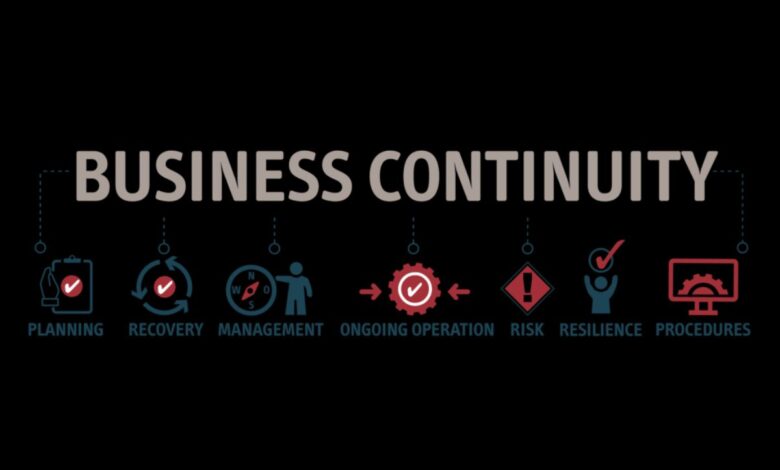
Understanding business continuity requires recognizing a fundamental truth about modern organizations: every business, regardless of size or industry, faces the constant possibility of disruption from events ranging from natural disasters and cyber attacks to pandemics, supply chain failures, and technology outages. Business continuity planning represents the systematic approach organizations take to ensure they can maintain critical operations during these disruptions and recover quickly afterward.
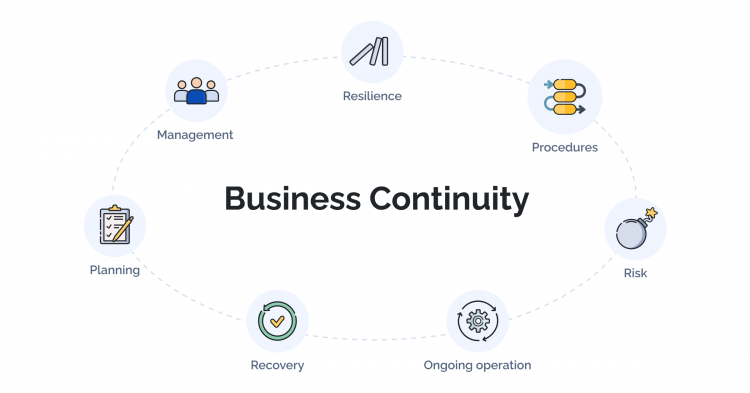
This is not merely about having backup systems in place, although that certainly plays a role. Rather, comprehensive business continuity encompasses understanding which business functions are truly critical, what resources those functions require, what threats could disrupt them, and what specific steps the organization will take to maintain operations or recover when disruptions occur. The firms examined in this guide represent the leading providers of business continuity consulting, technology platforms, and managed services that help organizations build, test, and maintain these critical capabilities.
1. Sungard Availability Services
Sungard Availability Services, often simply called Sungard AS, stands as one of the most established and comprehensive providers of business continuity and disaster recovery services globally. The company has built its reputation over decades by providing organizations with the infrastructure, technology, and expertise needed to maintain operations during disruptions. What makes Sungard particularly valuable is how it combines physical recovery facilities with cloud-based solutions and managed services to create comprehensive continuity capabilities that can address virtually any disruption scenario an organization might face.
The company operates production and recovery data centers around the world, providing organizations with options for hosting critical systems in geographically diverse locations to ensure that regional disasters cannot affect both primary and backup systems simultaneously. Sungard’s recovery services include workspace recovery, where employees can relocate to fully equipped backup facilities during disruptions, technology recovery that provides temporary access to computing infrastructure, and managed recovery services where Sungard operates backup systems on behalf of clients. The firm has evolved beyond traditional disaster recovery to offer cloud-based continuity solutions that eliminate the need for organizations to maintain their own backup infrastructure, instead providing recovery capabilities as a service that scales with organizational needs.
2. IBM Consulting
IBM brings its extensive technology expertise and global reach to business continuity through comprehensive consulting and managed services that help organizations build resilient operations capable of withstanding various disruptions. The company approaches business continuity not as an isolated IT function but as a strategic business imperative that requires coordination across technology, operations, people, and processes. IBM’s business continuity and resilience services draw upon decades of experience helping organizations navigate disruptions and the technical capabilities to implement sophisticated solutions.
IBM helps clients develop business continuity strategies aligned with their specific risk profiles and business objectives, then implements the technology and processes needed to execute those strategies effectively. This includes designing and implementing backup and recovery systems, developing and documenting business continuity plans, conducting testing and simulation exercises to validate plan effectiveness, and providing ongoing management of continuity capabilities. IBM’s hybrid cloud platform enables flexible deployment of backup and recovery capabilities across on-premises infrastructure, private clouds, and public clouds, allowing organizations to optimize for cost, performance, and regulatory requirements. The company’s artificial intelligence capabilities increasingly enable predictive approaches to continuity management that can identify potential disruptions before they occur and automate recovery processes to minimize downtime.
3. Agility Recovery
Agility Recovery has distinguished itself by providing business continuity solutions specifically designed for the needs of small and medium-sized organizations that may lack the resources and expertise of large enterprises but face equally serious consequences from disruptions. The company recognizes that effective business continuity requires not just technology solutions but also practical planning tools, expert guidance, and ongoing support that helps organizations maintain preparedness over time rather than treating continuity as a one-time project that quickly becomes outdated.
Agility Recovery provides a comprehensive platform that guides organizations through the process of identifying critical business functions, assessing risks and vulnerabilities, developing response and recovery plans, and maintaining those plans as the business evolves. The platform includes templates and frameworks that accelerate plan development while ensuring comprehensive coverage of important continuity elements. Beyond planning software, Agility Recovery offers physical recovery solutions including mobile recovery units that can be deployed to client sites during disruptions, workspace recovery facilities, and technology recovery services. The company’s subscription model makes enterprise-grade business continuity capabilities accessible to organizations that could not afford to build equivalent capabilities themselves, while ongoing support and guidance help ensure plans remain current and effective.
4. Fusion Risk Management
Fusion Risk Management provides a comprehensive software platform that helps organizations manage the full lifecycle of business continuity, disaster recovery, and incident management activities. The company’s approach recognizes that effective continuity management requires ongoing attention rather than periodic planning exercises, and provides tools that integrate continuity planning with day-to-day risk management and operational resilience activities. This integration ensures that continuity plans reflect current business realities and that organizations can respond effectively when disruptions occur.
The Fusion platform enables organizations to conduct business impact analyses that identify critical functions and dependencies, develop comprehensive continuity and recovery plans, manage exercises and tests that validate plan effectiveness, and coordinate response activities during actual incidents. The software provides workflow capabilities that guide users through complex planning processes, ensuring nothing gets overlooked while maintaining flexibility to accommodate unique organizational requirements. Fusion’s analytics and reporting capabilities help organizations measure continuity program effectiveness, identify gaps and vulnerabilities, and demonstrate compliance with regulatory requirements and industry standards. The platform’s mobile capabilities ensure that responders can access critical information and coordinate activities even when normal communication channels and systems are unavailable during disruptions.
5. Castellan Solutions
Castellan Solutions has built a strong reputation in business continuity consulting by focusing on helping organizations develop practical, actionable continuity programs that balance comprehensive protection with operational realities and resource constraints. The firm recognizes that business continuity is not an end in itself but a means to protect the organization’s ability to serve customers, meet obligations, and achieve strategic objectives. This business-focused approach ensures that continuity investments align with actual business priorities and risks rather than pursuing theoretical perfection that may not deliver proportional value.
Castellan provides consulting services spanning the entire business continuity lifecycle, from initial program development and business impact analysis through plan development, testing and exercises, training and awareness programs, and ongoing program maintenance and improvement. The firm helps organizations navigate the various frameworks and standards that govern business continuity, including ISO 22301 for business continuity management systems and industry-specific requirements in sectors like financial services, healthcare, and critical infrastructure. Castellan’s consultants bring practical experience from working across numerous industries and organization types, enabling them to share proven practices while adapting approaches to unique client circumstances. The firm’s emphasis on embedding continuity into organizational culture and day-to-day operations helps ensure that preparedness becomes sustainable rather than declining after initial implementation efforts.
6. Kroll
Kroll brings a distinctive perspective to business continuity through its broader focus on risk, investigations, and crisis management. The firm recognizes that business continuity planning cannot be separated from the broader risk landscape that organizations navigate, including cybersecurity threats, regulatory compliance, reputation risks, and complex crises that may involve legal, financial, and operational dimensions simultaneously. This integrated approach ensures that continuity planning considers the full range of disruption scenarios organizations might face rather than focusing narrowly on traditional disaster recovery.
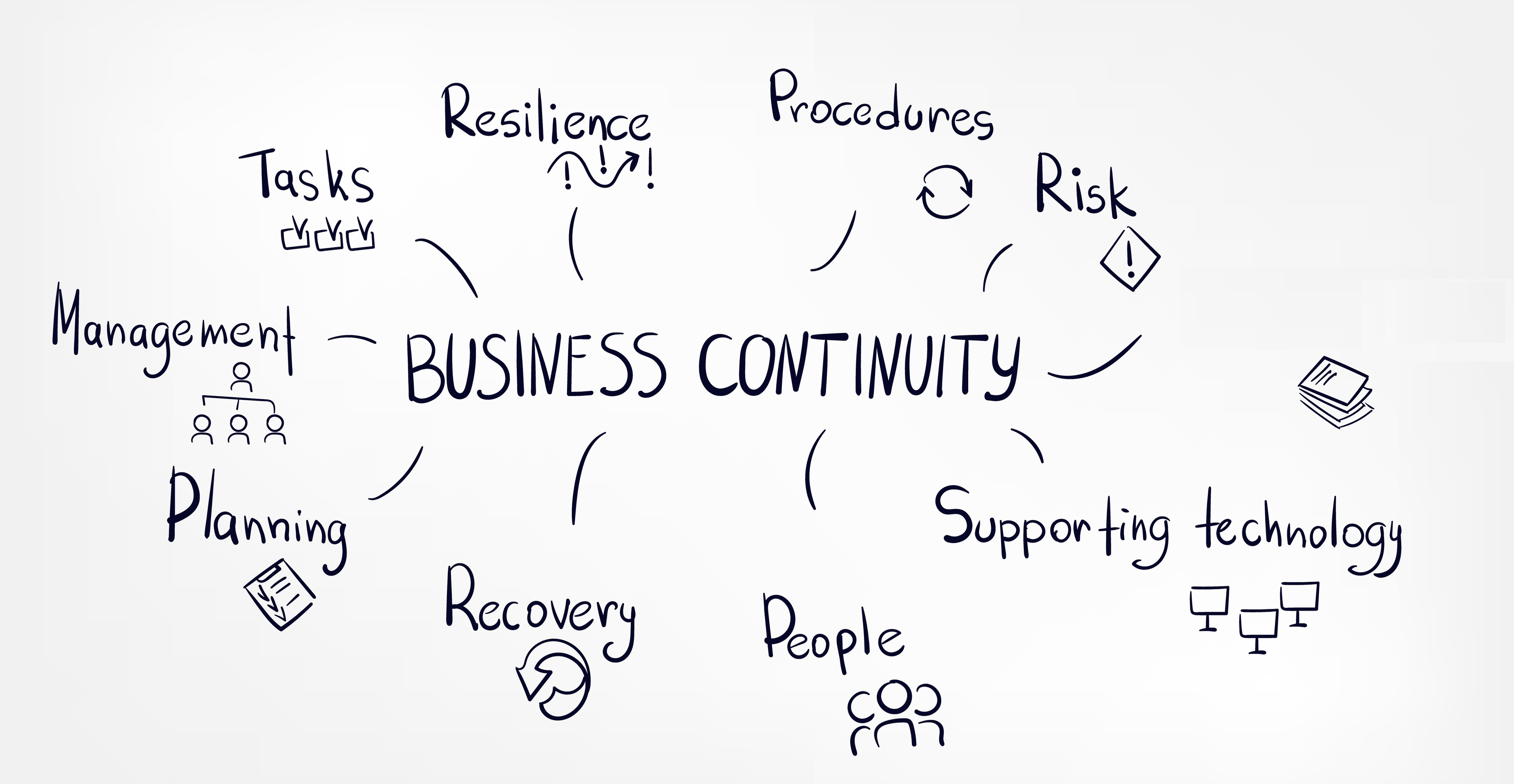
Kroll’s business continuity and resilience services help organizations prepare for and respond to disruptions through comprehensive planning, crisis management capabilities, and incident response expertise. The firm combines strategic consulting that helps organizations understand their risk exposures and develop appropriate resilience strategies with operational support during actual crises including crisis management team activation, stakeholder communication, and coordination of response activities. Kroll’s global presence and cross-functional expertise enable it to support organizations facing complex, multi-dimensional crises that require coordinating response across legal, technical, communications, and operational domains. The firm’s experience responding to high-profile incidents provides practical insights that inform client planning and preparation activities.
7. Dewpoint
Dewpoint has established itself as a specialized business continuity consulting firm focused on helping organizations develop and maintain effective continuity and resilience programs. The company’s consultants bring deep expertise in business continuity methodologies, frameworks, and best practices developed through years of dedicated focus on this discipline. This specialization allows Dewpoint to provide sophisticated guidance on complex continuity challenges while remaining accessible to organizations at various stages of continuity program maturity.
Dewpoint provides consulting services that span business continuity program design and implementation, business impact analysis and risk assessment, plan development and documentation, testing and exercise facilitation, and program management and continuous improvement. The firm helps organizations navigate regulatory requirements and industry standards while ensuring that continuity programs remain practical and aligned with business needs. Dewpoint’s approach emphasizes building internal organizational capabilities rather than creating ongoing consulting dependencies, helping clients develop the knowledge and skills needed to maintain and evolve their continuity programs independently. The firm’s experience across industries including financial services, healthcare, technology, and manufacturing provides valuable cross-pollination of ideas and practices that benefit client engagements.
8. Continuity Logic
Continuity Logic provides business continuity planning software designed to make the complex process of developing and maintaining continuity plans more accessible and manageable for organizations of various sizes. The company recognizes that many organizations struggle with business continuity not because they lack commitment or resources, but because the planning process can be overwhelming and difficult to sustain over time as organizations and threats evolve. Continuity Logic addresses these challenges through software that guides users through planning processes while providing flexibility to accommodate unique organizational requirements.
The platform enables organizations to conduct business impact analyses, identify critical dependencies and recovery requirements, develop comprehensive continuity and recovery plans, and maintain those plans through structured review and update processes. Continuity Logic provides templates and frameworks aligned with recognized business continuity standards and best practices, accelerating plan development while ensuring comprehensive coverage. The software includes capabilities for managing exercises and tests, tracking plan maintenance activities, and generating reports that demonstrate program status and compliance. The platform’s collaborative features enable multiple stakeholders across the organization to contribute to planning processes while maintaining appropriate governance and version control.
9. Avalution Consulting
Avalution Consulting has built its practice around helping organizations develop comprehensive business continuity and disaster recovery programs that address both immediate preparedness needs and long-term resilience objectives. The firm takes a collaborative approach to consulting that emphasizes working alongside client teams to build internal capabilities rather than simply delivering plans and recommendations that clients may struggle to implement and maintain. This approach recognizes that sustainable business continuity requires organizational commitment and capability beyond what external consultants can provide.
Avalution provides services including business continuity program assessment and design, business impact analysis facilitation, plan development and documentation, testing and exercise design and execution, and training and awareness programs. The firm helps organizations understand how business continuity connects with related disciplines including disaster recovery, crisis management, incident response, and operational resilience, ensuring that planning efforts consider the full spectrum of disruption scenarios. Avalution’s consultants bring experience across various industries and organization types, enabling them to share proven practices while recognizing that effective continuity planning must reflect each organization’s unique context, risks, and constraints.
10. RiskLogic
RiskLogic provides business continuity management software that helps organizations plan for, respond to, and recover from disruptions through integrated capabilities spanning continuity planning, incident management, crisis communication, and program management. The company’s platform recognizes that effective business continuity requires connecting strategic planning with operational execution, ensuring that the plans organizations develop can actually be activated and executed effectively during real disruptions when stress levels are high and normal communication channels may be compromised.
The RiskLogic platform guides organizations through the process of identifying critical business functions and dependencies, assessing risks and potential impacts, developing response and recovery strategies, and documenting comprehensive continuity plans. The software includes incident management capabilities that enable organizations to coordinate response activities during disruptions, track action items and decisions, and communicate with stakeholders through multiple channels. RiskLogic’s analytics and reporting features help organizations measure continuity program effectiveness, identify trends and areas for improvement, and demonstrate compliance with regulatory requirements and industry standards. The platform’s cloud-based architecture ensures that continuity plans and incident management capabilities remain accessible even during disruptions that affect primary facilities or systems.
Conclusion
The business continuity landscape in 2026 reflects growing recognition that organizational resilience requires more than basic disaster recovery capabilities. The firms examined in this guide represent different approaches to helping organizations prepare for and respond to disruptions, from comprehensive infrastructure providers like Sungard Availability Services and consulting firms like IBM and Kroll, to specialized software platforms like Fusion Risk Management and Continuity Logic, to focused consulting practices like Castellan Solutions and Dewpoint. This diversity ensures that organizations of various sizes, industries, and maturity levels can find solutions appropriate to their specific needs and circumstances.
Understanding these firms requires recognizing that effective business continuity is not a one-time project but an ongoing program that must evolve as organizations change, threats emerge, and lessons are learned from exercises and actual incidents. The most successful continuity programs combine appropriate technology platforms with expert guidance, executive support, organizational commitment, and regular testing that validates plan effectiveness. As organizations face increasingly complex and interconnected risks including cyber threats, climate change impacts, supply chain vulnerabilities, and geopolitical instability, investment in business continuity capabilities represents not just prudent risk management but a strategic imperative that enables organizations to protect stakeholder value and maintain competitive position even when facing significant disruptions.