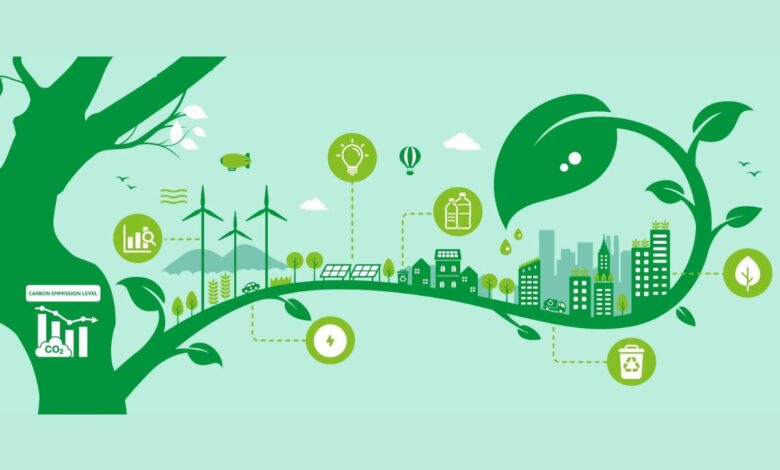
Carbon offset platforms have evolved from a niche concept into sophisticated marketplaces channeling billions of dollars toward environmental projects that remove or prevent greenhouse gas emissions. Understanding these platforms requires grasping a fundamental principle: every ton of carbon dioxide in the atmosphere contributes equally to climate change regardless of where it originated. This means reducing emissions in one location can compensate for emissions occurring elsewhere.
The carbon offset market has matured substantially, moving from a loosely regulated space to an increasingly rigorous ecosystem with sophisticated verification standards and technological tracking systems. Modern platforms provide transparency into where offset funding goes, how projects are verified, and what additional benefits they provide to local communities. This evolution has transformed carbon offsets from a controversial solution into a legitimate component of comprehensive climate strategies.
1. Verra: The Industry Foundation
Verra stands as the foundational institution that essentially created the modern voluntary carbon market through its Verified Carbon Standard, the most widely used certification program for carbon offset projects globally. Think of Verra as similar to how Underwriters Laboratories certifies electrical safety. Their role involves establishing rigorous methodologies for measuring carbon reductions and ensuring projects meet strict criteria before issuing credits.
When a forest conservation project in Indonesia or a cookstove program in Kenya wants to generate carbon credits, they must follow Verra’s detailed methodologies specifying exactly how carbon reductions should be measured, what baseline scenarios should be used for comparison, and how to account for leakage where reductions in one area might shift emissions elsewhere. Independent third-party auditors verify that projects meet these standards before Verra issues credits.
The platform has certified thousands of projects across renewable energy, agricultural soil carbon, and industrial emission reductions. This diversity matters because different companies prefer different project types. Verra’s registry tracks credit ownership and ensures each credit can only be used once, preventing double-counting that plagued early carbon markets. Beyond carbon accounting, Verra increasingly emphasizes co-benefits like job creation, biodiversity protection, and improved health outcomes.
2. Gold Standard: Sustainable Development Focus
Gold Standard emerged from a desire to ensure carbon offset projects deliver benefits beyond just carbon reduction. Founded by environmental organizations including WWF and backed by rigorous sustainable development criteria, Gold Standard requires projects to demonstrate positive impacts for local communities alongside climate benefits. This means projects must contribute to clean water access, gender equality, improved livelihoods, or other United Nations Sustainable Development Goals.
A cookstove project in Sub-Saharan Africa, for example, reduces emissions by burning fuel more efficiently while also reducing indoor air pollution causing respiratory illness, decreasing time women spend collecting firewood, and lowering deforestation pressure. Gold Standard’s certification evaluates all these dimensions.
The platform has been particularly influential in setting high standards for additionality, meaning projects must prove they would not have happened without carbon credit revenue. Gold Standard employs rigorous additionality testing to ensure certified projects genuinely need offset revenue to proceed. Corporate buyers often prefer Gold Standard credits when they want to tell compelling stories about offset purchases since co-benefits provide rich narratives about positive social impact.
3. Climate Action Reserve: North American Expertise
Climate Action Reserve has established itself as the premier carbon offset registry for projects in North America, developing rigorous protocols specifically tailored to the United States and Mexico. While global platforms certify projects worldwide, Climate Action Reserve’s specialization in North American projects means deep expertise in specific project types, regulatory environments, and baseline conditions relevant to this region.
The platform has created detailed protocols for forest management projects improving carbon storage in working forests, livestock methane reduction through improved manure management, and organic waste composting preventing methane emissions from landfills. These protocols reflect careful consideration of region-specific factors like forest growth rates in different climate zones and agricultural practices common in American farming.
Climate Action Reserve focuses on creating protocols aligned with California’s cap-and-trade program, the most comprehensive carbon market in North America. This alignment creates pathways for projects to generate credits usable in voluntary markets or for regulatory compliance, increasing value and liquidity. The registry maintains transparent tracking where anyone can look up individual projects, see verification history, and understand exactly how many credits have been issued and retired.
4. Puro.earth: Engineered Carbon Removal
Puro.earth represents a newer generation focused specifically on engineered carbon removal methods rather than traditional avoidance projects. Many carbon offset projects prevent emissions that would otherwise occur, like protecting forests from deforestation. Engineered removal projects actively extract carbon dioxide already in the atmosphere and store it permanently, representing a fundamentally different approach.
The platform has developed standards for emerging technologies including biochar production, where agricultural waste converts into stable carbon-rich material buried in soil, and bio-oil injection, where plant matter transforms into liquid carbon injected underground for geological storage. These approaches appeal to companies seeking permanent carbon removal rather than temporary storage.
Puro.earth’s verification focuses heavily on permanence and quantification accuracy. When biochar is added to agricultural fields, extensive documentation proves it will stay in soil for centuries rather than decomposing back into atmospheric carbon. This scientific rigor has attracted corporate buyers concerned about long-term integrity. The platform pioneered carbon removal certificates distinguishing between different permanence categories, allowing buyers to make informed choices based on specific requirements.
5. South Pole: Full-Service Climate Solutions
South Pole approaches carbon offsets as one component of comprehensive climate services, combining project development, carbon credit origination, and sustainability consulting. This full-service model means they work with companies not just to purchase offsets but to develop complete decarbonization strategies where offsets complement emission reduction efforts.
The platform has developed diverse projects across renewable energy, forest conservation, water purification, and agricultural improvements on every continent. South Pole emphasizes custom project development tailored to specific corporate needs. They advocate strongly that companies should first reduce their own emissions through operational improvements, renewable energy procurement, and supply chain optimization before using offsets for residual emissions.
South Pole provides detailed project information including carbon impact and United Nations Sustainable Development Goal contributions, helping companies understand and communicate broader benefits. Their quality standards require projects certified under recognized schemes like Verra or Gold Standard, adding due diligence beyond certification standards themselves.
6. Pachama: Technology-Driven Forest Monitoring
Pachama represents the cutting edge by applying artificial intelligence, satellite imagery, and remote sensing technology to forest carbon projects. Traditional forest offset verification relied on field measurements and periodic audits, which are expensive and provide only snapshots. Pachama’s technology enables continuous monitoring of forest carbon stocks with unprecedented accuracy and cost-efficiency.
The platform uses machine learning algorithms trained on satellite data to estimate forest biomass and track changes over time. If protected forests show degradation or illegal logging, Pachama’s systems detect changes quickly rather than waiting for scheduled audits. This real-time monitoring addresses persistent concerns about forest offset permanence and reversal risks from fires, disease, or illegal harvesting.
Calculating forest carbon involves complex measurements of tree species, sizes, densities, and growth rates across vast areas. Traditional methods are imprecise and expensive, creating credibility concerns and practical barriers. Pachama created a marketplace where forest projects verified through their technology connect with corporate buyers seeking high-integrity forest credits with complete transparency into locations, carbon estimates, and monitoring methodologies.
7. Nori: Agricultural Carbon Simplification
Nori focuses specifically on soil carbon sequestration from agricultural practices while creating remarkably simple purchasing processes. Agriculture represents enormous opportunity for carbon sequestration since healthy soils store vast amounts of carbon when farmers adopt practices like cover cropping, reduced tillage, and crop rotation. However, measuring and verifying soil carbon has traditionally been complex and expensive.
The platform streamlined farmer participation by developing methodology relying primarily on modeling rather than extensive soil sampling. Farmers provide information about management practices, and Nori’s models estimate carbon sequestration based on scientifically validated relationships between practices and soil carbon accumulation. This dramatically reduces transaction costs compared to protocols requiring intensive soil sampling.

Nori operates as a simple marketplace where buyers see available carbon removal tons, the farming practices that generated them, and purchase directly with transparent pricing. The platform focuses on agricultural carbon representing co-benefits beyond climate impact, including improved soil health increasing farm resilience and productivity. Farmers adopting regenerative practices often see better water retention, reduced fertilizer needs, and improved soil fertility alongside carbon sequestration.
8. Toucan Protocol: Blockchain Integration
Toucan Protocol represents the intersection of carbon offsets and blockchain technology, creating digital infrastructure bringing traditional carbon credits onto decentralized finance platforms. Carbon credits have historically traded in fragmented markets with limited liquidity and transparency. Toucan bridges credits from established registries like Verra onto blockchain platforms where they can be traded, fractionalized, and integrated into various financial applications.
The platform tokenizes verified carbon credits, creating digital representations maintaining all attributes and retirement capabilities of traditional credits while gaining blockchain benefits including transparent ownership tracking, instant settlement, and composability with other digital assets. This has opened carbon credits to entirely new buyer categories and applications beyond traditional corporate offset purchases.
Toucan’s innovation enabled creation of carbon-backed digital currencies and integration into decentralized finance protocols where credits serve as collateral, pool into index products, or facilitate automatic carbon neutrality for blockchain transactions. The platform maintains rigorous standards for which credits can be bridged, requiring verification from recognized standards bodies and screening out credits with quality concerns.
9. Climate Vault: Compliance Market Integration
Climate Vault created an innovative model connecting voluntary carbon action with mandatory compliance markets, particularly the European Union Emissions Trading System. The concept is elegantly powerful: Climate Vault purchases and permanently locks away emissions allowances from compliance markets, effectively tightening caps and forcing greater emission reductions from regulated industries.
Compliance markets operate under government-set caps, with companies receiving or purchasing allowances permitting specific emission amounts. When someone purchases allowances and removes them from circulation, total emissions under the cap decrease. Climate Vault enables individuals and companies not subject to caps to effectively buy down caps, translating voluntary action into mandatory emission reductions.
This addresses fundamental criticism that traditional offsets may simply rearrange where emissions occur rather than reducing total global emissions. By removing compliance allowances, Climate Vault creates verifiable scarcity in regulated markets, forcing covered companies to either reduce emissions further or compete for fewer remaining allowances at higher prices. The platform provides transparent reporting on exactly how many allowances they have purchased and retired.
10. Cloverly: API-Driven Integration
Cloverly focuses on embedding carbon offsetting seamlessly into consumer and business transactions through application programming interfaces integrating with e-commerce platforms, payment systems, and logistics software. Rather than companies making separate decisions to purchase offsets, Cloverly enables automatic carbon neutrality to become a feature of products and services customers purchase.
The platform created simple integration tools allowing online retailers to offer carbon-neutral shipping at checkout, travel booking sites to provide carbon-neutral trip options, or delivery companies to offset emissions from each package. This automation transforms carbon offsetting from occasional corporate decisions into routine features of millions of consumer transactions, dramatically scaling offset purchases while requiring minimal effort.
Many businesses want to offer carbon-neutral options but lack expertise or resources to evaluate projects, purchase credits, and manage offset portfolios. Cloverly handles complexity behind the scenes, sourcing high-quality credits from reputable projects and handling retirement and documentation automatically. The platform provides certified project portfolios across renewable energy, forest conservation, and methane capture, allowing businesses to select project types aligned with their values.
The Path Forward
These ten platforms represent the maturation of carbon offset markets from questionable early experiments into increasingly sophisticated mechanisms for channeling capital toward climate solutions. What unites them despite different approaches is commitment to verification, transparency, and continuous methodology improvement to ensure offsets represent genuine climate benefits.
The diversity of platforms reflects that different buyers have different needs, priorities, and risk tolerances. Some prefer established project types while others seek innovative approaches like engineered removal or blockchain integration. Some want local projects while others prioritize global reach. Some focus purely on carbon impact while others emphasize community co-benefits.
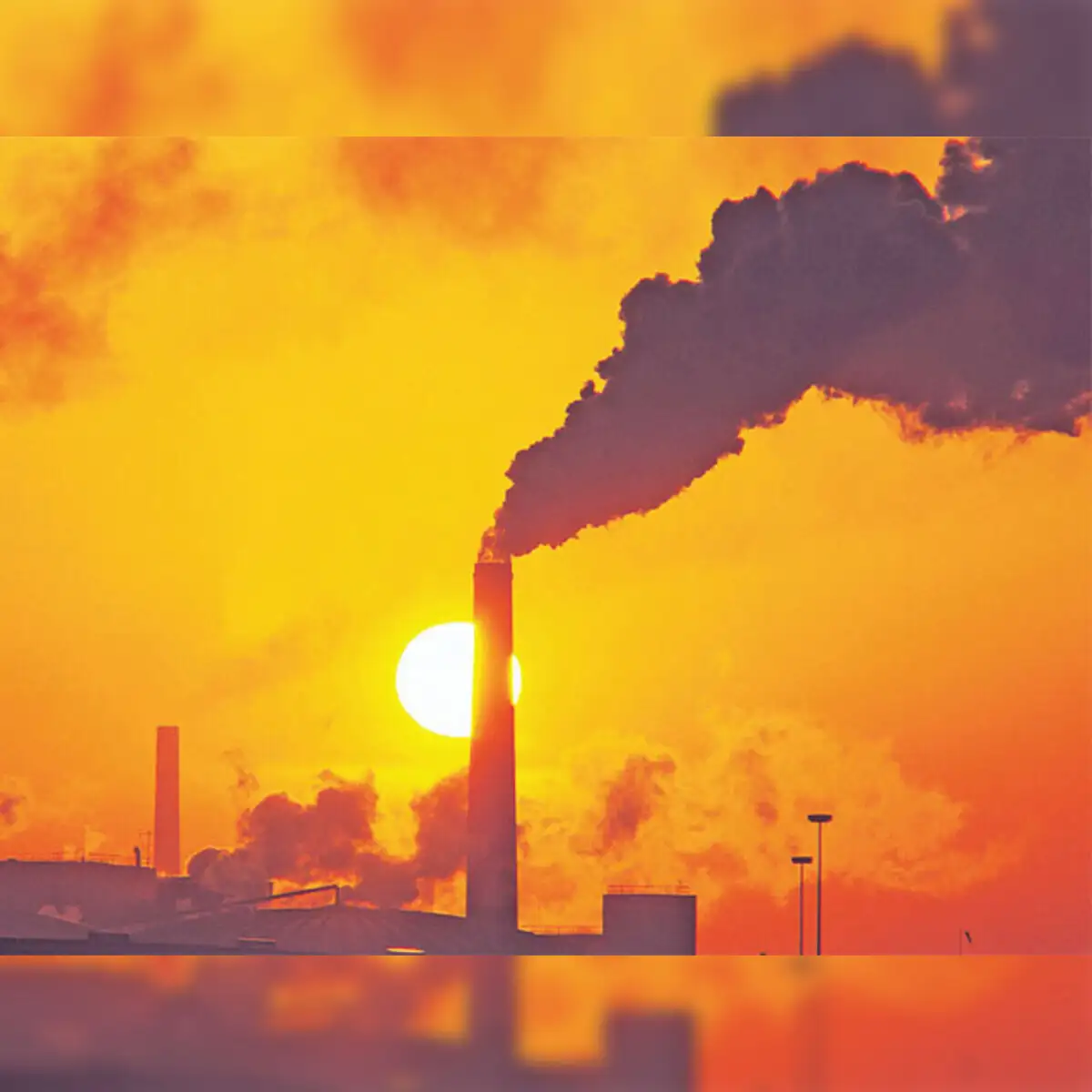
Understanding carbon offset platforms as one component of comprehensive climate action remains crucial. The consensus among climate scientists and policymakers is clear that reducing direct emissions must be the priority, with offsets serving to address residual emissions currently unavoidable and to accelerate deployment of carbon removal technologies that will likely become necessary at massive scale.