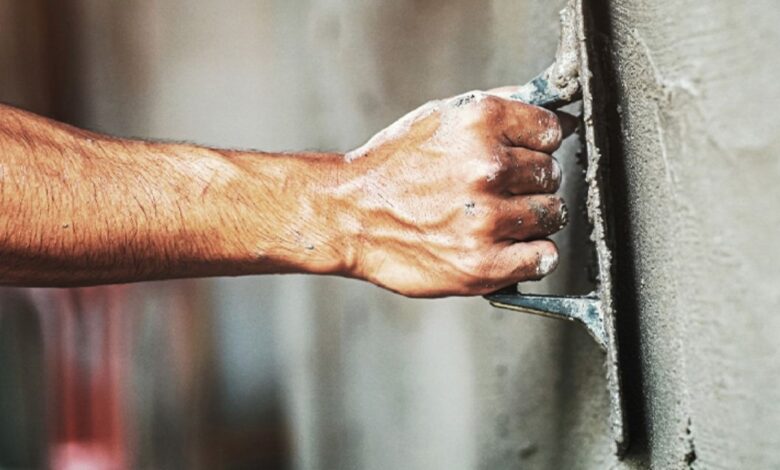
India’s cement industry stands as a cornerstone of the nation’s economic growth, representing the second-largest cement manufacturing sector globally. As we navigate through 2026, the Indian cement market has reached unprecedented heights, with production capacity exceeding five hundred million tonnes annually and the sector valued at approximately forty-nine billion dollars. This remarkable growth trajectory reflects India’s ambitious infrastructure development plans, rapid urbanization, and the government’s continued focus on housing initiatives such as the Pradhan Mantri Awas Yojana. The cement industry employs over one million people and contributes significantly to the national GDP, making it an indispensable component of India’s economic ecosystem.
The landscape of India’s cement industry in 2026 is characterized by significant consolidation, technological innovation, and an unwavering commitment to sustainability. Major players have been investing heavily in capacity expansion, with plans to add between one hundred fifty and one hundred sixty million tonnes of new capacity between fiscal years 2025 and 2028. This expansion comes at a time when cement demand is projected to grow at a robust seven to eight percent annually, driven primarily by government infrastructure projects, real estate development, and rural housing schemes. The industry has also embraced green manufacturing practices, with Indian cement companies now recognized among the world’s most environmentally conscious producers.
1. UltraTech Cement: The Undisputed Market Leader
UltraTech Cement, a subsidiary of the Aditya Birla Group, dominates India’s cement landscape with an installed capacity exceeding one hundred thirty-seven million tonnes per annum. Operating through more than twenty-three integrated manufacturing units and over one hundred ready-mix concrete plants spread across twenty-two states, UltraTech has established an unparalleled operational footprint. The company produces a comprehensive range of cement products including Ordinary Portland Cement, Portland Pozzolana Cement, and specialized products designed for marine construction and infrastructure projects.
What distinguishes UltraTech in 2026 is not merely its massive production capacity but its pioneering approach to sustainability. The company achieved the distinction of being the first Indian cement manufacturer to receive the four-plus sustainability rating from CARE, reflecting its commitment to environmental stewardship. UltraTech’s cement is extensively used in critical infrastructure projects including roads, bridges, dams, and commercial developments across India and international markets in the UAE, Bahrain, and Sri Lanka. The company’s market share of approximately twenty-two percent makes it nearly as large as its next several competitors combined.
2. Shree Cement: Operational Excellence and Green Leadership
Established in 1979, Shree Cement has emerged as India’s third-largest cement producer with a capacity surpassing forty-nine million tonnes per annum. The company operates multiple manufacturing facilities across Rajasthan, Uttarakhand, Bihar, and Chhattisgarh, producing cement under the trusted Bangur brand name. Shree Cement’s products include Ordinary Portland Cement and Plain Cement Concrete varieties, with specialized offerings such as Bangur Powermaxx, Bangur Rockstrong, and Bangur Roofon, each designed for specific construction applications with unique properties like crack resistance and corrosion protection.
The company has distinguished itself through exceptional operational efficiency and groundbreaking environmental commitments. Shree Cement became the first Indian cement company to join the RE100 initiative, pledging to achieve one hundred percent renewable electricity consumption by 2050. This commitment to green energy extends throughout their operations, with significant investments in wind power, waste heat recovery systems, and alternative fuel utilization. The company’s focus on sustainability has not compromised profitability but rather enhanced its competitive position, earning recognition both domestically and internationally for balancing growth with environmental responsibility.

3. ACC Limited: Legacy Meets Modern Innovation
With a history spanning more than eighty-five years since its founding in 1936, ACC Limited represents one of India’s most trusted and oldest cement brands. Now part of the Adani Group following significant industry consolidation, ACC operates over seventeen cement factories and eighty-five ready-mix concrete plants with a production capacity of thirty-seven million tonnes per annum. The company maintains strong presence across western, eastern, and central regions of India, serving diverse markets from metropolitan infrastructure to rural housing projects.
ACC has consistently positioned itself at the forefront of innovation and sustainability within the cement industry. The company offers comprehensive building solutions including Portland Slag Cement, Composite Cement, and advanced concrete admixtures that enhance construction quality and durability. ACC has implemented numerous eco-friendly practices throughout its operations, including the utilization of alternative fuels such as biomass and waste materials in cement kilns, significantly reducing carbon emissions. The company’s extensive experience in mining and its position as one of the largest consumers of limestone and coal in India gives it unique advantages in raw material procurement and supply chain management.
4. Ambuja Cements: Sustainable Construction Solutions
Founded in 1983 by entrepreneurs with limited initial knowledge of cement manufacturing, Ambuja Cements has transformed into one of India’s premier cement producers with a capacity of approximately thirty million tonnes per annum. The company became part of the Adani Group in 2022, joining forces with ACC under the Holcim-Adani partnership that has reshaped India’s cement industry landscape. Ambuja operates five integrated cement manufacturing plants and eight cement grinding units, producing primarily Portland Pozzolana Cement alongside Ordinary Portland Cement.
Ambuja Cements has built its reputation on eco-friendly manufacturing processes and water-responsible products, earning recognition as one of the best cement companies in India for environmental stewardship. The company’s approach emphasizes sustainable practices throughout the production cycle, from raw material extraction to final product delivery. Ambuja’s hassle-free home-building solutions have made it particularly popular among retail consumers and small contractors who value reliability and consistent quality. The strategic partnership with the Holcim Group, one of the world’s largest building materials companies, provides Ambuja with access to global best practices and cutting-edge technology that enhances its competitive position in the Indian market.
5. Dalmia Bharat Cement: Pioneering Carbon-Neutral Production
Dalmia Bharat has carved a distinctive niche in India’s cement industry through its unwavering commitment to sustainability and innovation. The company maintains significant market share in southern and eastern regions of India, producing high-quality cement varieties that emphasize durability and early strength development. Dalmia Bharat has set ambitious environmental goals, working toward carbon-neutral production and implementing comprehensive programs to reduce the carbon footprint of cement manufacturing.
The company’s focus on sustainable practices extends beyond emissions reduction to encompass water conservation, biodiversity protection, and community development in areas surrounding its manufacturing facilities. Dalmia Bharat has invested substantially in alternative fuel utilization, waste heat recovery systems, and renewable energy integration, positioning itself as a leader in green cement production. This commitment to environmental responsibility resonates strongly with environmentally conscious consumers and large infrastructure developers who prioritize sustainability in their supply chain decisions. The company’s cement products are widely chosen for residential house construction due to their reputation for reliability and consistent performance across diverse climatic conditions.
6. JK Cement: Innovation in White Cement and Specialties
JK Cement, launched in 1975 under JK Cement Ltd, operates with an annual production capacity exceeding fifteen million tonnes across modern manufacturing facilities in Rajasthan, Gujarat, and Karnataka. While the company produces a full range of grey cement products, it has achieved particular distinction in the white cement and decorative materials segment. JK Super Cement has become synonymous with strength, fast setting times, and exceptional durability, making it a preferred choice for roads, urban infrastructure, and residential construction across northern and western India.
What sets JK Cement apart is its comprehensive product portfolio that extends beyond traditional cement to include white cement, wall putty, and various construction chemicals. This diversification allows the company to serve multiple market segments from structural construction to decorative and interior applications. JK Cement has invested heavily in research and development, creating innovative products that address specific construction challenges such as rapid setting for time-sensitive projects, enhanced workability for complex architectural designs, and improved finish quality for decorative applications. The company’s strong distribution network and technical support services have built loyal customer relationships across diverse market segments.
7. Ramco Cements: Premium Products and Strategic Expansion
Based in Chennai and operating primarily in southern India, Ramco Cements has established itself as a premium cement manufacturer with production capacity exceeding sixteen million tonnes per annum. The company has announced ambitious expansion plans to double its capacity to thirty million tonnes by mid-2026, supported by capital investments of approximately fourteen hundred crore rupees. This expansion includes capacity additions at its Kalavatala plant and the installation of waste heat recovery systems that enhance energy efficiency while reducing environmental impact.
Ramco Cements focuses on producing specialty cements designed for infrastructure projects, offering superior performance characteristics for demanding applications such as bridges, dams, and high-rise construction. The company has also diversified into construction chemicals through its “Hard Worker” brand, targeting revenue of two thousand crore rupees within four to five years from this new business vertical. Ramco’s emphasis on premium products and customer service has built strong brand loyalty in southern markets, where the company maintains market leadership in several segments. The company’s commitment to innovation extends to its manufacturing processes, which incorporate advanced automation and quality control systems that ensure consistent product performance.
8. India Cements: Established Presence in Southern Markets
India Cements Limited, incorporated in 1946, represents one of India’s oldest cement manufacturers with a production capacity of approximately fifteen million tonnes per annum. The company operates seven state-of-the-art cement plants and maintains strong presence in southern and western regions of India. India Cements markets its products under several well-recognized brands including Conkrete Super King, Coromandel King, Sankar Super Power, Raasi Gold, and Halo Super King, each targeting specific market segments and applications.
Beyond cement manufacturing, India Cements has diversified into power generation through windmills and thermal power plants, as well as freight services and clinker sales. This vertical integration provides the company with greater control over production costs and energy security, important competitive advantages in a capital-intensive industry. India Cements has received recognition for its sustainable initiatives, particularly its use of alternative fuels such as rice husk and waste materials for power generation in operations. The company now operates as a subsidiary of UltraTech Cement Limited, following consolidation moves that have reshaped India’s cement industry structure.
9. Wonder Cement: Rapid Growth Through Modernization
Founded in 2010 as part of the RK Group, Wonder Cement represents a relatively new entrant that has quickly established significant market presence through investment in modern manufacturing technology. Operating one of India’s most advanced cement plants in Rajasthan with production capacity exceeding thirteen million tonnes per annum, Wonder Cement has expanded rapidly across North, West, and Central India. The company’s success stems from its focus on automation, sustainability, and customer satisfaction, coupled with manufacturing processes that meet both Indian and international quality standards.
Wonder Cement produces various grades of cement suitable for different construction applications, from residential buildings to large infrastructure projects. The company has invested heavily in quality control systems and environmental management, positioning itself as a modern, responsible manufacturer that appeals to quality-conscious consumers and large project developers. Wonder Cement’s rapid rise reflects the opportunities available in India’s expanding cement market for companies that combine modern technology with customer-centric approaches. The company’s relatively lean organizational structure and modern facilities provide operational efficiencies that enhance competitiveness against more established players.
10. Heidelberg Cement India: Global Expertise, Local Presence
Heidelberg Cement India Limited operates as the Indian subsidiary of HeidelbergCement Group, a German multinational with over one hundred fifty years of global cement manufacturing experience. Established in India in 2006, the company operates integrated plants in Damoh (Madhya Pradesh), Jhansi (Uttar Pradesh), and Ammasandra (Karnataka) with total production capacity of approximately 5.4 million tonnes per annum. The company markets its cement under the mycem brand, which includes mycem Power and mycem Primo variants designed for different construction applications.
Heidelberg Cement India has distinguished itself through focus on green energy adoption, with its Narsingarh plant running on forty percent renewable energy and the Ammasandra facility operating on ninety percent renewable power. The company has announced expansion plans with investments exceeding two hundred fifty-nine million dollars in its Jhansi grinding unit, positioning for increased market share in central and northern India. The company’s connection to a global leader provides access to world-class technology, best practices in sustainable manufacturing, and international quality standards that enhance its competitive position in India’s premium cement segments.
The Future of India’s Cement Industry
As we progress through 2026, India’s cement industry faces a future defined by sustained growth, technological transformation, and environmental responsibility. The government’s infrastructure push, including projects like the Mumbai-Ahmedabad Bullet Train Corridor which alone uses approximately twenty thousand cubic meters of cement daily, ensures robust demand for years to come. Industry projections suggest cement demand will continue growing at seven to eight percent annually, supported by housing initiatives, smart city development, and rural infrastructure programs.
The industry’s commitment to sustainability will intensify, with companies investing in alternative fuels, carbon capture technologies, and renewable energy integration to meet increasingly stringent environmental regulations. Digital transformation will reshape operations through artificial intelligence for demand forecasting, Internet of Things sensors for quality monitoring, and blockchain for supply chain transparency. The consolidation trend will likely continue, with major players like UltraTech and the Adani Group potentially pursuing additional acquisitions to strengthen market positions.

These ten cement companies represent the backbone of India’s construction industry, supplying the essential materials that build the nation’s homes, offices, roads, bridges, and infrastructure. Their continued innovation, capacity expansion, and commitment to quality and sustainability position India’s cement sector for sustained success in serving one of the world’s fastest-growing economies.