
The clean energy technology sector has reached a transformative inflection point in 2026, driven by unprecedented global demand for electricity and an irreversible shift away from fossil fuel dependence. Global clean tech investment hit $1.8 trillion in 2025, up 15% year-over-year, with solar and wind dominating 62% of investments and hydrogen and fuel cells capturing 12%. This massive capital deployment reflects not merely environmental consciousness but hard economic reality as renewables have become the fastest-growing source of global power, supplying nearly 30% of electricity generated worldwide in 2025.
The convergence of multiple powerful trends including artificial intelligence-driven data center expansion, electric vehicle adoption, climate policy mandates, and rapidly declining technology costs has created a perfect storm of opportunity for clean energy technology companies positioned to lead the global decarbonization effort.
What distinguishes 2026 from previous years in clean energy development is the sector’s maturation from aspirational technology to essential infrastructure. Major technology companies are aggressively pursuing clean power for their operations, with Brookfield Asset Management and Microsoft entering a partnership to develop 10.5 gigawatts of renewable capacity that will power Microsoft’s data centers, with project construction expected between 2026 and 2030 and estimated costs exceeding ten billion dollars.
This represents just one example of the massive corporate commitments reshaping energy markets as businesses recognize that renewable energy procurement has evolved from corporate social responsibility initiative to strategic imperative for operational resilience and cost management. The companies leading this transformation combine technical innovation with manufacturing scale, financial strength, and strategic positioning within rapidly expanding market segments that will define energy systems for decades to come.
1. NextEra Energy: The World’s Largest Clean Energy Powerhouse
NextEra Energy stands as the undisputed global leader in clean energy generation, operating an unmatched portfolio of wind farms, solar installations, and battery storage systems that collectively represent the largest renewable energy footprint of any company worldwide. The company expects to add between 36.5 and 46.5 gigawatts of new renewable capacity to its generation portfolio through clean energy investments spanning the 2024 to 2027 timeframe, an expansion program that dwarfs the total installed capacity of many national grids. NextEra’s business model combines regulated utility operations through Florida Power and Light with competitive renewable energy development through NextEra Energy Resources, creating diversified revenue streams that balance stable returns from utility customers with growth opportunities in wholesale power markets.
What sets NextEra apart in the competitive renewable energy landscape is its ambitious Real Zero plan targeting complete elimination of carbon emissions from operations by 2045, achieved through massive expansion of solar energy and battery storage capacity while transitioning natural gas facilities to green hydrogen and renewable natural gas. The company’s track record demonstrates exceptional ability to create shareholder value through renewable investments, expanding adjusted earnings per share at roughly nine percent compound annual growth since 2004 while increasing dividends at ten percent annually over the same period, pushing its dividend growth streak beyond thirty consecutive years.
This combination of growth and income generation, rare in capital-intensive energy infrastructure, has made NextEra a core holding for institutional investors seeking exposure to clean energy transformation. The company’s renewable energy assets benefit from long-term power purchase agreements with utilities and corporate customers seeking reliable clean electricity, providing revenue visibility that supports continued capital deployment into new projects. NextEra’s 2026 earnings are projected to improve 7.8% from prior year estimates, while sales are expected to increase 17.7%, reflecting sustained demand growth across its operating footprint.
2. First Solar: Advanced Thin-Film Manufacturing Excellence
First Solar has established itself as one of the world’s premier solar panel manufacturers through relentless focus on its proprietary thin-film photovoltaic technology that offers distinct advantages over conventional silicon-based panels. The company’s cadmium telluride modules utilize fewer raw materials, perform better in high-temperature environments, and demonstrate superior energy payback periods compared to traditional crystalline silicon alternatives. First Solar has a solid backlog of signed contracts stretching to 2030, with the company sold out through 2026, providing exceptional revenue visibility that allows management to invest confidently in capacity expansion and technology development.
First Solar’s strategic positioning within the solar manufacturing landscape reflects careful attention to supply chain security and domestic production capabilities at a time when geopolitical considerations increasingly influence energy infrastructure decisions. The company operates expanding manufacturing facilities in Ohio and Alabama, positioning itself as a critical domestic supplier for utilities and corporate customers seeking to minimize supply chain risks associated with international dependencies. This focus on American manufacturing aligns perfectly with federal policy support for domestic clean energy production, positioning First Solar to capture significant market share as utilities and independent power producers build out solar capacity to meet growing electricity demand.
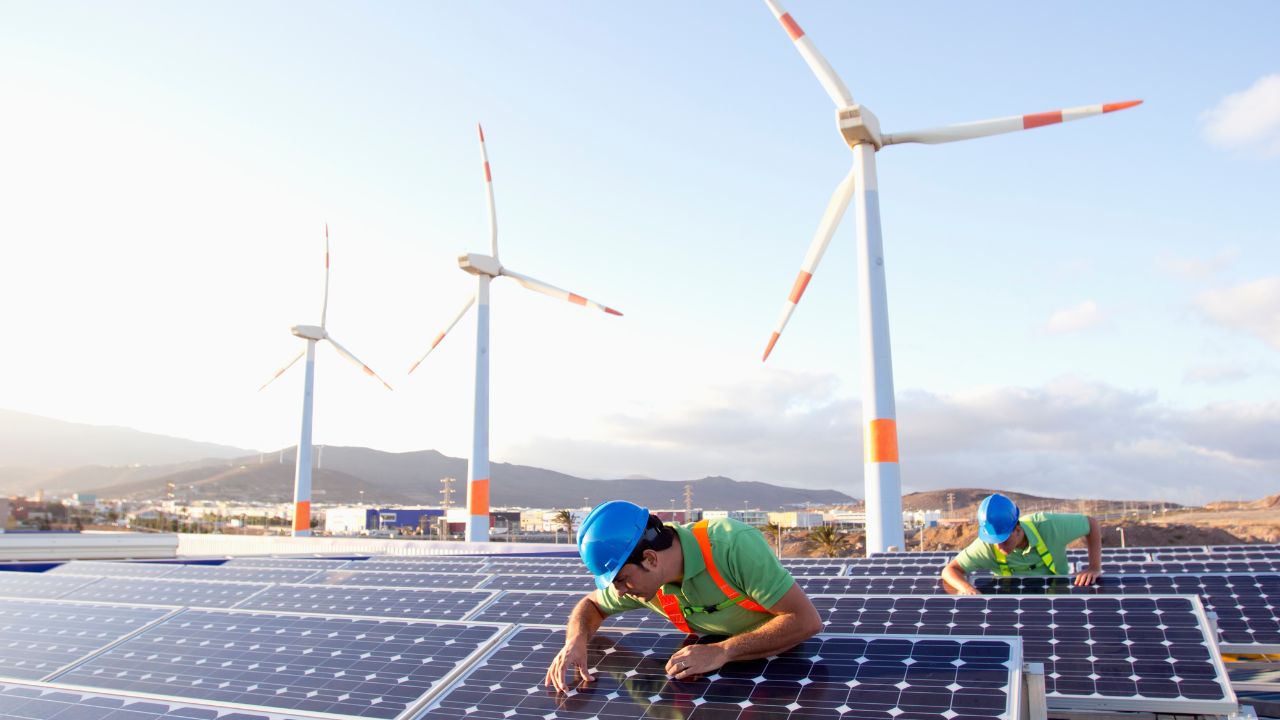
The company’s technology roadmap emphasizes continuous efficiency improvements and cost reductions that maintain competitiveness while delivering the large-format modules required for utility-scale solar installations. First Solar’s integrated approach spanning technology development, manufacturing, and project support services provides customers with turnkey solutions that reduce implementation complexity and project risk. The company’s financial strength, demonstrated through robust gross margins and efficient capital deployment, enables ongoing investments in research and development that maintain technological leadership in the rapidly evolving solar manufacturing sector.
3. GE Vernova: Grid Modernization and Power Generation Leadership
GE Vernova emerged as an independent energy company through its separation from General Electric, creating a pure-play entity focused exclusively on power generation, grid infrastructure, and renewable energy technologies. The company operates through three segments covering Power (generating electricity through hydro, gas, nuclear, and steam), Wind (manufacturing and selling wind turbine systems), and Electrification (providing grid solutions, power conversion, solar, and storage technologies). This comprehensive portfolio positions GE Vernova uniquely to address the full spectrum of energy transition challenges as utilities and nations simultaneously maintain existing power infrastructure while building out renewable capacity and modernizing transmission systems.
GE Vernova’s strength lies in its decades of experience with utility-scale power systems combined with aggressive investment in next-generation technologies required for high-renewable-penetration grids. The company brings proven expertise in gas turbines that provide flexible backup capacity complementing intermittent renewable generation, wind turbines spanning onshore and offshore applications, and grid solutions addressing voltage stability, frequency regulation, and transmission upgrades necessary as renewable capacity displaces conventional generation.
GE Vernova’s cash and cash equivalents totaled approximately eight billion dollars with zero debt, providing strong solvency that enables the company to execute its commitment to invest five billion dollars in research and development through 2028. This substantial R&D investment splits evenly between industrializing existing products and developing next-generation differentiated offerings that will power grid transformation over coming decades.
GE Vernova’s 2025 sales and earnings per share are expected to improve 6.7% and 32.3% respectively from year-ago figures, reflecting growing demand for its comprehensive energy solutions. The company faces near-term challenges including offshore wind project cancellations and tariff impacts on costs, but its diversified portfolio and technical leadership position it to capture significant value as global electricity demand accelerates and utilities invest heavily in grid modernization to accommodate renewable integration while maintaining reliability.
4. Tesla Energy: Revolutionizing Energy Storage at Scale
While Tesla’s automotive business captures headlines, the company’s energy storage division has emerged as a critical growth driver and potential market leader in utility-scale battery systems. Tesla’s Megapack product line addresses the fundamental challenge of renewable energy intermittency by providing massive grid-scale storage that enables utilities to capture solar and wind generation during production peaks and discharge stored electricity during periods of high demand or low renewable output. The company deployed almost forty gigawatt-hours of battery storage over the past twelve months, an impressive volume relative to current installed grid battery capacity, with management projecting potential for terawatt-scale annual deployment as utilities recognize that storage dramatically increases total energy output from renewable assets.
Tesla’s vertically integrated approach to energy storage, spanning battery cell production, power electronics, thermal management, and software controls, provides cost advantages and performance characteristics that competitors struggle to match. The company leverages battery technology developments from automotive applications, adapting high-volume manufacturing processes and chemistry improvements to stationary storage products. Tesla’s energy business benefits from the company’s massive production scale and supply chain infrastructure developed for vehicle manufacturing, allowing rapid scaling of storage deployments as demand accelerates.
The integration of energy storage with solar generation creates comprehensive solutions for utilities, commercial customers, and residential applications seeking energy independence and resilience. Tesla’s software capabilities enable sophisticated management of distributed energy resources, optimizing charge-discharge cycles based on electricity prices, weather forecasts, and grid conditions. The company’s brand recognition and track record of delivering complex technology products at scale provides credibility in utility procurement processes where proven reliability matters critically.
As electricity demand surges driven by data center growth, electric vehicle charging, and industrial reshoring, utilities increasingly recognize that storage represents not optional enhancement but essential grid infrastructure, positioning Tesla Energy for continued rapid growth.
5. Enphase Energy: Distributed Solar and Home Energy Management
Enphase Energy has built market leadership in solar microinverters, home battery storage systems, and residential energy management platforms that enable households and small businesses to generate, store, and intelligently control their own clean electricity. The company’s microinverter technology represents a fundamental architectural improvement over traditional string inverters, allowing each solar panel to operate independently and optimizing energy production even when individual panels experience shading or performance variations. This distributed approach to solar power conversion increases overall system efficiency while providing granular monitoring and control capabilities that improve system reliability and enable sophisticated energy management.
Enphase has expanded beyond hardware manufacturing into comprehensive home energy platforms that integrate solar generation, battery storage, electric vehicle charging, and intelligent load management through software that optimizes energy flows based on electricity rates, weather patterns, and household consumption. Enphase Energy had cash and cash equivalents including marketable securities of approximately 1.5 billion dollars as of late 2025, with total debt around 1.2 billion, demonstrating solid solvency to fund ongoing operations and growth. The company faces near-term challenges including subsidy changes, tariff impacts on manufacturing costs, and intense competition in residential solar markets, but its technological leadership and installed base of millions of systems worldwide provide foundation for long-term growth.
While 2026 likely marks a trough period before recovery, rising electricity demand and potential artificial intelligence-related tailwinds could drive renewed growth as distributed generation becomes increasingly attractive for consumers facing higher utility rates. Enphase’s business model emphasizes recurring revenue from software subscriptions, extended warranties, and ongoing customer relationships rather than one-time hardware sales, creating more predictable cash flows and strengthening customer loyalty. The company’s focus on user experience through intuitive mobile applications and seamless installation processes has built strong contractor and consumer preferences in highly competitive residential markets.
6. Bloom Energy: Solid Oxide Fuel Cell Innovation
Bloom Energy has pioneered commercialization of solid oxide fuel cell technology that converts natural gas, biogas, hydrogen, or fuel blends into electricity through electrochemical processes without combustion, offering high efficiency and low emissions for distributed generation applications. The company’s Energy Server product provides on-site power generation for commercial and industrial facilities, data centers, and critical infrastructure requiring reliable electricity with minimal environmental impact. Bloom’s technology excels in applications where continuous power generation matters critically and where customers value fuel flexibility as energy markets transition toward hydrogen and renewable gas sources.
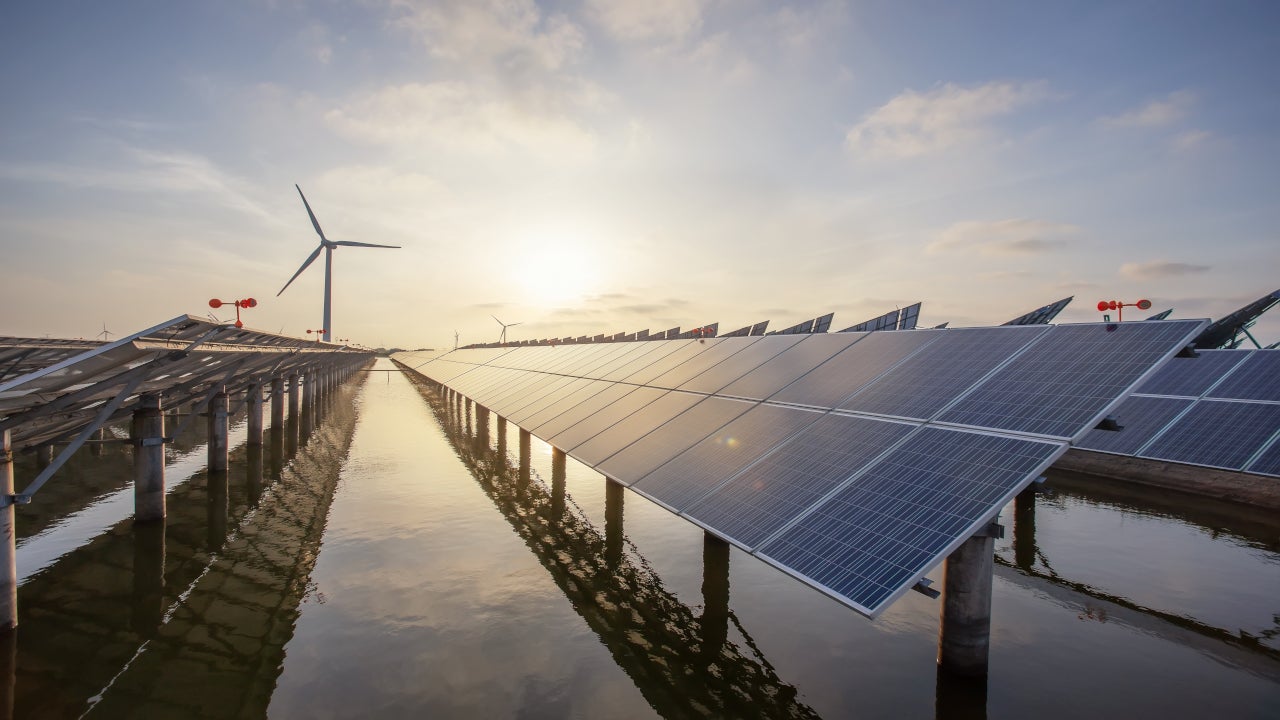
The company’s solid oxide platform converts fuel directly to electricity at high temperatures, achieving electrical efficiencies exceeding conventional combustion-based generation while producing minimal air pollutants and substantially reduced carbon emissions compared to grid electricity in many regions. Bloom Energy targets customers including technology companies, manufacturers, and institutions seeking energy resilience, cost stability, and environmental performance improvements. The modular nature of Bloom’s systems allows installations ranging from hundreds of kilowatts to tens of megawatts, providing scalability for diverse customer requirements.
As hydrogen infrastructure develops, Bloom’s fuel-flexible technology positions the company to address emerging markets for clean firm power that complements intermittent renewable generation. The company has secured significant customer contracts with major corporations seeking reliable on-site generation and has demonstrated ability to operate systems on various fuel sources including increasingly available renewable natural gas and green hydrogen. Bloom Energy’s focus on customer energy management extends beyond hardware to include long-term service agreements and energy-as-a-service models that align company revenues with customer satisfaction and system performance.
7. LONGi Green Energy: Vertical Integration in Solar Manufacturing
LONGi has grown from specialized monocrystalline wafer production into one of the world’s most influential solar technology companies through aggressive vertical integration spanning silicon wafers, high-efficiency solar cells, finished modules, and complete photovoltaic system solutions. The company’s products supply projects in more than 150 countries and regions, with operations expanding into green hydrogen equipment production that positions LONGi at the intersection of renewable power generation and clean fuel manufacturing. This expansion into hydrogen reflects recognition that solar-powered electrolysis could become a massive market as industries seek to decarbonize processes currently dependent on fossil-derived hydrogen.
LONGi’s competitive advantage stems from manufacturing scale, continuous technology improvements that push solar cell efficiency boundaries, and cost leadership achieved through vertical integration and process optimization. The company has consistently set world records for solar cell conversion efficiency across various technology platforms, demonstrating commitment to research and development that maintains technological leadership. LONGi’s participation in global climate initiatives including RE100 and Science Based Targets signals corporate commitment to sustainability extending beyond product offerings to encompass manufacturing operations.
The company faces intense competition in solar manufacturing markets experiencing rapid capacity expansion, but its scale advantages, technology pipeline, and global distribution network position it to maintain significant market share. LONGi’s strategic focus on highest-efficiency products targets premium market segments including residential installations and commercial applications where space constraints make efficiency paramount, differentiating the company from commodity-focused competitors. The company’s push into hydrogen equipment represents logical diversification leveraging expertise in electrochemical systems and positioning for potential explosive growth in green hydrogen markets as transportation, industrial, and chemical sectors seek to eliminate fossil fuel dependencies.
8. Sungrow Power Supply: Inverter Technology and Energy Storage Systems
Sungrow has become a critical force behind the global solar boom as the world’s number one photovoltaic inverter provider by shipments, with hundreds of gigawatts of power electronics deployed across more than 170 countries spanning utility-scale solar parks, commercial rooftops, and residential installations. The company’s inverters represent essential components that convert direct current electricity from solar panels into alternating current suitable for grid integration, with sophisticated power electronics ensuring optimal efficiency, grid compliance, and system reliability. Sungrow’s portfolio extends well beyond basic inverters to encompass advanced energy storage systems, floating solar technologies, electric vehicle charging infrastructure, and renewable hydrogen solutions, reflecting a comprehensive strategy built around enabling clean power deployment across diverse applications.
The company’s PowerTitan liquid-cooled energy storage system targets utility-scale solar projects requiring massive battery installations to address intermittency and provide grid services including frequency regulation and capacity firming. Sungrow’s inverter technology leadership stems from continuous innovation in power electronics, control algorithms, and thermal management that maximize energy conversion efficiency while minimizing costs and footprint requirements. The company benefits from China’s position as world leader in solar deployment, providing vast domestic market that supports rapid scaling and technology refinement before international expansion.
Sungrow’s global presence and local support infrastructure address customer needs for reliable service and rapid response to system issues that can significantly impact project economics. The company’s diversification into energy storage reflects recognition that solar and storage represent increasingly inseparable components of renewable energy projects, with storage transforming intermittent solar generation into dispatchable capacity that utilities can deploy on demand. Sungrow’s focus on innovation and quality in highly competitive inverter markets has built strong brand recognition among solar developers and installers globally.
9. Brookfield Renewable Partners: Global Infrastructure Portfolio
Brookfield Renewable Partners operates one of the world’s largest pure-play renewable power platforms, with diversified generation portfolio spanning hydroelectric, wind, solar, and energy storage assets across North America, South America, Europe, and Asia. The company’s business model focuses on acquiring, developing, and operating renewable energy facilities that generate predictable cash flows through long-term power purchase agreements with utilities and corporate customers. Brookfield’s 2023 acquisition of Duke Energy’s commercial renewables portfolio for $1.05 billion, which was rebranded as Deriva Energy, added 3.4 gigawatts of wind and solar capacity to its portfolio, demonstrating ongoing consolidation strategy that builds scale and geographic diversification.
Brookfield’s hydroelectric facilities provide base-load renewable generation with operational histories spanning decades and minimal ongoing fuel costs, creating highly attractive cash flow characteristics. The company’s wind and solar assets complement hydroelectric base with growing capacity in fastest-expanding renewable technologies. Brookfield’s scale and financial strength enable access to attractive project acquisition opportunities, development capital for new facilities, and optimization investments that enhance performance of existing assets. The company’s global footprint provides diversification across regulatory environments, electricity markets, and weather patterns that affect renewable generation.
Brookfield’s partnership with Microsoft for massive renewable development demonstrates its ability to structure innovative transactions addressing corporate sustainability commitments while deploying significant capital efficiently. The company’s focus on operating excellence and asset management distinguishes it from pure development companies, creating value through improved operations and strategic optimization rather than merely building new capacity. Brookfield’s renewable platform benefits from parent company’s broader infrastructure expertise and access to capital markets, supporting continued growth through acquisitions and development as renewable energy transitions from niche sector to mainstream infrastructure asset class.
10. Canadian Solar: Global Solar Manufacturing and Development
Canadian Solar operates as a comprehensive solar solutions provider spanning module manufacturing for residential, commercial, and utility applications alongside development of large-scale solar and battery storage projects globally. For 2026, Canadian Solar forecasts total module shipments of 25 to 30 gigawatts, including approximately one gigawatt allocated to its own projects, with energy storage shipments projected at 14 to 17 gigawatt-hours. This dual business model combining manufacturing with project development creates vertical integration advantages and diversified revenue streams that balance cyclical manufacturing margins with long-term project cash flows.
Canadian Solar’s manufacturing operations leverage cost-efficient production primarily in Asia while serving global markets through established distribution channels and local partnerships. The company’s solar products span residential rooftop applications through utility-scale installations, providing solutions across customer segments with varying technical and economic requirements. Canadian Solar’s project development business builds and monetizes solar farms and battery storage facilities, either selling completed projects to infrastructure investors or retaining ownership and operating assets for long-term cash generation.
This development capability provides strategic flexibility as the company can adjust between manufacturing for third-party sales and vertical integration into project ownership based on market conditions and relative profitability. The company’s 2026 earnings are projected to improve 77.7% from prior year estimates, while sales are expected to increase 34.8%, reflecting recovery from recent challenging market conditions and anticipated growth in both manufacturing and project development segments. Canadian Solar’s global presence and diversified business model position it to capture opportunities across solar value chain as renewable energy deployment accelerates worldwide.
Navigating the Clean Energy Investment Landscape
The clean energy technology sector in 2026 offers compelling investment opportunities while presenting complex challenges that require careful analysis and long-term perspective. The companies leading this transformation demonstrate common characteristics including technological differentiation that provides competitive advantages, manufacturing scale that drives cost leadership, financial strength supporting growth investments, and strategic positioning within high-growth market segments. However, clean energy investments also face risks including policy uncertainty as government support programs evolve, technology disruption as innovations emerge that could obsolete existing products, trade tensions affecting international supply chains, and intense competition driving margin pressure.
The structural drivers supporting clean energy growth remain powerful and durable despite near-term volatility. Electricity demand is accelerating faster than many analysts anticipated, driven by artificial intelligence data centers that require massive power consumption, electric vehicle adoption creating new loads on distribution systems, industrial reshoring bringing energy-intensive manufacturing back to developed economies, and climate-driven cooling demand in warming regions. These demand trends combine with policy mandates for decarbonization, renewable portfolio standards requiring utilities to source clean electricity, and corporate sustainability commitments creating voluntary demand for renewable energy. The economics of renewable generation have fundamentally shifted as technology costs have declined dramatically, making solar and wind the cheapest sources of new electricity generation in most global markets even without subsidies.
Investors evaluating clean energy technology companies should consider multiple factors including revenue visibility through long-term contracts versus exposure to commodity pricing, technology differentiation and barriers to entry protecting margins, management execution track record and capital allocation discipline, balance sheet strength to weather industry cycles, and alignment with secular growth trends rather than temporary policy support. The most successful clean energy investments likely combine current profitability demonstrating viable business models with exposure to high-growth segments offering sustained expansion opportunities. The sector’s transformation from speculative technology to essential infrastructure creates opportunities for patient investors willing to navigate volatility while maintaining conviction in long-term decarbonization trends that will reshape global energy systems over coming decades.