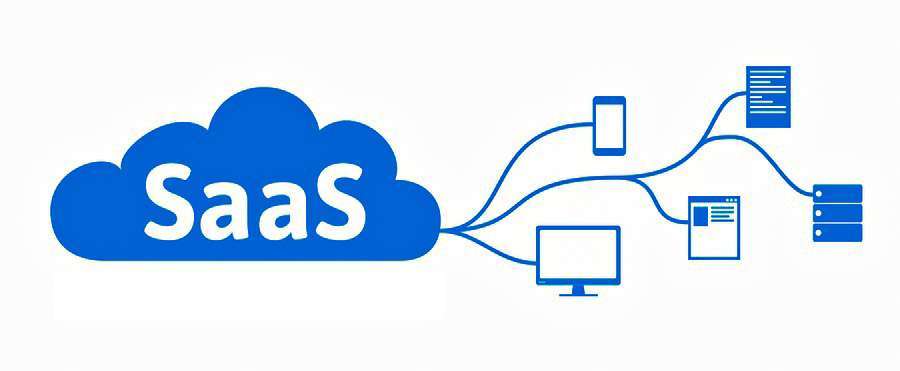
The cloud backup industry is experiencing unprecedented growth in 2026, driven by increasing cybersecurity threats, stricter compliance requirements, and the widespread adoption of hybrid cloud environments. According to recent market analysis, the global SaaS market is projected to reach over 344 billion dollars by 2028, with cloud backup solutions representing a critical segment of this expansion. As enterprises continue migrating to cloud infrastructure and SaaS applications, the demand for reliable, secure, and intelligent backup solutions has never been higher.
The landscape has evolved dramatically from traditional backup methods to AI-powered, cloud-native platforms that offer automated protection, instant recovery, and advanced threat detection. Modern cloud backup startups are addressing critical pain points including ransomware protection, data loss prevention, compliance management, and the growing complexity of multi-cloud environments. This comprehensive guide examines the most innovative cloud backup SaaS startups that are reshaping the industry in 2026.
1. Eon: Revolutionary Cloud Backup Automation
Eon has emerged as the breakout star of cloud backup innovation in 2026, raising an impressive 300 million dollars in a Series D round that valued the company at 4 billion dollars. Founded by veterans from CloudEndure (acquired by AWS for approximately 250 million dollars), Eon represents the first true cloud backup autopilot system.
What sets Eon apart is its autonomous approach to cloud data protection. The platform continuously scans, maps, and classifies cloud resources, automatically applying appropriate backup policies based on business and compliance requirements. Unlike traditional solutions that require manual configuration and ongoing management, Eon eliminates the complexity entirely.
The platform’s global search capabilities represent a breakthrough in data recovery. Where traditional backup solutions can take weeks to locate and restore specific files, Eon enables instant pinpointing of data through its sophisticated indexing system. Users can run SQL queries directly on backed-up database snapshots without provisioning any resources, transforming dormant backups into strategic, queryable assets.
Eon’s storage tier is fully managed and portable across AWS, Azure, and Google Cloud platforms. The solution addresses a fundamental problem that plagued enterprises using native cloud backup tools: loss of control over backup data. With Eon, organizations regain complete visibility and governance over their backup infrastructure while maintaining compliance across global operations.
Since emerging from stealth in early 2024, Eon has raised over 500 million dollars total, with backing from prestigious investors including Sequoia Capital, Lightspeed Venture Partners, and Greenoaks. The company’s rapid ascent reflects the market’s recognition that cloud backup needs a fundamental reinvention for the modern era.
2. Clumio: Purpose-Built Cloud-Native Protection
Clumio has established itself as a leading cloud-native backup provider with over 261 million dollars in total funding. Founded in 2017 by veterans from the data protection industry, Clumio was born in the cloud specifically to address the unique challenges of protecting cloud infrastructure and SaaS applications.
The platform offers comprehensive protection for AWS environments including EC2, EBS, RDS, and S3, along with expanding support for Microsoft 365 and other SaaS applications. What distinguishes Clumio is its true SaaS delivery model, which means there is no infrastructure to deploy, manage, or maintain. Organizations can begin protecting their cloud data within 15 minutes of signup.
Clumio’s architecture handles all aspects of data management automatically, including compression, deduplication, and cataloging. The platform’s encryption is always active, with end-to-end encryption ensuring that customers maintain complete control over data access. This security-first approach has made Clumio particularly attractive to regulated industries requiring stringent data protection standards.
The backup visibility and compliance features provide intuitive reporting and proactive alerts without requiring daily management intervention. Clumio automates capacity planning and resource allocation, eliminating the complex forecasting that traditionally burdened backup administrators. The platform scales seamlessly with organizational growth, making it suitable for everything from startups to large enterprises.
In 2026, Clumio continues to expand its SaaS application coverage while deepening its cloud infrastructure protection capabilities. The company’s focus on delivering backup-as-a-service with predictable pricing and enterprise-grade security has resonated strongly with cloud-first organizations.
3. Druva: Comprehensive Data Security Cloud
Druva has solidified its position as a comprehensive data security platform, offering unified protection across endpoints, data centers, and SaaS applications. With significant venture backing and a mature product portfolio, Druva addresses the complete spectrum of enterprise data protection needs.
The Druva Data Security Cloud delivers fully managed SaaS-based protection that spans multiple environments including public cloud, SaaS applications, endpoints, and on-premises infrastructure. This unified approach eliminates the complexity of managing multiple point solutions, reducing operational overhead while improving security posture.
Druva’s platform excels at protecting modern workforces operating across distributed locations and diverse device types. The solution addresses the challenges created by workforce mobility, including data spread across devices and cloud services, unpredictable network conditions, and varied connectivity scenarios. All of this is managed through a single cloud platform that provides centralized visibility and control.
Advanced features include ransomware detection and recovery, which leverage machine learning to identify anomalous behavior patterns. When threats are detected, Druva enables rapid recovery to clean restoration points, minimizing downtime and data loss. The platform’s global deduplication technology dramatically reduces storage requirements and associated costs.
Druva’s focus on compliance and governance makes it particularly attractive to regulated industries. The platform provides comprehensive audit trails, automated retention policies, and data classification capabilities that help organizations meet requirements ranging from GDPR to HIPAA. In 2026, Druva continues serving thousands of enterprises including numerous Fortune 500 companies that rely on its proven data protection capabilities.
4. Rubrik: Zero Trust Data Security
Rubrik has evolved from a backup and recovery provider into a comprehensive cyber resilience platform, with its Security Cloud offering representing the cutting edge of zero-trust data protection. Based in India with significant global operations, Rubrik has raised over 565 million dollars to build its vision of complete enterprise data security.
The Rubrik Security Cloud is built on zero-trust principles and powered by machine learning, delivering cyber resilience across enterprise, cloud, and SaaS environments. The platform doesn’t just protect data; it actively monitors for threats, provides advanced analytics, and orchestrates rapid recovery from both cyber attacks and operational disruptions.
Key capabilities include automated data policy management and enforcement, which ensures that appropriate protections are consistently applied across the entire data estate. The platform safeguards sensitive data through advanced encryption and immutability features, while its threat analytics engine provides real-time insights into potential security incidents.
What makes Rubrik particularly powerful is its ability to offer live data access for recovery and application development. Organizations can instantly spin up test environments from production backups, enabling faster development cycles without impacting production systems. This capability transforms backup data from a passive insurance policy into an active business enabler.
Rubrik’s machine learning capabilities continuously analyze backup data for anomalies, enabling early detection of ransomware and other threats before they can cause widespread damage. When incidents occur, the platform’s orchestration capabilities enable rapid recovery at scale, helping organizations meet aggressive recovery time objectives. In 2026, Rubrik continues expanding its security features while deepening integrations with leading cloud providers and security information and event management systems.
5. OwnBackup: SaaS Application Specialist
OwnBackup has carved out a specialized niche as the leading backup and recovery solution for SaaS applications, with over 507 million dollars in funding supporting its mission to prevent data loss in cloud applications. The company focuses exclusively on protecting business-critical data stored in platforms like Salesforce, Microsoft Dynamics, and ServiceNow.
The challenge OwnBackup addresses is often overlooked: SaaS vendors typically protect their infrastructure but place responsibility for data protection on customers. When users accidentally delete records, malicious actors compromise accounts, or data corruption occurs, organizations without proper backup solutions face catastrophic data loss.
OwnBackup provides comprehensive, automated daily backups of SaaS application data, including all metadata, attachments, and configuration details. The platform’s visual compare functionality enables administrators to see exactly what changed between backup versions, making it easy to identify and recover from unwanted modifications.
Rapid recovery capabilities allow organizations to restore individual records, entire objects, or complete environments within minutes. This granular restore functionality is critical for SaaS applications where even small data losses can have significant business impact. The platform supports point-in-time recovery, enabling organizations to roll back to any previous state.
Beyond backup and recovery, OwnBackup offers data archiving and sandbox seeding capabilities that help organizations manage SaaS data lifecycle and support development workflows. In 2026, as enterprises continue increasing their reliance on SaaS applications for core business processes, OwnBackup’s specialized expertise makes it an essential component of the data protection stack for SaaS-first organizations.
6. Keepit: Independent Cloud Data Protection
Keepit has established itself as a pure-play SaaS backup provider focused exclusively on protecting data stored in cloud applications. Based in Copenhagen, Denmark, Keepit offers an independent backup solution that operates separately from the primary SaaS vendors, providing an additional layer of protection and control.
The platform supports comprehensive backup for Microsoft 365, Google Workspace, Salesforce, and other leading SaaS applications. Keepit’s independence from these platforms means backups are stored in separate infrastructure, protecting against vendor-specific outages or account issues that could otherwise prevent data recovery.
Keepit’s platform features powerful indexing and search capabilities that provide complete visibility into backed-up data. Administrators can quickly locate specific files, emails, or records across their entire SaaS estate without manually searching through backup archives. This searchability dramatically reduces recovery time objectives when urgent data restoration is required.
The platform offers flexible retention policies allowing organizations to define retention periods from one year to indefinite storage. This flexibility is crucial for organizations with varying compliance requirements across different data types and jurisdictions. Keepit handles retention policy enforcement automatically, reducing the administrative burden on IT teams.
Simple deployment and intuitive restore options make Keepit accessible to organizations of all sizes. The platform requires no complex configuration or infrastructure deployment; administrators can begin protecting their SaaS data within minutes of signup. In 2026, Keepit continues expanding its SaaS application coverage while enhancing its data governance and compliance features to meet evolving regulatory requirements.
7. Veeam: Cloud Data Management Leader
Veeam Software has successfully transitioned from its roots in virtualization backup to become a comprehensive cloud data management platform, with over 500 million dollars in funding supporting its evolution. Headquartered in Switzerland, Veeam serves organizations ranging from small businesses to large enterprises with over 450,000 customers worldwide.
The Veeam Data Platform delivers unified protection across cloud, virtual, physical, SaaS, and Kubernetes environments. This comprehensive coverage addresses the reality of modern IT infrastructure, where organizations typically operate hybrid environments mixing multiple technology platforms. Veeam provides consistent data protection policies and recovery capabilities regardless of where workloads run.
Veeam’s backup technology is renowned for its reliability and performance, with advanced capabilities including instant recovery, automated testing of backups, and flexible replication options. The platform’s instant VM recovery feature enables administrators to run entire virtual machines directly from backup storage, dramatically reducing downtime during recovery operations.
For cloud-native workloads, Veeam provides native integration with AWS, Azure, and Google Cloud Platform. The platform protects cloud infrastructure components, SaaS applications like Microsoft 365, and containerized applications running in Kubernetes. This multi-cloud support aligns with enterprise strategies emphasizing flexibility and avoiding vendor lock-in.
Veeam’s global ecosystem includes over 35,000 technology partners, resellers, and service providers, creating a comprehensive support network for customers. The company’s focus on innovation continues with regular releases adding new capabilities for emerging technologies. In 2026, Veeam remains a trusted choice for organizations requiring enterprise-grade data protection across increasingly complex IT environments.
8. Cohesity: Hyperconverged Secondary Storage
Cohesity has pioneered a fundamentally different approach to data management by creating a hyperconverged platform that consolidates backup, test and development, file services, and analytics onto a single infrastructure. With 955 million dollars in total funding, Cohesity represents one of the most heavily capitalized companies reshaping the backup industry.
The Cohesity platform addresses a critical enterprise challenge: data fragmentation across multiple storage silos. Traditional environments often maintain separate infrastructure for production backups, test and development environments, file shares, and analytics datasets. Cohesity consolidates these workloads onto a unified platform, dramatically reducing complexity and cost.
This consolidation delivers significant operational benefits beyond simple cost savings. By maintaining a single copy of data that serves multiple purposes, Cohesity reduces storage requirements while improving data accessibility. Development teams can instantly access production data for testing without impacting production systems or requiring data duplication.
The platform provides comprehensive data protection across on-premises, cloud, and SaaS environments. Cohesity’s cloud integration enables seamless data mobility between on-premises infrastructure and public clouds, supporting hybrid cloud strategies and disaster recovery scenarios. Organizations can tier less frequently accessed data to cost-effective cloud storage while maintaining instant accessibility when needed.
Advanced data management features include global deduplication, compression, and erasure coding that maximize storage efficiency. The platform’s search and analytics capabilities transform backup data into a strategic asset, enabling organizations to extract insights from historical data that would otherwise remain dormant. In 2026, Cohesity continues expanding its data management capabilities while deepening partnerships with major cloud providers and enterprise software vendors.
9. Backblaze: Affordable Cloud Storage Pioneer
Backblaze has distinguished itself by offering affordable, straightforward cloud backup and storage solutions accessible to businesses and individuals alike. With a focus on simplicity and transparent pricing, Backblaze has built a loyal customer base seeking alternatives to more complex enterprise solutions.
The company offers two primary services: personal computer backup and B2 cloud storage. The personal backup service provides unlimited, automatic backup for Mac and Windows computers at a remarkably affordable per-device subscription. This service appeals to individuals and small businesses requiring reliable data protection without complex configuration.
B2 Cloud Storage competes directly with major cloud providers like Amazon S3 and Azure Blob Storage, offering object storage at approximately one-fifth the cost of comparable services. The platform provides free egress (data transfer out), which eliminates the unpredictable costs that often plague cloud storage users. This transparent pricing makes B2 attractive for use cases requiring frequent data access.
Backblaze’s B2 Overdrive, recognized in SiliconANGLE’s 2025 TechForward Awards, delivers enhanced performance for demanding workloads including AI and machine learning, cloud-native applications, and large-scale data lakes. The platform supports industry-standard S3-compatible APIs, making it compatible with thousands of existing applications and tools.
The company’s commitment to transparency extends to publishing detailed statistics about drive reliability and operational metrics. This openness has earned Backblaze significant trust within technical communities. In 2026, Backblaze continues expanding B2 capabilities while maintaining its focus on providing accessible, affordable cloud storage that eliminates lock-in and hidden costs.
10. CloudAlly: Veteran SaaS Backup Provider
CloudAlly, now part of OpenText, pioneered SaaS backup when it launched in 2011 and remains a mature, feature-rich solution for protecting cloud application data. The company’s longevity in the market demonstrates its ability to evolve with changing customer needs while maintaining reliable, comprehensive protection.
The platform provides automated backup for Microsoft 365, Google Workspace, Salesforce, Dropbox, Box, and other leading SaaS applications. CloudAlly’s three-times-daily backup schedule (customizable to different frequencies) minimizes potential data loss while the unlimited retention policy ensures organizations never lose access to historical data.
CloudAlly offers flexible storage options including bundled AWS storage and bring-your-own-storage arrangements with AWS, Azure, Google Cloud, Box, and Dropbox. This flexibility enables organizations to align backup storage with their existing cloud strategies and compliance requirements. The platform’s global data center coverage spans North America, Europe, Africa, and Asia Pacific, supporting data residency requirements across numerous jurisdictions.
Security credentials include ISO 27001 certification, HIPAA compliance with available business associate agreements, SOC 2 Type II attestation, and GDPR compliance. Data is protected with AES-256 encryption and stored in immutable storage using object-lock technology, preventing unauthorized modification or deletion even by administrators with elevated privileges.
The platform integrates with professional services automation systems and offers comprehensive APIs for custom integrations. While CloudAlly operates as a separate platform rather than integrating into remote monitoring and management tools, its extensive MSP-focused features make it popular among managed service providers protecting client data. In 2026, CloudAlly’s proven track record and extensive feature set continue serving organizations requiring reliable, compliant SaaS data protection.
The Future of Cloud Backup in 2026 and Beyond
The cloud backup landscape in 2026 reflects several clear trends that are reshaping the industry. Artificial intelligence and machine learning are becoming integral to backup platforms, enabling automated threat detection, intelligent policy management, and predictive analytics that anticipate potential data loss scenarios before they occur.
Zero-trust security principles are now baseline requirements rather than differentiators. Modern backup platforms implement comprehensive encryption, immutability, and air-gapped storage to protect against increasingly sophisticated ransomware attacks. The backup infrastructure itself has become a critical security component rather than just a recovery mechanism.
Multi-cloud and hybrid cloud support has evolved from a nice-to-have feature to an absolute necessity. Organizations routinely operate workloads across multiple cloud providers while maintaining some on-premises infrastructure. Backup solutions that seamlessly protect this heterogeneous environment without requiring multiple point products have significant competitive advantages.
The transformation of backup data from passive archives into active assets represents another major shift. Platforms like Eon that enable instant searchability and queryability of backup data are changing how organizations think about backup value. Rather than viewing backups solely as disaster recovery insurance, forward-thinking companies are leveraging backup data for testing, analytics, and compliance reporting.
Compliance automation is increasingly important as regulatory requirements multiply across jurisdictions. Modern backup platforms provide automated retention policy enforcement, comprehensive audit trails, and data classification capabilities that reduce the burden of meeting complex regulatory requirements. This automation is especially valuable for organizations operating globally and subject to multiple regulatory frameworks.

As enterprises continue their cloud transformation journeys, the importance of robust, intelligent backup solutions will only increase. The startups profiled in this guide represent the vanguard of innovation in cloud data protection, each addressing critical aspects of the modern backup challenge. Whether through revolutionary approaches like Eon’s cloud autopilot, specialized focus like OwnBackup’s SaaS expertise, or comprehensive platforms like Rubrik’s cyber resilience solution, these companies are ensuring that organizations can confidently embrace cloud technologies while maintaining complete control over their most valuable asset: their data.
Selecting the right cloud backup solution requires careful consideration of organizational requirements including workload types, compliance obligations, budget constraints, and recovery time objectives. The diverse approaches represented by these top startups ensure that organizations of all sizes and industries can find solutions aligned with their specific needs. As cyber threats continue evolving and data volumes grow exponentially, investment in robust cloud backup infrastructure represents not just a technical necessity but a strategic imperative for business continuity and competitive advantage.