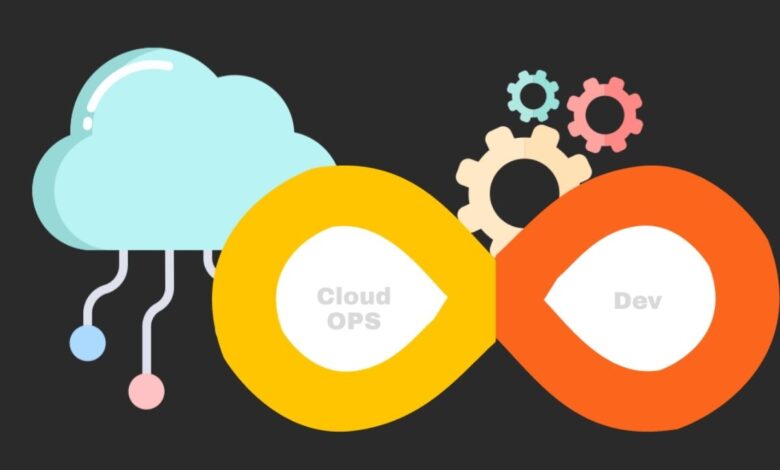
The landscape of software development has undergone a dramatic transformation over the past decade, and at the heart of this evolution stands DevOps. Understanding what makes certain firms exceptional in this space requires first appreciating what DevOps really means in practice. DevOps represents far more than just a set of tools or technologies. It fundamentally reimagines how development and operations teams collaborate, breaking down the traditional silos that historically created friction, delays, and misalignment between those who build software and those who run it in production environments.
When we look at 2026, the DevOps consulting market has matured significantly, with the global IT services sector projected to reach nearly three trillion dollars by 2033, growing at a compound annual growth rate exceeding eight percent. This growth reflects an essential truth about modern business: organizations that cannot deliver software quickly, reliably, and at scale find themselves at a severe competitive disadvantage. The firms that have emerged as leaders in cloud DevOps consulting share common characteristics that distinguish them from the broader field of technology consultants. They combine deep technical expertise in automation, continuous integration and deployment pipelines, infrastructure as code, and cloud platforms with the organizational change management skills necessary to transform how entire companies work.
What makes 2026 particularly interesting is how these leading firms have adapted to handle newer challenges beyond the traditional DevOps agenda. While faster deployment cycles and reduced downtime remain important, the top firms now focus equally on enabling artificial intelligence workloads, managing complex multi-cloud environments, embedding security throughout the development lifecycle through DevSecOps practices, and helping organizations make sense of the massive amounts of operational data their systems generate. This comprehensive guide examines the ten firms that exemplify excellence in cloud DevOps consulting, explaining not just what services they provide but how they approach the fundamental challenge of helping organizations build better software faster.
1. SG Analytics: Data-Driven DevOps Innovation
SG Analytics has distinguished itself through a unique approach that combines traditional DevOps capabilities with advanced data analytics and governance frameworks. What makes this firm particularly noteworthy in 2026 is how it addresses the convergence of DevOps with DataOps and MLOps, recognizing that modern applications increasingly depend on sophisticated data pipelines and machine learning models alongside traditional application code. The firm’s methodology emphasizes measuring and optimizing the entire software delivery value stream, using analytics to identify bottlenecks, predict where failures might occur, and demonstrate the business impact of DevOps investments.
The company’s approach to DevSecOps integration stands out for embedding security scanning, compliance checking, and governance controls directly into continuous integration pipelines rather than treating security as a separate checkpoint that happens before release. This shift-left security model catches vulnerabilities earlier when they cost less to fix and prevents security concerns from becoming last-minute obstacles to deployment. SG Analytics also brings strong capabilities in helping organizations implement effective data governance within DevOps workflows, ensuring that automated pipelines respect data privacy requirements, maintain audit trails, and enforce access controls consistently across environments.
For organizations navigating the complexities of AI-driven transformation, SG Analytics provides consulting that extends beyond traditional infrastructure concerns to address how DevOps practices must evolve to support machine learning workloads. This includes implementing version control for datasets and models, automating the retraining and deployment of models as new data becomes available, and establishing monitoring that detects when model performance degrades in production. The firm serves clients globally across North America, Europe, and Asia, with particular strength in serving enterprises that view DevOps as integral to their broader digital transformation initiatives rather than purely an IT operations concern.
2. IBM Consulting: Enterprise-Scale Transformation
IBM Consulting brings the weight of decades of enterprise IT experience to DevOps transformation, combining deep technical capabilities with the organizational change management skills necessary to transform how large, complex organizations work. What distinguishes IBM’s approach is its integration of DevOps with the company’s broader technology stack, including the Watsonx AI platform for embedding intelligence into operations, Red Hat OpenShift for container orchestration across hybrid cloud environments, and extensive mainframe modernization capabilities that help clients connect legacy systems with cloud-native applications.
The firm’s approach to hybrid cloud DevOps proves particularly valuable for large enterprises that cannot simply abandon their existing investments in on-premises infrastructure and legacy systems. IBM helps these organizations implement DevOps practices that span public cloud, private cloud, and traditional data center environments, using Red Hat technologies to provide consistent deployment platforms regardless of where workloads actually run. This hybrid approach addresses a critical reality for many large organizations: the path to cloud transformation happens gradually over years, not through sudden wholesale migrations that would be too risky and disruptive.
IBM’s learning organization model represents a significant differentiator in how the firm approaches client engagements. The company systematically captures lessons learned from thousands of client projects, structures this knowledge into repeatable assets and improved methodologies, and disseminates insights through platforms, training programs, and collaborative forums. This means that organizations working with IBM benefit not just from their specific consulting team but from the collective experience IBM has accumulated across its entire client base. The firm maintains extensive certifications across all major cloud platforms and serves clients in virtually every industry vertical, with particular depth in financial services, healthcare, manufacturing, and public sector organizations where regulatory requirements and risk management considerations add complexity to DevOps transformations.
3. Tata Consultancy Services: Global Scale and Innovation
Tata Consultancy Services has established itself as one of the largest and most capable DevOps consulting organizations globally, serving over two thousand clients with cloud transformation services and bringing the benefits of its global delivery model to reduce costs while maintaining quality. TCS employs approximately six hundred thousand professionals operating across fifty-five countries, providing the scale necessary to handle the most ambitious transformation programs while maintaining specialized expertise across dozens of industry verticals and technology domains.

What makes TCS particularly effective in 2026 is how the firm combines scale with continuous innovation through its Co-Innovation Network. This network brings together TCS researchers, client teams, and academic partners to explore emerging technologies and develop new approaches before they become mainstream. Recent innovations include sovereign cloud solutions designed for government clients with strict data residency requirements, agentic AI capabilities that use autonomous agents to handle routine DevOps tasks, and enhanced cybersecurity frameworks that protect increasingly complex distributed systems. The firm’s acquisition of companies like ListEngage demonstrates its strategy of rapidly incorporating specialized capabilities through targeted acquisitions rather than building everything organically.
TCS serves clients across all major cloud platforms, with significant practice areas in Microsoft Azure, Amazon Web Services, Google Cloud Platform, and Oracle Cloud Infrastructure. The firm’s professional cloud certifications across these platforms number in the thousands, ensuring that client projects draw on certified expertise regardless of which platforms they use. TCS’s approach to DevOps transformation emphasizes co-creation with clients, working collaboratively during the planning phase to ensure solutions align with specific business objectives rather than imposing standardized templates. This collaborative approach proves especially valuable for organizations in highly regulated industries or those with unique technical constraints that require customized solutions.
4. Infosys: AI-Enabled DevOps Excellence
Infosys has positioned itself at the intersection of DevOps and artificial intelligence, using machine learning to optimize every aspect of the software delivery lifecycle. The firm’s approach recognizes that as DevOps environments generate massive amounts of operational data, AI becomes essential for making sense of this information and taking intelligent actions based on patterns humans might miss. Infosys embeds AI-enabled monitoring throughout DevOps pipelines, using predictive analytics to anticipate failures before they occur, intelligent automation to resolve common issues without human intervention, and anomaly detection that flags unusual patterns requiring investigation.
The company’s Infosys Cobalt framework provides a structured approach to cloud transformation that integrates DevOps practices with broader modernization initiatives. This framework combines industry-specific accelerators, pre-built integration patterns, and automated migration tools that reduce the time and risk associated with moving workloads to the cloud. Infosys recognizes that DevOps transformation rarely happens in isolation but typically occurs as part of broader efforts to modernize applications, adopt cloud platforms, and embrace data-driven decision making. The framework provides a coordinated approach that addresses these interconnected challenges holistically.
Data governance and compliance represent areas where Infosys brings distinctive capabilities to DevOps consulting. The firm helps organizations implement automated controls that enforce data protection requirements, maintain comprehensive audit trails showing who accessed what data when, and prevent unauthorized data movements between environments or geographic regions. These capabilities prove essential for clients in healthcare, financial services, and other highly regulated industries where compliance failures can result in significant penalties. Infosys serves clients globally with particularly strong presence in North America and India, combining deep technical expertise with competitive pricing enabled by its global delivery centers.
5. Accenture: Comprehensive Digital Transformation
Accenture approaches DevOps as one component of comprehensive digital transformation initiatives that reimagine how businesses operate in the digital age. The firm’s strength lies in connecting DevOps improvements to measurable business outcomes, helping executive teams understand how faster deployment cycles, improved reliability, and better resource utilization translate into competitive advantages, cost savings, and revenue growth. This business-first orientation ensures DevOps investments receive the executive support necessary for successful transformation while focusing technical work on areas that matter most to business strategy.
The company’s technology transformation services encompass everything from initial strategy development through ongoing managed services, enabling clients to engage Accenture for whatever level of support they need. Some organizations want help developing transformation roadmaps and then handle implementation themselves, while others prefer end-to-end services where Accenture manages the entire journey from planning through operation. This flexibility in engagement models allows Accenture to serve clients ranging from mid-market companies undertaking their first serious DevOps initiatives to massive global enterprises coordinating transformations across hundreds of teams and dozens of countries.
Accenture’s partnerships with major cloud providers including Amazon Web Services, Microsoft Azure, and Google Cloud Platform provide clients with access to co-developed solutions, preferential pricing, and direct connections to platform engineering teams when complex technical challenges arise. The firm maintains thousands of certified cloud professionals and has invested heavily in developing accelerators and automation tools that reduce the time required for common transformation tasks. Accenture Song, the firm’s creative and marketing division, enables unique cross-functional projects that combine DevOps transformation with customer experience improvements, recognizing that technical capabilities only create value when they enable better products and services.
6. Cognizant: Industry-Focused DevOps Solutions
Cognizant has built its DevOps practice around deep industry expertise, recognizing that effective transformation requires understanding not just technical best practices but also the specific regulatory requirements, business processes, and competitive dynamics of each industry. The firm maintains specialized practices for financial services, healthcare, retail, manufacturing, and other major verticals, staffing client projects with consultants who combine DevOps expertise with years of experience in the client’s industry. This industry focus enables Cognizant to speak the language of business stakeholders, anticipate industry-specific challenges, and leverage proven patterns from similar organizations.
The firm’s approach to application modernization integrates DevOps transformation with efforts to update legacy applications, refactor monolithic architectures into microservices, and adopt modern development frameworks. Cognizant recognizes that implementing DevOps practices on top of outdated application architectures provides limited benefits, so the firm frequently combines infrastructure modernization with application refactoring. This integrated approach requires broader skills spanning both infrastructure and application development, which Cognizant provides through cross-functional teams that coordinate changes across the entire technology stack.
Cognizant’s global delivery model provides clients with access to specialized skills while managing costs through a combination of onshore consulting, nearshore development centers, and offshore support teams. This distributed model enables the firm to staff projects with expensive senior consultants where their expertise adds most value while using more cost-effective resources for routine implementation work. The firm has demonstrated particular success serving financial services organizations navigating strict regulatory requirements while adopting DevOps, healthcare organizations managing protected health information in cloud environments, and retail companies handling seasonal demand spikes through elastic cloud infrastructure.
7. OrangeMantra: Agile DevOps for Digital Innovation
OrangeMantra represents a different profile in the DevOps consulting market, operating at a smaller scale than the global giants but bringing agility, specialized technical depth, and competitive pricing that appeal to mid-market organizations and those seeking more nimble partners. The firm focuses particularly on helping organizations adopt cloud-native architectures using containers, Kubernetes orchestration, and serverless computing patterns that maximize cloud benefits. This cloud-native emphasis aligns well with organizations building new applications from scratch rather than migrating existing legacy systems.

The company’s approach to DevOps transformation emphasizes rapid delivery of initial value rather than lengthy planning cycles that delay benefits. OrangeMantra typically starts with pilot projects that demonstrate DevOps benefits in a limited scope, using early successes to build momentum and organizational buy-in before expanding to broader transformation. This incremental approach reduces risk, provides teams with hands-on learning experiences before they must manage production workloads, and enables organizations to adjust their approaches based on early lessons learned rather than discovering issues only after making major commitments.
OrangeMantra brings particular expertise in integrating DevOps practices with product development lifecycles, helping organizations that build software products adopt practices that enable frequent releases, rapid response to customer feedback, and competitive feature velocity. The firm’s consulting teams work closely with product management and user experience design functions, ensuring that DevOps improvements support the entire product development process rather than optimizing just the final deployment stages. This product-focused orientation differentiates OrangeMantra from firms that primarily serve organizations where technology supports business operations rather than being the core product.
8. Wipro: Cognitive Automation and Transformation
Wipro has built its DevOps practice around cognitive automation, using artificial intelligence and machine learning to reduce the manual effort required for routine operations while improving consistency and reliability. The firm’s proprietary AI platforms analyze patterns in deployment failures, recommend optimizations to infrastructure configurations, and even take autonomous action to resolve common problems without human intervention. This cognitive approach addresses a critical challenge facing DevOps teams: as systems become more complex and deployment frequency increases, manual monitoring and troubleshooting become unsustainable.
The company’s heritage in IT operations provides deep expertise in managing the transition from traditional waterfall development and manual operations to modern DevOps practices. Many organizations still operate substantial portions of their IT infrastructure using older methodologies, and Wipro helps bridge this gap by implementing DevOps for new cloud-native workloads while maintaining reliable operations for legacy systems. This dual operating model enables organizations to pursue DevOps benefits without forcing disruptive changes across their entire IT estate simultaneously, reducing risk while still making progress.
Wipro serves clients across multiple industries with particular strength in manufacturing, where the convergence of operational technology and information technology creates unique DevOps challenges. The firm helps manufacturers implement DevOps practices for industrial IoT applications, edge computing workloads that run in factories, and digital twin systems that simulate physical production processes. These specialized use cases require understanding both traditional IT systems and industrial control systems, combining cybersecurity practices from both domains and addressing latency and reliability requirements that differ from typical enterprise applications.
9. Capgemini: Cloud-Native DevOps at Scale
Capgemini has established itself as a leader in helping large enterprises implement DevOps practices at massive scale, managing transformations that span thousands of developers, hundreds of applications, and dozens of geographic locations. The firm’s approach emphasizes establishing standardized platforms and practices that provide consistency while still allowing appropriate flexibility for different business units and application types. This balance proves critical for large organizations where excessive standardization stifles innovation but too much variation creates unmanageable complexity.
The company’s cloud expertise spans all major platforms with deep partnerships that provide clients with access to advanced capabilities, architectural guidance, and preferential commercial terms. Capgemini frequently helps clients implement multi-cloud strategies that avoid excessive dependence on any single provider while managing the additional complexity that multi-cloud architectures introduce. This includes establishing consistent identity and access management across platforms, implementing unified monitoring that provides visibility regardless of where workloads run, and developing skills in teams to work effectively across different cloud environments.
Capgemini’s approach to DevOps transformation integrates closely with its broader digital transformation services, recognizing that technical improvements only create value when aligned with business strategy and organizational change. The firm helps clients reimagine business processes to take advantage of faster software delivery, implement metrics that connect DevOps improvements to business outcomes, and develop organizational structures that break down traditional silos between development, operations, security, and business stakeholders. This comprehensive approach addresses the reality that DevOps represents not just a technical change but a fundamental shift in how organizations create and deliver value through technology.
10. HCLTech: Next-Generation DevOps Services
HCLTech rounds out the top ten with its distinctive approach combining traditional DevOps consulting with next-generation capabilities in areas like edge computing, quantum-safe security, and sustainable IT practices. The firm has invested significantly in understanding how DevOps practices must evolve to support emerging workload types including edge applications that run on distributed devices, quantum computing workloads that require specialized infrastructure, and applications designed to minimize energy consumption and environmental impact.
The company’s Mode 1-2-3 framework provides a structured approach for organizations operating IT at different maturity levels simultaneously. Mode 1 represents traditional stable systems where changes happen slowly and carefully, Mode 2 covers modern cloud-native applications using full DevOps automation, and Mode 3 addresses experimental workloads exploring emerging technologies. This framework acknowledges that organizations rarely transform everything simultaneously but instead maintain a portfolio of systems at different maturity levels, each requiring appropriate practices and tools.
HCLTech brings particular expertise in DevOps for Internet of Things applications, helping organizations manage the unique challenges of deploying, monitoring, and updating software on distributed devices. This includes implementing over-the-air update mechanisms that deploy new software versions to thousands or millions of devices reliably, establishing monitoring that detects anomalies in device behavior that might indicate security compromises or hardware failures, and managing the entire device lifecycle from initial provisioning through eventual decommissioning. These specialized capabilities address needs that traditional enterprise DevOps practices do not fully cover.
Selecting the Right DevOps Partner
Choosing among these leading firms requires carefully evaluating several dimensions that determine fit between what organizations need and what different partners provide. Understanding your organization’s current maturity level and transformation ambitions helps narrow the field. Organizations just beginning their DevOps journey typically benefit from partners who excel at education and cultural transformation alongside technical implementation, while organizations with established DevOps practices seeking to optimize or extend to new areas might prefer partners with deep specialized expertise in particular technologies or industries.
Scale and geographic reach matter significantly for global organizations that need consistent practices across multiple regions. The largest firms including IBM, TCS, Accenture, and Cognizant provide global presence that smaller specialists cannot match, enabling them to staff projects in dozens of countries while maintaining consistent methodology. Regional or mid-market organizations might find better alignment with firms like OrangeMantra that provide more personalized attention and competitive pricing without the overhead of massive global operations.
Industry expertise often proves more valuable than general DevOps knowledge because it enables consultants to anticipate regulatory requirements, understand competitive pressures, and leverage proven patterns from similar organizations. Organizations in highly regulated industries including financial services, healthcare, and government typically prioritize partners with demonstrated expertise navigating complex compliance requirements. Those in rapidly evolving industries like retail or technology might value partners who bring insights about competitive best practices and help implement innovations faster.
The engagement model preferences vary significantly across organizations. Some want comprehensive managed services where partners handle ongoing operations, while others seek consulting that builds internal capabilities with the expectation that external support phases out over time. Understanding whether you want a long-term partner managing core infrastructure or a temporary consultant building internal expertise influences which firms align best with your objectives. Cultural fit and working style also matter tremendously, as DevOps transformations require close collaboration over extended periods where personality conflicts or communication breakdowns can undermine even the most technically sound initiatives.
The Future of Cloud DevOps Consulting
The DevOps consulting landscape continues evolving rapidly as new technologies, methodologies, and business requirements reshape what organizations need from their partners. The integration of artificial intelligence throughout DevOps workflows represents perhaps the most significant trend, with leading firms investing heavily in AI capabilities that automate routine tasks, predict problems before they impact users, and optimize configurations continuously based on observed patterns. This shift from manual DevOps to AI-assisted DevOps fundamentally changes both what’s possible and what skills consultants must bring.
The explosion of platform engineering as a discipline reflects organizations recognizing that providing development teams with excellent internal platforms delivers better results than expecting every team to become DevOps experts. Leading consulting firms help organizations build internal developer platforms that abstract away infrastructure complexity while maintaining flexibility for teams with special requirements. This platform thinking requires understanding not just how to implement DevOps tools but how to design systems that other teams will actually want to use and that strike the right balance between standardization and flexibility.
Security integration continues deepening as organizations recognize that separating security from DevOps creates friction and delays that modern business cannot afford. The DevSecOps model where security capabilities embed throughout development pipelines represents the new standard, requiring consulting firms to bring cybersecurity expertise alongside traditional DevOps skills. The rise of AI introduces new security challenges around protecting models and training data, detecting adversarial inputs, and ensuring AI systems behave safely, adding another dimension to security work that DevOps consultants must address.
Sustainability and efficiency concerns are reshaping how organizations think about technology infrastructure, with growing focus on minimizing energy consumption, optimizing resource utilization, and choosing deployment locations based partly on renewable energy availability. Leading DevOps firms help clients implement FinOps practices that optimize cloud spending, develop strategies that balance performance and sustainability goals, and measure the environmental impact of technology choices. As regulatory pressure around technology’s environmental footprint increases, these capabilities transition from nice-to-have to essential.
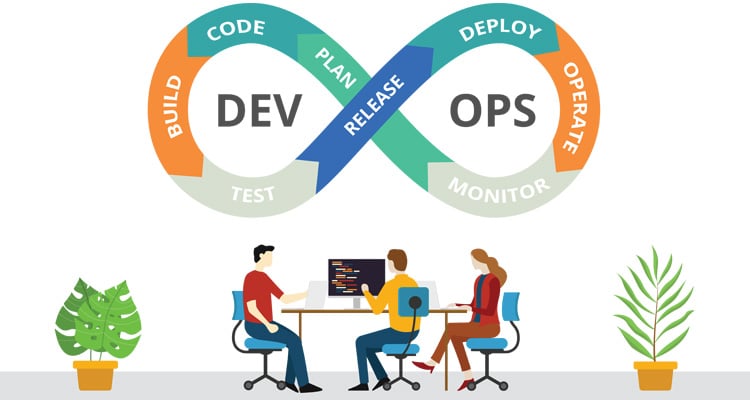
The ten firms examined in this guide represent the current state of excellence in cloud DevOps consulting, each bringing distinctive strengths to different aspects of the transformation challenge. Organizations that thoughtfully evaluate their specific requirements, honestly assess their current capabilities and cultural readiness for change, and select partners aligned with their objectives position themselves to achieve the full benefits that modern DevOps practices enable.
The DevOps journey never really ends as new technologies and practices continuously emerge, making the choice of partner an ongoing strategic decision rather than a one-time procurement exercise. Those firms that combine deep technical expertise with business acumen, cultural sensitivity, and genuine commitment to client success earn the right to serve as trusted advisors throughout this continuous evolution.