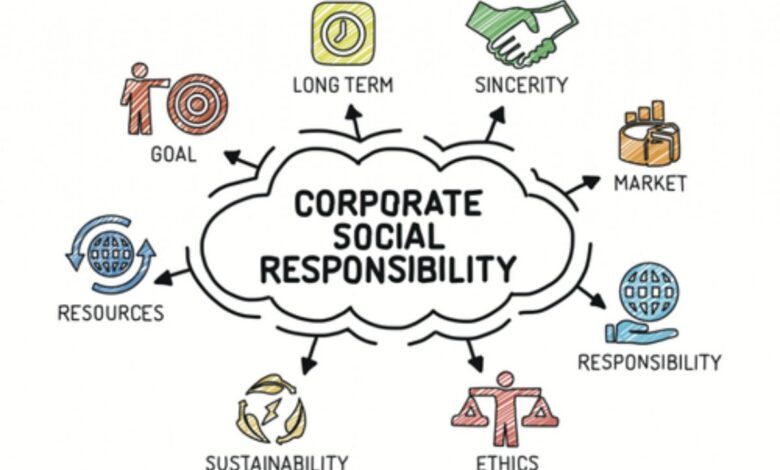
Corporate Social Responsibility has evolved from a peripheral concern into a central business imperative that shapes strategy, operations, and stakeholder relationships. In 2026, CSR consulting has matured into a sophisticated discipline that encompasses environmental sustainability, social impact, governance frameworks, and stakeholder engagement, now commonly referred to as ESG strategy. The global ESG consulting market, which was valued at approximately 13.7 billion dollars in 2023, is projected to reach around 40 billion dollars in the coming years, reflecting the explosive growth in demand for expertise that helps organizations navigate the complex terrain of sustainable business practices.
Understanding which CSR consulting firms lead this transformation requires examining not just their size and reach, but their specific capabilities in areas like climate action, circular economy strategy, social impact measurement, supply chain sustainability, and regulatory compliance. The best firms combine deep technical expertise with strategic business acumen, helping organizations recognize that sustainability and profitability are not opposing forces but increasingly interconnected objectives. As regulatory frameworks like the Corporate Sustainability Reporting Directive tighten and stakeholder expectations intensify, the role of CSR consultants has become more critical than ever to organizational success and societal progress.
1. Deloitte: Comprehensive ESG Transformation at Scale
Deloitte has established itself as a powerhouse in sustainability consulting through its ability to deliver end-to-end services that support organizations embedding sustainability into their core operations. The firm’s approach encompasses developing ESG strategies, managing climate risks, meeting regulatory requirements, and driving operational transformation that delivers both environmental benefits and business value. Deloitte’s global reach, with presence across virtually every major market, allows it to provide localized insights while leveraging international best practices.
What distinguishes Deloitte in 2026 is its integration of sustainability consulting with its broader technology and transformation capabilities. The firm recognizes that achieving ambitious sustainability goals often requires fundamental changes to business processes, supply chains, and operating models. Deloitte’s technology platforms and digital transformation expertise enable it to help clients not just develop sustainability roadmaps but actually execute them through systematic change programs. The firm has made substantial investments in proprietary tools for carbon accounting, ESG reporting, and sustainability performance management.
Deloitte’s client base spans from multinational corporations navigating complex global regulations to mid-sized companies beginning their sustainability journeys. The firm’s industry-specific knowledge allows it to tailor approaches for sectors like manufacturing, financial services, consumer products, and energy, recognizing that sustainability challenges and opportunities vary dramatically across industries. Deloitte’s commitment to its own sustainability goals, including targets around carbon emissions reduction and sustainable operations, provides credibility when advising clients on similar transformations.
2. McKinsey & Company: Strategic Leadership in Sustainability
McKinsey operates a specialized platform called McKinsey Sustainability that supports clients across industries in embedding sustainability into their strategies and operations. The firm’s approach reflects its heritage in corporate strategy, helping organizations recognize how sustainability can drive competitive advantage, unlock new growth opportunities, and build resilience against emerging risks. McKinsey’s work extends beyond environmental concerns to encompass the full spectrum of ESG issues including social impact, governance frameworks, and stakeholder engagement.
The firm’s analytical rigor and data-driven approach bring quantitative precision to sustainability challenges. McKinsey helps clients model different decarbonization pathways, analyze the financial implications of climate risks, and identify opportunities where sustainability investments can generate attractive returns. The firm’s extensive research capabilities produce insights about sustainability trends, consumer preferences, and regulatory developments that inform client strategies. McKinsey’s global network of offices and deep relationships with C-suite executives position it to influence sustainability strategy at the highest organizational levels.
McKinsey’s sustainability consulting encompasses climate action planning, circular economy strategy, sustainable supply chain transformation, and ESG performance improvement. The firm has developed proprietary methodologies for assessing sustainability maturity, prioritizing initiatives, and tracking progress against goals. McKinsey’s ability to connect sustainability strategies with broader business transformation initiatives makes it particularly valuable for organizations pursuing fundamental shifts in how they create value while managing environmental and social impacts.

3. Boston Consulting Group: Innovation and Sustainability Depth
Boston Consulting Group has built exceptional depth in sustainability consulting, making it a go-to partner for organizations pursuing ambitious environmental and social goals. BCG approaches sustainability through its characteristic lens of innovation, helping clients develop novel solutions to complex challenges like renewable energy transition, sustainable product design, and climate-resilient business models. The firm’s emphasis on thought leadership means it frequently publishes research that shapes industry conversations about sustainability best practices and emerging opportunities.
BCG has made particularly strong investments in climate and environmental sustainability, developing specialized capabilities around decarbonization strategy, renewable energy economics, and climate risk assessment. The firm helps clients across industries understand how climate change will affect their businesses and develop strategies that both mitigate risks and capitalize on opportunities in the emerging low-carbon economy. BCG’s work with companies in carbon-intensive industries like energy, manufacturing, and transportation has generated deep expertise in navigating complex transitions.
The firm’s collaborative culture extends to its sustainability work, where BCG consultants partner closely with client teams to build internal capabilities alongside delivering recommendations. BCG recognizes that sustainability transformations require widespread organizational buy-in and skill development, not just executive mandates. The firm’s digital capabilities, housed within BCG X, enable it to leverage advanced analytics, artificial intelligence, and digital platforms to accelerate sustainability initiatives and track performance with unprecedented precision.
4. EY: Assurance-Backed Sustainability Services
EY offers a comprehensive range of sustainability services that leverage its unique position as both an auditor and advisor. This combination allows EY to provide integrated sustainability assurance services through its approach that combines strategic advisory with credible verification of ESG performance and reporting. The firm became carbon negative in 2021 and aims to achieve net zero in 2025, setting a leading example for the businesses it supports and demonstrating commitment to the principles it advocates.
EY’s sustainability practice covers creating ESG strategies that deliver long-term value, implementing change projects across the value chain, and providing assurance on sustainability reports and disclosures. The firm’s audit heritage brings a level of rigor and skepticism to sustainability work that helps clients develop robust, defensible ESG programs that withstand scrutiny from regulators, investors, and other stakeholders. EY’s global network allows it to navigate the increasingly complex landscape of sustainability regulations that vary across jurisdictions.
The firm has invested significantly in technology platforms that support clients throughout their sustainability journeys. These connected technology platforms help organizations collect ESG data, analyze performance, identify improvement opportunities, and generate reports that meet various regulatory and stakeholder requirements. EY’s industry-specific approaches recognize that sustainability challenges differ dramatically between sectors like financial services, healthcare, consumer products, and industrial manufacturing. The firm’s ability to combine strategic thinking with practical implementation support makes it valuable for organizations at different stages of sustainability maturity.
5. PwC: Technology-Enabled Sustainability Transformation
PwC leverages advanced technologies to help clients improve their sustainability performance and navigate the complex ESG landscape. The firm’s approach emphasizes using data analytics, automation, and digital platforms to make sustainability programs more effective, efficient, and measurable. PwC offers support across climate and nature strategy, energy transition, diversity equity and inclusion, supply chain sustainability, and sustainable finance, recognizing the interconnected nature of these challenges.
The firm’s global reach allows it to provide insights that reflect both local contexts and international best practices. PwC has developed strong capabilities in sustainability reporting and disclosure, helping clients meet the requirements of various frameworks and standards including the Global Reporting Initiative, the Sustainability Accounting Standards Board, and the Task Force on Climate-related Financial Disclosures. As regulatory requirements around sustainability reporting become more stringent and standardized, PwC’s expertise in both financial reporting and sustainability positions it well to help clients navigate this convergence.
PwC’s work spans strategy development through implementation and ongoing performance management. The firm helps clients establish sustainability governance structures, develop targets and key performance indicators, implement programs to achieve goals, and communicate progress to stakeholders. PwC’s industry expertise allows it to benchmark client performance against peers and identify leading practices that can be adapted to specific organizational contexts. The firm’s commitment to its own sustainability goals, including substantial reductions in greenhouse gas emissions, provides practical experience that informs client recommendations.
6. KPMG: Risk-Informed ESG Advisory
KPMG offers sustainability consulting services that leverage its deep expertise in risk management, regulatory compliance, and corporate governance. The firm’s approach emphasizes identifying and managing ESG risks while simultaneously uncovering opportunities that sustainability initiatives can create. Research from KPMG estimates that companies with strong ESG practices can achieve up to thirty-three percent higher operating profits than those without, reflecting how sustainability has become a driver of financial performance rather than merely a cost center.
KPMG’s advisory services span climate and nature strategy, energy transition, diversity equity and inclusion, supply chain sustainability, and sustainable finance. The firm helps clients develop sustainability strategies that align with business objectives while meeting stakeholder expectations and regulatory requirements. KPMG’s global network allows it to help multinational corporations navigate varying sustainability regulations and expectations across different markets, ensuring consistency in approach while respecting local contexts.
The firm has made significant investments in ESG technology platforms that help clients collect, analyze, and report sustainability data. KPMG recognizes that effective sustainability management requires robust data infrastructure and analytics capabilities, particularly as reporting requirements become more detailed and standardized. The firm’s combined expertise in financial systems and sustainability reporting positions it to help clients integrate ESG data into existing business intelligence and reporting infrastructures. KPMG’s industry specialization allows it to provide sector-specific guidance that addresses the unique sustainability challenges and opportunities in areas like manufacturing, financial services, retail, and healthcare.
7. Accenture: Digital-Driven Sustainability Innovation
Accenture brings its technology leadership and digital transformation expertise to sustainability consulting, offering a wide range of services designed to drive positive environmental and social impact. The firm’s research shows that just eighteen percent of companies are cutting emissions fast enough to reach net zero by 2050, highlighting the urgency of the challenge and the need for accelerated action. Accenture’s global scale and technical capabilities allow it to provide tailored sustainability support that leverages emerging technologies like artificial intelligence, Internet of Things sensors, and blockchain for supply chain transparency.

The firm’s approach emphasizes using technology to make sustainability programs more effective and scalable. Accenture helps clients deploy digital solutions for energy management, waste reduction, circular economy initiatives, and supply chain optimization. The firm’s extensive experience in technology implementation means it can help organizations move beyond strategy documents to actual operational changes that deliver measurable environmental and business benefits. Accenture’s cloud and data analytics capabilities enable sophisticated modeling of sustainability scenarios and real-time tracking of performance.
Accenture’s commitment to its own sustainability goals, including substantial reductions in Scope One, Two, and Three greenhouse gas emissions by 2030, demonstrates its understanding of the practical challenges organizations face in pursuing ambitious environmental targets. The firm works across industries including energy, consumer goods, financial services, and public sector, adapting its approaches to the specific contexts and constraints each sector faces. Accenture’s ability to combine sustainability expertise with deep technical knowledge makes it particularly valuable for organizations pursuing digital sustainability transformations.
8. ERM: Pure-Play Environmental and Sustainability Focus
ERM stands out as the world’s largest consultancy with a pure focus on sustainability issues, allowing it to provide highly specialized services across a variety of industries. This dedicated focus means ERM has developed exceptional depth in environmental science, sustainability strategy, and ESG risk management without the distractions of maintaining expertise in unrelated consulting areas. The firm’s technical specialists include environmental scientists, engineers, social scientists, and sustainability strategists who bring deep domain expertise to client challenges.
ERM’s services span the entire business lifecycle, from initial site assessment and environmental impact studies through ongoing operational support and sustainability program management. The firm helps clients navigate complex environmental regulations, manage climate and environmental risks, develop sustainability strategies, and implement programs that deliver measurable improvements. ERM’s global presence with local expertise allows it to support multinational corporations with operations in diverse regulatory environments while providing the detailed local knowledge necessary for effective compliance and risk management.
What distinguishes ERM is its ability to combine technical rigor with strategic business thinking. The firm doesn’t just help clients understand their environmental impacts but helps them develop strategies that turn sustainability into competitive advantage. ERM’s work includes advising on renewable energy projects, circular economy initiatives, biodiversity protection, social impact assessment, and climate resilience planning. The firm’s long history in environmental consulting, combined with its evolution into broader sustainability strategy, provides a unique perspective that balances environmental science with business realities.
9. Bain & Company: Results-Focused Sustainability Strategy
Bain brings its characteristic focus on results and measurable impact to CSR consulting, helping companies integrate sustainability into their core business strategies while delivering tangible business outcomes. The firm’s approach reflects its heritage in private equity and performance improvement, emphasizing sustainability initiatives that generate both environmental benefits and financial returns. Bain helps clients identify where sustainability investments can create the greatest value while mitigating risks and meeting stakeholder expectations.
The firm’s CSR consulting services include strategy development, program implementation, and measurement and reporting systems that track progress and demonstrate impact. Bain’s collaborative culture extends to its sustainability work, where consultants partner closely with client teams to develop strategies that reflect organizational realities and capabilities. The firm’s analytical rigor helps clients prioritize among competing sustainability initiatives, focusing resources on areas where they can achieve the greatest impact relative to investment.
Bain has developed strong capabilities in sustainable supply chain transformation, helping clients address environmental and social risks while improving efficiency and resilience. The firm’s work spans industries including consumer products, retail, healthcare, technology, and industrial goods, with sector-specific approaches that recognize the varying sustainability challenges and opportunities each industry faces. Bain’s focus on organizational change and capability building ensures that sustainability strategies don’t just look good on paper but actually get implemented through systematic programs that engage employees and change behaviors.
10. FSG: Mission-Driven Social Impact Strategy
FSG operates as a mission-driven consulting firm supporting leaders in creating large-scale, lasting social change. Through customized consulting services, innovative thought leadership, and support for learning communities, FSG helps foundations, businesses, nonprofits, and governments around the world accelerate progress by reimagining social change. The firm brings a distinctive perspective that emphasizes cross-sector collaboration, systems-level thinking, and measurable social impact alongside business sustainability.
FSG’s approach to CSR consulting recognizes that the most pressing social and environmental challenges cannot be solved by any single organization or sector working alone. The firm helps clients develop collaborative strategies that bring together businesses, nonprofits, government agencies, and communities around shared goals. FSG has developed frameworks and methodologies for collective impact, shared value creation, and strategic philanthropy that have influenced how organizations approach social responsibility globally.
The firm’s consulting work spans impact strategy development, program design and evaluation, stakeholder engagement, and systems change initiatives. FSG helps companies identify where their business interests align with social needs, creating strategies that generate both business value and societal benefit. The firm’s research and thought leadership contribute to broader conversations about how business can be a force for positive social change. FSG’s focus on learning and adaptation means it helps clients build not just programs but also the organizational capabilities needed to continuously improve their social impact over time.
Navigating the CSR Consulting Market in 2026
Selecting the right CSR consulting partner requires careful consideration of your organization’s specific needs, current sustainability maturity, industry context, and strategic objectives. The firms profiled here represent different approaches and strengths, from the comprehensive capabilities of global consulting giants to the specialized expertise of pure-play sustainability firms. Large management consultancies like Deloitte, McKinsey, and Accenture offer broad service portfolios that can address sustainability alongside digital transformation, operational improvement, and strategy development, creating integrated solutions.
Specialized sustainability firms like ERM bring unmatched technical depth and focused expertise that may be particularly valuable for organizations facing complex environmental challenges or operating in highly regulated industries. Mission-driven firms like FSG offer distinctive perspectives on social impact and collaborative approaches that can help organizations think differently about their role in addressing societal challenges. The choice depends not just on the immediate project requirements but on your organization’s longer-term sustainability journey and the internal capabilities you want to build alongside external support.

As sustainability evolves from a specialized function into a core business imperative, the most valuable consulting partners are those who can help organizations embed environmental and social considerations into strategic decision-making, operational processes, and organizational culture. The CSR consulting market continues evolving rapidly, with firms investing heavily in technology platforms, data analytics capabilities, and industry-specific expertise. Organizations that engage thoughtfully with these consulting partners, viewing them as collaborators in transformation rather than just vendors of advice, will be best positioned to navigate the complex sustainability landscape and create lasting value for shareholders, stakeholders, and society.