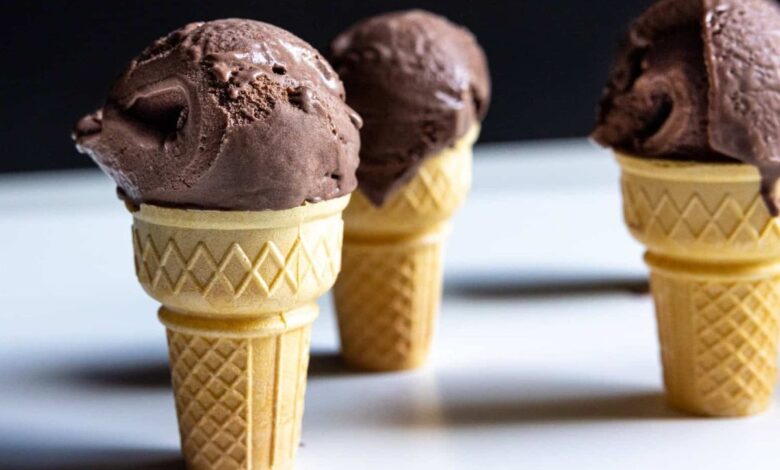
India’s ice cream industry stands at a fascinating crossroads where traditional distribution models meet digital-first innovation, creating a unique landscape that differs dramatically from other D2C categories. The ice cream market, valued at approximately two hundred twenty-eight billion rupees in 2023 and projected to reach nine hundred fifty-six billion rupees by 2032 with a compound annual growth rate of seventeen percent, represents one of India’s most dynamic food sectors.
However, understanding D2C icecream brands requires first appreciating why this category presents unique challenges that have prevented the emergence of pure direct-to-consumer players in the way we see them in beauty, fashion, or packaged snacks. The cold chain requirement, perishability, and logistics complexity mean that successful ice cream brands in India operate through hybrid models that blend digital ordering, quick commerce partnerships, franchise networks, and strategic retail presence rather than the pure website-to-doorstep model that defines classic D2C.
1. Naturals Ice Cream
Naturals Ice Cream represents India’s artisanal icecream pioneer, having built a beloved brand over forty years by focusing obsessively on fruit-based flavors made with just three ingredients including fresh fruits, milk, and sugar. Founded in 1984 by Raghunandan Srinivas Kamath who opened the first store at Juhu in Mumbai, Naturals has grown into a retail powerhouse with one hundred seventy plus outlets across fifteen states while maintaining the quality standards and authentic taste that attracted initial customers. The brand generated revenue of three hundred eighty crore rupees in fiscal year 2024, representing remarkable growth from ninety-three crore rupees in FY21, demonstrating sustained demand for premium natural ice creams even as competition intensifies.
What distinguishes Naturals in the crowded icecream market is its commitment to fruit-forward flavors that celebrate India’s seasonal produce. The brand’s most iconic offerings include tender coconut icecream featuring fresh coconut water and flesh that delivers refreshing tropical taste, sitaphal which is custard apple icecream showcasing this beloved fruit’s creamy sweetness, Alphonso mango icecream that captures the essence of India’s king of fruits during mango season, and jackfruit icecream that transforms this polarizing fruit into universally appealing dessert.
All products are made without preservatives or stabilizers, requiring sophisticated cold chain management to maintain quality while extending shelf life sufficient for distribution. The brand’s tagline Taste the Original emphasizes authenticity differentiating Naturals from imitators and mass-market brands compromising on ingredients.
Naturals operates through a hybrid franchise and company-owned store model, with eighteen directly owned outlets and one hundred nineteen franchised locations as of April 2022. This asset-light expansion strategy enables rapid geographic growth while maintaining quality through comprehensive franchisee training and supply chain controls. The brand targets tier-one and tier-two cities including Chennai and Lucknow for its 2025 expansion, aiming to reach two hundred stores by December 2025 and achieve revenue of five hundred crore rupees by FY27.
Digital presence includes online ordering through the brand’s website enabling customers to browse flavors and place orders for pickup or delivery, partnerships with Swiggy and Zomato providing delivery from store locations to customer homes, and collaboration with Rebel Foods cloud kitchens to reach areas without physical outlets. This omnichannel approach captures consumers regardless of their preferred shopping method while recognizing that icecream’s perishability makes pure direct-to-consumer delivery economically challenging.
The brand faces competition from both traditional mass-market players including Amul and Kwality Walls offering broader flavor variety at lower prices, plus premium competitors like NIC Ice Creams and international brands like Baskin Robbins providing different value propositions. Naturals differentiates through its fruit-based positioning and natural ingredient focus, targeting health-conscious consumers who want indulgence without artificial additives.
The brand achieved global recognition when its tender coconut flavor appeared on Taste Atlas’s list of top one hundred iconic icecreams globally, validating its quality and unique positioning. Looking forward, Naturals aims to maintain its artisanal character while achieving scale necessary for sustainable growth, balancing expansion ambitions with protecting the brand authenticity and product quality that built its reputation over four decades.
2. NIC Ice Creams
NIC Ice Creams has emerged as a formidable competitor in India’s premium icecream segment by offering over fifty flavors made with natural ingredients and zero preservatives. Founded in 1984 by Jeetendra Bhandari, Sanjeev Shah, Raj Bhandari, and Raghunandan S Kamath and headquartered in Pune, NIC has built substantial scale while maintaining its artisanal positioning, generating revenue of one hundred seventy-one crore rupees as of March 2023. The brand has attracted significant venture capital backing, raising thirty-one million dollars across two funding rounds from Jungle Ventures, demonstrating investor confidence in the premium icecream opportunity and NIC’s execution capabilities.
NIC’s product portfolio showcases the breadth of flavors that artisanal brands can offer compared to mass-market players limited by production scale economics. Signature offerings include Alphonso mango icecream celebrating India’s most prized mango variety, Madagascar vanilla using premium vanilla pods for rich authentic flavor, cookies and cream combining crunchy cookie pieces with sweet cream, muskmelon showcasing the refreshing melon’s delicate sweetness, pineapple coconut delivering tropical flavor combinations, and roasted almond featuring crunchy nuts throughout creamy base. The brand emphasizes that products contain no preservatives yet achieve extended shelf life through rapid freezing techniques, quality ingredient selection, and sophisticated cold chain management from production through retail.
Distribution follows an omnichannel approach recognizing that different consumers prefer different purchase methods based on occasion and context. NIC operates independent franchise stores in high-traffic locations including malls, entertainment districts, and upscale neighbourhoods, providing branded retail experiences where customers can sample flavours and purchase tubs or cones.
The brand maintains strong presence on e-commerce platforms including BigBasket and other grocery delivery services, enabling consumers to order for home delivery when stocking freezers or planning gatherings. Quick commerce partnerships with Blinkit and Zepto capture impulse purchases driven by sudden cravings or last-minute entertaining needs, leveraging these platforms’ ten to fifteen minute delivery promises. The brand’s website facilitates direct ordering for pickup from stores, though actual delivery from brand-owned vehicles remains limited given economic challenges of refrigerated last-mile logistics.
NIC faces competitive pressure from multiple directions, requiring continuous innovation and strong execution to maintain its market position. Traditional players like Amul and Mother Dairy leverage massive distribution networks and lower prices to capture volume-focused consumers. International premium brands including Baskin Robbins and Haagen-Dazs offer aspirational positioning and familiar flavors for globally-minded consumers. Fellow artisanal brands like Naturals and regional players provide similar quality and natural ingredient positioning, forcing differentiation through flavor innovation, brand building, and customer experience. NIC has responded by expanding flavor variety to over fifty options compared to competitors offering twenty to thirty, investing in marketing that builds awareness of its natural positioning, and strengthening retail presence through franchise expansion that creates multiple touchpoints with consumers.
3. Papacream
Papacream has carved a distinctive niche in India’s icecream market by focusing specifically on health-conscious consumers seeking guilt-free indulgence through low-calorie, high-protein products. The brand operates primarily through a direct-to-consumer model leveraging online ordering and quick commerce partnerships, making it one of India’s truest D2C icecream brands despite the category’s inherent challenges. Papacream’s product portfolio includes sugar-free options using natural sweeteners for diabetics and calorie-conscious consumers, high-protein icecreams delivering fifteen to twenty grams of protein per serving for fitness enthusiasts, low-calorie formulations containing thirty to fifty percent fewer calories than conventional icecreams, and innovative flavors that prove healthy doesn’t mean boring including chocolate brownie, mango passion, and coffee caramel.
Understanding Papacream’s success requires examining the growing health and fitness movement in urban India. Gyms, yoga studios, and fitness centers have proliferated across metros and tier-one cities, creating communities of consumers who track macronutrients, measure protein intake, and seek foods supporting active lifestyles without derailing fitness goals.
Traditional icecream, loaded with sugar and fat while providing minimal protein or nutrients, represents guilty pleasure that fitness-focused consumers typically avoid or consume sparingly. Papacream positioned itself as the icecream that aligns with fitness goals rather than conflicting with them, enabling consumers to enjoy frozen desserts without guilt or compromising their nutrition plans. Marketing emphasizes health benefits and macronutrient profiles alongside taste, positioning products as post-workout treats or everyday snacks supporting wellness rather than occasional indulgences requiring justification.
Distribution strategy centers on online channels where health-conscious consumers already shop for supplements, fitness gear, and specialty foods. The brand’s website facilitates direct ordering with refrigerated delivery in select cities where density supports economically viable logistics.
More significantly, Papacream maintains strong presence on quick commerce platforms including Swiggy Instamart, Blinkit, and Zepto, capturing impulse purchases from consumers who decide they want icecream right now and appreciate the ability to receive healthy options within minutes rather than compromising with whatever conventional brands the neighborhood store stocks. This quick commerce presence proves crucial for building awareness and trial, as consumers browsing these apps for other items discover Papacream through featured placements or category browsing, expanding reach beyond the dedicated health food shoppers who might search for protein icecream specifically.
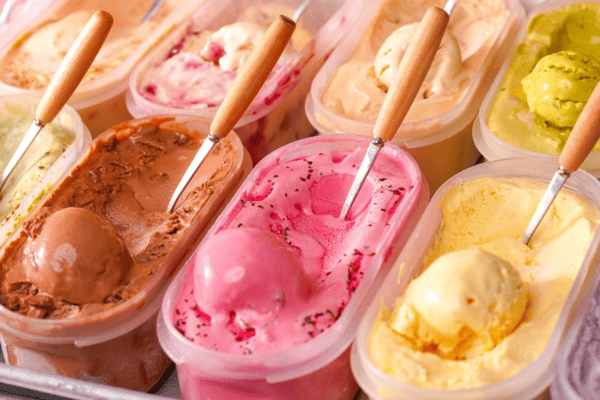
Papacream’s pricing reflects its premium positioning and value-added ingredients, with products ranging from eighty to three hundred rupees depending on format and serving size. This positions Papacream above mass-market brands but competitive with other premium and artisanal options, targeting affluent consumers who prioritize health and are willing to pay for genuine nutritional benefits. The brand’s revenue reportedly reaches fifteen to twenty-five crore rupees, modest compared to larger artisanal brands like Naturals or NIC but impressive given its focused positioning and capital-efficient online-first model.
Future growth depends on expanding product variety beyond current offerings, increasing distribution reach through additional quick commerce and retail partnerships, building brand awareness through influencer marketing and content that educates consumers about protein benefits, and eventually establishing retail presence in fitness centers, health food stores, and premium supermarkets where target customers naturally congregate.
4. Get-A-Whey
Get-A-Whey has positioned itself at the intersection of nutrition and indulgence, creating protein-rich icecreams that deliver twenty grams of protein per serving alongside great taste. The brand raised three point five million dollars in seed funding, attracting investors who believe protein-fortified desserts represent significant opportunity as health consciousness grows across India’s urban population. Get-A-Whey’s value proposition appeals particularly to fitness enthusiasts seeking post-workout recovery options that satisfy sweet cravings while supporting muscle repair, busy professionals wanting convenient protein sources that don’t require shaker bottles or bland bars, and health-conscious families seeking better-for-you dessert options that children actually enjoy.
The brand’s product development philosophy centers on delivering genuine nutritional benefits without compromising on taste or texture, recognizing that previous protein icecreams often suffered from chalky texture, artificial sweetener aftertaste, or limited flavor options that made them tolerable rather than genuinely enjoyable. Get-A-Whey formulations use whey protein isolate providing complete amino acid profiles necessary for muscle recovery, natural sweeteners including stevia and erythritol avoiding blood sugar spikes from regular sugar, and flavor systems that mask protein’s inherent taste while creating indulgent experiences. Popular varieties include chocolate chip cookie dough, salted caramel brownie, vanilla bean, and seasonal specialties, demonstrating that protein icecream can deliver flavor excitement comparable to conventional premium brands.
Distribution follows the hybrid digital-retail model that has proven most effective for premium icecream brands in India. Get-A-Whey maintains its own website where dedicated customers order for home delivery in cities where the brand has established cold chain infrastructure, though economics limit this pure D2C approach to dense urban areas with sufficient order volume.
More significantly, the brand partners with quick commerce platforms and food delivery apps that provide refrigerated last-mile logistics while aggregating orders for economic efficiency. Retail presence focuses on fitness-oriented channels including gym retail counters, health food stores, and specialty sections of premium supermarkets where target customers naturally shop for supplements and fitness products. This distribution strategy recognizes that protein icecream serves different occasions than regular icecream, often purchased as planned nutrition sources rather than purely impulse cravings.
Get-A-Whey’s marketing emphasizes fitness lifestyle positioning rather than just product attributes, creating brand identity around active, health-conscious living that extends beyond icecream itself. Social media content features workout tips, nutrition education, athlete partnerships, and user-generated content from customers sharing their fitness journeys, building community rather than just promoting products. This lifestyle branding helps Get-A-Whey compete against both conventional icecream brands offering indulgence without health benefits and protein supplement brands offering nutrition without enjoyment, positioning itself uniquely as delivering both.
The brand’s future success depends on expanding distribution reach to more cities and channels, innovating new flavors and formats that maintain novelty and excitement, educating broader consumer segments about protein benefits beyond just hardcore fitness enthusiasts, and defending against inevitable competition from both established icecream brands launching protein lines and new entrants targeting the same opportunity.
5. Keventers Ice Creamery
Keventers, the iconic dairy brand founded in 1925 and famous for its milkshakes, has launched Keventers Ice Creamery as it expands into the frozen desserts category. The brand brings significant advantages including century-old heritage and brand recognition, existing supply chain relationships and dairy expertise, established customer base familiar with product quality, and financial resources from parent company supporting rapid expansion. Keventers announced plans to establish eighty plus dark stores across Delhi NCR, Mumbai, Pune, Kolkata, Jaipur, Chandigarh, Ludhiana, Lucknow, and Bhubaneswar, with ambitious scaling plans for additional cities over subsequent six to nine months.
Understanding Keventers’ dark store strategy requires examining how leading food brands are adapting to quick commerce dominance. Dark stores are small fulfillment centers located in high-density neighbourhoods that stock limited product ranges optimized for quick commerce delivery through Swiggy, Zomato, Blinkit, and Zepto. Unlike traditional retail stores designed for browsing and customer experience, dark stores exist purely for rapid order fulfillment, with products stored in commercial freezers and staff focused on packing orders for platform delivery within ten to fifteen minute windows. This model enables brands to reach customers throughout entire cities without expensive retail real estate in prime locations, leveraging platform traffic and delivery infrastructure while maintaining control over product quality and inventory management.
Keventers Ice Creamery’s product portfolio includes six core flavors designed for broad appeal while showcasing brand’s dairy expertise including Belgian chocolate, Alphonso mango, triple chocolate, mocha almond fudge, caramel crunch, and cookies and cream. Products retail for ninety-four rupees for one hundred milliliter cups and three hundred thirteen rupees for four hundred fifty milliliter tubs, positioning in the premium-mass segment that balances quality perception with accessibility. The brand leverages Keventers’ existing brand equity and customer trust built over decades selling milkshakes and milk products, reducing barriers to trial compared to unknown startups lacking heritage or reputation. Packaging and marketing emphasize nostalgia, quality ingredients, and the same dedication to dairy excellence that made Keventers’ milkshakes beloved across generations.
While Keventers announced plans to launch its own e-commerce platform for direct-to-consumer sales, the reality is that its Ice Creamery brand achieves greatest success through quick commerce partnerships that provide economic viability for rapid delivery. The dark store model combined with platform partnerships enables Keventers to scale presence quickly across India’s major cities without capital requirements of establishing retail chains or attempting pure D2C delivery from central facilities.
This represents the evolved D2C model for icecream, where brands focus on product excellence and local inventory management while outsourcing customer acquisition and last-mile logistics to specialized platforms with refrigerated infrastructure and massive user bases. Keventers’ success will depend on maintaining quality as it scales rapidly, differentiating its products in increasingly crowded premium segment, and building direct customer relationships even while relying on third-party platforms for most transactions.
6. Minus 30
Minus 30 has distinguished itself in India’s premium icecream market through theatrical presentation including nitrogen icecream prepared fresh before customers, creating entertainment value and Instagram-worthy moments that drive social media marketing and word-of-mouth. The brand recognizes that premium icecream purchases increasingly serve as experiences and social currency beyond just dessert consumption, with customers valuing novelty, visual appeal, and sharing moments as much as taste itself. Minus 30’s theatrical preparation satisfies these needs by using liquid nitrogen to freeze icecream bases instantly at minus thirty degrees Celsius, creating smooth texture while providing dramatic vapor clouds and performance element that captivates customers.
The brand’s product approach focuses on small-batch artisanal production using premium ingredients including organic milk, real fruit pulps, Belgian chocolate, and imported nuts. Signature offerings include innovative flavors that push boundaries beyond conventional options including basil lemon sorbet, lavender honey, salted caramel pretzel, Thai tea, and seasonal specials using local ingredients at peak freshness. This adventurous flavor development appeals to sophisticated consumers seeking new taste experiences rather than just familiar favorites, positioning Minus 30 as culinary innovator rather than commodity producer. The theatrical preparation and premium ingredients justify pricing between two hundred to four hundred rupees per serving, targeting affluent urban consumers who view icecream as experience and treat rather than everyday dessert.
Distribution strategy emphasizes physical stores in high-traffic locations including premium malls, entertainment districts, and upscale neighborhoods where target customers naturally congregate and foot traffic supports economics of small-format retail. The theatrical preparation requires in-store presence where customers can watch the nitrogen freezing process, making pure online distribution impossible for the signature product experience. However, Minus 30 maintains digital presence through food delivery partnerships enabling customers to order pre-packaged tubs for home consumption, though this sacrifices the theatrical element that differentiates the brand. The challenge lies in scaling experiential retail, which requires significant capital for prime locations and trained staff capable of performing preparation theatrics consistently while maintaining quality standards.
Minus 30’s marketing emphasizes social media worthiness of both the preparation process and finished products, encouraging customers to photograph and share experiences through Instagram, Facebook, and other platforms. This user-generated content provides free marketing reach while building aspirational brand image that attracts new customers wanting to participate in trending experiences. The brand’s future growth depends on expanding store network to additional cities while maintaining quality and theatrical consistency, innovating new flavors and formats that sustain novelty and excitement, potentially developing premium take-home products for customers wanting Minus 30 quality without visiting stores, and defending against imitators copying the nitrogen preparation concept as it gains awareness.
7. Havmor
Havmor represents an established player that has successfully evolved to compete in the premium artisanal segment while maintaining mass-market appeal. Originally founded as a family business decades ago, Havmor was acquired by South Korea’s Lotte Group in 2017, providing capital and expertise to accelerate expansion and product innovation. The brand offers over one hundred sixty flavors spanning conventional favorites, regional Indian specialties, and innovative creations, making it one of India’s most comprehensive icecream portfolios. Signature products include kulfi varieties celebrating traditional Indian frozen desserts, Pan Masala icecream featuring the distinctive betel leaf preparation beloved across India, and seasonal specials using fresh mangoes, strawberries, and other fruits at peak availability.
Havmor’s distribution network combines traditional retail presence through thousands of general stores and kirana shops with modern trade partnerships in supermarket chains, plus growing quick commerce availability through Swiggy Instamart, Blinkit, and Zepto. This omnichannel presence ensures Havmor products are available wherever consumers shop, from neighbourhood stores serving impulse purchases to premium outlets targeting planned family purchases to digital platforms capturing convenience-driven orders. The brand operates company-owned parlors and franchised outlets that provide branded retail experiences where families can gather for desserts and celebrations, building emotional connections and direct customer relationships that complement packaged product sales through retail channels.
The Lotte Group acquisition provided Havmor with resources to invest in manufacturing capacity, cold chain infrastructure, marketing, and innovation that accelerate growth while maintaining quality standards. The brand has launched premium product lines targeting health-conscious consumers including sugar-free options for diabetics, low-fat varieties for calorie-conscious consumers, and natural ingredient formulations competing with artisanal brands. This multi-tier strategy enables Havmor to serve diverse consumer segments from value-focused buyers prioritizing affordability to premium customers seeking quality and innovation, maximizing addressable market rather than limiting appeal through narrow positioning. Digital presence includes brand website for information and store location, active social media engagement building community and awareness, and partnerships with e-commerce and quick commerce platforms providing convenient purchasing options.
Havmor’s challenge lies in managing its diverse portfolio and positioning across segments without diluting brand identity or confusing consumers about what the brand represents. The premium artisanal products require different marketing, pricing, and distribution than mass-market offerings, potentially creating conflicts or inefficiencies if not managed carefully.
However, the brand’s scale advantages including purchasing power reducing ingredient costs, manufacturing efficiency lowering production expenses, and distribution reach enabling broad availability create competitive moats protecting market position. Future growth depends on continuing product innovation that keeps offerings fresh and relevant, expanding premium lines that capture growing sophistication of Indian consumers, leveraging digital channels effectively while maintaining retail relationships, and defending against both mass-market competitors competing on price and artisanal brands competing on quality and innovation.
8. Glen’s Bakehouse
Glen’s Bakehouse represents the wave of artisanal dessert brands expanding into icecream as natural extension of their premium positioning and existing customer relationships. Originally known for high-quality baked goods including cakes, pastries, and cookies, Glen’s recognized that customers seeking premium desserts would likely appreciate icecreams matching the quality and innovation they expect from the bakery. The brand’s icecream offerings emphasize unique flavours often incorporating bakery elements including cookie dough chunks, brownie pieces, and cake-inspired profiles that create synergies with core business while differentiating from conventional icecream brands.
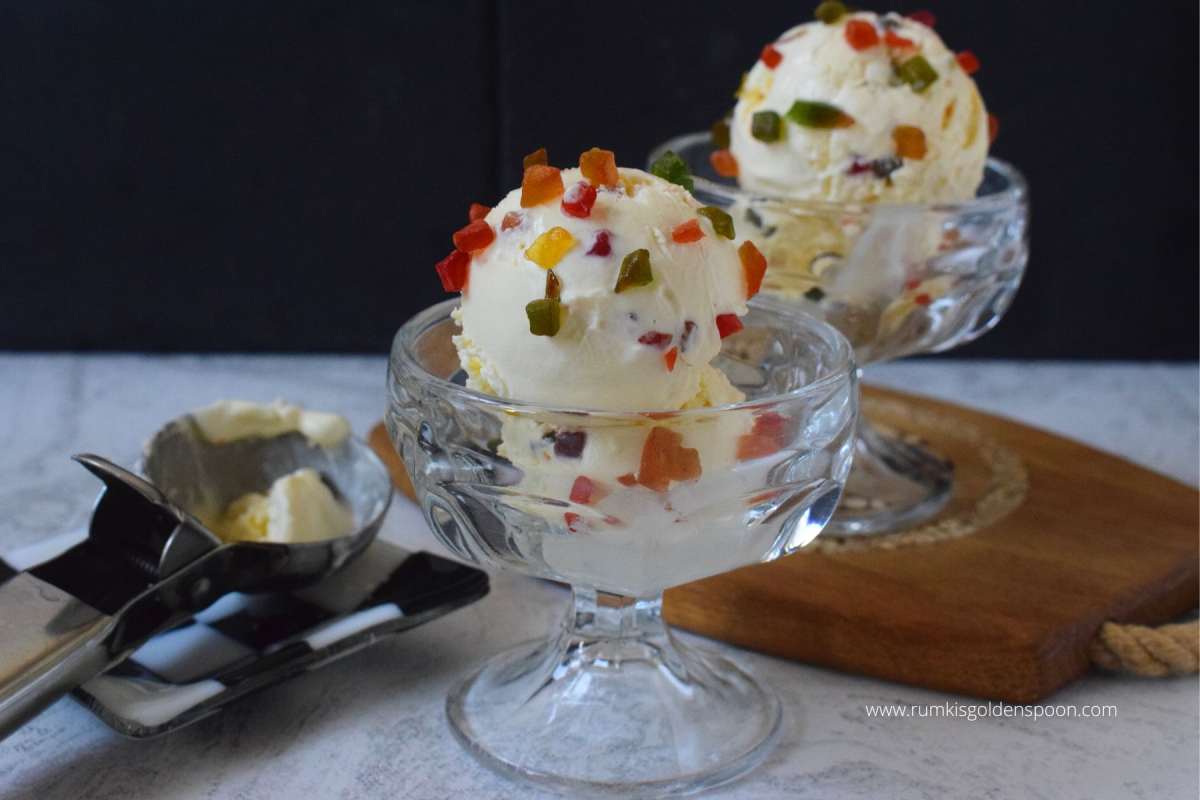
The product development philosophy centers on treating icecream as culinary craft rather than industrial production, with small batches, premium ingredients, and attention to detail that mirrors the approach taken to baked goods. Signature offerings include salted caramel brownie incorporating chunks from Glen’s popular brownies, chocolate chip cookie dough featuring cookie dough from bakery recipes, and seasonal specialties using fresh fruits, imported chocolates, and artisanal toppings. This bakery-meets-icecream positioning appeals to sophisticated consumers who view desserts as indulgences worth paying for and appreciate brands treating food as art rather than commodity. Pricing reflects premium positioning with products ranging from two hundred to five hundred rupees depending on format and ingredients, targeting affluent customers who prioritize quality over affordability.
Distribution leverages Glen’s existing bakery locations that attract target customers already coming for cakes and pastries, creating cross-selling opportunities and improving economics by utilizing existing retail infrastructure rather than requiring new store network. Icecream display freezers in bakeries showcase products to foot traffic while enabling tastings that encourage trial.
The brand maintains presence on food delivery apps enabling customers to order icecream alongside or instead of bakery items, providing convenience while leveraging existing platform relationships and customer recognition. Quick commerce partnerships provide impulse purchase opportunities for customers wanting Glen’s quality without visiting stores, though take rates may be lower than dedicated icecream brands as consumers may not think to look for bakery brands when specifically craving icecream.
Glen’s challenge lies in balancing icecream expansion with core bakery business, ensuring neither suffers from divided attention or resource constraints. Icecream requires specialized expertise, infrastructure, and supply chains different from baking, creating operational complexity that must be managed carefully to avoid compromising quality in either category.
However, the brand’s established reputation, existing customer relationships, and retail presence provide advantages that new icecream startups lack, potentially enabling faster scaling and better economics than purely single-category competitors. Future growth depends on expanding product variety while maintaining quality standards, potentially opening dedicated icecream stores in addition to bakery locations, building awareness that Glen’s offers premium icecream not just baked goods, and managing inventory and production complexity of operating in multiple perishable food categories simultaneously.
9. Noto
Noto represents the ultra-premium tier of India’s icecream market, positioning as luxury indulgence through artisanal craftsmanship, imported ingredients, and distinctive flavors that justify pricing often exceeding five hundred rupees per serving. The brand targets affluent consumers who view food as experience and status symbol, seeking products that provide both taste satisfaction and social currency through association with luxury brands. Noto’s offerings include gelato prepared using Italian techniques for smoother texture and more intense flavour than American-style icecream, sorbets showcasing pure fruit flavours without dairy, and innovative combinations incorporating ingredients like saffron, edible gold, imported pistachios, and exotic fruits that create exclusivity through rarity and cost.
Understanding Noto’s positioning requires examining how luxury operates in food categories where objective quality differences eventually plateau and premium pricing primarily reflects brand image, ingredient exclusivity, and experiential value. At mass-market tier, brands compete primarily on price with adequate quality and familiar flavours. Mid-tier premium brands offer quality ingredients, natural formulations, and flavour innovation justifying moderate premiums. Luxury tier like Noto must differentiate through elements beyond functional benefits including imported or rare ingredients creating scarcity and exotic appeal, artisanal production methods suggesting craftsmanship and attention to detail, sophisticated branding and presentation that communicate luxury through every touchpoint, and retail environments providing memorable experiences that justify substantial pricing premiums.
Distribution strategy focuses on exclusive channels reinforcing luxury positioning including company-operated stores in upscale locations like premium malls and luxury hotel districts, partnerships with five-star hotels and fine dining restaurants serving Noto to affluent guests, and selective retail in gourmet food stores targeting sophisticated consumers. The brand intentionally limits distribution to maintain exclusivity, recognizing that ubiquitous availability would undermine luxury positioning by suggesting commodity rather than special treat.
This contrasts with mid-tier premium brands pursuing broad distribution to maximize volume, reflecting different business models where Noto prioritizes margin over volume and accepts smaller scale as tradeoff for premium pricing. Limited digital presence reflects target customers’ preference for in-person experiences and belief that luxury desserts should be consumed fresh from store rather than ordered online, though some delivery options exist through premium food delivery services.
Noto’s future depends on maintaining luxury positioning as competitors attempt to copy approaches, expanding to additional cities with sufficient wealthy populations to support luxury pricing, potentially developing exclusive partnerships with luxury brands in adjacent categories like hotels or restaurants that reinforce positioning, and managing inevitable tension between growth ambitions requiring scale and exclusivity requirements supporting premium pricing. The brand also faces challenges from international luxury icecream brands entering India including Haagen-Dazs and Godiva that compete for same affluent consumers with established global reputations potentially giving them initial advantages in credibility and aspiration among status-conscious buyers.
10. Hangyo
Hangyo has built presence in India’s growing health-conscious icecream segment by offering products emphasizing natural ingredients, traditional preparations, and nutritional benefits. The brand’s portfolio includes kulfi prepared using authentic recipes and natural ingredients celebrating India’s traditional frozen desserts, fruit-based icecreams showcasing seasonal produce without artificial flavours or preservatives, and health-oriented options including low-sugar, dairy-free, and protein-enriched varieties targeting consumers balancing indulgence with wellness goals. This positioning appeals to families wanting better-for-you options their children will enjoy, health-conscious individuals seeking treats aligning with nutritional values, and traditionalists who prefer familiar Indian flavours to Western-style preparations.
Hangyo’s approach blends traditional Indian dessert wisdom with modern health consciousness, recognizing that India’s culinary heritage includes numerous frozen dessert preparations predating commercial icecream but offering nutritional advantages through ingredients like nuts, saffron, milk, and natural sweeteners. Products emphasize these traditional elements while incorporating contemporary health trends including reduced sugar content, natural sweeteners like jaggery and honey, superfood additions like chia seeds and dried fruits, and dairy alternatives using coconut or almond milk for lactose-intolerant consumers. This bridge between tradition and modernity differentiates Hangyo from purely Western-style premium brands while appealing to broader demographics than niche health brands targeting only hardcore wellness enthusiasts.
Distribution combines traditional retail through grocery stores and sweet shops where Indian consumers naturally purchase desserts with modern channels including supermarket chains, quick commerce platforms, and selective e-commerce presence. The brand has focused expansion on tier-two cities where demand for premium quality exists but supply remains limited compared to metro markets saturated with competing brands, creating opportunities for establishing category leadership before larger brands invest in these markets. This tier-two strategy reflects recognition that metros offer larger populations but intense competition and high operating costs, while smaller cities provide loyal customer bases with lower customer acquisition costs once relationships are established through quality products and consistent availability.
Hangyo faces competition from multiple directions including traditional kulfi brands like Giani’s and regional producers with loyal followings, artisanal icecream brands like Naturals and NIC competing for premium positioning, and health-focused startups like Papacream and Get-A-Whey targeting similar wellness-conscious consumers. Differentiation requires maintaining product quality as scale increases, innovating new flavours and formulations that sustain novelty, building brand awareness through marketing investments in social media and local advertising, and potentially developing unique product lines like Indian superfood icecreams or regional specialty flavours that competitors cannot easily replicate. The brand’s future depends on successfully executing tier-two expansion while eventually entering metro markets once sufficient brand strength and operational capabilities support competing against entrenched players.
The Future of D2C IceCream in India
India’s icecream market will continue evolving as technology, infrastructure, and consumer preferences reshape how frozen desserts are produced, distributed, and consumed. Several key trends will likely define the category’s development over the next three to five years, creating both opportunities and challenges for brands attempting to leverage direct-to-consumer models within icecream’s unique constraints.
Quick commerce platforms will increasingly dominate premium icecream distribution as ten to fifteen minute delivery transforms the category from planned purchases to impulse decisions made when cravings strike. Brands optimizing for quick commerce through appropriate portion sizes, price points suitable for spontaneous purchasing, and inventory positioning close to consumers will capture significant share from traditional retail that requires physical store visits. This trend particularly benefits digital-savvy brands without extensive retail networks, levelling playing field against established players whose massive distribution previously provided insurmountable advantages.
Health and wellness trends will intensify, driving demand for icecreams delivering genuine nutritional benefits including high protein content for fitness enthusiasts, low sugar and natural sweeteners for diabetics and calorie-conscious consumers, dairy-free alternatives using coconut or almond milk for lactose-intolerant individuals, and functional ingredients including probiotics for digestive health or adaptogens for stress management. Brands authentically delivering these benefits rather than just marketing healthy imagery will capture growing segments prioritizing wellness over pure indulgence, potentially commanding premium pricing justified through nutritional superiority rather than just taste or brand.
Regional flavour innovation will accelerate as brands recognize opportunity in India’s diverse culinary traditions and seasonal fruits that remain underutilized in icecream despite being beloved in other forms. Flavours inspired by regional desserts like phirni, shrikhand, or basundi, seasonal fruits including jamun, lychee, or wood apple, and traditional ingredients like rose, saffron, or cardamom create differentiation while celebrating Indian food heritage. These flavors appeal particularly to Indian consumers increasingly confident asserting their own food preferences rather than aspiring purely to Western products, creating authentic positioning that international brands cannot replicate credibly.
Subscription models may emerge as solution to icecream’s D2C economic challenges by aggregating multiple deliveries to same customer over time, spreading fixed refrigerated logistics costs across multiple transactions and improving unit economics. Customers subscribing for monthly icecream delivery benefit from convenience, discovery of new flavors, and potentially discounted pricing, while brands gain predictable revenue and better inventory management. However, success requires solving for freezer space constraints in Indian homes, managing flavor variety expectations across multiple deliveries, and maintaining product quality throughout entire subscription period.
Conclusion
India’s icecream market demonstrates how direct-to-consumer models must adapt to category-specific realities rather than forcing one-size-fits-all approaches across all product types. While pure D2C succeeds brilliantly for beauty, fashion, or shelf-stable foods, icecream’s cold chain requirements and impulse purchase behavior necessitate hybrid models blending digital ordering with quick commerce partnerships, strategic retail presence, and innovative fulfillment approaches like dark stores. The brands profiled here exemplify diverse strategies for succeeding within these constraints, from Naturals’ franchise-driven retail expansion to Papacream’s online-first health positioning, from Keventers’ dark store network to Noto’s ultra-premium exclusivity.
Understanding these brands requires appreciating the unique challenges they navigate including maintaining frozen supply chains from production through delivery, managing economics where refrigerated logistics costs often exceed product value, capturing impulse purchases driven by cravings and weather rather than planning, and competing against entrenched players with massive infrastructure advantages.
:max_bytes(150000):strip_icc()/AR-RM-233928-how-to-make-vanilla-ice-cream-ddmfs-3x4-c5b61f092fe14296b52ca364b1446800.jpg)
The artisanal brands succeeding despite these obstacles demonstrate the power of authentic quality, innovative flavors, and intelligent channel strategies that work with icecream’s constraints rather than fighting them. For Indian consumers, the proliferation of premium artisanal brands delivers unprecedented choice, quality, and innovation, raising standards across the category while proving that better ingredients, authentic flavors, and brand transparency create value consumers willingly pay for even in categories previously dominated by commodity thinking.