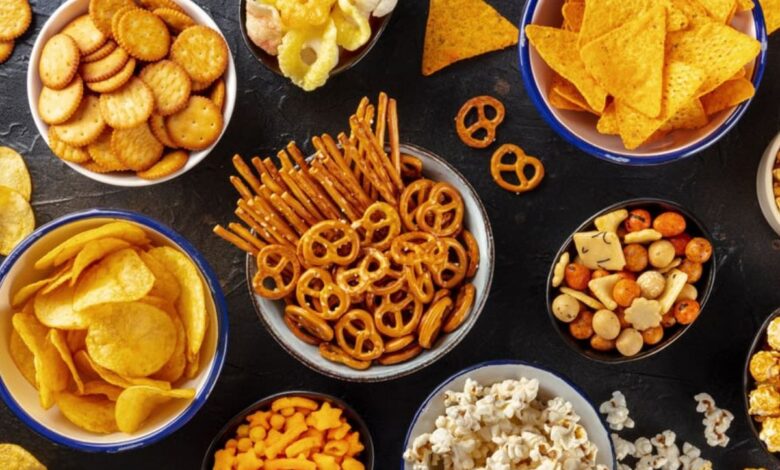
India’s snacking landscape has undergone a remarkable transformation, shifting from the traditional world of fried namkeens and sugary biscuits to a new era where health-conscious consumers demand transparency, nutrition, and authentic ingredients in their everyday munchies. The direct-to-consumer snacks market, projected to reach seventy-five thousand crore rupees by 2026, represents one of the most dynamic segments in India’s food industry.
With over fourteen hundred seventy D2C snacks brands currently operating, of which nearly three hundred have secured funding and ninety-four have reached Series A or beyond, this category exemplifies how digital platforms, health awareness, and changing lifestyles are reshaping what Indians eat between meals. Understanding this transformation requires examining not just which brands are succeeding, but why consumers are increasingly choosing premium healthy snacks over conventional options that dominated for decades.
1. Happilo
Happilo has established itself as India’s premium gourmet snacking brand by sourcing the finest nuts, dried fruits, seeds, and berries from across the globe and delivering them directly to consumers with guarantees of freshness and quality. Founded in 2016 by Vikas Nahar in Bengaluru, Happilo differentiated itself from commodity dry fruit retailers by emphasizing provenance and quality verification, sourcing figs from Afghanistan, nuts from California, dates from the Middle East, dried fruits from Thailand, and select products from India’s best farms. This global sourcing strategy positions Happilo as a curator of world-class ingredients rather than just another dry fruit retailer.
The company has raised forty-seven point nine million dollars across three funding rounds from prominent investors including A91 Partners, achieving a valuation of one hundred seventy-six million dollars. This substantial funding demonstrates investor confidence in the premium snacking segment and Happilo’s execution capabilities. The brand reported having two hundred sixty-one employees as of mid-2025, indicating significant scale and sophistication in operations beyond typical D2C startups. Happilo’s product portfolio spans roasted and flavored nuts, dried fruits, trail mixes, berries, seeds, and gifting options designed for festivals and corporate occasions.
What distinguishes Happilo in the crowded healthy snacking market is its uncompromising focus on quality and freshness. The brand invests heavily in post-production technology that maintains ingredient freshness from sourcing through delivery, using packaging designed to preserve flavor and nutritional value while extending shelf life. Happilo positions itself in the premium segment, with pricing reflecting superior ingredient quality rather than competing on affordability. This positioning targets affluent urban consumers who view snacking as part of an aspirational lifestyle and are willing to pay premiums for demonstrably superior products. The brand’s strong presence online through its website, major e-commerce platforms including Amazon and Flipkart, and increasingly in modern retail channels provides comprehensive accessibility.
Happilo faces competition from both established players like Farmley and True Elements, plus numerous regional brands offering similar products at lower price points. Maintaining differentiation requires continuous innovation around sourcing unique products, developing proprietary flavors and blends, and building brand equity that justifies premium pricing. The company has invested significantly in marketing including influencer partnerships, content marketing emphasizing health benefits of specific nuts and fruits, and strategic placement in contexts where target customers discover products including premium grocery stores and health food sections of major retailers.
2. The Whole Truth
The Whole Truth has built an intensely loyal following by making radical transparency the foundation of its brand identity, offering snacks with one hundred percent clean labels where every ingredient is recognizable and the brand explains exactly what each component contributes. Founded by Shashank Mehta, who struggled with weight gain caused by hidden sugars and misleading nutrition claims in conventional packaged foods, The Whole Truth emerged from authentic frustration with industry practices that prioritize marketing over honesty. The brand’s mission is rebuilding consumer trust in packaged foods by demonstrating that convenience and great taste don’t require compromising on ingredient integrity.
The company achieved revenue of sixty-five crore rupees in fiscal year 2024, representing an eighty-one percent increase from thirty-six crore rupees in the previous year. This exceptional growth rate demonstrates powerful demand for transparency-focused products among health-conscious consumers, particularly impressive given the brand’s premium pricing compared to conventional snacks. Notably, the company reduced losses by thirty-three percent while accelerating revenue growth, suggesting improving unit economics as scale increases. In February 2025, The Whole Truth raised fifteen million dollars in Series C funding led by Sofina with participation from existing investors including Peak XV Partners and Z47, bringing total funding to approximately thirty-eight million dollars.
The Whole Truth’s product portfolio includes protein bars in various flavors designed for post-workout recovery and convenient meal replacement, protein puffs offering savory alternatives to conventional chips, breakfast bars for on-the-go morning nutrition, cookies that satisfy sweet cravings without guilt, and ready-to-drink protein shakes. All products feature complete ingredient transparency with detailed explanations of why each component is included and what nutritional or functional purpose it serves. Packaging displays prominent callouts about what products don’t contain, specifically no hidden sugars, no artificial additives, no preservatives, and no misleading claims, reinforcing the transparency message that defines brand identity.
The brand claims that eighty to eighty-five percent of sales come directly through its website rather than third-party marketplaces, representing unusually high direct-to-consumer penetration that suggests strong customer loyalty and brand preference. This direct relationship enables The Whole Truth to gather detailed customer feedback, iterate products rapidly based on preferences, and maintain higher margins by avoiding marketplace commissions. The company has deliberately broadened its target audience beyond hardcore fitness enthusiasts to include women seeking nutritious snacks, teenagers wanting better-for-you options, and older adults looking for guilt-free indulgences, expanding addressable market size while reducing dependence on any single consumer segment.

3. Yogabar
Yogabar pioneered India’s healthy nutrition bar category when it launched in 2014, introducing energy bars and protein bars to consumers who had limited access to convenient nutritious snacking options. Founded by Anindita Sampat Kumar and Suhasini Sampath, the brand recognized that while international protein bar brands existed, they were prohibitively expensive and featured flavors optimized for Western palates rather than Indian preferences. Yogabar positioned itself as delivering international quality nutrition products with India-specific flavors and accessible pricing that made healthy snacking mainstream rather than exclusive to elite fitness enthusiasts.
The brand’s product portfolio has expanded significantly beyond its original protein bars to include breakfast cereals and muesli offering healthier morning meal options, oats in various formats including overnight oats and quick-cooking varieties, nutritious snacks including trail mixes and energy balls, and most recently meal replacement products. This category expansion transforms Yogabar from a single-product brand into a comprehensive nutrition platform addressing multiple consumption occasions throughout the day. All products are formulated with clean ingredients avoiding artificial preservatives, colors, and flavors while delivering taste profiles that encourage consistent consumption rather than being tolerated purely for health benefits.
Yogabar competes in an increasingly crowded nutrition bar segment where it faces competition from established international brands like Quest Nutrition and newer D2C startups including The Whole Truth and RiteBite. The brand differentiates through India-specific flavor profiles including masala varieties, Indian spice blends, and traditional ingredients presented in convenient modern formats. This localization helps Yogabar appeal to consumers who want international product quality and nutrition but prefer familiar tastes over chocolate and vanilla varieties that dominate global nutrition brands. The company has also developed specific product lines targeting different consumer segments including athletes needing high protein content, women seeking balanced nutrition, and children requiring healthy alternatives to conventional snacks.
Distribution spans Yogabar’s own website where it maintains full control over customer experience and margins, major e-commerce platforms including Amazon and BigBasket where it captures customers searching generically for nutrition products, modern retail chains where health-conscious shoppers discover products, gyms and fitness centers where the brand samples to target audiences, and increasingly quick commerce platforms like Blinkit and Zepto enabling impulse purchases. This comprehensive omnichannel presence ensures Yogabar captures customers regardless of where they prefer to shop, though the brand must carefully manage channel economics as retail partnerships and marketplace commissions impact margins compared to direct website sales.
4. Farmley
Farmley has rapidly scaled to become one of India’s leading healthy snacking brands by focusing on premium dry fruits, nuts, and makhanas sourced directly from farmers and delivered fresh to consumers. Founded in 2017 by Abhishek Agarwal and Akash Sharma in Noida, Farmley recognized that while dry fruits were consumed widely in India, most consumers purchased from local stores offering inconsistent quality, unknown origins, and questionable freshness. The brand positioned itself as bringing transparency and quality assurance to a category that desperately needed modernization, explaining exactly where products come from and how they are processed.
The company has achieved remarkable growth, generating revenue of three hundred ninety-six crore rupees as of March 2025 with projections to nearly double to six hundred to seven hundred crore rupees in fiscal year 2025. This explosive scaling demonstrates powerful market demand for premium quality dry fruits and nuts packaged for convenience and delivered fresh. Farmley has raised fifty-six point nine million dollars across six funding rounds from prominent investors including L Catterton, DSG Consumer Partners, Jindal Group, and Omnivore, with its most recent Series C round raising forty-two million dollars in May 2025. The company has achieved a valuation of nine hundred forty-four crore rupees, positioning it among India’s most valuable healthy snacking startups.
Farmley’s product portfolio spans premium almonds from California, cashews from Kerala and Vietnam, raisins from Afghanistan and Iran, dates from the Middle East, roasted and flavored makhanas which have become signature products, trail mixes combining nuts, seeds, and dried fruits, and gifting options designed for festivals and celebrations. The brand emphasizes direct sourcing from farms, explaining provenance and quality controls that ensure consistent superiority. Packaging is designed both for everyday snacking with resealable pouches maintaining freshness and for gifting with premium presentations suitable for occasions where dry fruits serve ceremonial purposes.
The company’s distribution strategy balances online sales through its website and major e-commerce platforms with expanding offline presence in modern retail chains, premium grocery stores, and increasingly quick commerce platforms. Farmley has invested significantly in supply chain infrastructure ensuring products move efficiently from farms through processing to customers while maintaining cold chain where necessary and quality standards throughout. The brand faces intense competition from Happilo, True Elements, and numerous regional players, requiring continuous innovation around sourcing unique products, developing proprietary flavors, and building brand equity that justifies premium pricing in a category where many consumers view dry fruits as commodities.
5. Wingreens Farms
Wingreens Farms has carved a distinctive position in healthy snacking by focusing on natural sauces, dips, spreads, and snacks made without preservatives or artificial ingredients. Founded with a mission to make healthy food simple and accessible, Wingreens recognized that while many brands focused on snacks themselves, condiments and flavor enhancers remained dominated by products loaded with preservatives, artificial colors, and excessive sodium. The brand set out to create natural alternatives that deliver authentic taste while meeting health-conscious consumers’ standards for ingredient quality.
The company’s product portfolio includes comprehensive range of sauces spanning tomato ketchup, pizza and pasta sauces, Chinese sauces, and Indian condiments, all formulated without preservatives using natural ingredients for flavor and shelf stability. The dips category includes hummus, guacamole, salsa, and innovative Indian-inspired options that pair with vegetables or healthy crackers. Spreads include peanut butter, almond butter, chocolate spreads, and savory options, all emphasizing natural ingredients without hydrogenated oils or excessive sugars. The snacks line includes protein bars, roasted chickpeas, makhanas, and baked items positioning as healthier alternatives to conventional fried snacks.
Wingreens has gained significant recognition and funding, raising capital from prominent investors including Sequoia Capital India, which led its growth rounds. The brand has also pursued strategic acquisitions to expand capabilities and market presence, notably acquiring fellow D2C snacks brand Postcard in April 2023 for an undisclosed amount. This acquisition strategy demonstrates Wingreens’ ambitions to build a comprehensive healthy food platform rather than remaining focused solely on organic growth, consolidating complementary brands while eliminating competition and gaining access to acquired brands’ products, customers, and capabilities.
Distribution emphasizes modern retail channels where health-conscious consumers shop, including premium supermarkets, specialty food stores, and organic product retailers, plus comprehensive e-commerce presence spanning own website, major marketplaces, and quick commerce platforms. Wingreens positions itself in the premium segment with pricing reflecting natural ingredient quality and manufacturing complexity required to achieve taste and shelf stability without preservatives. The brand’s marketing emphasizes family-friendly positioning, showing children enjoying products and parents feeling confident about serving natural foods that support healthy eating habits from young ages.

6. Eat Better
Eat Better represents the emerging category of heritage-meets-health D2C brands, combining traditional Indian food wisdom with modern nutritional understanding to create snacks that feel culturally authentic while delivering superior nutrition. Founded in 2020 by family members Mridula Kanoria, Shaurya Kanoria, and Vidushi Kanoria in Jaipur, Eat Better emerged from recognition that traditional Indian snacks and sweets, while delicious and culturally significant, often contained excessive sugars and unhealthy fats. The brand set out to reformulate these favorites using natural sweeteners, quality ingredients, and preparation methods that maintain taste while dramatically improving nutritional profiles.
The company’s product range includes The Better Ladoos, a revolutionary reimagining of traditional Indian sweets using natural ingredients and no added sugar while maintaining the taste and texture that makes ladoos emotionally significant to many Indians. Nuts and seed mixes combine various nuts, seeds, and spices in proportions designed for optimal nutrition and flavor. Savory snacks including millet mix and quinoa seed mix provide healthier alternatives to conventional namkeens and fried items. All products are vegan, gluten-free, and formulated without added sugars, appealing to consumers with dietary restrictions alongside those simply seeking healthier options.
What distinguishes Eat Better in the market is its commitment to manufacturing control and small-batch production. While most D2C brands outsource manufacturing to contract facilities, Eat Better maintains direct control over production, believing this is essential for maintaining quality standards and avoiding use of preservatives, artificial colors, and other shortcuts that contract manufacturers might take to improve efficiency or shelf life. The brand employs a team of over thirty-five women who prepare products using recipes developed in-house by founder Mridula Kanoria, who brings over twenty-five years of experience in nutrition and healthy recipe development. This artisanal approach creates authentic products but requires careful scaling to maintain quality as volume increases.
Eat Better raised six crore rupees in seed funding in 2022 led by Java Capital and Mumbai Angels, with participation from Shiprocket Ventures and various angel investors. This funding supports expansion while the brand develops distribution infrastructure and builds awareness among target customers. The company sells primarily through its website and Amazon, plus specialty platforms like Kindlife that focus on healthy and organic products. Pricing ranges from ninety-nine rupees for smaller items to five hundred twenty-five rupees for premium offerings, positioning Eat Better in the accessible premium segment rather than exclusive luxury pricing that would limit market size.
7. True Elements
True Elements has built a strong position in the nutritious staples category by offering breakfast cereals, muesli, granola, and healthy snacks that provide convenient nutrition for busy lifestyles. The brand recognized that while protein bars and nuts addressed between-meal snacking, breakfast remained dominated by refined cereals loaded with sugar or traditional options like parathas that required preparation time many consumers lacked. True Elements positioned itself as delivering genuinely nutritious breakfast solutions that combine convenience with ingredient quality and transparent labeling that builds trust with health-conscious consumers.
The company attracted significant corporate interest, with FMCG giant Marico acquiring a fifty-four percent stake in September 2022, validating the brand’s potential while providing resources for accelerated growth. This strategic investment demonstrates that established corporations recognize consumer shifts toward healthier products and prefer acquiring successful D2C brands rather than attempting to build similar offerings organically. True Elements benefits from Marico’s distribution reach, manufacturing expertise, and marketing capabilities while maintaining the authentic brand identity and product quality that attracted customers initially.
True Elements’ product portfolio spans granola in multiple flavors combining oats, nuts, seeds, and dried fruits with natural sweeteners, muesli offering ready-to-eat or quick-preparation breakfast options with high fiber and protein content, breakfast cereals including multigrain flakes and puffs designed for children and adults, protein-rich snacks including roasted chickpeas and seed mixes, and increasingly functional foods targeting specific health benefits like digestive health or sustained energy. All products emphasize recognizable ingredients with transparent labeling explaining nutritional benefits and absence of artificial additives.
Distribution has expanded dramatically following Marico’s investment, moving from primarily online channels to comprehensive presence in modern retail including major supermarket chains, convenience stores, and even traditional retail where Marico’s existing relationships enable placement. The brand maintains strong e-commerce presence through its website, Amazon, BigBasket, and emerging quick commerce platforms that enable impulse breakfast purchases when consumers run low on supplies. True Elements competes with both international brands like Kellogg’s and local players including Yogabar and Soulfull, requiring continuous innovation around flavors, nutritional profiles, and value propositions that justify premium pricing compared to conventional cereals.
8. Alpino Health Foods
Alpino Health Foods has achieved remarkable growth by focusing specifically on high-protein, peanut-based foods that address the nutrition needs of fitness enthusiasts and health-conscious consumers. Founded by six friends in Surat, the brand gained national attention by appearing on Shark Tank India, where despite not securing funding during the show, the pitch generated significant consumer interest and validation that propelled rapid scaling. This demonstrates that Shark Tank’s value extends beyond just investment capital to include brand awareness and credibility that can accelerate growth even without funding from the sharks.
The company’s product range centers on peanut butter in various flavors and formats including plain, chocolate, crunchy, and sweetened varieties using natural sweeteners rather than refined sugar. The brand expanded into protein-rich cereals offering convenient breakfast options, muesli combining oats, nuts, and dried fruits, protein powder for post-workout recovery, and increasingly into other peanut and nut-based products. This focused product strategy allows Alpino to build deep expertise in peanut processing, sourcing, and flavor development while maintaining clear brand positioning around protein content and natural ingredients.
Alpino positions itself as making high-quality protein products accessible to mainstream consumers rather than exclusively targeting elite athletes or fitness enthusiasts. Pricing reflects this accessible premium positioning, offering significantly better value than imported protein products while maintaining quality standards that justify premiums over mass-market options. The brand has invested heavily in educating consumers about protein’s importance for muscle recovery, satiety, and overall health, using content marketing and influencer partnerships to build awareness and drive trial among consumers who might not actively seek protein products but appreciate their benefits once educated.
Distribution spans the brand’s website providing direct sales and full control over customer experience, major e-commerce platforms capturing consumers searching for peanut butter or protein products, modern retail presence in health food sections and premium stores, and increasingly quick commerce availability enabling convenient reordering. Alpino faces competition from established peanut butter brands including Sundrop and Jif alongside newer healthy brands, plus protein supplement companies offering powder-based alternatives. Maintaining differentiation requires continuous innovation around flavors, formats, and demonstrating superior taste and texture that encourages consistent consumption rather than viewing products as medicine-like necessities tolerated purely for health benefits.
9. Snackible
Snackible represents the new wave of venture-backed healthy snacking brands leveraging quick commerce and digital marketing to achieve rapid scaling. The brand focuses on creating innovative snack formats that combine Indian flavors with healthier preparation methods, targeting young urban consumers who want snacks that feel indulgent while delivering better nutrition than conventional fried options. Snackible’s positioning emphasizes fun, enjoyment, and social connection around snacking rather than austere health-focused messaging that can feel restrictive.
The company’s product portfolio includes roasted nuts in innovative flavor combinations that make healthy snacking exciting, baked chips offering crunch and satisfaction without deep-frying, protein puffs providing savory alternatives to conventional chips, trail mixes combining nuts, seeds, dried fruits, and sometimes chocolate or savory elements, and increasingly specialty items like roasted makhanas with unique seasonings. All products avoid artificial preservatives, colors, and flavors while delivering taste profiles designed to compete directly with conventional indulgent snacks on flavor rather than positioning purely on health benefits.
Snackible has attracted significant venture capital funding that enables aggressive customer acquisition, product innovation, and distribution expansion. The brand invests heavily in digital marketing including influencer partnerships with lifestyle and food content creators, social media advertising targeting specific demographics, and content marketing explaining product benefits and consumption occasions. This digital-first approach allows Snackible to build awareness and drive trial among young urban consumers who discover products online before purchasing through quick commerce, e-commerce, or retail channels.
Distribution strategy emphasizes quick commerce platforms including Blinkit, Zepto, and Swiggy Instamart where young consumers increasingly purchase snacks for immediate consumption, transforming snacking from planned grocery shopping to impulse decisions made when cravings strike. This quick commerce focus requires maintaining inventory close to consumers for rapid delivery, optimizing packaging for fast handling, and pricing appropriately for spontaneous purchase decisions. The brand also maintains presence through its website, major e-commerce platforms, and expanding modern retail partnerships that provide discovery opportunities and serve consumers preferring physical stores.
10. Millet Bazaar
Millet Bazaar has positioned itself at the intersection of two powerful trends, the revival of traditional Indian millets as superfoods and growing consumer demand for healthier snacking alternatives. The brand recognized that while government initiatives promoted millets and health professionals recommended them, most consumers lacked convenient, tasty ways to incorporate millets into daily diets. Millet Bazaar set out to create millet-based snacks that deliver nutrition without requiring consumers to learn new cooking techniques or accept compromised taste.
The product range includes millet chips in various flavors offering crunchy alternatives to potato chips, millet puffs providing light snacking similar to conventional puffed snacks, millet cookies satisfying sweet cravings, millet-based namkeen reimagining traditional Indian snacks, and increasingly complete millet meals including ready-to-eat preparations and instant mixes. All products emphasize the nutritional superiority of millets including high fiber content, protein, essential minerals, and low glycemic index making them suitable for diabetics and weight management. Packaging clearly educates consumers about specific millets used including ragi, jowar, and bajra, explaining their individual benefits.
Millet Bazaar benefits from tailwinds including government promotion of millets following declaration of 2023 as the International Year of Millets, creating awareness and encouraging consumption. The brand has formed partnerships with farmer cooperatives ensuring consistent supply of quality millets while supporting rural livelihoods, creating social impact narrative that resonates with values-conscious consumers. This farm-to-consumer model ensures ingredient traceability while enabling competitive pricing by eliminating middlemen in agricultural supply chains.
Distribution focuses on health-conscious consumer channels including organic stores, health food sections of premium supermarkets, e-commerce platforms emphasizing natural products, and the brand’s website where extensive educational content helps consumers understand millet benefits. Millet Bazaar competes with established players including Slurrp Farm in the children’s nutrition segment and Soulfull in breakfast millets, plus traditional snack brands launching millet lines. Maintaining differentiation requires continuous innovation around flavors that make millets appealing beyond just health benefits, developing formats suitable for various occasions, and building brand equity around millet expertise and authentic commitment to traditional ingredients.
The Future of D2C Snacks Brands
India’s D2C snacks market stands at a critical juncture where the category transitions from niche health food segment to mainstream snacking option embraced across demographics. Several key trends will shape industry evolution over the next three to five years. First, consolidation through acquisitions will accelerate as both strategic corporates like Marico and Tata plus private equity investors recognize opportunities to acquire successful brands that have proven product-market fit and built loyal customer bases. This consolidation will separate brands with genuine competitive advantages and sustainable economics from those that relied primarily on marketing spend to drive unsustainable growth.
Second, profitability pressure will intensify as venture capital becomes more selective and investors demand clear paths to sustainable earnings. The era of prioritizing growth over unit economics is ending, forcing brands to optimize customer acquisition costs, improve retention through subscriptions and loyalty programs, and demonstrate that marketing investments generate positive lifetime value within reasonable timeframes. Brands achieving this balance will thrive while those dependent on cheap capital to fund unprofitable growth will struggle as funding dries up.
Third, quick commerce integration will become essential as platforms like Blinkit, Zepto, and Swiggy Instamart transform snacking from planned purchases into impulse decisions made when immediate cravings arise. Brands must optimize for quick commerce discovery through appropriate packaging sizes and price points, maintain inventory close to consumers for rapid delivery, and ensure products withstand fast fulfillment processes. Success in quick commerce provides significant market share advantages by capturing spontaneous snacking occasions that previously went to local stores.
Fourth, personalization enabled by technology will allow brands to offer customized products addressing individual dietary needs, taste preferences, and health goals. Subscription models could deliver curated selections of snacks based on detailed customer profiles, consumption patterns, and stated objectives. This personalization creates switching costs and customer loyalty that protect against purely transactional competition focused only on price.
Conclusion
India’s D2C snacks brands have evolved from niche health food offerings into substantial businesses reshaping how Indians snack, fundamentally altering what products are available, what ingredients are acceptable, and what standards consumers expect from packaged foods. The ten brands profiled here demonstrate diverse approaches to success, from Happilo’s premium global sourcing to The Whole Truth’s radical transparency, from Yogabar’s nutrition bar focus to Farmley’s farm-to-consumer model. Each identified genuine consumer needs around health, convenience, taste, or transparency and built businesses addressing those needs through direct relationships enabled by digital infrastructure.

The sector’s continued growth depends on brands maintaining the authenticity and quality that attracted initial customers while achieving scale necessary for sustainable economics. For consumers, the D2C snacks revolution has delivered unprecedented choice, transparency, and nutritional value, raising expectations about what snacking should provide beyond just momentary taste satisfaction. As India continues its health and wellness journey, D2C snacks brands will remain at the forefront of innovation, proving that food can be both delicious and nutritious, convenient and wholesome, affordable and premium. The brands that succeed long-term will be those solving real problems with authentic solutions while building genuine communities rather than just customer databases.