When businesses in India decide to advertise online, they face a fundamental question that can significantly impact their marketing success. Should they approach each website or app individually, or work with intermediaries who can distribute their advertisements across multiple platforms simultaneously? This question leads us to understanding digital ad networks, the powerful intermediaries that have transformed how advertising works in the digital age. As we progress through 2026, understanding which ad networks lead India’s market can mean the difference between advertising budgets that generate strong returns and those that disappear without meaningful impact.
Understanding Digital Ad Networks and Why They Matter
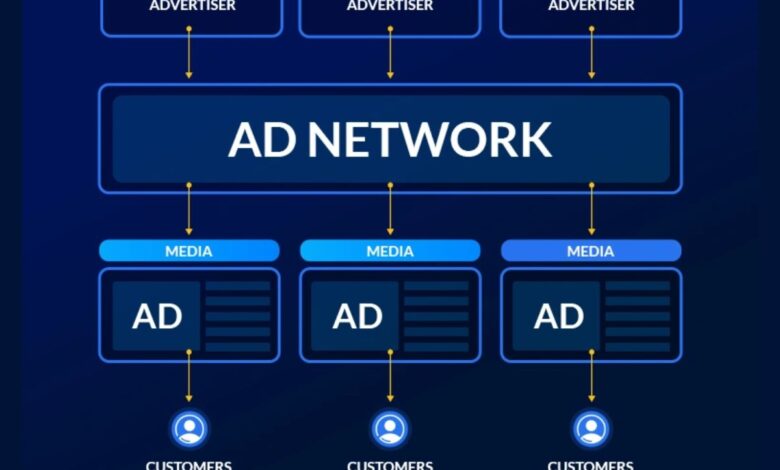
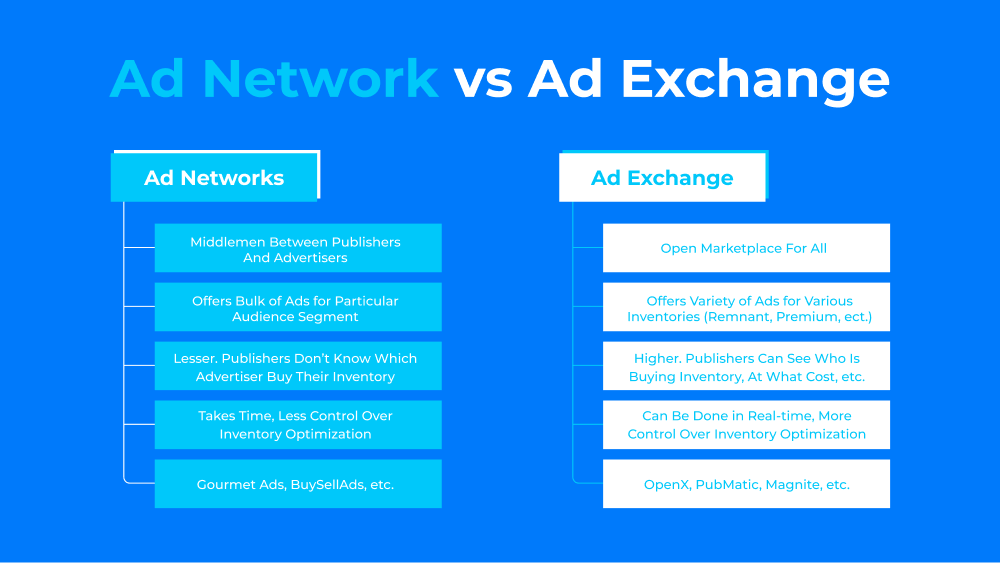
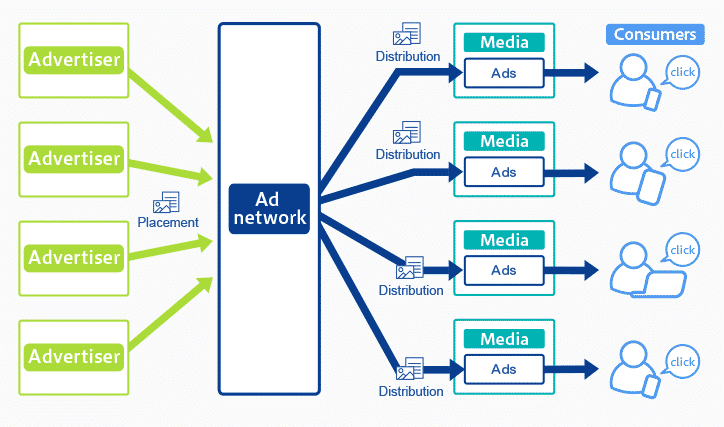
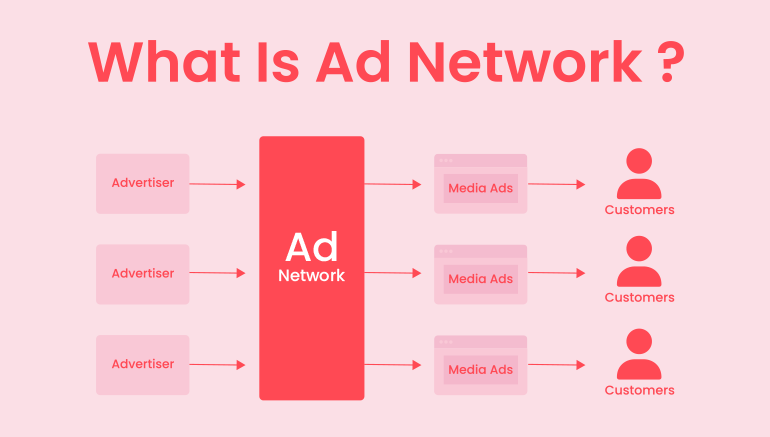
Digital ad networks solve a fundamental efficiency problem by acting as intermediaries connecting advertisers with publishers, the industry term for websites, mobile applications, and other digital properties that have advertising inventory to sell. The ad network aggregates advertising space from multiple publishers into a unified inventory pool. Advertisers can purchase access to this aggregated inventory through a single relationship rather than managing dozens of individual publisher relationships.
What makes ad networks particularly powerful is their ability to leverage data and technology for targeting. When you advertise through an ad network, you are buying access to specific audience segments defined by demographics, interests, browsing behavior, or geographic location. The ad network uses data collected across all publishers in its network to identify which users match your target criteria, then serves your advertisements specifically to those users. This targeting capability transforms advertising from a scattershot approach into a precision instrument focused on users most likely interested in what you offer.
1. Google Ads and the Google Display Network: The Dominant Force
Google Ads, encompassing both search advertising and the Google Display Network for banner and video ads, commands the single largest share of digital advertising spend in India. The Google Display Network reaches over ninety percent of internet users globally with similarly extensive reach within India across millions of websites and hundreds of thousands of mobile applications.
What distinguishes Google particularly strongly in the Indian market is the company’s investment in understanding local contexts and enabling advertising in regional languages. Advertisers can create campaigns targeting users in specific Indian states or cities, in languages ranging from Hindi and Bengali to Tamil and Telugu. The platform’s machine learning systems have been trained on Indian user behavior patterns, making automated optimization more effective for campaigns targeting Indian audiences.
For businesses ranging from small local shops to large national brands, Google Ads represents the foundational advertising platform that most start with and many never need to move beyond. The learning curve can be steep as the platform offers extensive features, but the potential return on that investment is substantial given Google’s reach and effectiveness.
2. Meta Ads: Social Advertising Across Facebook and Instagram
Meta operates the second pillar of digital advertising in India through its unified advertising platform allowing businesses to run campaigns across both Facebook and Instagram simultaneously. India represents Meta’s largest market globally by user count, with hundreds of millions of Indians active on these platforms. This massive user base spans demographic groups from teenagers discovering Instagram to older adults connecting on Facebook.
Meta’s advertising strength lies in its social context and visual formats. Advertisements appear within social feeds alongside content from people users know and follow, creating a context where advertising feels less intrusive. The platform’s advertising formats emphasize visual creativity from photo and video ads to Instagram Stories and Reels. Targeting leverages detailed information users provide through social profiles, content engagement, pages followed, and connections to other users.
3. InMobi: India’s Homegrown Mobile Ad Network
InMobi represents one of India’s most significant technology success stories in advertising, having grown from an Indian startup into a global mobile advertising platform while maintaining strong capabilities in the Indian market. InMobi specializes in mobile advertising with deep understanding of mobile user behavior in India specifically. The company recognized India’s mobile-first reality early and built technology specifically for mobile advertising rather than adapting desktop approaches to mobile screens. InMobi offers various advertising formats optimized for mobile including native ads that blend seamlessly with app content, video ads, and interactive rich media units leveraging mobile device capabilities.
4. Amazon Advertising: E-Commerce Intent at Scale
Amazon’s advertising platform has evolved into a major force in digital advertising. What makes Amazon fundamentally different from Google or Meta is where users are in their purchase journey. When someone is on Amazon, they are explicitly there to shop, making Amazon advertising particularly powerful for driving immediate sales. Amazon’s advertising works across sponsored product ads within search results, display ads across Amazon’s properties, and increasingly through Amazon Publisher Services reaching audiences beyond Amazon while leveraging shopping data for targeting. The key advantage Amazon offers is its detailed understanding of purchase behavior, providing targeting capabilities that platforms built around content consumption cannot match.
5. Flipkart Ads: India’s E-Commerce Challenger
Flipkart, owned by Walmart and considered Amazon’s primary Indian e-commerce competitor, has developed its own advertising platform serving similar functions with particular strength in categories and regions where Flipkart maintains competitive advantages. Flipkart’s advertising appeals particularly to advertisers seeking to reach price-conscious consumers and markets where Flipkart has cultivated strong brand loyalty. For advertisers developing e-commerce strategies in India, a sophisticated approach often involves advertising across both Amazon and Flipkart rather than choosing one exclusively.
6. Times Internet: Premium Publisher Network
Times Internet, the digital arm of India’s Times Group media conglomerate, operates a different model than technology-focused ad networks. The company owns and operates numerous high-traffic websites including Times of India news website, Economic Times for business news, and various vertical-specific properties. Rather than aggregating inventory from thousands of independent publishers, Times Internet primarily sells advertising across its owned-and-operated properties. What makes Times Internet valuable is the quality and context where advertisements appear. When your ad runs on Times of India or Economic Times, it appears alongside professional journalism on trusted platforms, providing brand-safe environments for advertisers who care about context.
7. and 8. Vserv and Affle: Mobile Performance Marketing Leaders
Vserv and Affle represent Indian companies that have built significant presence in mobile advertising with particular strength in performance-based campaigns where advertisers pay based on specific actions like app installs or user registrations rather than just impressions or clicks. Performance advertising shifts risk to the advertising platform, requiring them to optimize delivery toward users most likely to complete valuable actions. These companies’ strengths come from technology for predicting which users are most likely to install apps, make purchases, or complete other valuable actions based on past behaviour and characteristics. Affle particularly emphasizes data and analytics capabilities, positioning itself as a mobile marketing intelligence platform helping advertisers understand mobile audiences through sophisticated data analysis.
9. Komli Media: Programmatic Advertising Pioneer
Komli Media, now part of the Affle group, pioneered programmatic advertising in India. Programmatic advertising automates the buying process using technology that allows advertisers to specify desired audiences and bidding parameters, then automatically bids on and purchases appropriate inventory in real-time as users load pages or apps. Komli built the technology infrastructure and publisher relationships to enable programmatic advertising as the Indian market transitioned from manual buying to automated systems.
10. Glance: Lock Screen Advertising Innovation
Glance represents one of the most innovative approaches to mobile advertising emerging from India. Rather than displaying ads on websites or within apps, Glance delivers content and advertising directly to smartphone lock screens, reaching users during the hundreds of times daily they unlock their devices. This lock screen approach provides guaranteed visibility without requiring users to open specific apps. Glance has achieved significant reach through partnerships with smartphone manufacturers that pre-install Glance on devices, particularly Android phones in the budget and mid-range segments dominating the Indian market.
Choosing the Right Ad Network for Your Business Needs
Understanding these leading ad networks helps you make informed advertising decisions, but choosing the right platform requires aligning your selection with your specific business objectives, target audience, and budget realities. Your advertising objectives fundamentally shape which networks make sense. If your primary goal is driving immediate sales of products you sell online, e-commerce platforms like Amazon or Flipkart provide the most direct path. If you are building brand awareness and reaching large audiences, Google Display Network and Meta’s social platforms offer the necessary scale. If you need mobile app users, specialized networks like InMobi or Vserv provide targeting designed for app install campaigns.
Your target audience characteristics also guide network selection. Different platforms reach different demographic groups with varying efficiency. Younger audiences may be reached more efficiently on Instagram than through traditional display advertising. Professionals may be reached more efficiently through premium publisher networks than mass-market platforms. Regional language users may be reached more effectively through platforms invested in vernacular content.
Budget realities matter because different platforms have different minimum spend requirements and cost structures. Google and Meta allow advertisers to start with very small daily budgets, making them accessible to small businesses testing digital advertising. Premium publisher networks may require larger minimum commitments. The sophistication of your internal team also influences which platforms you can use effectively, as Google Ads and Meta Ads require significant knowledge to use well.
The Evolution of Digital Advertising in India
The digital advertising landscape continues evolving rapidly as technology advances and user behavior shifts. Video advertising has grown dramatically as mobile data costs have fallen and video consumption has exploded through platforms like YouTube and Instagram Reels. This shift requires ad networks to develop more sophisticated video advertising capabilities including different formats for different contexts and measurement systems accounting for partial viewing and attention.
Regional language advertising continues expanding as the internet reaches deeper into India beyond English-speaking urban populations. Ad networks are investing in capabilities for creating, serving, and optimizing advertisements in Hindi, Bengali, Tamil, Telugu, and numerous other languages requiring not just translation but cultural adaptation.
Privacy changes driven by regulation and platform decisions are reshaping how advertising targeting works. As browsers and mobile operating systems restrict third-party tracking and India develops data protection regulations, ad networks are adapting to rely less on cross-site tracking and more on contextual signals and first-party data.
Performance accountability is increasing as advertisers become more sophisticated and demand clearer connections between advertising spend and business results. This trend favors platforms that can provide detailed attribution showing how advertising contributes to sales and other valuable outcomes.
The digital advertising ecosystem in India offers diverse options serving different advertiser needs. Whether you are a small business taking first steps into digital advertising or a sophisticated marketer managing substantial budgets, understanding these leading ad networks and how they differ provides the foundation for making effective advertising decisions that drive real business results.