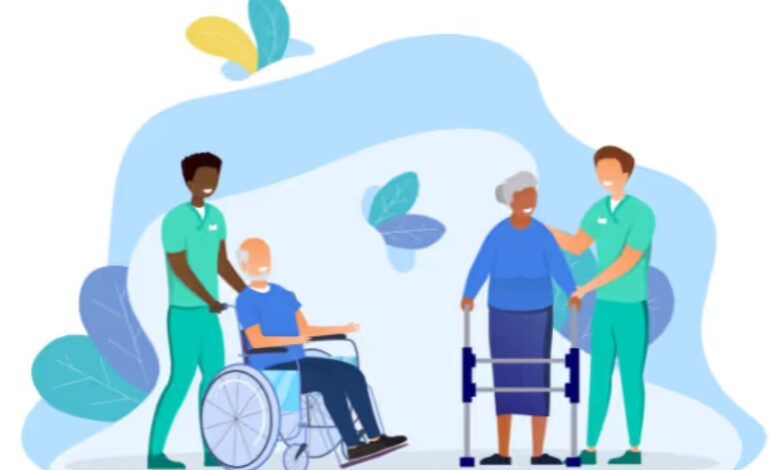
Introduction: The Silver Revolution in Indian Healthcare
India stands at a demographic crossroads in 2026, with its elderly population experiencing unprecedented growth. According to the Longitudinal Ageing Study of India, the country’s senior citizen population is projected to reach over 319 million by 2050, up from approximately 138 million in 2021. This represents one of the most significant demographic shifts in modern history, creating both challenges and opportunities in the healthcare sector. As nuclear families become the norm and children increasingly relocate for career opportunities, traditional family-based elder care models are giving way to professional, technology-enabled solutions.
The elder care market in India has transformed dramatically over the past few years. What was once a fragmented landscape dominated by informal caregivers has evolved into a sophisticated ecosystem of startups offering everything from companionship services to AI-powered health monitoring, specialized senior living communities to comprehensive home healthcare. These ventures are not merely filling a gap in the market but are fundamentally reimagining what it means to age with dignity, independence, and joy in modern India. The convergence of changing societal attitudes, increased disposable incomes, government support, and technological innovation has created fertile ground for entrepreneurial solutions that address the multifaceted needs of India’s rapidly growing senior population.
1. Primus Life: Pioneering Active Ageing Through Premium Senior Living
Primus Life has emerged as a trailblazer in redefining senior living in India through its vision of active ageing. Unlike traditional elder care models that focus primarily on dependency management and medical needs, Primus promotes independence, fulfillment, and vibrant community living for seniors well into their seventies and eighties. Founded by Adarsh Narahari, the company operates a chain of senior living communities under the Primus Reflection brand, with flagship properties in Bengaluru and a rapidly expanding footprint across major metropolitan areas.
The startup’s growth trajectory has been remarkable. In March 2024, Primus raised twenty million dollars in a seed funding round led by General Catalyst, with participation from prominent investors including Nikhil Kamath, co-founder of Zerodha, and Gruhas, the investment firm co-founded by Kamath and Abhijeet Pai. This substantial funding underscores investor confidence in the premium senior living segment and Primus’s execution capabilities. The company currently has over two thousand senior homes under development and recently entered the Mumbai market, one of India’s most lucrative but challenging real estate markets.
What distinguishes Primus from conventional retirement homes is its holistic approach to senior wellness. The communities feature modern amenities including fitness centers, libraries, hobby rooms, medical facilities, and social spaces designed to foster meaningful connections among residents. Primus emphasizes creating an environment where seniors maintain their independence while being part of a vibrant community that offers healthcare support, social engagement opportunities, and various lifestyle amenities. The founder envisions a future where intergenerational housing becomes the norm, allowing all age groups to reside together yet independently, with quality of services and operator standards serving as key differentiators in a maturing market.
2. Athulya Senior Care: Comprehensive Care at Scale
Athulya Senior Care represents the success story of identifying an urgent societal need and building a scalable solution to address it. Recognizing the significant gap in specialized elder care services in India, Athulya began its journey in 2016 with a single home care client. In less than a decade, the company has expanded to operate over one thousand senior-friendly rooms across nine facilities in five South Indian cities, serving more than twenty-five thousand seniors.
According to Srinivasan G, CEO of Athulya, the growth of elder care startups in India is driven by multiple converging factors including a rapidly ageing population, increased life expectancy, the prevalence of nuclear families where adult children cannot provide the required care, higher disposable incomes, and changing societal attitudes towards professional elder care services. Athulya has capitalized on these trends by offering a comprehensive suite of services spanning residential assisted living, home care, physiotherapy, medical care, and dementia care.
The company’s credibility received a significant boost when it raised seventy-seven crore rupees in funding from Morgan Stanley India Infrastructure, marking one of the largest fundraising rounds in India’s senior care service sector at the time. This capital infusion has enabled Athulya to expand its facilities, improve service quality, and invest in technology integration.
The company focuses on personalized care plans, community engagement activities, and continuous improvement based on customer feedback. Emerging trends that Athulya is embracing include specialized services like memory care for dementia patients, comprehensive rehabilitation programs, palliative care for terminal conditions, and technology-integrated solutions for health monitoring and emergency response. For families seeking professional elder care in South India, Athulya has established itself as a trusted name synonymous with quality, compassion, and comprehensive service delivery.

3. KITES Senior Care: Medical Excellence Meets Holistic Wellness
KITES Senior Care, a venture backed by Columbia Pacific Communities and Seniorshield, represents the convergence of medical expertise and holistic wellness in elder care. The company offers a comprehensive range of services designed to address the diverse needs of seniors, including post-hospitalization care, rehabilitation services, dementia care, palliative care, and respite care. Each service is delivered through individualized care plans tailored to the medical, psychological, and social requirements of every senior.
According to Dr. Reema Nadig, Director and Group Chief Operating Officer of Columbia Pacific Communities, Seniorshield, and KITES Senior Care, there is a rising demand for personalized, professional elder care services that cater to both physical and emotional well-being. The company has tapped into this demand by creating holistic wellness programs that blend physical rehabilitation with emotional and social engagement, moving beyond purely medical interventions to create a more comprehensive care approach.
In March 2024, KITES Senior Care raised sixty-five crore rupees in a Series A funding round led by Dr. Ranjan Pai’s Manipal Education and Medical Group Family Office Fund. This strategic investment brings together medical expertise from the Manipal Group with KITES’ operational excellence in elder care delivery. The funding is being utilized to expand service coverage, enhance technology infrastructure, train additional caregivers in specialized areas like dementia care, and develop new service offerings that address emerging needs in the senior care market. KITES represents a model where clinical excellence is complemented by compassionate care, ensuring that seniors receive not just medical treatment but also the emotional support and social connection essential for overall well-being.
4. Goodfellows: Combating Loneliness Through Intergenerational Companionship
Goodfellows addresses one of the most overlooked yet devastating aspects of ageing in India – loneliness. Founded in 2021 by Shantanu Naidu, Niki Thakur, and Gargi Sandu, the startup offers a unique companionship platform that connects senior citizens with young, empathetic graduates who serve as companions. The model is often described as providing grandkids on demand, creating meaningful intergenerational friendships that enrich the lives of both elderly individuals and young professionals.
The startup’s most notable investor is Ratan Tata, the octogenarian industrialist and chairman emeritus of Tata Sons, who provided seed funding and serves as both mentor and advocate for the venture. Tata’s personal investment reflects his understanding of the challenge of loneliness in old age. As he noted when announcing his investment, people do not know what it is like to be lonely until they spend time alone wishing for companionship. His backing has provided Goodfellows with credibility, visibility, and access to networks that have accelerated the startup’s growth. The company has also received investments from Niranjan Hiranandani and Shradha Sharma, bringing its total funding to approximately seventy-six thousand dollars over two rounds.
Goodfellows employs educated graduates up to the age of thirty who are vetted through rigorous psychometric testing that measures empathy and emotional intelligence. These companions, called Goodfellows, are paired with elderly clients, referred to as Grandpals, through a careful matching process that ensures compatibility. The companions assist with daily tasks like grocery shopping, accompanying seniors to medical appointments, teaching them about technology, watching movies together, playing games, or simply providing conversation and company.
The startup operates on a freemium subscription model where the first month is free, allowing seniors to experience the service, and subsequent months involve a modest subscription fee designed to be affordable for pensioners. Currently serving over four hundred seniors through a network of sixty-five companions, Goodfellows is expanding from its Mumbai base to Pune, Chennai, and Bengaluru, with plans to scale nationally while maintaining strict quality standards in companion selection and training.
5. Emoha Elder Care: Technology-Enabled Comprehensive Support
Emoha Elder Care has established itself as a leading provider of in-home elder care services in India, having served over forty-five thousand seniors across the country since its inception. With a mission to empower elders to live independently with dignity, Emoha offers a comprehensive suite of services that leverage technology to enhance care delivery and coordination.
What distinguishes Emoha is its innovative use of technology to address the complex logistics of elder care. The company has developed partnerships that enable seniors who are traveling to have companions accompany them, ensuring safety and support even when they venture outside their city or country. Emoha is actively working to expand these services to foreign destinations to meet the growing demand from their traveling seniors. The startup maintains a twenty-four hour helpline and has implemented multiple channels through which seniors can raise emergency requests, including app-based emergency buttons, panic button installations, wearable devices with emergency activation, and direct contact with team members.
For emergency situations, Emoha ensures that nominated next of kin are well-informed through calls and app notifications, creating a communication bridge that provides family members peace of mind even when they cannot be physically present. The company’s approach combines human touch with technological efficiency, using digital tools for scheduling, monitoring, and coordination while ensuring that actual care delivery remains personalized and compassionate. Emoha’s growth to serving forty-five thousand plus seniors demonstrates the scalability of technology-enabled elder care models and the strong market demand for services that allow seniors to age in place with professional support.
6. Portea Medical: Healthcare at Home with Elder Care Specialization
Portea Medical stands as India’s largest out-of-hospital consumer healthcare company, having completed nearly three and a half million patient visits across the country. Founded in 2013 by Ganesh Krishnan, Vaibhav Tewari, Arun Kumar, and Meena Ganesh, Portea has raised an impressive ninety-two point eight million dollars over fourteen funding rounds from investors including Accel, Ventureast, and Sabre Partners India. The company has served more than three hundred thousand elderly patients in recent years, making elder care a significant focus area within its broader home healthcare portfolio.
Portea offers comprehensive services delivered directly to patients’ homes, including nursing care, physiotherapy, doctor consultations, medical equipment provision, attendant care, laboratory testing, and specialized services such as elder care, mother and baby care, and critical care. The company operates across major Indian cities including Bangalore, Delhi, Mumbai, Pune, Kolkata, Chennai, and Hyderabad, with an expanding presence in tier two and tier three cities like Vijayawada, Lucknow, Coimbatore, Jaipur, Indore, Kochi, and Visakhapatnam.
For elder care specifically, Portea introduced Portea Health Prime, a membership service designed for senior citizens to help them manage their health over extended periods. Every member is assigned a dedicated health manager who serves as a single point of contact for coordinating all healthcare needs, from scheduling appointments to arranging emergency services. This personalized approach has received tremendous positive feedback from families who appreciate the continuity and accountability it provides.
Portea’s elder care services encompass basic assistance and companionship, medical support at home including wound care and vital monitoring, specialized dementia and Alzheimer’s care programs, physiotherapy for seniors dealing with mobility issues or post-stroke recovery, palliative and end-of-life care, and twenty-four hour emergency response capabilities. The company’s revenue reached one hundred sixty-one crore rupees as of March 2025, and it employs over eight hundred healthcare professionals who ensure patient safety and professional medical assistance. Portea filed its draft red herring prospectus with SEBI for a thousand crore rupee IPO in 2022, signaling its maturity and ambitions for further growth in the home healthcare and elder care markets.
7. Anvayaa: Bridging Distance with Comprehensive Parent Care
Anvayaa positions itself as a professionally managed parent care platform that recreates the warmth of home for elderly parents, particularly those whose children live far away due to work or other commitments. Available on Android and iOS platforms since September 2017, Anvayaa offers a comprehensive range of services spanning healthcare, daily assistance, leisure activities, financial management, and emergency support, all accessible through a user-friendly mobile application.
The platform addresses a critical pain point for millions of working professionals in India and abroad who worry about their elderly parents living alone or without adequate support. Anvayaa’s service portfolio covers medical care including doctor visits, nursing care, physiotherapy, and medication management, daily living assistance such as grocery shopping, bill payments, and household tasks, social and leisure activities to combat isolation and boredom, financial services including pension management and banking assistance, and emergency response systems with quick activation and family notification protocols.
What makes Anvayaa particularly valuable is its holistic approach that goes beyond medical care to address the full spectrum of needs that elderly individuals face in daily life. The platform essentially serves as a virtual family member who can coordinate and execute tasks that adult children would perform if they lived nearby. Both elderly users and their family members can access the application, allowing children to book services for their parents remotely and receive updates on service delivery and their parents’ well-being.
Anvayaa represents the growing segment of elder care startups that leverage technology not to replace human interaction but to coordinate and enhance it, ensuring that seniors receive timely, reliable support across all aspects of their lives while their families stay informed and involved in their care.
8. Sukino Healthcare: Clinical Excellence with AI Integration
Sukino Healthcare has carved out a distinctive position as a comprehensive care provider addressing the full continuum of care for individuals ranging from age six to sixty, with a particular strength in elder care for those dealing with complex medical conditions. The company’s holistic approach covers minor health issues to serious conditions like neurological disorders, cancer, and cases involving high comorbidities, making it especially valuable for elderly patients with multiple chronic conditions.
What sets Sukino apart is its integration of artificial intelligence into therapy services, representing a new frontier in physiotherapy and rehabilitation. The company utilizes AI-integrated devices that enable more precise, data-driven therapy protocols and better tracking of patient progress. This technological sophistication is combined with comprehensive medical support, ensuring that patients receive all necessary medical aid during recuperation or rehabilitation without needing to visit multiple facilities.
Sukino’s value proposition is particularly compelling from a cost perspective. The company’s services cost approximately one-third of what patients would pay in a hospital setting for equivalent care. This significant cost advantage, combined with the comfort and familiarity of receiving care at home, makes Sukino an attractive option for families managing the often substantial expenses of elder care.
The company maintains transparent pricing, which has made it a preferred choice for many families navigating the often opaque pricing structures common in healthcare. However, as the company’s leadership acknowledges, the elder care market is becoming increasingly competitive with many new entrants, and customer needs are continuously evolving. Sukino’s strategy involves staying ahead through clinical excellence, technology integration, and maintaining its cost advantage while ensuring quality standards remain high.
9. Citraverse Healthcare: AI-Powered Caregiving Monitoring
Citraverse Healthcare represents the newest generation of elder care startups that are leveraging artificial intelligence not to replace human caregivers but to enhance accountability, quality, and family engagement in the caregiving process. Founded in March 2024 in Bangalore, Citraverse is building a model that combines skilled human support with AI-powered monitoring tools, addressing both the quality of care and the dignity of care professionals.
The company was founded by an entrepreneur with a background in computer science and a Master’s in Law and Diplomacy from Tufts University who worked in product leadership roles at startups in San Francisco and Pittsburgh before identifying elder care as a pressing problem in India that needed structured, scalable solutions. The leadership team includes Ganga Raj as co-founder and Chief Operating Officer, who heads caregiver recruitment, training, and customer relationships, and Jai Ganesh as co-founder and Chief Technology Officer, who leads the AI product division developing tools that assist caregivers.
In January 2026, Citraverse launched a pilot of its AI caregiving monitoring system for at-home customers and rolled out a business-to-business version for three health institutions. This system allows families and healthcare providers to track key care metrics, ensure continuity of care protocols, and identify early warning signs including potential abuse or care plan deviations. The integration of data with empathy and accountability sets a new standard for care that is both technologically sophisticated and deeply personal.
Citraverse is backed by the accelerator Build3 based in Goa and angel investors from the United States who provided pre-seed funding, as well as Ashoka University, which supported early customer outreach. For the upcoming year, the company aims to serve one hundred families in India while preparing for expansion to the Middle East, where demand for professional elder care is growing rapidly. Citraverse’s focus on caregiver dignity, including providing competitive salaries and professional development opportunities, addresses a critical issue in the elder care industry where high turnover and underpaid workers often compromise care quality.
10. Alserv: Technology-Enabled Assisted Living at Home
Alserv, based in Chennai with presence in Kochi, offers a unique approach to assisted living that challenges the traditional model of senior living facilities. Unlike companies that operate physical retirement homes, Alserv brings the old age home to seniors at their own homes. Essentially functioning as a technology platform and service aggregator, the company connects elderly individuals with specialized vendors who provide the services typically available in assisted living facilities but delivered in the familiar environment of the senior’s own home.
The platform offers services across five key categories including food and catering with options to book cooks or order groceries and home-cooked meals, medical care encompassing emergency support, doctor visits, and medication management, security services to ensure safety, housekeeping to maintain clean and comfortable living spaces, and maintenance services for home repairs and upkeep. Users can connect with vendors through the Alserv app, which is available for both iOS and Android devices, making service discovery and booking seamless.
Alserv’s model is particularly appealing for senior citizens who wish to maintain their independence and remain in their own homes while still accessing the convenience and support of assisted living services. By leveraging specialized vendors and technology coordination, the company provides high-quality services at affordable prices compared to traditional assisted living facilities. The company maintains a personalized call center staffed with specially trained personnel who understand the unique needs and preferences of elderly customers, ensuring that service delivery is both efficient and empathetic.
This aggregator model represents a pragmatic solution for the Indian market, where cultural preferences strongly favor ageing in place over relocating to institutional settings. By enabling seniors to access professional care services while remaining in their homes and communities, Alserv addresses both the practical needs and emotional preferences of its target demographic, making it a sustainable and scalable model for elder care delivery in India.
The Future of Elder Care in India: Challenges and Opportunities
The elder care startup ecosystem in India has matured significantly over the past few years, evolving from a fragmented collection of small initiatives to a sophisticated industry attracting substantial capital and entrepreneurial talent. However, significant challenges remain. Many families still view professional elder care with skepticism, preferring traditional family-based care despite its practical limitations in the context of nuclear families and geographic dispersion. Affordability continues to be a concern, particularly for middle-income families who may not qualify for subsidized services but struggle to afford premium offerings. The shortage of trained, empathetic caregivers persists, with high turnover and inadequate compensation making it difficult to build stable, professional care teams.
Regulatory frameworks for elder care remain underdeveloped, creating uncertainty around standards, licensing, and quality assurance. The lack of integration between startups, hospitals, insurance providers, and government programs results in fragmented care journeys that burden families with coordination responsibilities. Despite these challenges, the opportunities are immense. Technology is enabling new models of care delivery, from AI-powered monitoring to telemedicine consultations that extend specialist care to remote areas. Increasing investor interest is bringing capital and expertise to the sector, professionalizing operations and enabling scale. Government initiatives around health insurance, senior citizen welfare, and digital health infrastructure create supportive tailwinds for the industry.
Perhaps most importantly, societal attitudes are shifting. The current generation of seniors and their adult children are more open to professional care solutions, viewing them not as abandonment but as responsible planning for quality ageing. The startups featured in this analysis represent diverse approaches to elder care, from premium senior living communities to affordable home care platforms, from companionship services addressing loneliness to AI-powered monitoring ensuring quality and safety.

Together, they are building an ecosystem that promises to transform ageing in India from a period of dependency and decline into an opportunity for continued growth, independence, and fulfillment. As India’s elderly population continues to grow, these innovative ventures of elder care will play an increasingly vital role in ensuring that the country’s seniors can age with dignity, health, and happiness in their own homes and communities.