India’s electric vehicle revolution is being driven not by traditional automotive giants alone, but by a new generation of innovative design startups that are reimagining mobility from the ground up. These companies are combining cutting-edge technology, user-centric design, and sustainable manufacturing practices to create electric vehicles that are specifically engineered for Indian roads, climate conditions, and consumer preferences.
In 2026, India’s EV market has achieved unprecedented momentum. With over two million electric vehicles sold in the previous fiscal year and government initiatives like the PM E-DRIVE Scheme allocating Rs 10,900 crores for electric mobility, the ecosystem has never been more supportive of innovation. Union Budget 2025-2026 nearly doubled the automotive sector’s allocation to Rs 7,484.61 crores, demonstrating the government’s commitment to electric transportation. India is projected to become the world’s largest EV market by 2030.
What sets these startups apart from traditional manufacturers is their agility in adopting new technologies, their willingness to experiment with unconventional designs, and their deep understanding of emerging consumer demands. These companies are not just building electric vehicles; they are creating entirely new mobility experiences through connected features, over-the-air updates, and integrated charging ecosystems. At present, there are approximately 399 electric vehicle startups operating in India, making it one of the world’s most vibrant EV innovation hubs.
The two-wheeler segment dominates India’s EV market, accounting for over 50 percent of sales, followed by three-wheelers at 36 percent and four-wheelers at six percent. This distribution reflects India’s unique transportation needs and creates opportunities for startups across multiple vehicle categories. The startups profiled here represent the most innovative and promising players that are shaping India’s electric mobility future.
1. Ather Energy
Founded in 2013 by IIT Madras alumni Tarun Mehta and Swapnil Jain, Ather Energy stands as India’s premier electric scooter design startup. Based in Bengaluru, the company has filed 212 patents in India and five internationally, demonstrating its commitment to innovation.
Ather’s portfolio includes the 450S, 450X, 450 Apex, and family-oriented Rizta. The flagship 450X features a seven-inch touchscreen with Google Maps, Alexa integration, and over-the-air updates. In January 2026, Ather registered 18,367 units, capturing significant market share. The company has established Ather Grid with over 1,000 fast charging points across 80-plus cities.
Ather operates two manufacturing facilities in Hosur with combined annual capacity exceeding 110,000 scooters. The company completed its IPO in May 2025, listing on NSE and BSE. It’s developing the Zenith platform for electric motorcycles and the EL platform for affordable scooters launching in 2026. With backing from Hero MotoCorp and Sachin Bansal, Ather has expanded to Nepal and plans further international growth.
2. Ola Electric
Ola Electric, founded by Bhavish Aggarwal, operates the world’s largest electric two-wheeler facility in Tamil Nadu with 10 million units annual capacity. The company’s S1 series democratized electric mobility through aggressive pricing and features like touchscreen displays and connected features.
January 2026 data shows challenges, with registrations falling to 7,221 units, a 70.3 percent year-over-year decline due to service and software reliability issues. Despite this, Ola’s infrastructure and brand recognition position it strongly. The company is developing four new electric motorcycles ranging from Rs 74,999 to Rs 2,49,999 and investing in battery cell manufacturing for vertical integration. Ola’s design focuses on Indian preferences with practical features like storage, mobile charging, and seamless digital integration.
3. Ultraviolette Automotive
Founded in 2016 by Narayan Subramaniam and Niraj Rajmohan, Ultraviolette focuses on high-performance electric motorcycles. The flagship F77 delivers 0-60 kmph in under three seconds, 145 kmph top speed, and 40 horsepower, rivaling premium motorcycles.
The X-47 Crossover launched in late 2025 attracted over 3,000 reservations within 48 hours at Rs 2.49 lakh. The Tesseract scooter concept garnered 60,000 bookings despite being years from production. With 329 registrations in January 2026, Ultraviolette remains niche but commands significant enthusiast attention. The company demonstrates that Indian startups can compete at the premium performance segment, establishing India as a credible source of high-performance electric motorcycles.
4. River Mobility
River Mobility’s Bengaluru-based startup launched the River Indie at Rs 1,25,000, positioning it as the “SUV of scooters.” The company has conceived and designed the entire vehicle in-house at its R&D center, ensuring every aspect reflects its vision for superior design and user experience.

With 2,487 units registered in January 2026, River demonstrates market acceptance of design-focused alternatives. The Indie incorporates practical innovations like versatile storage solutions, comfortable seating for both rider and pillion, and build quality emphasizing durability and premium materials. River’s approach contrasts with volume-focused strategies, instead targeting discerning consumers who appreciate craftsmanship and aesthetic excellence.
The company represents a new breed of Indian automotive startup that competes on design and experience rather than just price and specifications. River’s positioning appeals particularly to urban professionals and young families who view their vehicles as lifestyle statements, proving that design-led differentiation can succeed in India’s competitive market.
5. Simple Energy
Founded by Suhas Rajkumar in Bangalore, Simple Energy has emerged as a significant player focusing on long-range, high-performance scooters. The Gen 2 models launched in 2025 represent a major evolution in design and capabilities, addressing one of the primary concerns of potential EV buyers: range anxiety.
Simple Energy’s design philosophy emphasizes practical range and performance that addresses real-world usage patterns rather than theoretical specifications. The company’s scooters offer among the longest ranges in their price segments through thoughtful engineering and optimization. The company has ambitious plans including potential IPO aspirations, reflecting confidence in long-term growth prospects.
Simple Energy is investing heavily in manufacturing capacity and dealer network expansion to convert design innovation into market presence. The company’s approach of building most components in-house rather than relying heavily on imports gives it greater control over quality and cost structure. The Gen 2 models showcase refined design language with improved ergonomics, build quality, and feature integration, demonstrating commitment to continuous improvement based on customer feedback.
6. Matter
Founded in 2021, Matter has quickly established itself as an innovative player in the electric motorcycle segment. The company’s flagship product, the Aera 5000, represents India’s first geared electric motorcycle with active liquid cooling technology. With two variants offering range up to 125 kilometers, Matter addresses the needs of riders who prefer the familiar feel of geared motorcycles.
In July 2024, Matter raised $35 million in its Series B funding round from investors including US-based Helena, Japan Airlines & Translink Innovation Fund, and existing investors. The company plans to raise between $65-70 million overall in the Series B round, demonstrating strong investor confidence in its technology and market potential.
Matter’s key innovation is the MatterEnergy 1.0, claimed to be India’s first active liquid-cooled two-wheeler EV battery. This technology addresses thermal management challenges that limit battery performance and lifespan in India’s hot climate. The decision to offer a geared motorcycle reflects Matter’s understanding that many Indian riders, particularly in smaller cities and rural areas, prefer the control and familiarity of manual gears. This design choice, combined with liquid cooling and competitive pricing, positions Matter uniquely in the market.
7. Revolt Motors
Founded by Rahul Sharma, Revolt Motors focuses on AI-enabled electric motorcycles. The flagship RV400 is marketed as India’s first AI-enabled electric motorcycle, incorporating smart features that learn from riding patterns and optimize performance accordingly.
Revolt’s design approach emphasizes creating motorcycles that look and feel like traditional bikes rather than futuristic concept vehicles. This familiar aesthetic combined with electric powertrains appeals to riders who want electric mobility benefits without compromising on the motorcycle riding experience they value. The RV400’s styling draws inspiration from street naked motorcycles, a popular category in India.
The company has established a subscription-based model called My Revolt Plan, allowing customers to own motorcycles through affordable monthly payments. This innovative financing approach addresses the higher upfront cost of electric vehicles and makes them accessible to a broader customer base. Revolt has also developed a mobile app enabling features like geo-fencing, bike locator, and performance tracking, integrating the ownership experience with digital convenience. With 629 registrations in January 2026, Revolt targets riders wanting familiar motorcycle experiences with electric benefits.
8. Pravaig Dynamics
Bangalore-based Pravaig Dynamics focuses on electric cars, representing one of India’s most ambitious EV design startups. The company is developing electric sedans and SUVs with emphasis on privacy, repairability, and genuine ownership—values that differentiate it from mainstream manufacturers.
Pravaig has developed multiple electric vehicle prototypes including the Extinction MKI, an electric coupe concept showcasing the company’s design capabilities and engineering ambitions. The prototype develops approximately 204 PS and can accelerate from 0 to 100 kilometers per hour in under six seconds. However, Pravaig’s first commercial product is expected to be a four-door sedan targeting corporate fleet operators.
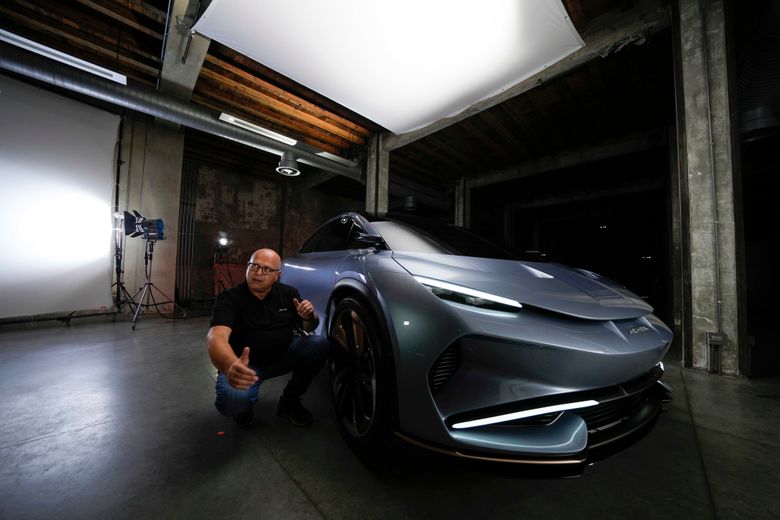
Pravaig’s business strategy is innovative: rather than selling cars directly to individual consumers, the company targets corporates needing vehicles for employee transportation and guest services. Pravaig offers electric cars on a subscription basis, positioning the offering as “selling kilometers, not cars.” This usage-based model aligns with corporate fleet management needs and reduces capital expenditure burden.
Backed by French energy sector investors, Pravaig is working on advanced battery solutions alongside vehicle development. The company’s emphasis on privacy and data ownership resonates with growing concerns about connected vehicles and data security. While not yet achieving large-scale commercial production, Pravaig demonstrates that Indian startups can compete in the more capital-intensive four-wheeler segment.
9. Okinawa Autotech
Founded in 2015 by Jeetender Sharma, Okinawa Autotech has established itself as a pioneer electric scooter manufacturer. With a portfolio including Ridge+, Praise Pro, iPraise+, and R30, Okinawa offers diverse options across price points ranging from Rs 50,000 to Rs 1.14 lakh.
Okinawa’s design philosophy emphasizes practical features that matter to everyday users: detachable batteries for convenient charging, fast charging capabilities, central locking systems, and app connectivity for vehicle monitoring and control. These features address real-world usage scenarios where customers may not have dedicated parking with charging infrastructure. The detachable battery design has proven particularly popular in urban areas where residents can charge batteries in their apartments.
The company has built an extensive distribution network with over 350 dealerships across India, demonstrating successful scaling from startup to established manufacturer. Okinawa has received FAME II subsidy benefits from the Indian government and obtained IATD certification for design and manufacturing, validating its quality standards and processes. Okinawa’s success demonstrates that focusing on practical, affordable electric scooters with features solving real customer problems can build sustainable businesses.
10. BGauss
Launched in 2020 by Hemant Kabra and promoted by RR Global, BGauss represents an established industrial group’s entry into electric mobility. The company leverages RR Global’s manufacturing expertise and distribution capabilities to create electric scooters combining quality, performance, and value.
BGauss’s design approach focuses on creating vehicles appealing to style-conscious urban consumers without premium pricing. The company’s scooters feature contemporary design language, digital instrumentation, and practical features like USB charging ports and ample storage. BGauss positions its products as lifestyle accessories that enhance daily urban mobility rather than mere transportation appliances.
The company benefits from RR Global’s established presence in automotive components and electrical equipment manufacturing. This heritage provides BGauss with supply chain advantages, quality control systems, and manufacturing expertise that many pure startups lack. The combination of startup agility in product development with established company resources in operations creates a unique competitive position.
BGauss markets products through both online channels and physical dealerships, creating a hybrid distribution model maximizing reach while managing costs. The company’s focus on the growing urban market for stylish, affordable electric scooters positions it well in one of the fastest-growing segments of India’s EV market.
The Road Ahead for Indian EV Design Startups
India’s EV design startup ecosystem in 2026 is characterized by remarkable diversity in approaches, technologies, and target markets. From high-performance motorcycles to affordable family scooters, from AI-enabled bikes to liquid-cooled powertrains, Indian entrepreneurs are exploring every dimension of electric mobility. This innovation is not happening in isolation—it is supported by improving charging infrastructure, favorable government policies, growing consumer awareness, and increasing availability of capital.
The challenges remain significant: establishing reliable supply chains, achieving profitable unit economics, building trust through consistent service quality, and competing with deep-pocketed established manufacturers. However, the startups profiled here have demonstrated that Indian entrepreneurs can create world-class electric vehicles that meet and often exceed international standards while being optimized for Indian conditions and preferences.
As battery costs continue declining, charging infrastructure expands, and consumer acceptance grows, these startups are well-positioned to capture significant market share. Many are already expanding beyond India into international markets, carrying Indian engineering and design excellence to global customers. The success of these companies will determine not just their own futures but also India’s position in the global electric vehicle revolution.
For consumers, the proliferation of these innovative startups means more choices, better products, and competitive pricing. For India, it means technological self-reliance, job creation, reduced oil imports, and environmental benefits. The next few years will be crucial as these startups scale from thousands of units to hundreds of thousands, from single products to comprehensive portfolios, and from regional presence to national and international footprints.
The top ten EV design startups profiled here represent the vanguard of India’s electric mobility revolution, combining entrepreneurial vision with engineering excellence to create transportation solutions for the 21st century. Their success will inspire the next generation of founders and establish India as a global center for electric vehicle innovation and manufacturing.