India’s electric vehicle revolution has reached a remarkable milestone in 2026, with the sector achieving approximately 2.3 million units in total sales during 2025 and representing nearly eight percent of all new vehicle registrations across the country.
This extraordinary growth reflects a fundamental transformation in Indian automotive preferences, driven by supportive government policies including the Prime Minister Electric Drive Revolution in Innovative Vehicle Enhancement scheme with its substantial 4,000 crore rupee allocation for the current fiscal year, rapidly improving charging infrastructure with commitments like Maharashtra’s plan to install stations every 25 kilometers on highways, declining battery costs that are making electric vehicles price-competitive with conventional alternatives, and growing environmental consciousness among urban consumers concerned about air quality and climate change. The Indian electric vehicle market currently encompasses three distinct segments with dramatically different adoption rates and market dynamics.
Electric two-wheelers dominate the landscape with over 50 percent of total electric vehicle sales, reflecting their affordability, practicality for Indian road conditions, and suitability for both personal commuting and commercial delivery applications. Electric three-wheelers follow with approximately 36 percent of sales, concentrated heavily in commercial passenger transport and last-mile cargo delivery where operational cost savings prove most compelling. Electric four-wheelers currently represent just six percent of electric vehicle sales but are experiencing the fastest growth rates as major manufacturers launch competitive models with improved range, features, and pricing that appeal to middle-class buyers.
The manufacturers profiled in this comprehensive analysis represent the vanguard of India’s electric transformation, spanning established automotive giants leveraging decades of manufacturing expertise and dealer networks, innovative startups disrupting traditional business models with direct-to-consumer sales and technology-forward approaches, international players bringing global electric vehicle experience to the Indian market, and specialized companies focusing on specific segments where they can achieve market leadership through targeted excellence. Understanding these manufacturers and their respective strategies provides critical insights into how India’s automotive sector is navigating one of the most consequential technological and commercial transitions in its history, with implications extending far beyond transportation to encompass energy policy, industrial development, employment patterns, and environmental outcomes that will shape the nation’s trajectory for decades.
1. Tata Motors: The Undisputed Passenger Vehicle Leader
Tata Motors continues to dominate India’s electric passenger vehicle segment with commanding authority, having sold 7,852 electric vehicles in January 2026 alone, representing a 48 percent year-on-year increase from 5,292 units in January 2025 and delivering a market share of 43.52 percent that substantially exceeds all competitors.
This leadership position builds upon the company’s first-mover advantage in the Indian electric vehicle market and reflects strategic decisions made years earlier to invest heavily in electric vehicle development when many competitors remained focused exclusively on internal combustion engines. The company’s Ziptron technology platform represents the technical foundation of its electric vehicle success, providing consistent performance across multiple vehicle models while enabling efficient adaptation of existing internal combustion engine platforms to electric powertrains without requiring entirely new vehicle architectures.
Tata Motors’ product portfolio spans the broadest range of any electric vehicle manufacturer operating in India, addressing multiple price points and customer segments to maximize market coverage and minimize competitive gaps where rivals might gain footholds. The Tiago EV serves as the company’s entry-level offering, priced from approximately 7.99 lakh rupees and targeting cost-conscious buyers seeking affordable electric mobility without compromising on the safety, reliability, and brand reputation that Tata Motors delivers.
The Tigor EV occupies the compact sedan segment with a starting price around 11.99 lakh rupees, appealing to customers who prefer sedan body styles and commercial fleet operators seeking electric vehicles for taxi and ride-hailing applications. The Punch EV, launched at 9.99 lakh rupees, entered the micro-SUV segment that has proven extraordinarily popular in India, combining the practicality and perceived ruggedness of sport utility vehicles with compact dimensions suitable for urban driving and parking constraints.
The Nexon EV represents Tata Motors’ volume flagship, priced from 12.49 lakh rupees and consistently ranking among India’s best-selling electric vehicles through its combination of competitive pricing, adequate range for daily urban driving, comprehensive safety features including a five-star Global NCAP crash test rating, and the strong brand equity that Tata Motors enjoys in the compact SUV segment where the internal combustion Nexon has achieved sustained success.
The Curvv EV expands into the coupe-SUV segment with distinctive styling and advanced features targeting aspirational buyers willing to pay premiums for differentiated design and technology. The Harrier EV brings electric power to the mid-size SUV category, addressing customers seeking more spacious, premium electric vehicles for family transportation while maintaining the commanding road presence and feature content that characterize successful sport utility vehicles in the Indian market.
Beyond passenger vehicles, Tata Motors maintains significant presence in electric commercial vehicles, particularly electric buses for public transportation where the company has secured contracts with state transport undertakings across India. This commercial vehicle expertise provides additional revenue streams, strengthens relationships with government buyers who also influence passenger vehicle procurement policies, and contributes to broader electric vehicle ecosystem development by demonstrating the viability of electrification for heavy-duty applications beyond personal transportation.
Looking forward, Tata Motors has articulated ambitious targets to achieve 30 to 40 percent of its total sales from electric vehicles by fiscal year 2030 and plans to invest approximately 18,000 crore rupees to create a comprehensive ecosystem for its electric vehicle business including battery manufacturing capabilities, charging infrastructure development, and expanded model portfolios. Over the next two years, the company has scheduled launches of additional electric models that will further solidify its market leadership while addressing segments and price points where competitors currently enjoy advantages.
2. TVS Motor Company: The Two-Wheeler Powerhouse
TVS Motor Company has established unassailable dominance in India’s electric two-wheeler segment, selling over 300,000 units during 2025 with solid year-on-year growth of 30.5 percent that demonstrates both the strength of its current product portfolio and successful expansion of production capacity to meet surging demand.
The company’s iQube electric scooter family represents the cornerstone of this success, combining competitive pricing, adequate range for daily urban commuting, established dealer networks providing convenient sales and service access, and the brand reputation that TVS has cultivated through decades of two-wheeler manufacturing excellence. The iQube lineup includes multiple variants addressing different customer preferences and budgets, from entry-level models emphasizing affordability to premium variants featuring connected technology, larger battery packs extending range, and enhanced performance characteristics.
TVS Motor’s competitive advantages in the electric two-wheeler segment extend beyond product attributes to encompass manufacturing scale, distribution reach, and international expansion that few pure electric vehicle startups can match. The company operates sophisticated manufacturing facilities capable of producing electric scooters at volumes that achieve economies of scale impossible for smaller competitors, translating to cost advantages that either improve profitability at competitive pricing or enable aggressive pricing that pressures rivals.
The extensive dealer network spanning urban centers, smaller cities, and even rural areas provides customers with convenient access to test rides, purchasing processes, financing arrangements, and after-sales service including routine maintenance and warranty repairs. This physical presence proves particularly valuable in India where many buyers, especially in smaller cities and towns, prefer purchasing vehicles from established dealers they can visit repeatedly rather than relying on online-only direct sales models.
The company’s international expansion demonstrates confidence in its electric vehicle technology and ambitions extending beyond the domestic market to capture growth opportunities in other developing countries experiencing similar electric vehicle adoption patterns. TVS uses its Indonesia facility to manufacture iQube electric scooters for Southeast Asian markets alongside continued production for India, leveraging existing manufacturing footprints to serve multiple geographies efficiently while adapting products to meet local regulatory requirements, customer preferences, and competitive conditions. This international orientation provides additional volume supporting economies of scale, diversifies revenue sources reducing dependence on any single market, and positions TVS as a regional electric two-wheeler leader rather than merely a domestic player.
The company’s performance during 2025, when electric two-wheeler sales across India grew by only four percent reflecting subsidy changes and market consolidation following explosive growth in previous years, particularly highlights TVS Motor’s competitive strength. While overall market growth slowed substantially, TVS achieved 30.5 percent growth by capturing share from weaker competitors unable to match its pricing, quality, service network, or brand appeal. This ability to grow rapidly even during market slowdowns suggests that TVS Motor will emerge from the current consolidation phase with strengthened market position as marginal players exit or contract while the company continues expanding, setting up potential for renewed rapid growth when government policies or economic conditions reignite overall market expansion.
3. Mahindra & Mahindra: The Dramatic Comeback Story
Mahindra & Mahindra has engineered one of the most remarkable turnarounds in India’s electric vehicle sector, delivering 3,589 electric SUVs in January 2026, representing an extraordinary 386 percent year-on-year jump from just 739 units in January 2025 and catapulting the company’s electric vehicle market share to 20 percent from a mere six percent the previous year. This dramatic transformation reflects the successful launch of the company’s born-electric vehicle platforms that departed radically from earlier conversions of internal combustion models, bringing genuinely competitive products to market after years of disappointment with vehicles that failed to capture consumer imagination or achieve commercial success.
The BE 6 and XEV 9e electric SUVs represent the vanguard of Mahindra’s electric offensive, featuring distinctive design languages that differentiate them sharply from conventional sport utility vehicles, advanced technology including comprehensive digital cockpits with multiple displays, and performance characteristics that compete effectively against established players.
The BE 6 embodies Mahindra’s bold approach to electric vehicle design, eschewing the conservative evolutionary styling that characterizes many electric vehicles derived from internal combustion platforms in favor of futuristic aesthetics incorporating sharp lines, aggressive front fascias, and coupe-like rooflines that appeal to younger buyers seeking vehicles that make statements rather than blending into traffic.
The interior features a driver-focused cockpit design with a central spine separating driver and passenger areas, triple-screen display setup providing comprehensive information and entertainment, and sport-oriented seating and controls that emphasize the performance potential of electric powertrains. Starting at 18.90 lakh rupees, the BE 6 occupies premium positioning that reflects its advanced features and performance while remaining accessible to upper-middle-class buyers willing to embrace distinctive styling and electric technology.
The XEV 9e takes the coupe-SUV concept further with even more dramatic styling, larger dimensions providing additional cabin and cargo space, passenger-side infotainment screens extending luxury features beyond the driver, and positioning that targets buyers considering premium internal combustion sport utility vehicles who might be persuaded to choose electric alternatives offering superior technology and lower operating costs.
The recent introduction of the XEV 9S variant expands choice within the electric SUV lineup, allowing customers to select configurations matching their specific preferences regarding features, performance, and pricing. Mahindra’s success with these born-electric platforms validates the company’s strategic decision to invest heavily in dedicated electric vehicle architectures rather than continuing to electrify existing internal combustion platforms, demonstrating that Indian consumers will embrace radically different designs when they deliver compelling combinations of style, technology, performance, and value.
Beyond product excellence, Mahindra benefits from extensive manufacturing capabilities, established dealer networks providing sales and service coverage across India, strong brand equity in the sport utility vehicle segment where the company has competed successfully for decades, and investor confidence reflected in substantial funding supporting continued electric vehicle development. The company maintains leadership in electric three-wheelers for commercial applications, providing additional revenue streams and electric vehicle expertise that informs passenger vehicle development. Looking forward, Mahindra has announced aggressive expansion plans including additional electric vehicle platforms, battery technology investments improving energy density and reducing costs, and potential partnerships bringing international expertise or technology to accelerate development timelines and competitive positioning.
4. Bajaj Auto: The Traditional Two-Wheeler Giant’s Electric Evolution
Bajaj Auto occupies second position in India’s electric two-wheeler market with sales growth of 21.2 percent during 2025, demonstrating that established manufacturers can successfully transition to electric mobility when they commit resources and management attention despite perceptions that traditional companies struggle with disruptive technologies. The company’s Chetak electric scooter represents the revival of an iconic brand from Bajaj’s history, leveraging nostalgia and brand equity while incorporating modern electric powertrains, connected features, and contemporary styling that appeals to today’s urban commuters. The Chetak’s success reflects Bajaj’s deliberate strategy to enter the electric two-wheeler market with premium positioning emphasizing quality, reliability, and brand heritage rather than competing primarily on price against startups offering the lowest-cost electric scooters.
Bajaj’s electric vehicle portfolio extends beyond two-wheelers to encompass electric three-wheelers where the company maintains formidable market presence targeting both passenger auto-rickshaw applications and cargo delivery vehicles serving last-mile logistics operations. The electric three-wheeler business provides substantial volumes supporting manufacturing scale, generates profitable revenue streams from commercial customers valuing total cost of ownership over upfront pricing, and positions Bajaj as a comprehensive electric mobility provider rather than a single-segment player. This diversification across vehicle categories reduces dependence on any single market segment, spreads development costs across larger volumes, and creates opportunities for technology sharing where innovations developed for one application can be adapted to others.
The company’s performance during the electric two-wheeler market slowdown of 2025, when overall segment growth fell to just four percent, particularly validates Bajaj’s strategy and execution. Achieving 21.2 percent growth while the broader market stagnated demonstrates the company’s ability to capture share from competitors, suggesting that customers increasingly prefer Bajaj’s combination of established brand reputation, extensive dealer networks, reliable after-sales service, and proven product quality over alternatives from startups that might offer flashier specifications but lack the organizational stability and service infrastructure that matters when vehicles require maintenance or repairs. This market share gain during challenging conditions positions Bajaj advantageously for future growth when market conditions improve and overall demand accelerates.
Looking forward, Bajaj Auto benefits from substantial financial resources supporting continued electric vehicle investment, manufacturing expertise enabling efficient production scaling, established relationships with component suppliers facilitating access to critical technologies like batteries and electric motors, and international distribution networks that could support electric vehicle exports to other developing markets following adoption patterns similar to India. The company’s cautious, measured approach to electric vehicle adoption, characterized by gradual portfolio expansion and emphasis on profitability rather than pursuing market share at any cost, suggests sustainable business models that can weather subsidy changes, competitive pressures, and economic fluctuations that have challenged pure electric vehicle startups lacking diversified revenue sources.
5. Ather Energy: The Technology-Forward Startup Champion
Ather Energy has secured third position in India’s electric two-wheeler rankings with robust sales growth of 72.8 percent during 2025 and substantial unutilized manufacturing capacity of approximately 40 percent that positions the company for continued rapid expansion when market conditions support accelerated growth. Founded in 2013 by Tarun Mehta and Swapnil Jain, Ather pioneered the technology-forward approach to electric scooters in India, emphasizing connected features, sophisticated touchscreen displays, over-the-air software updates delivering continuous improvements, and performance characteristics that compete favorably against premium internal combustion scooters rather than positioning electric as an inferior compromise accepting reduced capability in exchange for environmental benefits.
The Ather 450 series represents the company’s flagship product line, featuring multiple variants addressing different customer preferences and budgets while maintaining the technological sophistication and premium positioning that differentiate Ather from mass-market competitors. The Ather 450X delivers maximum performance with powerful motors enabling rapid acceleration, larger battery packs extending range to reduce charging frequency, and comprehensive connectivity features including smartphone integration, navigation, and ride analytics.
The Ather 450 Plus offers more accessible pricing while retaining core technology features, appealing to customers seeking Ather’s brand experience without paying premiums for absolute maximum performance. The recently introduced Ather Rizta expands beyond the sport scooter category into family-oriented electric scooters featuring more spacious seating, practical storage solutions, and comfort-focused riding dynamics, addressing market segments that value practicality over performance.
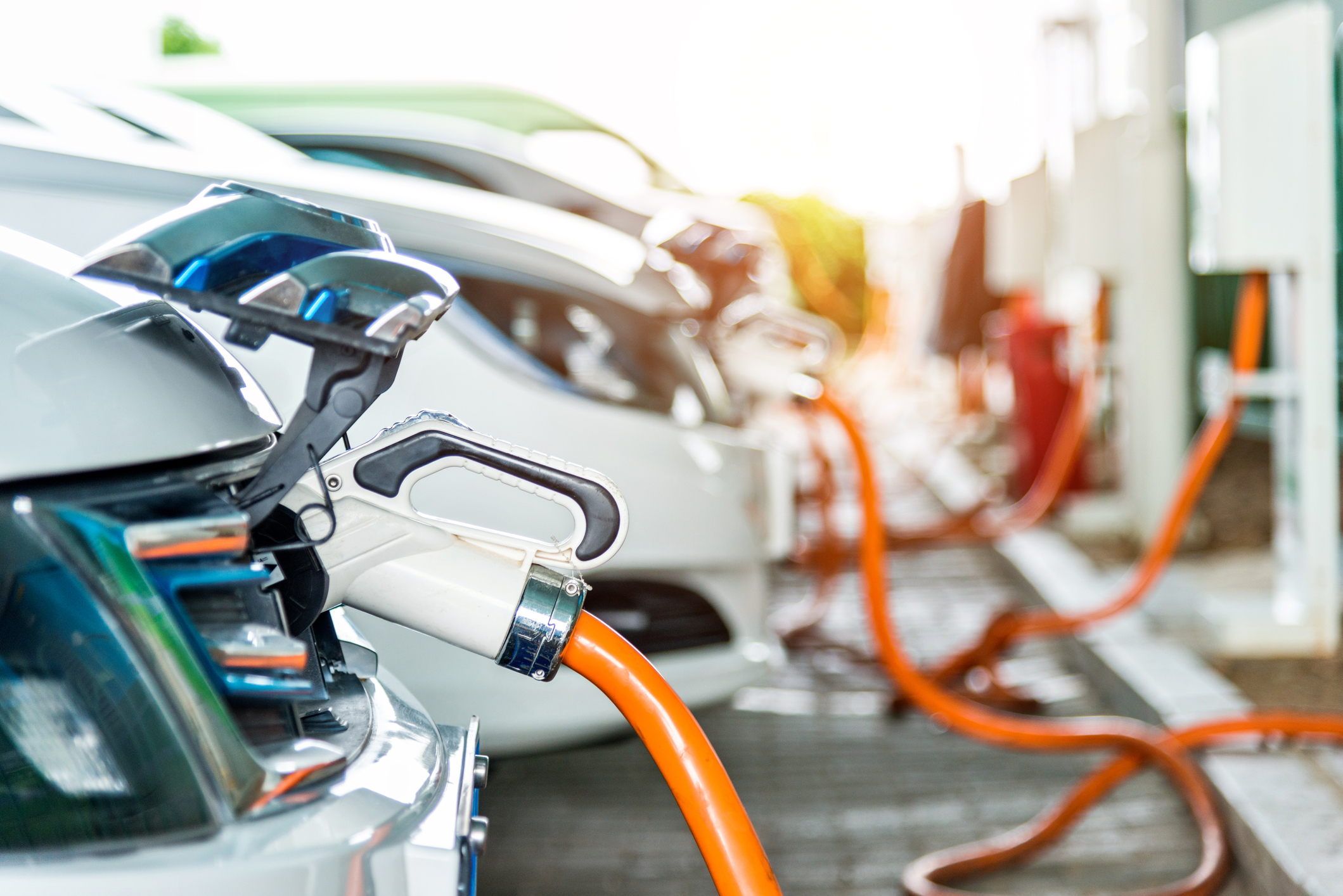
Ather Energy has made substantial investments in charging infrastructure through the Ather Grid network, establishing charging stations across major cities to address range anxiety and demonstrate commitment to comprehensive electric vehicle ecosystems extending beyond vehicle sales. This infrastructure investment provides competitive advantages by reducing barriers to Ather ownership, creates additional customer touchpoints reinforcing brand loyalty, and potentially generates revenue from charging services while collecting valuable usage data informing product development and network expansion decisions. The company operates manufacturing facilities in Whitefield, Bangalore, and Hosur, Tamil Nadu, providing production capacity supporting current sales while maintaining substantial room for expansion as demand grows.
The company achieved unicorn status in 2023 when securing 600 crore rupees from the National Investment and Infrastructure Fund increased its valuation to 1.3 billion dollars, validating its technology leadership and growth potential while providing capital supporting continued expansion. Ather Energy has also established strategic partnerships including collaboration with Infineon Technologies to drive innovation in the electric vehicle space, bringing international semiconductor expertise to improve power electronics, battery management systems, and charging technologies.
Looking forward, the company’s combination of strong brand equity among technology-savvy urban consumers, substantial manufacturing capacity supporting volume growth, proven ability to attract investment capital, and continuous innovation in product features and charging infrastructure positions Ather Energy to maintain leadership among pure electric vehicle startups even as established manufacturers intensify their electric vehicle commitments.
6. MG Motor India: The Joint Venture Challenger
MG Motor India has achieved second position in the electric passenger vehicle segment during January 2026, demonstrating remarkable growth momentum that challenges Tata Motors’ dominance and reflects the successful partnership between British heritage brand Morris Garages and Chinese manufacturing giant SAIC Group along with Indian conglomerate JSW Group.
The company’s electric vehicle portfolio includes the Windsor EV positioned at 11.98 lakh rupees as an affordable family electric vehicle featuring distinctive design and practical features, the Comet EV serving as India’s most affordable electric car starting at just 6.31 lakh rupees and targeting urban mobility with compact dimensions ideal for congested city driving, and the ZS EV delivering 461 kilometers of range from its 50.3 kilowatt-hour battery pack and competing in the mainstream electric SUV segment with comprehensive features and Internet connectivity.
MG Motor India’s growth strategy emphasizes aggressive product launches across multiple price points to maximize market coverage, extensive marketing investments building brand awareness and consideration among electric vehicle shoppers, competitive pricing leveraging manufacturing scale and component sourcing advantages from parent companies, and dealer network expansion providing sales and service access in key markets. The company’s willingness to introduce electric vehicles at price points where competitors have been absent or underserved, particularly the ultra-affordable Comet EV addressing customers seeking minimal-cost electric transportation, demonstrates strategic flexibility and risk tolerance that established manufacturers sometimes lack when protecting premium brand positioning.
The joint venture structure provides MG Motor India with substantial advantages including access to SAIC’s global electric vehicle technology, manufacturing expertise, and component supply chains developed through extensive experience in the Chinese market where electric vehicle adoption has proceeded years ahead of India, combined with JSW Group’s deep understanding of Indian market dynamics, government relationships facilitating regulatory approvals and incentive programs, and financial resources supporting sustained investments during market development phases when profitability remains elusive. The partnership announced plans to invest 1.5 billion dollars in manufacturing electric vehicles in India, with JSW’s new car plant in Aurangabad, Maharashtra, focusing on producing vehicles under its own brand alongside continued MG production, suggesting ambitious long-term commitments extending beyond opportunistic market entry.
Looking forward, MG Motor India has announced intentions to introduce locally produced hybrid vehicles alongside battery electric vehicles, reflecting recognition that India’s diverse market can support multiple electrification technologies and that plug-in hybrids may appeal to customers hesitant about pure electric vehicles due to range anxiety or charging infrastructure concerns. The company aims to sell one million electrified vehicles by the end of this decade and lead the new energy vehicle segment in India, demonstrating aspirations extending well beyond current modest market position toward genuine mass-market leadership challenging even Tata Motors’ dominance.
7. Hero MotoCorp and Hero Electric: The Dual Brand Strategy
Hero MotoCorp, the world’s largest two-wheeler manufacturer by volume, has deployed a dual-brand strategy for electric vehicles, maintaining the Hero Electric brand established in 2007 under the HeroEcoTech Group focusing on affordable, accessible electric two-wheelers for mass-market customers, while simultaneously developing the premium Vida brand targeting technology-savvy urban consumers willing to pay premiums for advanced features and brand prestige.
This segmentation allows Hero to address diverse customer preferences and price points without brand confusion or channel conflict between premium and value offerings. Hero Electric operates under fourth position in the two-wheeler rankings, recovering rapidly after a slower start in the segment with sales growth of 154.4 percent during 2025 that demonstrates the effectiveness of refreshed product portfolios and intensified market focus.
Hero Electric’s product portfolio emphasizes practical, affordable electric scooters addressing the basic transportation needs of Indian consumers for whom motorcycles and scooters represent primary or often sole vehicles rather than discretionary purchases. Models including the Flash, Photon, Optima, and Atria target different customer segments and usage patterns while maintaining competitive pricing that makes electric mobility accessible to middle-class buyers who might find premium electric scooters financially unattainable. The focus on efficiency, reliability, and total cost of ownership rather than maximum performance or technological sophistication reflects Hero Electric’s understanding that mass-market Indian customers prioritize practical value over premium features.
The Vida brand pursues dramatically different positioning, launching premium electric scooters including the V1, V2, and VX2 that incorporate sophisticated touchscreen displays, connected features enabling smartphone integration and remote diagnostics, performance-oriented powertrains, and contemporary styling appealing to young urban professionals seeking vehicles that make statements about their technological adoption and environmental consciousness. Vida’s emphasis on direct customer engagement through company-owned dealerships, comprehensive digital marketing, and brand experiences differentiates it from traditional mass-market distribution, creating premium brand perceptions that justify higher pricing while building communities of enthusiast owners who serve as brand ambassadors.
Hero MotoCorp’s tremendous manufacturing scale, extensive dealer networks blanketing urban and rural India, deep financial resources, established component supply relationships, and brand equity built through decades of two-wheeler leadership provide formidable competitive advantages as the company intensifies electric vehicle commitments. The strategic investments in charging infrastructure support customer confidence while demonstrating comprehensive ecosystem commitment. Looking forward, Hero’s combination of mass-market affordability through Hero Electric, premium brand building through Vida, manufacturing excellence, distribution reach, and patient capital supporting sustained investments positions the company to eventually challenge for electric two-wheeler leadership despite currently trailing pure electric startups in market share.
8. Ola Electric: The Meteoric Rise and Challenging Consolidation
Ola Electric represents perhaps the most dramatic story in India’s electric vehicle sector, having risen from startup obscurity to market leadership through aggressive manufacturing investments, bold product launches, and charismatic founder Bhavish Aggarwal’s vision of transforming Indian mobility, only to face severe challenges during 2025 when sales plummeted 48.7 percent reflecting quality concerns, customer service complaints, and intense competition from both established manufacturers and fellow startups. Founded in 2017, Ola Electric achieved the extraordinary feat of establishing the world’s largest two-wheeler manufacturing facility in Tamil Nadu with annual production capacity reaching ten million units, demonstrating ambitions extending far beyond domestic market leadership toward becoming a global electric vehicle manufacturing powerhouse.
The company’s product portfolio centers on the Ola S1 family including the S1 Air emphasizing affordability, S1 Pro delivering maximum range and performance, and S1X targeting entry-level buyers with minimal pricing. During its peak, Ola achieved the highest electric two-wheeler sales in India through aggressive pricing often undercutting established competitors, extensive marketing investments building brand awareness and consideration, direct-to-consumer sales eliminating dealer margins and enabling competitive pricing, and bold promises regarding future features and capabilities delivered through over-the-air software updates. The company also pioneered vertical integration by establishing battery cell manufacturing capabilities at its Tamil Nadu facility, reducing dependence on imported cells while potentially achieving cost advantages and ensuring supply security.
However, Ola Electric’s rapid expansion encountered significant operational challenges that manifested during 2025 in declining sales and deteriorating brand reputation. Customer complaints regarding product quality, including issues with software glitches, hardware reliability problems, and fit-and-finish inconsistencies, proliferated across social media and consumer forums, damaging the company’s reputation and deterring potential buyers. After-sales service proved particularly problematic, with customers reporting long wait times for appointments, delayed spare parts deliveries, inadequate technical expertise among service personnel, and insufficient service center coverage relative to the expanding customer base. These service challenges proved especially damaging because they contradicted Ola’s premium brand positioning and technology-forward image, suggesting that the company had prioritized manufacturing scale and sales growth over building sustainable service infrastructure.
The company’s transition from private startup to publicly traded entity added additional pressures, as stock market investors demanded path to profitability, questioned sustainability of aggressive pricing that generated losses on each unit sold, and expressed concerns about competitive threats from established manufacturers entering the market with superior service networks and brand equity.
Ola Electric’s market capitalization has experienced significant volatility reflecting these concerns, though the company maintains that its manufacturing scale, vertical integration, and technology capabilities position it for long-term success once current challenges are addressed. Looking forward, Ola Electric’s ability to stabilize product quality, substantially improve customer service, maintain competitive pricing despite margin pressures, and regain customer trust will determine whether the company emerges from current difficulties to reclaim market leadership or continues sliding toward irrelevance as better-executed competitors capture disillusioned customers.
9. VinFast: The International New Entrant
VinFast represents a remarkable new entrant in India’s electric vehicle market, having delivered 432 electric SUVs during January 2026 in only its fourth month of operations, achieving two percent electric passenger vehicle market share that demonstrates rapid acceptance of this Vietnamese manufacturer by Indian customers despite the company’s unfamiliarity and lack of established track record in the market. Starting with just 136 units in October 2025, sales have risen consistently month-on-month with 310 units in November, 384 units in December, and 432 units in January, suggesting effective execution of market entry strategy and growing customer confidence in the brand and products.
VinFast’s current product portfolio includes the VF6 and VF7 electric SUVs that are locally assembled in the company’s Tamil Nadu manufacturing facility, combining the quality perception advantages of domestic assembly with cost efficiencies that make pricing competitive against established players. The company’s decision to establish local manufacturing operations rather than relying exclusively on imports demonstrates serious long-term commitment to the Indian market and confidence in achieving volumes justifying the substantial capital investments required for manufacturing infrastructure. The local assembly approach also positions VinFast advantageously relative to import duties and potential future regulatory requirements favoring domestically manufactured vehicles.
The company has confirmed plans to launch the seven-seater Limo Green electric MPV shortly, expanding into the multipurpose vehicle segment that has grown to approximately ten percent of the Indian passenger vehicle market in recent years but currently lacks electric alternatives, creating opportunity for VinFast to establish first-mover advantages.
The Limo Green features a 60.1 kilowatt-hour battery powering a 201 horsepower front-mounted motor with claimed range of 450 kilometers, specifications that compete favorably against conventional internal combustion MPVs while addressing family transportation needs. Additionally, VinFast plans to introduce the VF3, a small, boxy urban electric vehicle with an 18.6 kilowatt-hour battery, targeting the ultra-affordable segment currently dominated by MG Comet and positioning between eight and ten lakh rupees with potential battery-as-a-service subscription plans further reducing upfront costs.
VinFast’s aggressive product launch cadence, willingness to invest heavily in local manufacturing, competitive pricing, and fresh design perspectives unencumbered by legacy brand identities or dealer network constraints position the company as a potentially disruptive force in India’s electric vehicle market.
However, the company faces substantial challenges including building brand awareness and equity among Indian consumers unfamiliar with Vietnamese automotive products, establishing comprehensive after-sales service networks to support growing customer base, navigating complex Indian regulatory environment, and competing against established manufacturers with deeper pockets and stronger dealer relationships. The company’s trajectory over the next several quarters will reveal whether VinFast can sustain its impressive initial momentum to become a significant long-term player or whether early enthusiasm fades when customers confront service challenges or quality issues that sometimes plague new market entrants.
10. Hyundai Motor India: The Established Giant’s Measured Approach
Hyundai Motor India has pursued a notably conservative approach to electric vehicle adoption compared to many competitors, selling just 326 electric vehicles during January 2026, representing a modest two percent decline year-on-year that contrasts sharply with the aggressive growth strategies employed by startups and even traditional competitors like Mahindra. This cautious strategy reflects Hyundai’s determination to avoid premature commitments to electric vehicle technologies or business models that might prove unsustainable, preferring instead to develop comprehensive local manufacturing capabilities, establish robust service infrastructure, and ensure product quality before pursuing volume growth that could strain organizational capabilities or damage brand reputation through negative customer experiences.
The company’s current electric vehicle lineup includes the Ioniq 5, positioned as a premium electric vehicle competing against luxury segment offerings with pricing around 46.3 lakh rupees, representing technology showcase and brand building rather than volume generation. However, Hyundai’s electric vehicle strategy has transformed dramatically with the launch of the Creta Electric in January 2026, representing the company’s first serious mass-market electric vehicle specifically developed for Indian conditions and price expectations. The Creta Electric leverages the tremendous success of the internal combustion Creta SUV, which has dominated its segment for years, by offering electric powertrains in familiar, trusted packaging that reduces adoption barriers for customers hesitant about radically different electric vehicle designs.
The Creta Electric features standard-range and long-range variants with 42 kilowatt-hour and 51.4 kilowatt-hour lithium iron phosphate battery packs delivering ranges of 390 kilometers and 473 kilometers respectively, specifications that address typical Indian daily driving requirements while competitive fast-charging capabilities reduce concerns about long-distance travel. Front-mounted motors generating 99 kilowatts in standard-range variants and 126 kilowatts in long-range versions provide adequate performance without the excessive power that might drain batteries quickly or prove difficult to manage on Indian road conditions. Pricing expected between 25 and 35 lakh rupees positions the Creta Electric competitively against the Maruti e Vitara, Mahindra BE 6, and other mainstream electric SUVs while leveraging Hyundai’s reputation for quality, reliability, and comprehensive after-sales service.
Hyundai plans to manufacture approximately 24,000 units of the Creta Electric annually, representing measured volume targets that balance growth ambitions with realistic assessments of manufacturing capabilities, component supply availability, and market absorption capacity. This conservative approach stands in notable contrast to startups pursuing maximum volumes regardless of profitability or some competitors announcing aspirational targets disconnected from realistic operational capabilities.
Looking forward, Hyundai’s combination of manufacturing excellence, established dealer networks providing comprehensive sales and service coverage, strong brand equity built through decades of successful operations in India, deep financial resources supporting sustained investments, and patient capital accepting slower growth in exchange for sustainable profitability positions the company to eventually challenge for electric vehicle leadership even if current market share lags more aggressive competitors. The Creta Electric launch represents Hyundai’s transition from observer to serious participant in India’s electric vehicle revolution, with additional models including electric versions of other popular platforms likely following if the Creta achieves commercial success.
The Road Ahead: India’s Electric Vehicle Future
The ten manufacturers profiled in this comprehensive analysis collectively illustrate the extraordinary diversity of strategies, capabilities, and visions shaping India’s electric vehicle sector as it transitions from niche experiment to mainstream reality. Tata Motors demonstrates how established manufacturers can leverage existing advantages in manufacturing, distribution, and brand equity to dominate emerging technologies when they commit resources and management attention early. TVS Motor and Bajaj Auto show traditional two-wheeler giants successfully navigating disruptive change through combination of legacy strengths and willingness to embrace new technologies. Mahindra proves that even companies that stumbled initially can engineer dramatic comebacks through bold product development and unflinching commitment to electric futures.
Pure electric startups including Ather Energy and Ola Electric demonstrate both the tremendous opportunities and substantial challenges facing technology-forward new entrants, with Ather’s steady growth contrasting sharply against Ola’s recent struggles highlighting how execution quality ultimately determines success regardless of initial enthusiasm or investment capital. International players like VinFast and MG Motor bring global perspectives and resources that can accelerate India’s electric vehicle development while introducing competitive pressures that raise quality standards and innovation pace for domestic manufacturers. Even cautious participants like Hyundai, which delayed serious electric vehicle commitments until developing comprehensive capabilities, can leverage patient capital and manufacturing excellence to eventually become significant players.
The electric vehicle market in India during 2026 stands at an inflection point where the experimental phase has concluded and commercial reality has arrived, with customers increasingly judging electric vehicles not as interesting alternatives deserving indulgence for environmental benefits but as mainstream transportation options that must deliver value, quality, and convenience matching or exceeding conventional vehicles.
The manufacturers that thrive in this maturing environment will be those that balance innovation with reliability, aspirational branding with practical value, aggressive growth with sustainable profitability, and technological sophistication with accessible pricing. India’s journey toward 30 percent electric vehicle penetration by 2030 depends fundamentally on these manufacturers executing effectively, and their collective success or failure will shape not just India’s automotive future but its energy independence, environmental outcomes, and position within the global electric vehicle industry for decades to come.