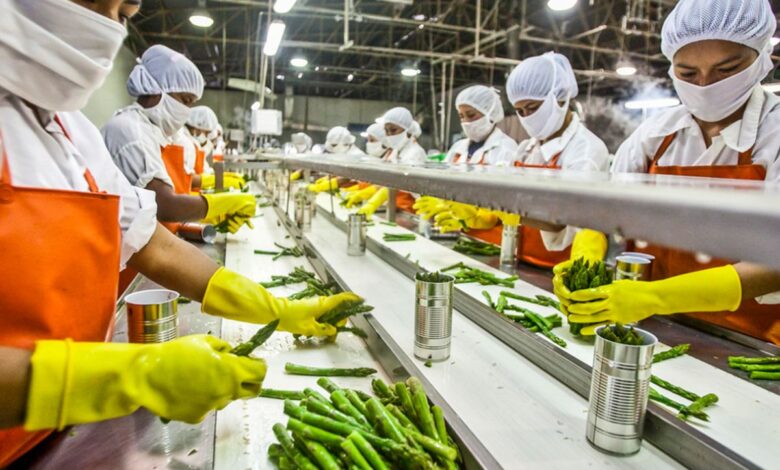
India stands as the world’s second-largest food producer after China, commanding a formidable position in the global agricultural landscape through its sheer production volume of milk, spices, fruits, vegetables, and grains. However, the story becomes even more compelling when we examine how this vast agricultural bounty gets transformed into the packaged foods that line supermarket shelves across the nation and increasingly around the world.
The Indian food processing sector has matured into a sophisticated industry valued at approximately three hundred and fifty-four billion dollars in 2024, with projections indicating it will reach five hundred and thirty-five billion dollars by the end of fiscal year 2026. This remarkable growth trajectory reflects not just increased consumption but a fundamental transformation in how Indians think about food, driven by urbanization, rising incomes, changing lifestyles, and a growing preference for branded, packaged products over unorganized alternatives.
The sector contributes approximately eight point eight percent to manufacturing gross value added and eight point three nine percent to agricultural gross value added, representing thirteen percent of India’s total exports and six percent of aggregate industrial investment. From April 2000 to June 2025, the food processing industry attracted over thirteen billion dollars in foreign direct investment, signaling strong international confidence in India’s food manufacturing capabilities.
The government has actively promoted this growth through initiatives like the Production Linked Incentive Scheme for Food Processing Industry, which offers one point three billion dollars to incentivize food manufacturing and boost Indian brands globally. This comprehensive policy support, combined with India’s natural advantages in raw material production and a massive domestic market of over one point four billion consumers, has created fertile ground for food processing companies to flourish.
Understanding which companies dominate this dynamic sector provides valuable insights into consumer preferences, industry trends, and the economic forces reshaping how Indians eat. This article examines the top ten food processing companies operating in India in 2026, exploring what makes each organization significant, the products they manufacture, their market positioning, and their contribution to India’s emergence as a global food processing hub. These companies range from multinational giants bringing global expertise and brands to homegrown champions that have built iconic Indian brands recognized in every household across the nation.
1. Nestle India – The Packaged Food Leader
Nestle India commands the leading position in India’s packaged food market with a market capitalization exceeding two hundred and fifty billion rupees as of early 2026, reflecting investor confidence in its sustained growth trajectory and market dominance. As the Indian subsidiary of Swiss multinational Nestle, the world’s largest food and beverage company, Nestle India benefits from access to global research and development capabilities, manufacturing expertise, and international best practices while maintaining deep understanding of local consumer preferences that determines success in the Indian market.
The company reported quarterly revenue of fifty-six point eight billion rupees in the third quarter of fiscal year 2026, representing eighteen point three percent year-over-year growth in domestic sales and twenty-two point nine percent growth in exports, demonstrating robust performance across both market segments.
Nestle India’s product portfolio has become deeply embedded in Indian daily life, with Maggi noodles representing perhaps the most iconic example of a foreign brand that has achieved complete cultural integration into Indian cuisine. Beyond Maggi, which has transcended its Swiss origins to become synonymous with instant noodles in India, the company produces and markets Nescafe coffee, KitKat chocolates, Milkmaid condensed milk, and Cerelac infant nutrition products among numerous other offerings spanning breakfast cereals, culinary aids, chocolates and confectionery, beverages, dairy products, and prepared dishes. The company operates multiple manufacturing facilities across India that transform local agricultural produce into branded packaged foods meeting stringent quality standards, thereby creating value-added products from raw materials while generating employment and supporting farmers.
Nestle India’s strength lies in its focus on nutrition, health, and wellness, positioning its products not merely as convenient food options but as contributors to healthy living. The company invests heavily in product innovation, regularly launching new variants adapted to Indian tastes and dietary preferences while maintaining the global quality standards that define the Nestle brand. With a return on equity exceeding eighty-seven percent, Nestle India demonstrates exceptional efficiency in generating profits from shareholder investments, making it one of the most profitable food companies operating in India and a benchmark for operational excellence in the sector.
2. ITC Limited – The Diversified Conglomerate with Food Leadership
ITC Limited represents a uniquely Indian success story, having evolved from its origins as the Imperial Tobacco Company of India in 1910 into a diversified conglomerate with leadership positions across multiple sectors including hotels, paperboards, packaging, agribusiness, and significantly for our purposes, fast-moving consumer goods including food processing. The company holds a market capitalization approaching four trillion rupees, making it one of India’s most valuable corporations. What makes ITC particularly noteworthy in the food processing context is how it has leveraged its extensive agricultural supply chain expertise built through decades in the tobacco business to create backward integration advantages in sourcing raw materials for food products at scale and with quality assurance.
ITC’s FMCG division, which encompasses its food processing operations, recorded gross sales exceeding twenty thousand nine hundred crore rupees in fiscal year 2024, representing nine point six percent year-over-year growth that outpaced many competitors. The division has built powerful brands that dominate their respective categories, with Aashirvaad atta becoming India’s leading branded wheat flour, Sunfeast establishing itself as a major player in biscuits and bakery products, and Bingo emerging as a significant competitor in the savory snacks segment that had long been dominated by multinational brands. ITC’s strategic approach involves identifying categories where unbranded or regional players dominate, then introducing premium branded alternatives that offer superior quality, hygiene, and consistent availability through modern retail channels.
Recent market research from NielsenIQ confirmed that ITC has surpassed Britannia in the packaged food market, trailing only Nestle India in overall market share within this enormous category. This achievement reflects ITC’s sustained investment in brand building, distribution network expansion, and product innovation. The company recently launched Farmland Potatoes featuring natural low-sugar and antioxidant variants specifically targeting health-conscious consumers, demonstrating how ITC continues expanding into fresh produce categories beyond traditional packaged foods.
With its deep focus on sustainability, rural outreach through its e-Choupal initiative that connects directly with farmers, and commitment to creating Indian brands that can compete globally, ITC Limited stands as a cornerstone of India’s food processing industry and a model of how domestic companies can build world-class food businesses.

3. Britannia Industries – The Bakery and Dairy Heritage Brand
Britannia Industries holds a special place in Indian commercial history and consumer consciousness as one of the country’s oldest and most trusted food brands, having been established during the British colonial era and successfully navigating the transition to independent India while maintaining its market leadership in biscuits and bakery products. The company commands a market capitalization exceeding one point two trillion rupees as of 2026, reflecting strong investor confidence in its growth prospects despite operating in highly competitive categories. Britannia has succeeded in garnering the trust of nearly one-third of India’s population, an extraordinary achievement that speaks to consistent product quality, effective distribution, and brand equity built over more than a century of operation.
The company’s product portfolio spans bakery products including biscuits, bread, cakes, and rusk alongside dairy products including milk, butter, cheese, ghee, and dahi, although its core strength remains in the biscuit category where it competes intensely with ITC’s Sunfeast and Parle Products. Britannia’s brand portfolio includes household names like Good Day, Fifty-Fifty, Milk Bikis, NutriChoice, Little Hearts, and Tiger biscuits, each targeting different consumer segments from children to health-conscious adults to value-seeking families. The company has demonstrated particular skill in product innovation, regularly launching new variants that capture emerging consumer trends such as the shift toward healthier snacking options, whole grain products, and premium indulgence categories.
Under strong management leadership, Britannia continues to dream big on its path of innovation and quality, expanding into rural markets where rising incomes are creating new consumer bases for branded biscuits and bakery products. The company’s distribution network reaches even remote villages, ensuring product availability across India’s diverse geography. Britannia’s focus on nutrition, particularly in products targeted at children, aligns with growing parental awareness about the importance of balanced diets and quality ingredients. For investors and industry observers, Britannia represents a blue-chip food processing company with proven staying power, strong brands, and the operational excellence necessary to maintain leadership in fiercely competitive categories.
4. Amul – The Cooperative Movement That Revolutionized Dairy
Amul operates through a fundamentally different business model than the other companies profiled here, functioning as a brand owned by the Gujarat Cooperative Milk Marketing Federation, a cooperative organization comprising millions of milk producers across Gujarat who collectively own and control this dairy giant. This cooperative structure means that profits flow back to farmer members rather than distant shareholders, creating a virtuous cycle where producer welfare and business success reinforce each other. Amul has become India’s largest food brand and the world’s largest dairy cooperative, processing millions of liters of milk daily and transforming it into an extensive range of dairy products that have become pantry staples across Indian households.
The Amul product portfolio encompasses milk in various fat percentages, butter, cheese, ghee, yogurt, ice cream, paneer, chocolate, and numerous specialized dairy products that cater to diverse consumer needs and regional preferences. What truly distinguishes Amul is how it has leveraged India’s position as the world’s largest milk producer to build processing infrastructure that can handle the enormous volumes involved while maintaining quality and freshness. The brand has achieved extraordinary consumer trust through consistent quality, fair pricing, and its positioning as the taste of India, making Amul butter, Amul cheese, and Amul ice cream virtually synonymous with their product categories in the minds of Indian consumers.
Beyond its commercial success, Amul represents a social revolution in Indian agriculture, demonstrating how farmers can organize collectively to capture more value from their produce rather than accepting whatever prices middlemen offer. The cooperative model pioneered in Gujarat through the White Revolution has been replicated across India, transforming the dairy sector and improving livelihoods for millions of rural households. Amul’s cold chain infrastructure, processing facilities, and distribution network constitute critical food processing infrastructure that benefits not just the cooperative members but the broader Indian food economy. For these reasons, Amul transcends being merely a food company to become an institution that exemplifies how food processing can drive inclusive economic development.
5. Parle Products – The Biscuit Giant Behind India’s Favorite Treats
Parle Products Private Limited commands a unique position in Indian food processing as the company behind Parle-G, arguably India’s most iconic biscuit brand and one of the world’s largest-selling biscuit brands by volume. The company remains privately held, meaning detailed financial information is less publicly available than for listed competitors, but industry estimates suggest Parle Products generates annual revenues exceeding fifteen thousand crore rupees, with Parle-G alone accounting for a substantial portion of this total. The brand has achieved something quite rare in modern marketing, transcending mere product status to become a cultural icon that evokes nostalgia and represents accessible nutrition for hundreds of millions of Indians across all income levels.
Beyond the flagship Parle-G brand, the company manufactures and markets numerous other successful products including Monaco salted biscuits, Krackjack sweet and salty biscuits, Hide and Seek chocolate chip cookies, and Melody candies. Parle’s business strategy emphasizes value pricing, making its products affordable even for lower-income consumers while maintaining acceptable quality standards and widespread availability through both modern retail channels and traditional mom-and-pop stores that dominate Indian retail. This mass-market positioning has allowed Parle to achieve extraordinary sales volumes that few premium brands can match, essentially becoming the everyday biscuit for ordinary Indians.
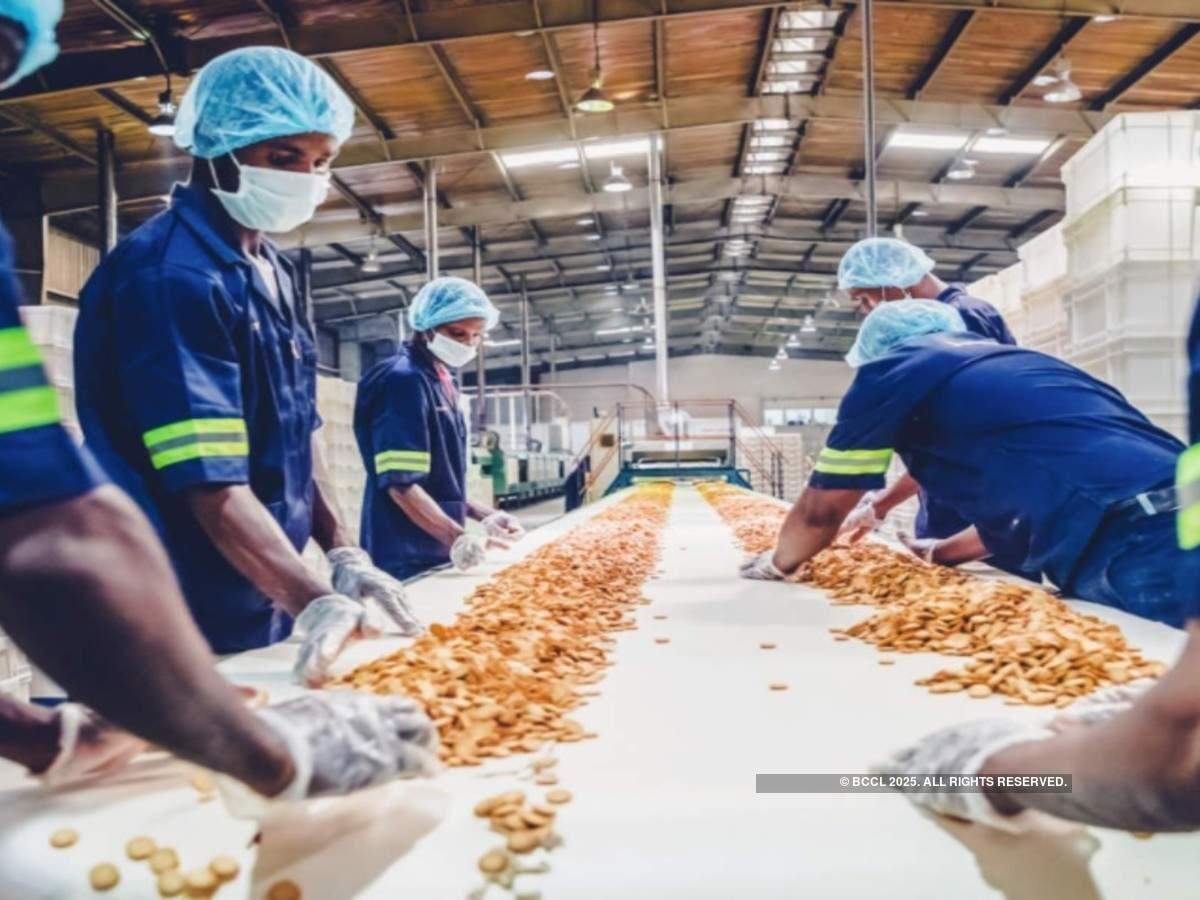
The company operates state-of-the-art manufacturing facilities across India equipped with modern automated production lines capable of producing billions of biscuits annually while maintaining consistent quality. Parle’s distribution network reaches virtually every corner of India, from metropolitan supermarkets to remote village shops, ensuring product availability regardless of location. The company competes primarily on the basis of value for money rather than premium positioning, although it has successfully launched premium variants to capture consumers trading up as incomes rise. For industry observers, Parle Products demonstrates how understanding the Indian mass market and serving it efficiently at scale can build enormously successful food businesses even without the marketing budgets or global backing available to multinational competitors.
6. Mondelez India – The Confectionery Powerhouse
Mondelez India operates as the Indian subsidiary of American multinational Mondelez International, having evolved from what Indians knew for decades as Cadbury India. The rechristening to Mondelez occurred following the 2010 acquisition of Cadbury by Kraft Foods and subsequent corporate restructuring, but the company has wisely retained the beloved Cadbury brand on its chocolate products, recognizing the enormous brand equity built over more than seventy years of presence in the Indian market. The company employs over two thousand people across India and operates world-class manufacturing facilities in multiple locations that produce chocolates and confectionery products meeting global quality standards while catering to distinctly Indian taste preferences.
Mondelez India’s brand portfolio reads like a list of India’s favorite treats, including Dairy Milk chocolates that have become synonymous with celebrations and gift-giving, Five Star and Perk chocolate bars popular among younger consumers, Gems button chocolates beloved by children, Eclairs toffees available at every corner shop, Oreo cookies that have successfully challenged established biscuit brands, and Bournvita health drink that mothers trust for children’s nutrition. Each of these brands dominates or holds significant share in its category, reflecting Mondelez’s skill in brand management, product innovation, and marketing communications that resonate with Indian consumers across demographics.
What distinguishes Mondelez India is how it has successfully adapted global products and marketing approaches to Indian cultural contexts, recognizing that what works in Western markets may need substantial modification for Indian consumers. The company has reformulated products to suit Indian taste preferences, introduced price points accessible to middle-class budgets, and created advertising campaigns that tap into Indian festivals, family values, and emotional connections. Mondelez’s investment in local sourcing of cocoa, sugar, and other ingredients supports Indian agriculture while reducing costs and supply chain complexity. For consumers, Mondelez India represents affordable indulgence and the joy of chocolate, making it an integral part of India’s food processing landscape despite its foreign ownership.
7. PepsiCo India – The Beverages and Snacks Leader
PepsiCo India Holdings operates as the Indian arm of American multinational PepsiCo, bringing to the Indian market an extensive portfolio of beverages and snack foods that have achieved remarkable penetration across urban and increasingly rural areas. The company’s beverage portfolio includes the flagship Pepsi cola, Mountain Dew, Seven-Up, Mirinda, Tropicana fruit juices, Gatorade sports drinks, and Aquafina bottled water, essentially covering every major non-alcoholic beverage category from carbonated soft drinks to health-oriented options. On the snacks side, PepsiCo markets Lay’s potato chips, Kurkure extruded snacks specifically developed for Indian tastes, Doritos tortilla chips, Cheetos cheese puffs, and Uncle Chipps, creating a formidable snacking empire.
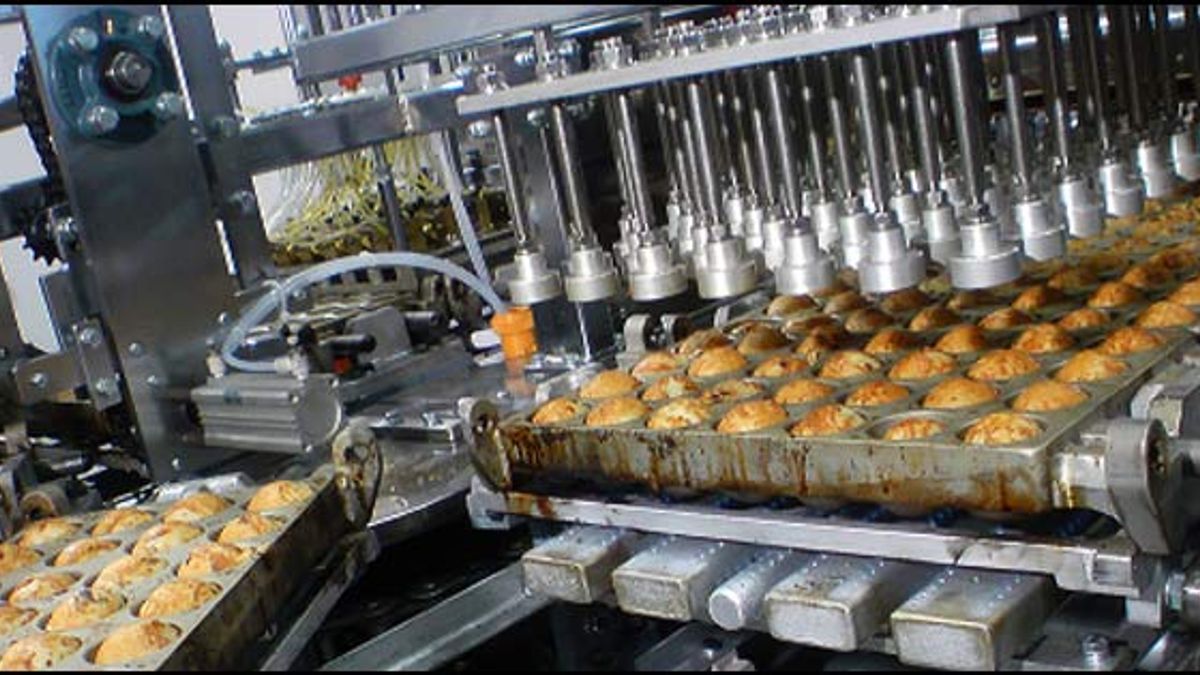
PepsiCo’s success in India stems from massive infrastructure investments in manufacturing facilities, cold chain logistics for beverage distribution, and agricultural partnerships that secure reliable supplies of potatoes, rice, and other raw materials. The company works directly with thousands of Indian farmers, providing technical guidance, quality seeds, and assured buyback arrangements that create win-win relationships where farmers benefit from stable demand and PepsiCo secures consistent quality supplies. This farm-to-fork integration gives PepsiCo significant advantages in managing costs and quality while contributing to agricultural development in the regions where it operates.
The company has demonstrated particular skill in product localization, developing flavors and variants specifically for Indian palates rather than simply importing Western formulations. Kurkure represents perhaps the best example of this strategy, as the product was developed exclusively for India based on insights into Indian snacking preferences and has subsequently been exported to other markets. PepsiCo’s marketing prowess, celebrity endorsements, and sponsorship of major sporting events have built strong brand recall and positive associations. With the Indian beverage and snack market continuing to grow as consumers shift from unbranded alternatives to packaged products, PepsiCo India remains well-positioned to capture this growth through its established brands, manufacturing capabilities, and distribution reach.
8. Tata Consumer Products – The Heritage Brand Expanding Horizons
Tata Consumer Products emerged from the merger of Tata Global Beverages and Tata Chemicals’ consumer products business, creating a unified food and beverage company within the prestigious Tata Group conglomerate. The company commands a market capitalization exceeding one trillion rupees and benefits from association with the Tata brand, which enjoys unparalleled trust among Indian consumers built over more than a hundred and fifty years of ethical business practices and nation-building contributions. Tata Consumer Products focuses primarily on beverages including tea and coffee alongside salt, pulses, spices, ready-to-drink products, and an expanding portfolio of packaged foods that leverage the Tata brand equity.
The company’s beverage portfolio includes iconic brands like Tata Tea, which dominates the packaged tea market in several Indian states, Tetley tea for premium segments, Tata Coffee, and more recently acquired brands like Starbucks India through a joint venture and organic beverage brands that cater to health-conscious consumers. Tata Salt holds a commanding position in the branded iodized salt category, having pioneered this segment and educated millions of Indians about the health benefits of iodized salt over unbranded alternatives. The company has systematically expanded into adjacent categories like Tata Sampann pulses and spices, leveraging the trust consumers place in the Tata name to gain trial and build market share.
What distinguishes Tata Consumer Products is its strategic focus on organic products, health and wellness positioning, and expansion into ready-to-drink and ready-to-eat categories that cater to increasingly time-pressed urban consumers. The company’s acquisition strategy has complemented organic growth, bringing in complementary brands and capabilities that strengthen its market position. With strong growth prospects driven by premiumization trends, health consciousness, and the Tata brand’s power to command premium pricing while maintaining volume growth, Tata Consumer Products represents a formidable player in India’s evolving food processing landscape, particularly in beverages and value-added staples.
9. Dabur India – The Ayurvedic Food and Health Products Leader
Dabur India occupies a distinctive niche in the food processing sector by positioning itself as a leader in natural and ayurvedic products, bridging traditional Indian medicine and modern consumer packaged goods in ways that resonate with health-conscious consumers seeking alternatives to synthetic ingredients and Western formulations. While Dabur is perhaps better known for healthcare and personal care products like Dabur Chyawanprash and various medicinal oils, the company maintains a significant food processing business built around honey, fruit juices, digestive supplements, and ayurvedic health drinks that leverage centuries-old Indian wellness traditions repackaged for modern consumption.
Dabur Honey has established itself as India’s leading honey brand, trusted for purity and quality in a category where adulteration concerns have historically plagued unbranded products. The company’s Real fruit juices compete directly with multinational brands while emphasizing natural ingredients and no-added-preservatives positioning that appeals to parents selecting beverages for children. Dabur has successfully expanded its ayurvedic heritage into modern product formats, creating ready-to-consume health drinks, digestive tablets, and wellness supplements that make traditional remedies convenient for contemporary lifestyles without requiring specialized knowledge to prepare or consume.
The company’s strength lies in its unique positioning at the intersection of food processing and healthcare, appealing to consumers who view food as medicine and seek products that deliver both nutrition and therapeutic benefits. Dabur’s extensive distribution network reaches urban supermarkets and rural pharmacies alike, recognizing that ayurvedic products enjoy acceptance across socioeconomic segments. With growing global interest in natural products, traditional medicine systems, and preventive healthcare, Dabur’s positioning becomes increasingly relevant. The company exports to numerous international markets where Indian diaspora and health-conscious consumers seek authentic ayurvedic products, making Dabur both a significant domestic food processor and an ambassador for Indian wellness traditions internationally.
10. Godrej Consumer Products – The Emerging Food Processing Contender
Godrej Consumer Products, another member of the venerable Godrej Group that has been part of India’s industrial fabric for over a century, has expanded beyond its traditional strengths in personal care and home care products to establish meaningful presence in food processing through three main areas of focus including branded teas, processed foods, and confectionery. The company was incorporated in 2000 and benefits from association with the Godrej brand, which like Tata enjoys strong consumer trust built through decades of ethical business practices and quality products. With a market capitalization approaching one hundred thousand crore rupees, Godrej Consumer Products represents a significant player in India’s consumer goods sector.
The company’s food processing operations remain smaller in scale compared to its personal care business, but management has identified food as a strategic growth area worthy of focused investment and brand-building efforts. Godrej has launched various food products leveraging both its own brand equity and through strategic acquisitions of established food brands that bring instant market presence and consumer familiarity. The company’s operational capabilities in supply chain management, distribution, and consumer marketing developed through its core businesses provide valuable assets that can be leveraged for food products, potentially allowing Godrej to scale its food operations more efficiently than pure-play food companies building these capabilities from scratch.
What makes Godrej Consumer Products particularly interesting for our purposes is how it represents the broader trend of diversified consumer goods companies expanding into food processing, recognizing the enormous growth potential in this sector and the synergies between food and non-food consumer products in terms of distribution, marketing, and consumer insights. While Godrej’s food business currently trails the pure-play food companies profiled earlier, its parentage within the over-one-hundred-and-twenty-three-year-young Godrej Group, professional management, and strategic commitment to food processing position it as an emerging player worth watching as India’s food sector continues its dramatic growth trajectory.
The Future of Food Processing in India
The ten companies profiled here represent the vanguard of India’s food processing revolution, transforming raw agricultural produce into branded packaged products that improve convenience, extend shelf life, ensure food safety, and create economic value at each step of the supply chain. These organizations collectively employ hundreds of thousands of workers directly and support millions more through their agricultural procurement networks, distribution partnerships, and ancillary services. They contribute substantially to government revenues through taxes, generate foreign exchange through exports, and increasingly represent India on global stages as Indian food brands gain international recognition.
Looking ahead to the remainder of 2026 and beyond, India’s food processing sector faces both tremendous opportunities and significant challenges. The opportunities stem from India’s demographic dividend with a young population entering peak consumption years, rising incomes that enable trading up from unbranded to branded products and from basic to premium offerings, urbanization that creates demand for convenience foods as traditional joint family structures give way to nuclear families where both partners work, improved cold chain infrastructure that enables longer-distance distribution of perishable products, and growing health consciousness that creates markets for fortified, organic, and functionally enhanced foods.
The challenges include intense competition that pressures margins and requires constant innovation, regulatory complexity as food safety standards evolve and governments balance consumer protection with industry growth, supply chain vulnerabilities related to agricultural production variability and logistics infrastructure gaps, changing consumer preferences that can quickly render successful products obsolete, and sustainability pressures to reduce packaging waste and environmental footprint.
The companies that will thrive in this dynamic environment are those that maintain operational excellence while investing in innovation, build authentic connections with consumers while staying nimble enough to adapt to changing preferences, and contribute to broader social goals of nutrition security and sustainable development while delivering shareholder returns. The ten companies profiled here have demonstrated these capabilities and stand well-positioned to shape India’s food future in the decades ahead.