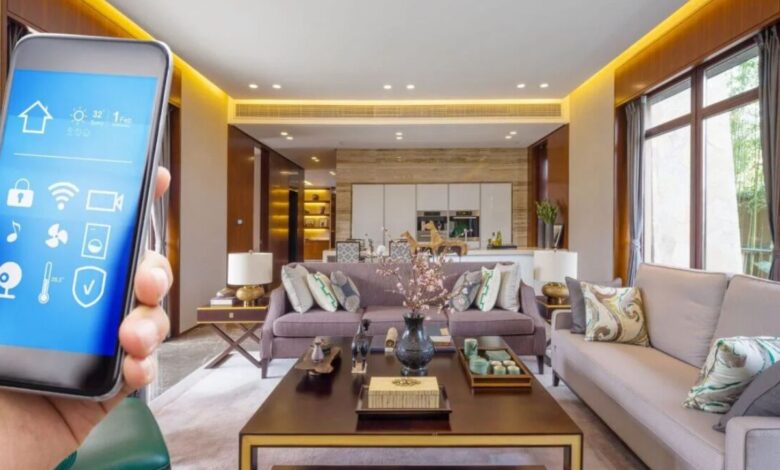
The smart home industry in India has undergone a remarkable transformation over the last five years. With a rapidly expanding middle class, increasing smartphone penetration, affordable broadband through Jio and other providers, and a growing appetite for convenience and energy efficiency, home automation has moved from a luxury segment to a mainstream aspiration. According to industry estimates, India’s home automation market is expected to surpass USD 10 billion by 2027, growing at a CAGR of over 25%. In 2026, both domestic and international players are competing fiercely for a share of this booming market.
Whether you are looking to automate your lighting, security, appliances, or entire living ecosystem, the options available in India today are more sophisticated and more affordable than ever before. Here is a comprehensive look at the top 10 home automation companies operating in India in 2026 — their offerings, strengths, and what sets them apart.
1. Schneider Electric India
Schneider Electric remains one of the most trusted names in home and building automation across India. Their Wiser smart home ecosystem allows homeowners to control lighting, climate, energy usage, and security through a single unified app. Schneider’s products are widely available through their vast distribution network across Tier 1 and Tier 2 cities. The company’s focus on energy management makes it especially appealing for environmentally conscious homeowners and commercial clients looking to cut electricity costs. Their smart panels and load management solutions are increasingly popular in new residential projects and gated communities.
Key Offerings: Smart switches, Wiser Hub, energy monitoring, climate control, smart plugs.
2. Honeywell Home India
Honeywell’s consumer and residential automation division, operating under the Honeywell Home brand, continues to hold a strong position in India’s smart living segment. The company is particularly well-known for its smart thermostats, security systems, and air quality monitoring devices. Honeywell’s deep integration with third-party platforms like Google Home and Amazon Alexa gives it an edge among tech-savvy consumers who already operate within those ecosystems. Their products are widely used in premium residential complexes, hotels, and corporate campuses across the country.
Key Offerings: Smart thermostats, video doorbells, security cameras, air purifiers with smart controls, smoke and CO detectors.
3. Legrand India
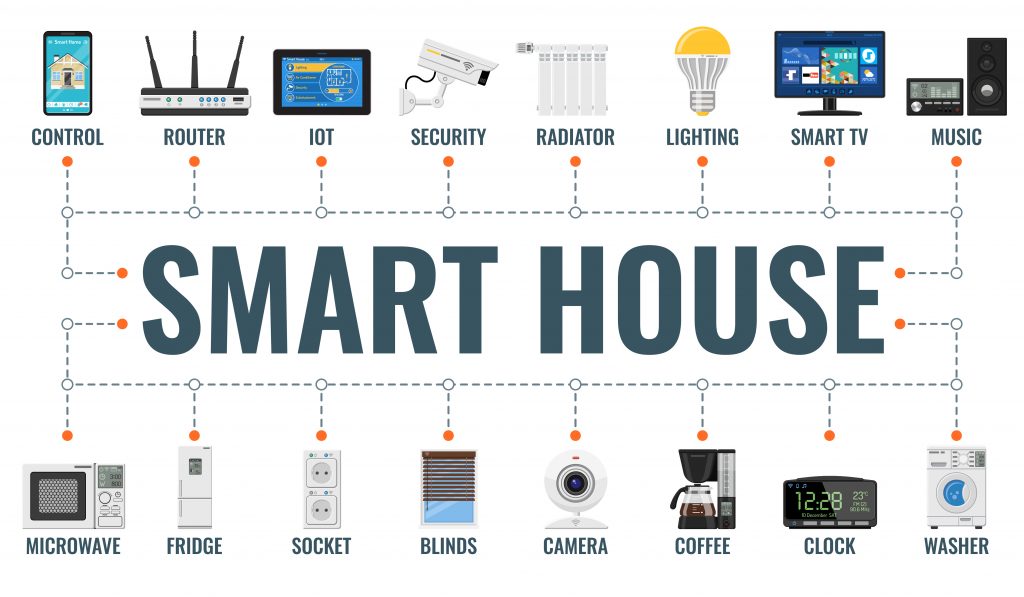
Legrand, a global specialist in electrical and digital building infrastructures, has a well-established presence in India through its subsidiary Legrand India. Their BTicino and Céliane with Netatmo product lines cater to both the luxury and mid-premium segments of the home automation market. Legrand has been particularly aggressive in partnering with builders and architects in India, making their smart switches and automation modules a popular choice for new construction projects. Their modular wiring devices with smart capabilities are sold through a large network of electrical dealers and online platforms.
Key Offerings: Smart lighting controls, connected switches, smart home gateways, video intercoms, motorized blinds control.
4. Philips Smart Home (Signify India)
Signify, formerly known as Philips Lighting, markets its connected lighting solutions under the iconic Philips Hue brand and also through its mainstream Philips Smart LED range in India. In 2026, Signify India continues to dominate the smart lighting segment, offering everything from color-changing smart bulbs to complete lighting automation systems. Their products work seamlessly with Google Assistant, Amazon Alexa, and Apple HomeKit. The relatively accessible price points of the Philips Smart LED range make it a go-to entry-level option for Indian consumers taking their first steps into home automation.
Key Offerings: Philips Hue ecosystem, smart LED bulbs and strips, Signify smart switches, app and voice-controlled lighting.
5. Anchor (Panasonic) Smart Home
Anchor Electricals, a wholly owned subsidiary of Panasonic, has been a household name in India’s electrical goods segment for decades. Their foray into smart home technology through the Anchor Roma Smart range and Panasonic’s connected home solutions has been well received. The brand’s strong trust factor, widespread availability, and competitive pricing make it a formidable player in the mid-market segment. Products can be controlled through smartphone apps with support for major voice assistants, and the company has focused heavily on making installation straightforward for Indian homes.
Key Offerings: Smart modular switches, Wi-Fi-enabled fans, smart plug sockets, lighting automation panels.
6. Havells India – Smart Home Solutions
Havells, one of India’s most recognized electrical equipment brands, has made significant strides in the smart home category. Their connected product portfolio includes smart fans, smart switches, IoT-enabled appliances, and smart lighting — all manageable via the Havells Sense app. The company’s strengths lie in its extensive pan-India distribution, strong after-sales service network, and the high brand recall it enjoys among Indian consumers. Havells has also been actively integrating its smart range with popular e-commerce platforms and smart home ecosystems.
Key Offerings: Smart fans with app control, smart switches and dimmers, smart water heaters, connected LED lighting.
7. Oakter
Oakter is one of India’s most prominent homegrown smart home brands, and it has managed to carve a strong niche in the affordable smart home segment. Founded in Delhi, Oakter specializes in plug-and-play smart home devices that require no rewiring — making them ideal for rented apartments and older homes. Their product range includes smart plugs, smart IR blasters, smart cameras, and smart home hubs. Oakter’s devices are compatible with Google Home, Amazon Alexa, and their own OakRemote app. The brand is widely sold on Amazon India and Flipkart, keeping its pricing highly competitive.
Key Offerings: Smart plugs, IR blasters (universal remote), smart cameras, smart home hub, smart strip controllers.
8. Zicom Electronic Security Systems
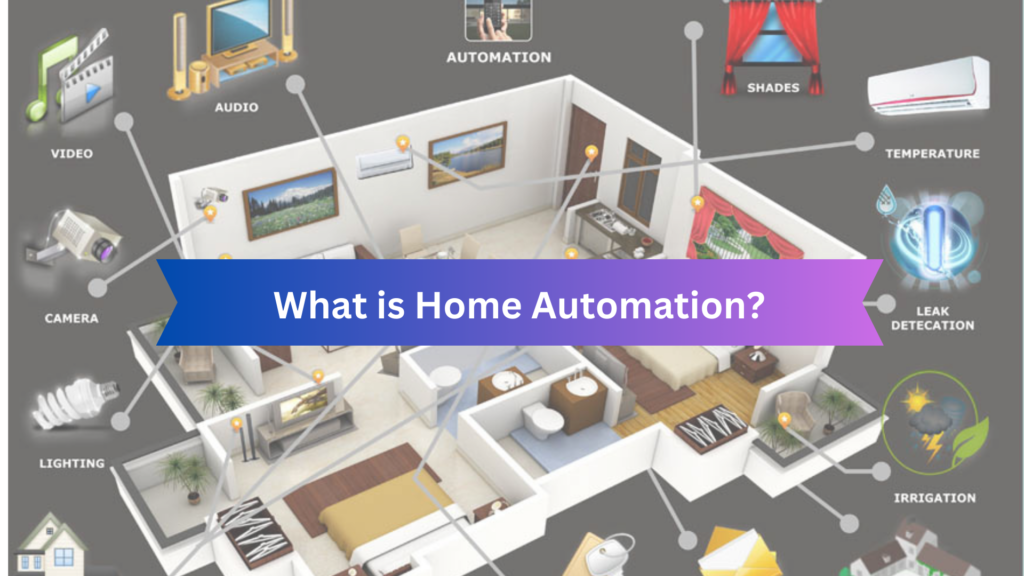
Zicom is a veteran player in India’s electronic security and home automation space, with over two decades of experience. The company offers an extensive portfolio that includes CCTV systems, video door phones, intrusion alarm systems, and integrated smart security solutions for homes and businesses. Zicom’s Smart Home Security solutions combine surveillance, access control, and real-time alerts in a single ecosystem. Their deep expertise in the security domain makes them a preferred choice for homeowners whose primary concern is safety and monitoring, rather than convenience automation.
Key Offerings: Smart CCTV systems, video door phones, motion sensors, alarm systems, remote monitoring services.
9. Wipro Smart Lighting (Wipro Consumer Care)
Wipro Consumer Care and Lighting has significantly expanded its smart home portfolio in recent years. Under its Wipro Smart range, the company offers Wi-Fi-enabled smart bulbs, smart panels, and lighting control systems compatible with Amazon Alexa and Google Assistant. Wipro’s strength lies in its established brand reputation, wide dealer network, and its ability to offer smart lighting at mass-market price points. The company has also been active in the B2B segment, providing smart lighting solutions for commercial offices, hospitals, and hospitality projects across India.
Key Offerings: Smart LED bulbs, smart batten lights, connected ceiling panels, smart switches, energy-efficient smart fixtures.
10. ControlCase / i3 Systems (Smart Building Automation)
i3 Systems is a Pune-based technology company that has emerged as a noteworthy player in the integrated home and building automation space in India. Their solutions are particularly geared toward large residential complexes, townships, and smart city projects, covering everything from energy management and HVAC automation to security integration and visitor management systems. i3 Systems has won several projects from real estate developers and municipal bodies and is growing rapidly in the B2B smart building segment. Their platform supports IoT device integration across multiple vendors, making it a strong choice for large-scale deployments.
Key Offerings: Integrated building automation, smart energy management, HVAC controls, access control, EV charging station management.
What to Consider When Choosing a Home Automation Company in India
Choosing the right home automation provider requires careful thought. Here are a few factors that matter most for Indian consumers in 2026:
Compatibility and Ecosystem: Ensure the system supports major platforms like Google Home, Amazon Alexa, and Apple HomeKit so that future expansions remain seamless.
Ease of Installation: Brands like Oakter focus on retrofit solutions that don’t require rewiring, which is critical for older homes and tenants.
After-Sales Service: Companies like Havells, Legrand, and Schneider Electric have strong service networks across India, which is an important consideration for hardware-dependent systems.
Scalability: A good system should grow with your needs — starting with smart lighting and eventually covering security, climate, and appliances.
Price vs. Value: The Indian market has options across all budgets. Entry-level solutions from Wipro, Oakter, and Philips are excellent starting points, while comprehensive systems from Schneider Electric, Legrand, and Honeywell are better suited for new builds and premium homes.
Conclusion
India’s home automation market in 2026 is vibrant, competitive, and more accessible than ever before. Whether you are a first-time buyer looking to add a few smart plugs or a developer planning a fully automated smart township, there is a company on this list equipped to serve your needs. The convergence of affordable IoT hardware, reliable internet connectivity, and growing consumer awareness means that smart homes in India are no longer a futuristic concept — they are an achievable reality for millions of households today.

As the ecosystem matures, expect deeper AI integration, better energy efficiency tools, and more seamless interoperability between devices from different brands. The companies that invest in local R&D, robust customer support, and smart pricing will be the ones that define India’s smart home landscape for the decade ahead.