Vitrified vs Granite Tiles: How to Choose the Right Flooring Material

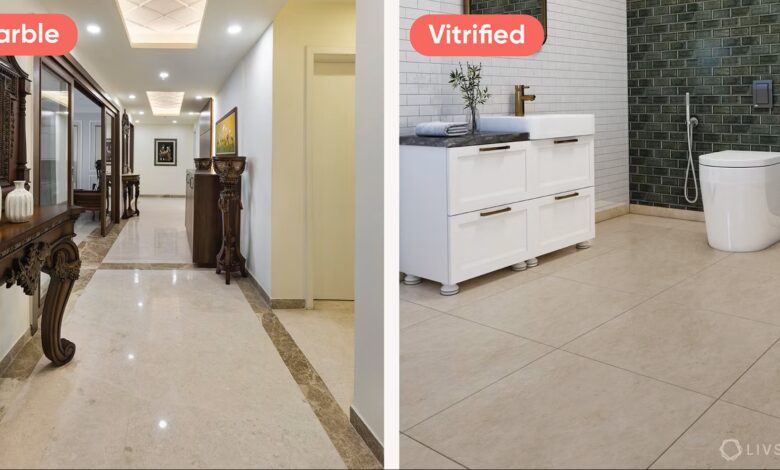
Choosing the right floor is a bit like choosing the mood of your home. The surface you walk on every day affects comfort, style, cleaning effort, and even how spacious a room feels. Among the many options available today, vitrified tiles and granite tiles stand out as two popular and trusted choices. Both are strong, stylish, and long-lasting, yet they suit different needs. Understanding how they differ can help you make a confident decision for your space.
What Are Vitrified Tiles?
Vitrified tiles are manufactured by combining clay with materials such as silica and quartz, then firing the mixture at very high temperatures. This process makes the tile dense, hard, and almost non-porous. Because of this, these tiles absorb very little water and resist stains better than many other flooring options.
One of the biggest advantages of vitrified flooring is its uniform look. Each tile has a consistent colour and finish, creating a smooth, modern appearance. They are commonly used in living rooms, bedrooms, kitchens, and even in commercial spaces with high foot traffic.
What Are Granite Tiles?
Granite tiles offer the rich appearance of natural stone but are designed using advanced ceramic or vitrified technology. Instead of cutting slabs from natural granite, these tiles are crafted to replicate granite’s grains, specks, and depth while being lighter and easier to maintain.
Granite-style flooring is valued for its earthy feel and natural patterns. It works beautifully in spaces that call for a grounded, elegant look. From hallways and kitchens to outdoor areas and commercial floors, granite-inspired tiles handle wear well and bring visual depth. A design such as Grey Sonata reflects this balance between natural stone charm and modern performance.
Appearance and Style Differences
When it comes to design, both tile types offer plenty of choices, but their visual impact is different. Vitrified tiles are known for their sleek, modern finishes. They are available in glossy, matte, and textured finishes, as well as designs that mimic marble, concrete, or even fabric. Their smooth surface reflects light well, making smaller rooms appear larger and brighter.
On the other hand, granite tiles focus on a natural, stone-like look. Their patterns feel more organic, with subtle variations that add character. These tiles suit homes that prefer a calm, earthy, or slightly rustic style. They also work well as feature floors or accent walls where texture matters more than shine.
Durability and Strength
Both vitrified and granite tiles are built to last, but each type works best in different situations. Vitrified tiles are extremely hard, resistant to scratches, stains, and moisture, making them ideal for high-traffic indoor areas like living rooms, kitchens, and offices. They remain stylish and low-maintenance even with daily use.
Granite tiles, on the other hand, handle heavy loads and outdoor conditions exceptionally well. Their slightly textured surface provides better grip, making them ideal for balconies, patios, and pathways exposed to the weather or subject to frequent movement. Collections from trusted brands like Simpolo Tiles & Bathware showcase how durability and design can come together for both indoor and outdoor spaces.
Maintenance and Cleaning
Ease of maintenance is a major deciding factor for many homeowners. Vitrified tiles are low-maintenance because their surfaces do not readily absorb liquids. Regular sweeping and mopping with mild detergent are usually enough to keep them looking new. Spills do not leave marks if cleaned on time.
Granite tiles are also easy to care for, especially compared to natural granite slabs. They do not need sealing or polishing. A damp mop and a gentle cleaning solution can remove dirt and stains with minimal effort. Designs like Onega Grey show that you can enjoy a stone-like finish without complicated upkeep.
Suitable Areas of Use
Choosing the right tile type often depends on where you plan to install it, as different tiles perform better in specific areas of a home or commercial space.
Vitrified tiles: Best suited for indoor spaces such as bedrooms, living rooms, dining areas, and kitchens. Their smooth surface and stylish appearance make them a popular choice for homes. They are also widely used in commercial spaces like malls and offices because they combine durability with elegance.
Granite tiles: Ideal for both indoor and outdoor areas, including hallways, kitchens, staircases, patios, and parking spaces. Their resistance to heat, moisture, and daily use makes them suitable for spaces with less controlled conditions.
Conclusion
Both vitrified and granite tiles offer unique advantages, making them excellent choices for modern homes. Vitrified tiles provide a polished, uniform look with minimal maintenance, ideal for indoor spaces with high foot traffic. Granite tiles, with their natural patterns and robust strength, are well-suited for areas exposed to outdoor conditions or heavier use. Considering factors like style, durability, and maintenance will help you pick the flooring that complements your home while delivering long-term performance and visual appeal.