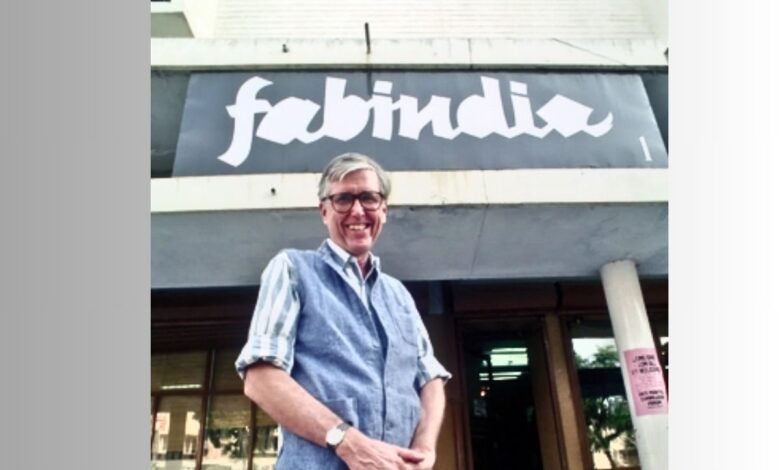
In a world increasingly dominated by mass-produced textiles and standardized fashion, there are few stories as remarkable as that of John Bissell. A man who arrived in India as a foreigner, Bissell not only fell in love with the nation’s rich cultural heritage but also devoted his life to celebrating its artisanal craft. From humble beginnings in two small rooms to the international phenomenon that is Fabindia today, his journey exemplifies how passion, vision, and a deep respect for tradition can build an empire.
An American Arrival in India
John Bissell’s story begins in Hartford, Connecticut, where he was born into a family with an appreciation for craftsmanship. In 1958, armed with a grant from the Ford Foundation, Bissell made his way to India to advise the Central Cottage Industries Corporation. His original mission was temporary—a two-year posting to help promote Indian handloom exports. Yet those two years would stretch into a lifetime. In the colors, textures, and intricate patterns of India’s traditional weaves, John saw something that the world had overlooked: unparalleled artistry, timeless techniques, and a legacy at risk of fading away.
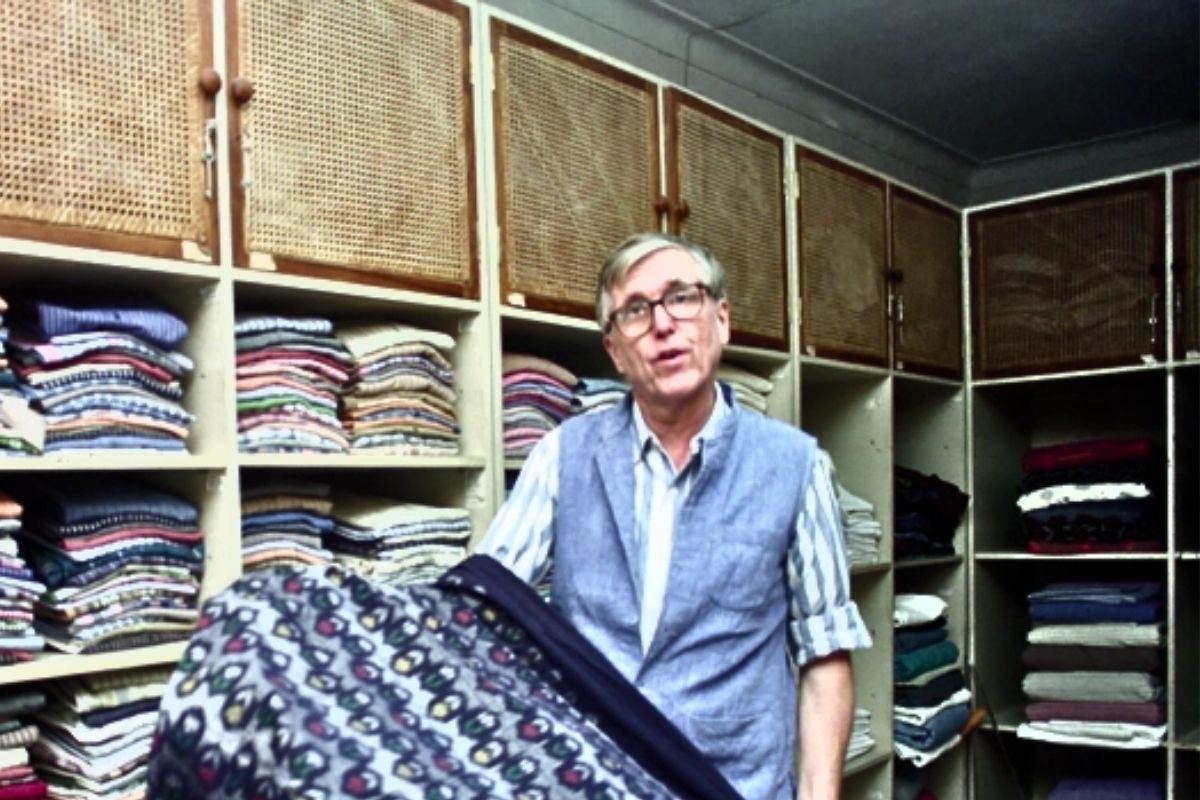
Fabindia- The Birth of a Brand
India had many skilled weavers, dyers, and artisans, but their crafts were often limited to small villages and local markets. The global market remained largely untapped. Bissell saw an opportunity not only to share India’s rich textile heritage with the world but also to support struggling craftspeople in an industry facing a slow decline. In 1960, with a modest inheritance from his grandmother—just Rs 95,000—Bissell started Fabindia.
The company began as a supplier of home furnishings, catering to a niche audience abroad. Bissell personally traveled to rural villages, sourcing the best flat weaves, handlooms, and cottons. Through his efforts, these traditional crafts found their way into the homes of international consumers who had never before encountered such elegance and authenticity.
A Pivot to Retail
By the mid-1960s, Fabindia was thriving as an export business. However, the political climate and evolving market conditions in India presented new challenges. The Emergency period in 1975 imposed restrictions on commercial activities in residential areas, forcing Bissell to rethink his approach. He transitioned from export-focused distribution to a retail model. In 1976, Fabindia opened its first store in Greater Kailash, New Delhi. This marked the beginning of a brand that would soon become synonymous with quality Indian textiles and craftsmanship.
The move to retail allowed Fabindia to cater directly to the domestic market. Indian customers began to experience firsthand the beauty of traditional handwoven fabrics presented in contemporary designs. Bissell’s blend of classic and modern aesthetics created a distinctive identity for Fabindia, making it a go-to destination for those who cherished tradition without sacrificing style.
Expanding the Vision
Over the decades, Fabindia grew steadily, expanding its product offerings while remaining rooted in its artisanal origins. From textiles, the brand diversified into categories such as organic foods, personal care, and handcrafted jewelry. Each addition was carefully considered and reflected Fabindia’s commitment to authenticity, sustainability, and social impact.

By 2007, the company had developed relationships with more than 22,000 artisans across 21 states. Fabindia became more than a retailer; it evolved into a movement that preserved India’s cultural heritage and empowered its craftspeople. Bissell’s commitment to supporting artisans was not just about business—it was about ensuring that these centuries-old traditions continued to thrive in the modern era.
Inclusive Capitalism and Social Impact
Perhaps one of John Bissell’s most impactful initiatives was Fabindia’s inclusive capitalism model. Recognizing that artisans often received only a fraction of the value their products generated, Bissell introduced a structure that allowed them to become shareholders. By purchasing shares in regional companies, artisans gained access to loans, quality control processes, and a fair share of the profits. This innovative model not only strengthened the craftspeople’s financial independence but also created a sense of ownership and pride in their work.
Today, Fabindia supports over 55,000 artisans, providing sustainable livelihoods and ensuring that their skills remain relevant and in demand. This is not just business—it’s a legacy of empowerment.
A Lasting Legacy
John Bissell’s story is one of passion and persistence. His unwavering dedication to preserving India’s artisanal heritage transformed Fabindia from a small export house into a cultural institution. When Bissell passed away at the age of 66, he left behind not just a company, but a movement—a testament to the power of vision and values.
Under the leadership of his son, William Bissell, Fabindia has continued to flourish. The brand now boasts more than 400 stores worldwide and a reputation for authenticity and quality that remains unmatched. Beyond its commercial success, Fabindia has contributed to education and community development, including establishing the Fabindia School in Bali, Rajasthan, which provides affordable education to rural children.
A Brand the World Admires
Today, Fabindia is valued at 16,000 crores and generates revenues exceeding 1,668 crores. Its growth has caught the attention of industry giants like the Tata Group, which reportedly expressed interest in acquiring the company. Yet, at its core, Fabindia remains true to John Bissell’s original vision: celebrating Indian craftsmanship, empowering artisans, and bringing the beauty of Indian textiles to homes around the world.

A True Cultural Ambassador
John Bissell’s journey from a Ford Foundation advisor to the founder of one of India’s most cherished brands is nothing short of extraordinary. His work not only transformed the Indian textile industry but also reshaped the global perception of Indian crafts. By combining business acumen with a deep respect for tradition, Bissell created a brand that continues to inspire and uplift. Today, Fabindia stands as a symbol of the enduring beauty of Indian artistry and the profound impact of one man’s passion and vision.