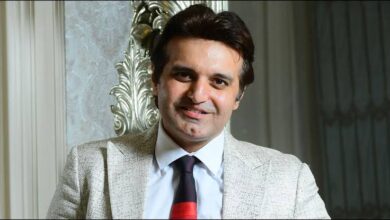
7.5 Crore In, 58 Crore Out, ₹5,000 Crore Alleged Gains: Examining DLF’s Role In Shikohpur Scandal

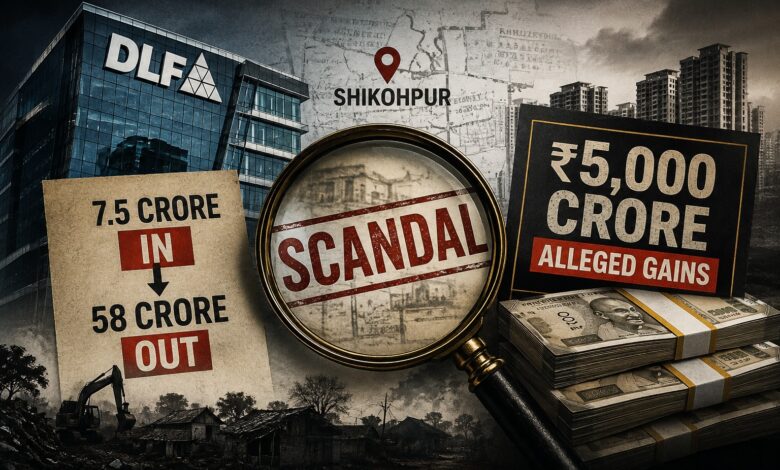
DLF Walking Away with the Land For Nearly 2 Decades While Investigators Spent Eighteen Years Filing Status Reports
18 years after a 3.5-acre plot in Shikohpur changed hands for ₹7.5 crore and was flipped for ₹58 crore, India’s largest real estate company still has not been forced to give a complete public accounting of its role. The Enforcement Directorate’s sealed status report filed on 21 August 2026 in the Rouse Avenue Court is the latest admission of unfinished business. The agency needs more time. The court has granted it until 23 September. Meanwhile the numbers stand unchallenged in their brutality and the silence around DLF grows louder with every passing deadline.
In February 2008 Skylight Hospitality, a company tied to Robert Vadra, bought roughly 3.53 acres in Shikohpur village from Onkareshwar Properties for a declared ₹7.5 crore. Mutation of ownership followed with a speed that ordinary citizens never experience. Within months the Haryana government under Bhupinder Singh Hooda, who controlled the Town and Country Planning department, handed the same entity a commercial colony license covering about 2.7 acres.
That single regulatory decision multiplied the land’s value. By June 2008 DLF Universal Limited had agreed to buy the plot for ₹58 crore. The jump was nearly 700 percent in a handful of months. Payments stretched across installments until the formal sale deed of September 2012. DLF took the land and the development rights. Skylight took the money.
These are not disputed figures. They are the skeleton of the case. What remains contested is the meaning of the speed, the convenience, and the scale of the subsequent benefits alleged to have flowed to the buyer. Investigators have treated the ₹58 crore as proceeds of crime under the Prevention of Money Laundering Act.
Courts have noted that the payment sits at the center of the alleged laundering chain and have directed the Enforcement Directorate to examine DLF’s role thoroughly for complete justice. Yet as of August 2026 the company has still not been arrayed as a primary accused in the main prosecution complaint. Properties linked to Vadra and his entities, valued at around ₹37.64 crore, have been attached. The corporate entity that wrote the cheques continues to operate under a lighter investigative shadow.
The larger allegation is even more corrosive. Police and agency documents have claimed that the Shikohpur arrangement was linked to the allotment of approximately 350 acres in Wazirabad to DLF under terms that violated rules, generating estimated profits of ₹5,000 crore. These remain allegations. They have not been proven in court. Their persistence, however, is telling. A 3.5-acre deal that produced ₹58 crore in declared proceeds and an alleged parallel benefit measured in thousands of crores creates a pattern that looks less like ordinary commerce and more like reciprocal convenience. Ordinary developers do not receive such favors. Ordinary buyers do not see land values multiply sevenfold after a few months of political goodwill.
Ashok Khemka’s October 2012 order cancelling the mutation was a rare moment of bureaucratic resistance. He cited consolidation law violations and procedural breaches. The state government of the day moved quickly to dilute and reverse the effect of that order. A committee of officers concluded that Khemka had overreached. The officer was transferred. The political class moved on. The land stayed with DLF. Years later the commercial license was cancelled by the department, long after the economic value had already been extracted and transferred. The sequence is not accidental. Value is created under one regime, realized under the same regime, and the paperwork is cleaned up when the political weather changes.
The 2018 FIR registered by Gurugram police under cheating, forgery, conspiracy and Prevention of Corruption Act provisions finally brought the matter into the formal criminal process. The Enforcement Directorate followed with a money-laundering investigation. In 2025 a prosecution complaint named Vadra and associated entities. DLF remained outside the primary dock. Courts have repeatedly flagged the incompleteness of this approach. The August 2026 sealed status report is simply the latest bureaucratic acknowledgment that the corporate side of the story has not been fully confronted.
This is where the critique must become sharper. The system has perfected a method of managing scandal without resolving it. Individuals with political surnames are summoned, questioned, and have properties attached. Large listed companies that write the large cheques are treated with institutional caution. Status reports are filed in sealed covers. Deadlines are extended. The public is told that investigation is ongoing. Eighteen years is not ongoing. Eighteen years is institutional failure dressed as procedure.
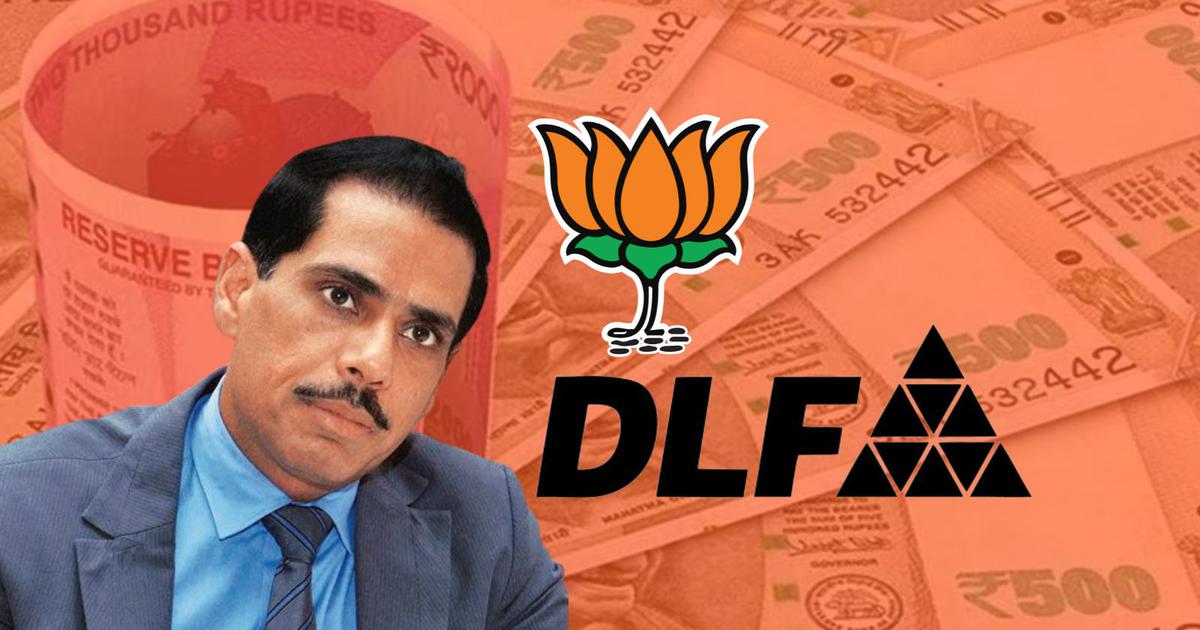
DLF is not a bystander that stumbled into a complicated deal. It is a sophisticated player that understands land, licensing, and political risk better than most. Entering a transaction that delivered a 700 percent return in months, after a license had been granted with unusual speed to a thinly capitalized entity, required either extraordinary commercial foresight or comfortable knowledge of the surrounding arrangements. The subsequent claims of a 350-acre allotment yielding ₹5,000 crore only deepen the suspicion that the Shikohpur payment was not an isolated commercial decision. If the ₹58 crore is proceeds of crime, then the party that paid it and the circumstances under which it was paid cannot remain a secondary footnote.
The sealed cover itself is an insult to public interest. Citizens are asked to accept that the role of one of India’s most powerful real estate companies is still being examined behind closed doors while the numbers have been public for more than a decade. Transparency is selective. When the accused is an individual with a famous surname, the process is noisy and visible. When the accused interest is a corporate balance sheet, the process becomes quiet, prolonged, and sealed.
The original license cancellation in 2022 arrived after the money had moved and the land had changed hands. Regulatory action that follows the enrichment rather than prevents it is not regulation. It is after-the-fact housekeeping. The same pattern appears in the handling of Khemka’s order. Resistance is first neutralized, then reviewed into irrelevance, and finally remembered only as a political talking point.
Eighteen years of inquiry have produced attachments, summonses, status reports, and extensions. They have not produced a clear, complete, and public determination of DLF’s responsibility. That absence is not neutral. It protects the larger player while the smaller political names absorb the visible heat. The Enforcement Directorate’s request for more time in August 2026 is not a sign of diligence. It is evidence that the most consequential corporate actor in the chain has never been forced to the same standard of accounting demanded of others.
The arithmetic remains damning. ₹7.5 crore declared purchase price. Rapid commercial license. ₹58 crore sale price. Nearly 700 percent appreciation in months. Alleged 350-acre parallel allotment. Claimed ₹5,000 crore in gains. ₹37.64 crore in attached properties belonging to the political side of the deal. Zero primary accusation against the corporate buyer after eighteen years. These figures do not require conspiracy theories. They require the simple recognition that power and capital have managed to keep the most profitable participant at a comfortable distance from full scrutiny.

Until DLF is made to answer with the same intensity applied to every other party in this chain, the Shikohpur land deal will stand as a textbook illustration of how India’s institutions handle the intersection of real estate and political proximity. The money moved. The land moved. The questions remain unanswered. The sealed status report of August 2026 is not progress. It is the formalization of delay. And delay, in cases of this scale, is itself a form of protection.