Thousands Of Buyers, Thousands Of Crores Attached: The Raheja Record That Should Worry The Public
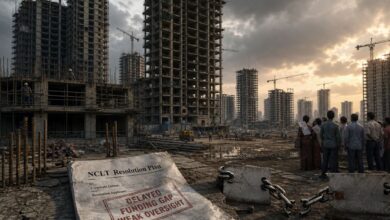
Official records show three Enforcement Directorate provisional attachments totalling 2,399.65 crore rupees against Raheja Developers Limited and connected matters, alongside project-specific insolvency proceedings, a CARE D rating and multiple consumer refund orders. Approximately 4,600 homebuyers are cited in connection with collections exceeding 2,400 crore rupees, with diversion alleged by the investigating agency. These are provisional and contested steps, not final convictions. For the families who paid for homes, the practical reality is prolonged uncertainty, delayed possession and the need to pursue remedies through regulators and courts. That gap between money taken and homes delivered is the core public concern.

Ordinary Families, Extraordinary Delays: The Public Stakes in the Raheja Proceedings
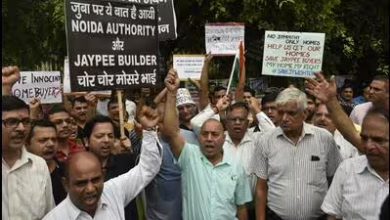
When a family pays for a flat, it is not merely purchasing square footage. It is purchasing certainty, which comes with a possession within a promised window, basic infrastructure, and a clear title. For thousands of home buyers associated with projects linked to Raheja Developers Limited, that certainty has been replaced by years of waiting, regulatory notices and formal enforcement steps. The public record now available should trouble anyone who believes the real-estate sector must answer to the people who fund it with their savings.
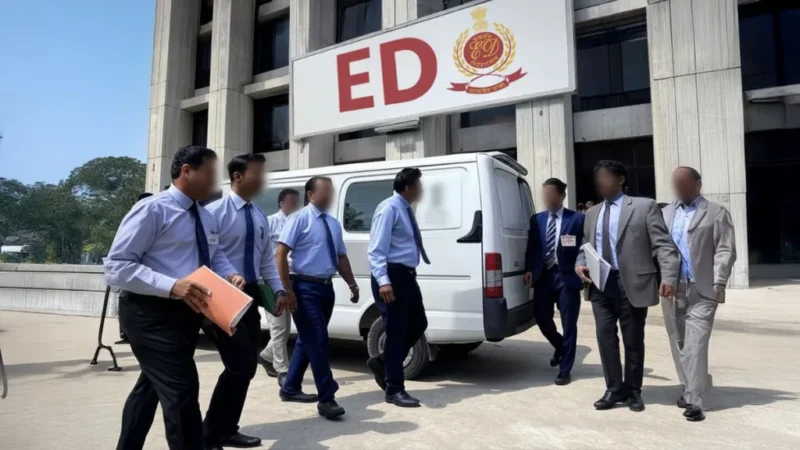
In 2026 the Enforcement Directorate recorded three successive provisional attachments disclosed at 1,113.81 crore rupees, 503.48 crore rupees and 782.36 crore rupees, bringing the cumulative disclosed value to 2,399.65 crore rupees. These are provisional measures under the Prevention of Money Laundering Act. They are not final confiscation orders, nor do they by themselves prove every allegation of diversion. They are, however, among the most significant enforcement actions visible in the recent record.
The same official releases refer to collections of approximately 2,425.99 crore rupees from roughly 4,600 homebuyers and allege that buyer funds were diverted. Separate reporting cites different collection and diversion figures. The precise reconciliation of those numbers remains a matter for the underlying pleadings. What is clear for the public is the scale: thousands of families paid large sums for homes, and an investigating agency has found sufficient material to attach assets on a multi-thousand-crore scale.
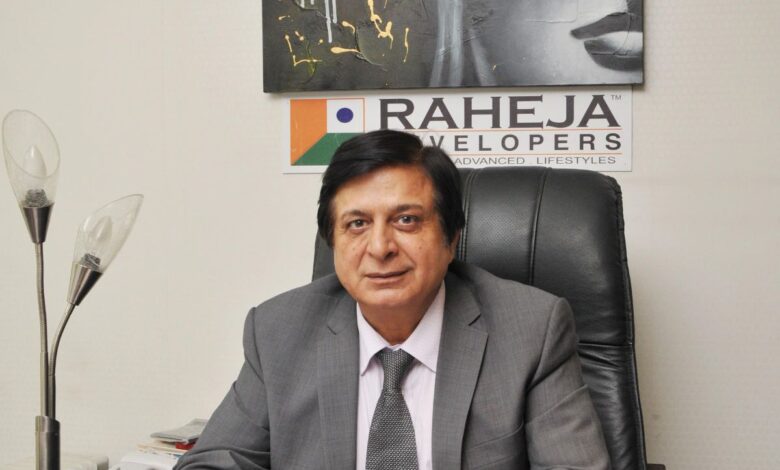
The company’s response has been to deny fraud and diversion, to assert that investment exceeded collections, and to point to infrastructure delays and a RERA-supervised audit. That denial is part of the record and must be acknowledged. It does not, by itself, erase the fact that home buyers continue to seek possession, refunds and interest through consumer forums and that project accounts have been the subject of regulatory restraint.

Insolvency proceedings have followed a project-specific rather than company-wide path. In June 2026 the National Company Law Tribunal admitted a petition expressly limited to the Revanta project. Creditor claims recorded in subsequent summaries ran into thousands of crores on the claimed side, with a lower but still substantial admitted amount.
Separate insolvency tracks have been identified for the Krishna Housing Scheme and Shilas projects, each confined by tribunal orders to the relevant project. An earlier 2019 admission was set aside on appeal. These distinctions matter legally. They do not erase the practical reality for home buyers in the affected projects: their units sit inside formal resolution processes, with claims, interest and timelines governed by insolvency law rather than the original buyer-seller agreement.
Credit markets have also signalled distress. CARE Ratings has maintained a CARE D rating with the notation that the issuer is not cooperating, covering facilities totalling more than 1,100 crore rupees. A D rating is the lowest category and indicates high credit risk. It is not a formal wilful-defaulter declaration, yet it is a public indicator that lenders and rating agencies view the credit profile as severely impaired.
Tax history adds another documented chapter. In 2014 the Delhi High Court quashed settlement immunity in a matter involving alleged bogus purchase entries quantified at 117.98 crore rupees across multiple assessment years following a 2010 search. The appellate trail has continued into later years. The figure is not automatically an adjudicated tax demand recovered from the company, but the judicial finding that immunity was improperly granted remains part of the public record.
Regulatory and consumer outcomes reinforce the pattern of incomplete delivery. In 2023 Haryana RERA ordered the freezing of project bank accounts in a matter concerning the Vanya project, citing issues around account changes, progress reports and financial reconciliation. Consumer commissions have directed refunds running into crores of rupees in individual cases, often with interest at nine percent or higher and, in some contractual disputes, still higher rates.
One order directed occupation-certificate compliance with a conditional refund alternative. Another sustained a substantial buy-back related liability. Execution petitions have sometimes been dismissed for non-prosecution or settled; others remain part of the broader enforcement landscape. Each outcome is fact-specific. Collectively they show that home buyers have repeatedly had to approach forums to obtain what the original contracts promised.
Arrest-related reporting requires equal precision. Temporary protection from arrest was reported in August 2026. Earlier warrants in certain execution matters were recorded as unserved, and at least one execution was later dismissed in default. No verified executed arrest memo or custodial order for the principal individuals has been established in the materials reviewed. The absence of an executed arrest does not, however, cancel the underlying regulatory and consumer pressure that produced the warrants in the first place.
From a public standpoint the cumulative picture is one of systemic strain on ordinary homebuyers. Money was collected on a large scale. Projects experienced prolonged delays. Assets have been provisionally attached on a multi-thousand-crore basis. Project-specific insolvency proceedings are under way. A major credit rating agency has assigned its lowest rating with a non-cooperation note. Consumer forums have ordered refunds and interest. Regulatory accounts have been frozen. Some earlier coercive steps have been set aside or rendered non-operative through settlement or dismissal. None of those qualifications restores the years lost by families who planned their lives around possession dates that did not materialise.
The real-estate market depends on trust. When that trust is repeatedly tested by incomplete delivery, large-scale provisional attachments and formal insolvency processes, the cost is borne first by the home buyers who can least afford it. EMIs continue while walls remain unfinished. School admissions and marriage plans are deferred. Legal costs accumulate. The public interest lies not in assuming guilt on every allegation, but in insisting that money taken for homes must produce homes, and that when it does not, the regulatory and judicial system must deliver timely and effective remedies.

The documented record concerning Raheja Developers Limited and the matched projects shows substantial enforcement, credit and litigation exposure. It also shows later developments that have narrowed or qualified certain adverse measures. What it does not yet show is the restoration of certainty for the thousands of families whose savings underwrote these projects. Until possession is delivered, conveyance is completed and outstanding awards are satisfied, the public concern remains fully justified. The gap between the sums collected and the homes still awaited is the measure of that concern.