10 Years After: What Public Records Reveal And Conceal About Vinod Adani’s Offshore Structures
In January 1994, Vinod Shantilal Adani incorporated GA International Inc in the Bahamas with his wife as co-director, using bearer shares and Mossack Fonseca as registered agent. The entity surfaced in the 2016 Panama Papers. Vinod Adani, elder brother of Gautam Adani and overseer of significant overseas operations, has been linked in later reporting to multiple offshore vehicles across Mauritius, the UAE, Singapore and elsewhere. Indian and international probes into Adani Group structures have generated large aggregate assessments and settlements, yet the specific status of the 1994 Bahamas company remains largely unclarified in public records. This piece examines the documented timeline, the numbers, and the open questions.

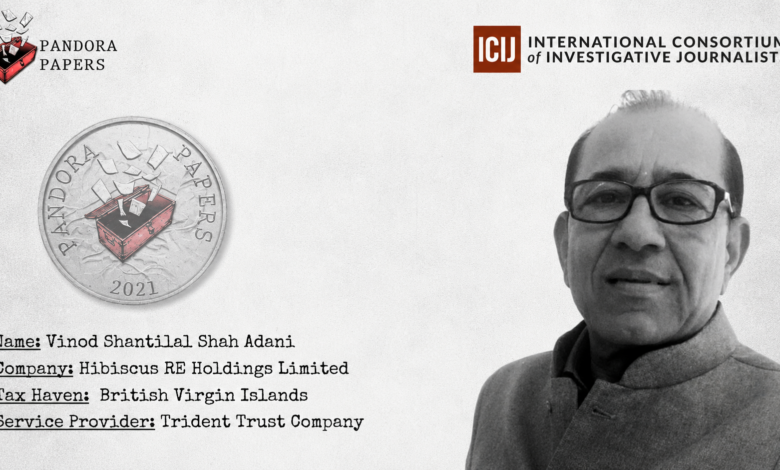
Vinod Adani Was Named in the Panama Papers. Where Does the Record Stand?
In January 1994, months after the incorporation of what would become Adani Enterprises Limited, Vinod Shantilal Adani established GA International Inc in the Bahamas. Corporate records from Mossack Fonseca, later examined in the Panama Papers, show that Vinod and his wife Ranjanben Vinod Adani were the two directors and held equal stakes through bearer shares. Mossack Fonseca served as the registered agent.
Two months after formation, according to the same set of documents reported by The Indian Express, a request was made related to a name change involving “Shah.” On 20 April 2005, Vinod and another individual signed a resolution replacing Mossack Fonseca with Overseas Management Company (Bahamas) as registered agent; the transfer was completed on 21 July 2005.
These facts formed the core of Vinod Adani’s appearance in the Panama Papers when the leak became public in April 2016. The reporting did not allege that the 1994 entity itself engaged in illegal activity; it established the existence of the incorporation, the use of bearer shares, the involvement of the Adani family members as directors, and the subsequent agent change.

Vinod Adani has long been described as the family member primarily responsible for the Adani Group’s overseas operations. He is based outside India, holds residency or citizenship arrangements in multiple jurisdictions, and has been associated with a network of companies in Mauritius, the United Arab Emirates, Singapore, Cyprus and Caribbean jurisdictions. Later investigative reporting, including the 2023 Hindenburg Research report and subsequent coverage by outlets such as the Wall Street Journal and Bloomberg, identified dozens of entities linked to him or his associates. These reports alleged that some of the structures facilitated fund movements within the broader Adani ecosystem, including large inter-company loans.
The Broader Numerical Context of India’s Panama Papers Response
Indian authorities investigated 426 unique India-linked entities from the Panama Papers. By mid-2021, official figures indicated that 122 cases were treated as actionable and 304 as non-actionable. Undisclosed credits detected across the India-linked Panama set stood at approximately Rs 20,078 crore at that stage, with taxes recovered then reported at about Rs 142 crore. Invasive actions had been taken in 83 cases, Black Money Act proceedings initiated in 71, and 46 criminal prosecution complaints filed.
By early 2026, the Central Board of Direct Taxes reported that across the Panama, Paradise and Pandora Papers combined, undisclosed foreign income and assets amounting to Rs 14,601–14,636 crore had been “brought to tax.” The Panama Papers portion alone accounted for the large majority of that figure (approximately Rs 13,800 crore). Under the Black Money Act, 1,368 assessments had been completed by December 2025, generating tax and penalty demands exceeding Rs 41,257 crore, with 167 prosecution complaints filed overall.
These aggregate statistics demonstrate sustained enforcement activity. They do not, however, publicly isolate the outcome of any specific file relating to GA International Inc or to Vinod Adani personally. No mainstream reporting or official parliamentary reply has disclosed a final assessment order, demand, settlement, or closure notice uniquely attributable to the 1994 Bahamas company.
Subsequent Scrutiny of Adani Offshore Structures
The 2016 Panama Papers disclosure was not the last time Vinod Adani’s name appeared in connection with offshore vehicles. The 2023 Hindenburg report placed him at the centre of allegations concerning a web of shell entities used, according to the short-seller, to inflate valuations and route funds. Adani Group companies rejected the allegations as baseless and motivated. SEBI conducted investigations into related-party and offshore-fund issues. In September 2025, SEBI issued certain final orders finding specific sets of allegations “not established,” while other matters were reported as still pending at various stages.
Separately, U.S. authorities pursued cases primarily against Gautam Adani and Sagar Adani (not Vinod Adani) arising from alleged bribery related to solar contracts and securities disclosures. In 2026 those criminal charges were dismissed with prejudice after the Department of Justice decided not to devote further resources to the matter. Parallel civil resolutions included an SEC settlement involving penalties of $6 million (Gautam Adani) and $12 million (Sagar Adani) without admission or denial of the allegations, and a $275 million settlement by Adani Enterprises Limited with the U.S. Treasury’s Office of Foreign Assets Control concerning sanctions-related issues.
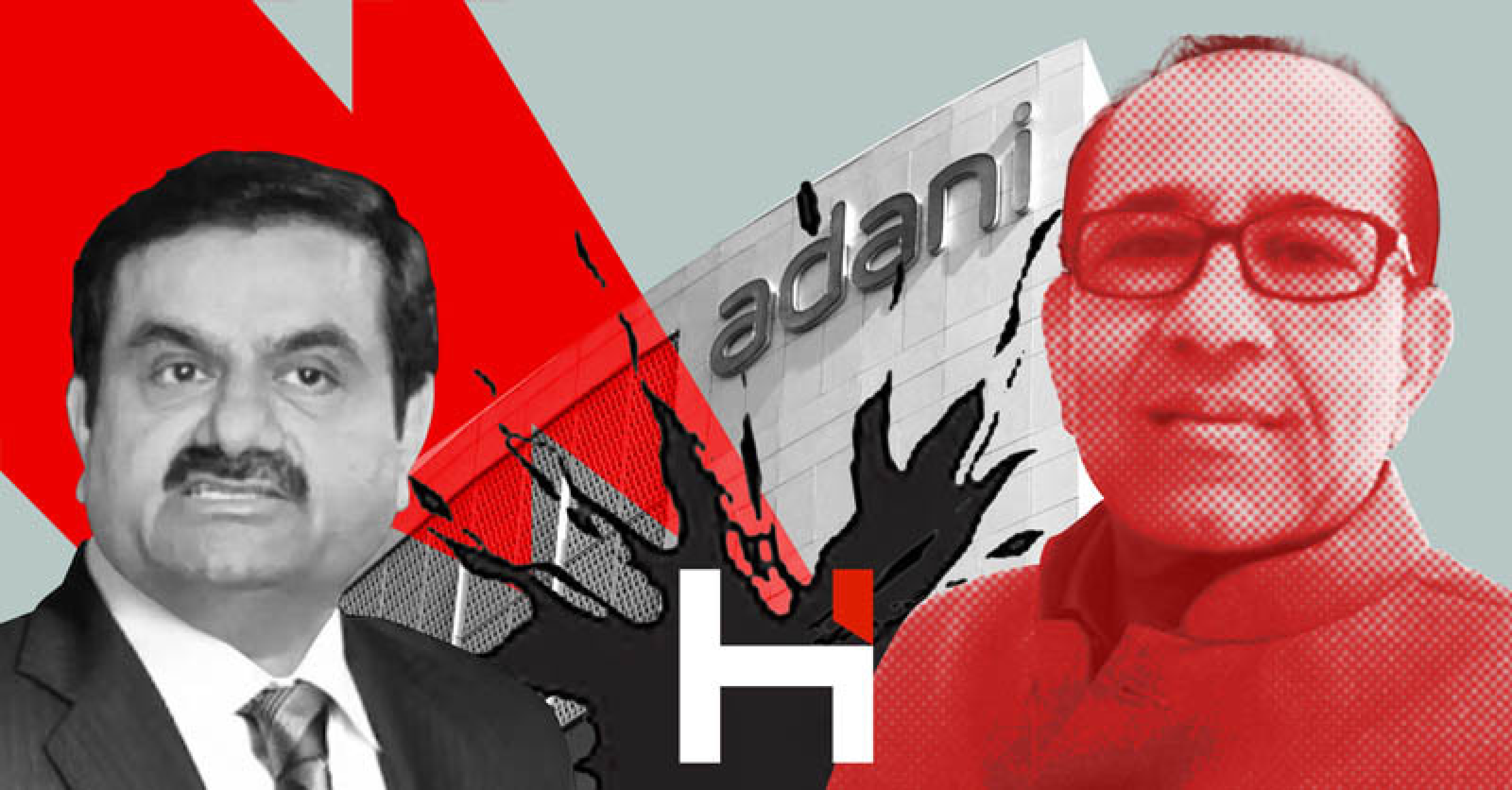
These later developments concern different legal theories, different jurisdictions, and primarily different individuals. They form part of the wider environment of scrutiny surrounding Adani Group offshore arrangements, but they do not constitute a direct continuation or resolution of the 1994 Bahamas incorporation that appeared in the Panama Papers.
What the Public Record Leaves Unanswered
Several precise questions remain open because no public document answers them:
- Was GA International Inc examined by Indian tax authorities under the Black Money Act or the Income Tax Act after the 2016 leak?
- If examined, was it classified as non-actionable, or was any demand raised and later settled or contested?
- Did the change of registered agent in 2005 and the earlier name-related request have any bearing on beneficial-ownership transparency requirements then or later in force?
- How do the bearer-share holdings of 1994 map onto subsequent beneficial-ownership declarations required under evolving Indian and international standards?
The absence of a public adverse finding against the specific 1994 entity is itself a data point. It is equally a data point that the family member most closely associated with overseas structures continues to appear in investigative reporting about fund flows years after the original leak.
The Vinod Adani file illustrates a structural feature of large offshore-leak investigations. The initial disclosure is specific and documentary. The subsequent enforcement process is aggregate and often confidential. Headline recovery numbers grow into the tens of thousands of crores, yet the fate of any single high-profile incorporation frequently remains opaque to the public. This opacity can be defended on grounds of taxpayer confidentiality and the complexity of multi-jurisdictional inquiries. It can also be criticised as leaving the original public interest—transparency about the use of secrecy jurisdictions by prominent business families—only partially satisfied.
Bearer shares, once a common feature of offshore company law, have been progressively restricted or abolished in many jurisdictions precisely because they obscure ownership. Their use in a 1994 Bahamas company controlled by an Indian industrial family, followed by a request linked to a name change and a later agent transfer, raises legitimate questions about the practical effectiveness of beneficial-ownership regimes both then and now. Whether those questions were resolved administratively to the satisfaction of Indian authorities is unknown on the public record.

A decade after the Panama Papers, the Adani Group has expanded dramatically in scale and global reach. Parallel legal and regulatory processes in India and the United States have produced settlements, dismissals, and findings that certain allegations were not established. None of those outcomes, however, has been officially linked in public disclosures to the specific Bahamas entity named in 2016. The documentary trail begins with a clear incorporation date, two directors, bearer shares, and a registered agent. It does not, on currently available information, end with an equally clear public determination.
That incomplete arc is the most accurate summary the data presently allow. Further clarity would require either official disclosure of the file status or the passage of additional years without new revelations—an outcome that itself constitutes a form of resolution by attrition rather than by transparent adjudication.