New Zoonotic Threat? Chinese Scientists Detect Human-Infecting Bat Virus
From wildlife trade to climate change, here’s how emerging viruses threaten global health.

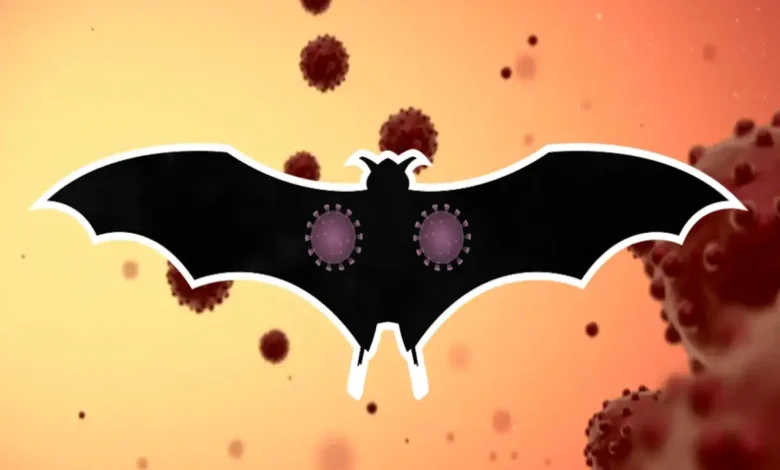
China’s scientific community has discovered a new strain of bat coronavirus that infects humans, raising concerns about zoonotic disease and future pandemics. The discovery, made by researchers studying bat populations in southern China, has gained international attention since the COVID-19 pandemic.
The Discovery of the New Bat Coronavirus
According to reports from Chinese virologists and epidemiologists, the novel coronavirus strain was detected in Rhinolophus bat species, commonly known as horseshoe bats. These bats are well known for carrying coronaviruses, such as the one that caused the 2002–2003 SARS crisis. The newly identified virus shares genetic similarities with SARS-CoV-2, which causes COVID-19, raising concerns among researchers.
Scientists have emphasized that while the virus can potentially infect humans, there is no immediate evidence suggesting that it has already spread to people. However, the virus’s genetic makeup shows that it has the potential to bind to human ACE2 receptors, the duplicate cell entry points that SARS-CoV-2 uses to enter. This finding shows the potential for future spillover risk if care is not taken.
Genetic Similarities and Differences with SARS-CoV-2
The newly discovered bat coronavirus shares approximately 90% of its genetic sequence with SARS-CoV-2. Although this percentage cannot be viewed as a problem in the short term, it does reflect a close evolutionary relationship. Research has examined the virus’s spike protein, which can enter human cells and infect them.
Chinese Academy of Sciences virologist Dr. Liang Wei explained, “The virus has a few mutations in the receptor-binding domain to infect human cells in the lab. Though no human infection has been reported, we must keep it under surveillance at intervals.”
Unlike SARS-CoV-2, the novel virus does not yet show symptoms of rapid human-to-human transmission. However, as is the case with other pandemics, coronaviruses have a tendency to mutate and evolve, some resulting in gargantuan outbreaks.
Concerns About Zoonotic Spillover Events
Scientists have grown concerned about zoonotic infections—infections that are transmitted from animals to humans—and the World Health Organization has consistently warned of the possibility of new viruses spreading from wildlife, specifically bats, which are reservoirs for most harmful pathogens.
The following elements contribute to the high likelihood of zoonotic spillover events:
- Deforestation and Habitat Destruction: As human activities encroach upon natural habitats, bats and other wild animals are forced closer to human populations, increasing the likelihood of viral transmission.
- Wildlife Trade and Consumption: In some regions, live animal markets create conditions where viruses can jump between species, leading to new and unpredictable outbreaks.
- Climate Change: Global warming and environmental change alter animal migration patterns, possibly exposing human populations to new viruses.
Implications for Global Health
The discovery of this new bat coronavirus underscores the importance of continued vigilance in global health surveillance. Scientists and public health officials are urging governments to strengthen their disease monitoring systems to detect potential outbreaks before they occur.
Dr Sarah Bennett, an infectious disease expert from the University of Oxford, commented, “We are in an era where new viruses will continue to emerge. Our ability to track, analyze, and contain these threats will determine whether we can prevent future pandemics.”

Some key measures being proposed to mitigate risks include:
- Enhanced Surveillance: Increased monitoring of bat populations and their interactions with humans.
- Stricter Wildlife Trade Regulations: Reducing the sale and consumption of wildlife that carries zoonotic pathogens.
- Early Detection Systems: Strengthening healthcare infrastructure to quickly identify and respond to novel infections.
- Public Awareness Campaigns: Informing communities about reducing direct contact with animals and enhancing proper hygiene behaviors.
Lessons from the COVID-19 Pandemic
The COVID-19 pandemic demonstrated the devastating impact a novel coronavirus can have on global health, economies, and societies. Governments and scientific communities worldwide are applying the lessons learned from COVID-19 to better prepare for future outbreaks. Some critical takeaways from the pandemic include:
- The Importance of Rapid Response: Nations that put in place early lockdowns and testing protocols managed to keep the virus under better control.
- Vaccine Development: The record pace of vaccine development during COVID-19 has raised the bar on how fast new vaccines can be developed.
- International Collaboration: Sharing scientific information and resources between nations played a vital role in fighting COVID-19 and will be significant in tackling future outbreaks.
China’s Response to the Discovery
The Chinese government has responded proactively to worries regarding the novel bat coronavirus. The nation has boosted funding for virology research and taken tighter controls to manage wildlife trade. Laboratories all over China are carrying out more research to grasp the virus’s possible threat to human health. Laboratories across China are conducting further studies to understand the virus’s potential risk to human health.
China’s Center for Disease Control (CDC) has issued guidelines for enhanced monitoring of bat populations and has emphasized the need for global cooperation in preventing zoonotic disease outbreaks.
What Comes Next?
Although the newly found bat coronavirus does not represent an instant danger, the incident reminds us that new pathogens will keep surfacing. The international scientific community must keep watch and invest in research and readiness in order not to have more pandemics.
For the population, ongoing watchfulness and adherence to health measures are required. Avoiding direct contact with wildlife, contributing financially to worldwide health efforts, and lobbying for green policies all minimize the risks of future outbreaks. While scientists press on with their studies, the world holds its breath in anticipation of learning from the past in preparation for tomorrow’s problems.