The Truth Behind Raj Thackeray’s Ganga Jal Stance: Sacred Yet Contaminated?
MNS Chief Raj Thackeray’s Refusal to Drink Ganga Jal Sparks Religious and Political Uproar Amid Scientific Concerns Over Water Quality

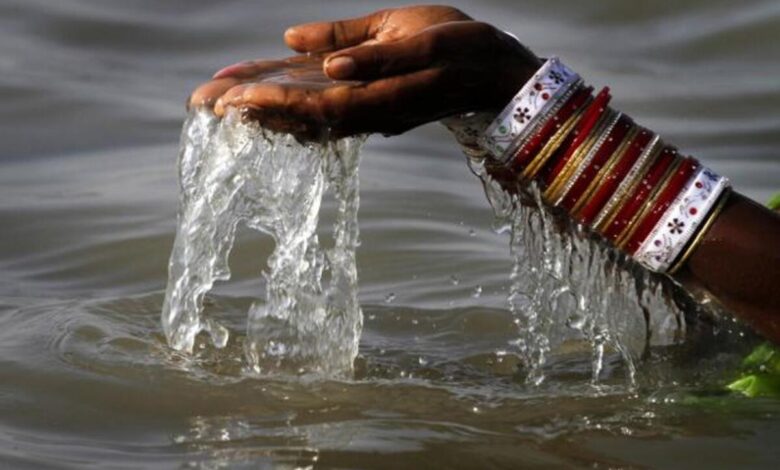
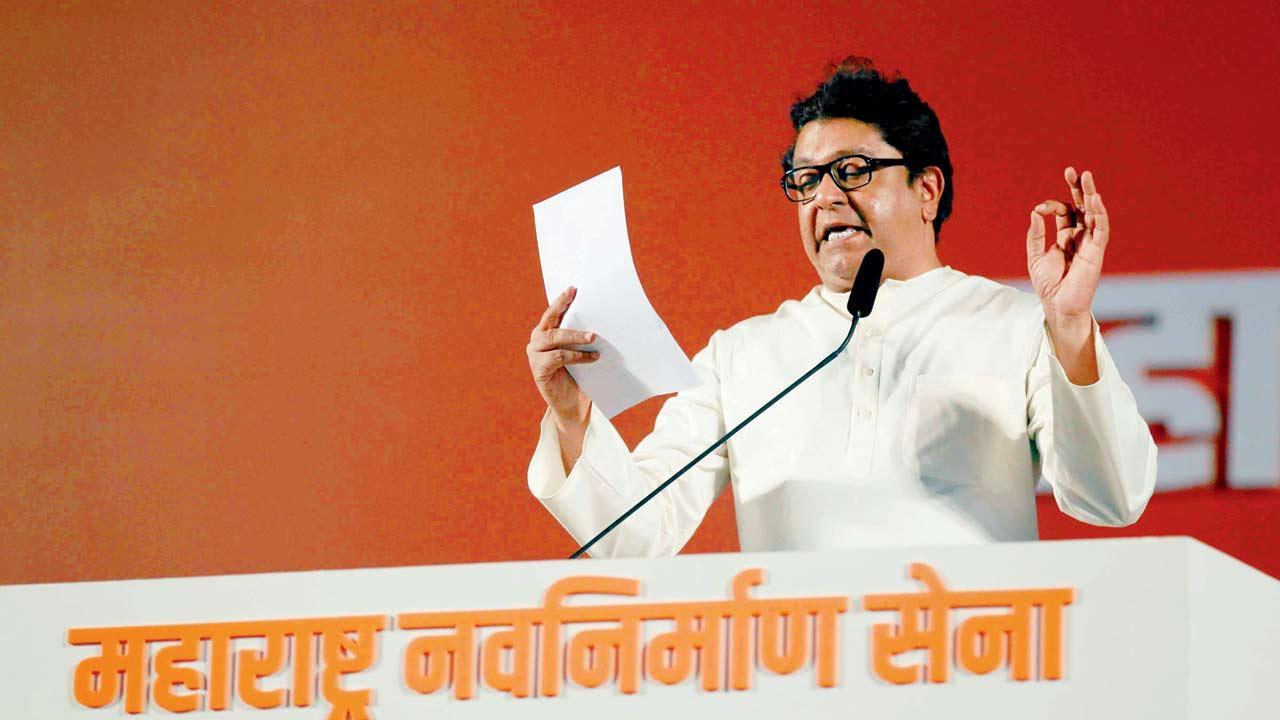
Raj Thackeray, head of Maharashtra Navnirman Sena (MNS), is again in the limelight for controversy after openly declaring that he didn’t consume the Ganga Jal from Maha Kumbh Mela. His declaration has triggered political and religious debate, with numerous questions about his action and what it signifies to Hindu traditions. However, a scientific study of water quality, particularly the findings of the Indian Veterinary Research Institute (IVRI), suggests that Thackeray’s stance can be founded on logical reasons and not on total disregard for religious feelings.
The Controversy: Thackeray’s Statement and Public Backlash
In one of his recent speeches, Raj Thackeray declined to consume Ganga Jal fetched from the Maha Kumbh Mela on purity and safety issues. His statement did not sit well with certain political and religious factions, who accused him of insulting Hindu rituals. The majority of worshippers believe that Ganga Jal is holy and possesses spiritual and cleansing virtues. The Ganges water is drunk in religious rituals and is also consumed as a blessing from God.
But Thackeray’s position is a question of relevance: Do religious beliefs trump scientific concerns, particularly on public health issues? His choice not to consume Ganga Jal aligns with recent IVRI findings, which raised water quality concerns at the Maha Kumbh Mela.
IVRI Report: The Scientific Evidence on Ganga Jal Quality
The Indian Veterinary Research Institute (IVRI) has recently conducted a test of the water samples collected from the Maha Kumbh Mela, and it detected abhorrent amounts of contamination. The water was tested to contain excessively high concentrations of bacteria, toxic pathogens, and industrial effluents and was not potable. The report specifically warned of the occurrence of coliform bacteria, an indicator of health‘s faecal pollution.
IVRI results are in congruence with earlier studies undertaken by environmental departments, which have consistently indicated that the Ganges’ water quality has declined because of industrial effluent discharge, the release of sewage, and heavy human load during significant events such as the Maha Kumbh Mela. The study indicates that although the river is holy for Hindus, the water quality has been immensely affected in most areas, particularly during such significant events when many devotees attend.
Wisdom Above Sentiment: Prioritizing Health and Safety
Religious customs have a significant role in shaping cultural identity and social unity. But knowledge and prudence must prevail when public health is at stake. Faith in the purity of Ganga Jal is a firm Hindu belief, but scientific evidence shows that consuming untreated Ganges water can be severely debilitating, causing gastrointestinal infections, cholera, and other waterborne diseases.
While religion plays an important role, it cannot be done so at the cost of well-being. Raj Thackeray’s refusal to drink Ganga Jal cannot be taken as an insult to religious sentiments but as an appeal to accept scientific facts. If water testing confirms contamination, it is only reasonable to exercise caution.
The Role of Authorities: Need for Sustainable Solutions
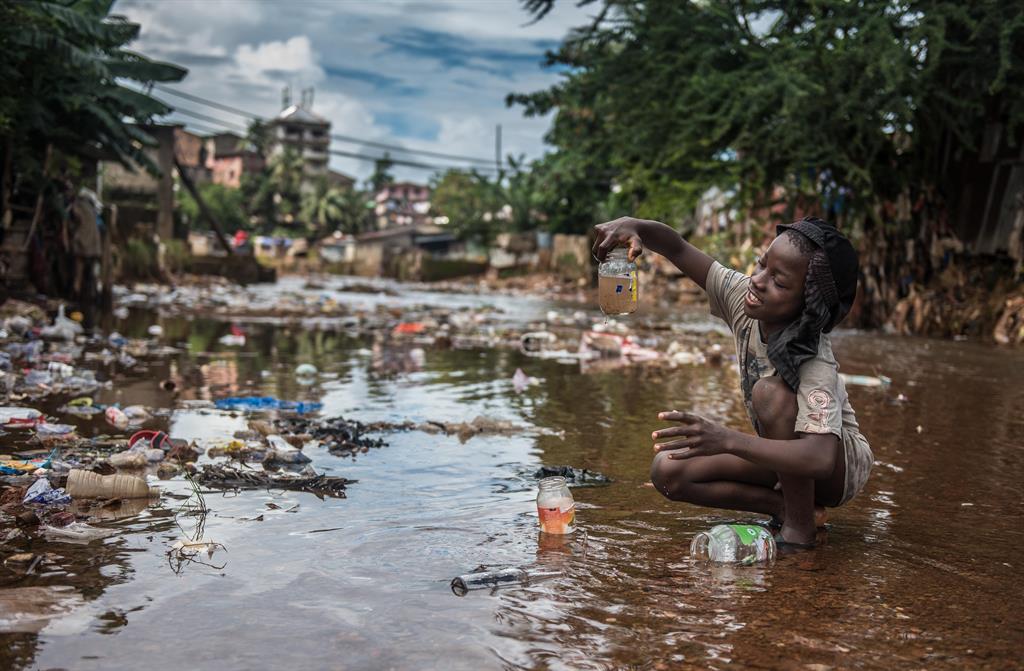
The outrage over Thackeray’s remarks also raises a larger question—why are the sacred Ganges still struggling with pollution despite repeated attempts by the government? The Namami Gange project, launched by the central government to clean the river of dirt, has been partially successful in some sections. Still, there are reports that high pollution levels persist in many areas.
The government must provide more effective controls over industrial waste disposal, sewage treatment, and anti-pollution measures, especially during festivals like the Maha Kumbh Mela, when water usage is at its peak. Efficient filtration and purification systems must be installed so the devotees can drink and use Ganga Jal without creating health risks.
Political and Religious Reactions
And then subsequently after Raj Thackeray made that statement, political as well as religious leaders joined in unanimously condemning it as being an insult to Hinduism. Even some organizations condemned it and called for an apology. But part of the whole population and experts applauded his move, and they said that blind faith never preceded scientific mind.
The controversy also shows a larger conflict of ideologies between the new rationalism and the old religions. In the contemporary world of rapid change, with information and scientific discoveries at hand, it is better to make use of reasoning in decision-making rather than adhering to practices which can be detrimental to one’s health.

A Balanced Approach
The refusal of Raj Thackeray to drink Maha Kumbh Mela’s Ganga Jal needs to be looked at from scientific facts and not as an attack on religious beliefs. The findings of the IVRI and other environmental studies provide a strong rationale for being careful while drinking untreated river water. Instead of looking at this issue as a challenge to religion, society needs to focus on improving the quality of Ganga Jal through green initiatives.
Spiritual sentiments should be respected but can never come above reason, knowledge, and scientific facts. The storm raised by Thackeray’s statement can be a pretext for discussing water pollution issues and ensuring that health and faith are in accord. Once and for all, the true purpose of any religious practice is to provide more human welfare, not to destroy it.