
Infertility affects approximately one in six couples worldwide, and India is no exception to this trend. An estimated 27.5 million couples in India are actively seeking fertility treatment, making the country’s assisted reproductive technology (ART) sector one of the fastest-growing healthcare verticals in the subcontinent. The passage of the Assisted Reproductive Technology (Regulation) Act in 2021 and the Surrogacy (Regulation) Act in the same year have brought much-needed legal structure to the sector, raising clinical standards, increasing patient protection, and — perhaps most importantly — giving prospective patients a more reliable framework for evaluating the legitimacy and quality of clinics they approach.
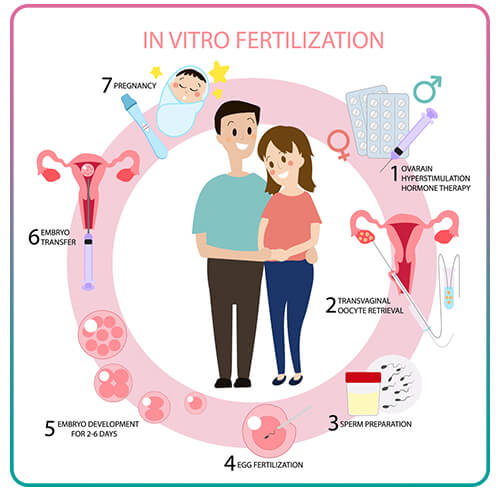
In vitro fertilisation, or IVF, is the most widely sought fertility treatment in India, offering hope to couples dealing with a range of diagnoses — from blocked fallopian tubes and male factor infertility to diminished ovarian reserve, endometriosis, and unexplained infertility. Choosing the right IVF clinic is one of the most consequential decisions a couple will make, touching their finances, their emotional wellbeing, and ultimately their chances of building the family they want.
This guide presents the top 10 IVF clinics in India in 2026 — evaluated on clinical success rates, specialist expertise, laboratory quality, geographic accessibility, patient care philosophy, and overall transparency. All clinics listed are actively operational and in good regulatory standing.
What Success Rate Actually Means — and Why You Should Look Beyond It
Before diving into the list, it is worth pausing on the metric that most couples look at first: success rate. In fertility medicine, success rates are typically reported as the percentage of IVF cycles that result in a clinical pregnancy or live birth, and they vary enormously depending on patient age, diagnosis, embryo quality, and whether the rate reflects fresh transfers, frozen transfers, or cumulative cycles.
A clinic reporting a 70% success rate using donor eggs in patients under 35 is telling a very different story from one reporting 55% success in patients over 40 using their own eggs. Always ask clinics to share success rates stratified by age group and clinical indication — reputable clinics will provide this data readily.
1. Nova IVF Fertility
Founded: 2011 | Headquarters: Ahmedabad, Gujarat | Centres: 85+ across India
Nova IVF Fertility is the largest dedicated fertility chain in India, with more than 85 clinics spread across major metros and Tier-2 cities. Its scale is not simply a commercial achievement — it represents a delivery infrastructure that allows the chain to maintain standardised clinical protocols, centralised embryology training, and consistent laboratory quality metrics across every centre in its network. Nova is backed by a collaboration with Sweden’s Vitrolife group, which has brought international reproductive medicine expertise and laboratory technology to its Indian operations.
In 2026, Nova IVF’s clinical programme covers the full spectrum of ART services — IVF, ICSI (intracytoplasmic sperm injection), IUI, PGT-A (preimplantation genetic testing for aneuploidies), egg freezing, donor programmes, and fertility preservation for cancer patients. Its published success rates are among the most transparently reported in the Indian market, broken down by age group and treatment type, which gives prospective patients a genuinely useful baseline for comparison. Nova’s widespread presence across cities including Mumbai, Bengaluru, Kolkata, Ahmedabad, Pune, and Hyderabad means that patients do not always need to relocate for treatment, which is a meaningful practical advantage.
2. Indira IVF
Founded: 2011 | Headquarters: Udaipur, Rajasthan | Centres: 130+ across India
Indira IVF has built what is arguably the most extensive fertility clinic network in India by centre count, with over 130 clinics spanning 100+ cities. Its founding mission — making IVF accessible and affordable for couples in Tier-2 and Tier-3 India — has shaped its entire operating model, from standardised treatment protocols and transparent pricing to telemedicine consultations that allow patients in remote areas to begin their diagnostic journey without travelling to a metro city.
Indira IVF’s particular strength is its democratisation of fertility care. It has invested significantly in keeping treatment costs accessible without compromising on laboratory quality, and its standardised training programmes for embryologists and fertility specialists across the network ensure that a couple in Jodhpur receives clinically equivalent care to one in Delhi. In 2026, the chain has also expanded its genetic counselling services and PGT offerings, reflecting the growing demand among couples for chromosomally screened embryo transfers that maximise the likelihood of a healthy pregnancy with each cycle.
3. Manipal Fertility
Founded: 1991 (as part of Manipal Hospitals) | Headquarters: Bengaluru, Karnataka
Manipal Fertility is the reproductive medicine and fertility division of Manipal Hospitals, one of India’s most respected hospital groups. Operating from Manipal’s network of tertiary care hospitals across Karnataka, Goa, Vijayawada, and other cities, Manipal Fertility benefits from being embedded within full-service hospitals — a structural advantage that matters enormously for patients with complex medical histories or comorbidities where fertility treatment intersects with other specialties such as endocrinology, oncology, or cardiology.
The fertility specialists at Manipal are predominantly senior consultants with post-doctoral training in reproductive medicine from reputed institutions, and the chain’s embryology laboratories are equipped with time-lapse incubation systems (EmbryoScope) that allow continuous, non-invasive monitoring of embryo development without removing embryos from optimal culture conditions. For patients who have experienced recurrent implantation failure or recurrent pregnancy loss, Manipal Fertility’s access to multidisciplinary hospital infrastructure is a clinically meaningful advantage that standalone fertility clinics cannot replicate.
4. Apollo Fertility
Founded: Part of Apollo Hospitals, established 1983 | Headquarters: Chennai, Tamil Nadu
Apollo Fertility is the ART division of Apollo Hospitals, India’s largest private hospital network, and it brings to fertility care the same institutional credibility, clinical governance, and technology investment that has made Apollo a benchmark for healthcare quality in India. Apollo Fertility clinics operate within or alongside Apollo’s hospital network, giving patients access to allied specialties — reproductive immunology, reproductive genetics, urology, and surgical gynaecology — under the same roof.
Apollo’s international patient services infrastructure is a particular differentiator for the substantial number of NRI and overseas patients who travel to India specifically for IVF treatment, where the cost advantage over Western markets can be 60–80% even after accounting for travel and accommodation. Apollo’s Joint Commission International (JCI) accreditation at multiple facilities provides independent quality assurance that particularly resonates with international patients. In 2026, Apollo Fertility has expanded its fertility preservation and oncofertility programmes significantly, helping cancer patients freeze eggs or embryos before starting treatment that might affect their reproductive capacity.
5. Oasis Fertility
Founded: 2013 | Headquarters: Hyderabad, Telangana | Centres: 15+ across South India
Oasis Fertility has established itself as one of the most clinically sophisticated fertility chains in South India, built on a foundation of published research, outcome transparency, and a genuine commitment to evidence-based practice. Founded by Dr. Durga Gedela, a well-regarded reproductive endocrinologist, Oasis has grown from a single Hyderabad clinic to a multi-city network serving patients across Telangana, Andhra Pradesh, Tamil Nadu, and Karnataka.
What makes Oasis particularly respected among fertility specialists in India is its consistent participation in peer-reviewed research and its willingness to adopt technologies — ERA (Endometrial Receptivity Analysis), IMSI (intracytoplasmic morphologically selected sperm injection), and PGT-M (preimplantation genetic testing for monogenic disorders) — based on evidence rather than marketing appeal. Its success rates in patients with poor ovarian reserve and recurrent implantation failure are particularly well-regarded, and the chain’s reputation for honest patient counselling — including frank conversations about when IVF is unlikely to succeed — has built a level of patient trust that is difficult to manufacture and impossible to fake.
6. Milann — The Fertility Centre
Founded: 2009 | Headquarters: Bengaluru, Karnataka
Milann, founded by Dr. Kamini Rao (one of India’s most celebrated reproductive medicine pioneers), is one of the most respected fertility brands in India. The institution is recognised as one of the pioneers in establishing embryology as a recognised clinical discipline in the country, and Milann is a heritage of clinical excellence that newer chains may find difficult to replicate. The brand currently operates clinics in Bengaluru, Delhi-NCR, and Mumbai, maintaining a deliberate focus on quality over network expansion.
Milann’s clinical programme is notable for its strength in fertility treatments for older women, poor responders, and patients with complex diagnoses — cases that many clinics quietly decline in favour of better-prognosis patients who improve aggregate success rate statistics. Its embryology laboratory, which has been operating for over 15 years, has accumulated the kind of technical depth and institutional memory that only comes with sustained experience. For patients with challenging diagnoses or a history of IVF failure elsewhere, Milann’s willingness to take on complex cases and its experienced clinical team make it one of the most valuable referral destinations in India.
7. Cloudnine Fertility
Founded: 2007 (Cloudnine Hospitals) | Headquarters: Bengaluru, Karnataka
Cloudnine is primarily known as India’s largest specialty hospital chain for women and children, and its fertility division benefits from the seamless integration with its obstetrics, neonatal intensive care, and paediatric specialties. For couples undergoing IVF, the continuity of care from fertility treatment through pregnancy, delivery, and newborn care within a single hospital ecosystem is genuinely valuable — particularly for those with high-risk pregnancy factors that make proximity to a capable NICU a practical consideration rather than an aspiration.

Cloudnine Fertility operates from the chain’s hospital network across Bengaluru, Mumbai, Delhi-NCR, Hyderabad, Chennai, and Pune, and its clinical protocols are designed around the hospital’s broader philosophy of evidence-based, patient-centred care. Its fertility specialists are integrated into the same multidisciplinary team structures that govern obstetric care at Cloudnine, which facilitates the kind of clinical communication between fertility and obstetric specialists that is often fragmented when these services are delivered by separate providers.
8. Fortis Bloom IVF
Founded: Part of Fortis Healthcare, established 1996 | Headquarters: New Delhi
Fortis Bloom IVF is the dedicated fertility brand of Fortis Healthcare, one of India’s leading private hospital networks. Operating from Fortis hospitals across Delhi-NCR, Chandigarh, Kolkata, Bengaluru, and other cities, Fortis Bloom brings the institutional backing, clinical governance frameworks, and specialist depth of a major hospital group to fertility care. Its senior reproductive medicine consultants include several physicians who have trained at international centres of excellence in the United Kingdom, the United States, and Australia.
Fortis Bloom’s integration with Fortis Healthcare’s hospital infrastructure gives it particular strength in managing complex ART cases — patients with uterine anomalies requiring surgical correction, those needing fertility treatment following cancer therapy, or couples where male factor infertility requires microsurgical sperm retrieval techniques like TESA or PESA. In 2026, Fortis Bloom has also expanded its andrology services, reflecting a growing recognition that male factor infertility is responsible for approximately half of all infertility diagnoses and deserves dedicated clinical attention rather than afterthought treatment.
9. Medicover Fertility
Founded: 2014 in India (Medicover Group established 1995) | Headquarters: New Delhi
Medicover Fertility is the Indian arm of the European Medicover Group’s fertility division, which operates fertility clinics across Poland, Hungary, Germany, and several other European markets. The European parentage brings meaningful benefits to Medicover Fertility’s India operations: standardised clinical protocols validated across thousands of cycles across multiple countries, access to European embryology training methodologies, and a quality management system that aligns with international clinical standards.
Medicover Fertility’s India clinics, operating primarily in Delhi-NCR, Noida, and other North Indian cities, have built a reputation for transparent pricing, structured patient counselling, and the kind of systematic clinical documentation that allows for genuine quality improvement over time. Its focus on the North Indian market, where fertility awareness and access to quality ART services have historically lagged behind the South Indian and western Indian metros, makes it a particularly important clinical resource in its geography. Medicover Fertility is fully operational, backed by its stable European parent, and carries no regulatory concerns as of mid-2025.
10. Rainbow Fertility (Rainbow Children’s Hospital)
Founded: 1999 (Rainbow Hospitals) | Headquarters: Hyderabad, Telangana
Rainbow Children’s Hospital is primarily recognised as one of India’s finest paediatric and neonatal care providers, but its fertility division — operating as Rainbow Fertility — has built a strong clinical reputation in its own right, particularly in Hyderabad and the broader Telugu-speaking market. Rainbow Fertility’s co-location with Rainbow’s exceptional neonatal intensive care capability creates an integrated care environment that is particularly reassuring for couples who have experienced pregnancy complications or premature birth in previous cycles.
Rainbow Fertility’s senior team includes reproductive medicine specialists who have trained at premier institutions in India and internationally, and its embryology laboratory operates with the quality discipline expected of a hospital group that holds itself to high standards across every clinical service it delivers. Rainbow Hospitals is listed on Indian stock exchanges and operates transparently as part of a well-governed hospital group with no reported regulatory or legal concerns. For patients in Hyderabad and South India seeking a fertility clinic embedded within a trusted, full-service paediatric and maternal health ecosystem, Rainbow Fertility is a natural and well-justified choice.
Key Factors to Evaluate When Choosing an IVF Clinic in India
Beyond the brand names and success rate figures, there are several practical dimensions that significantly predict the quality of your experience and your clinical outcome. First, ask about your specific doctor’s personal success rates — not just the clinic’s aggregate numbers — because in fertility medicine the individual specialist’s expertise, particularly in ovarian stimulation protocols and embryo transfer technique, can be as important as laboratory quality. Second, visit the embryology laboratory if possible.
A well-run IVF lab will have stringent air quality controls, temperature-stable incubators, documented protocols, and a certified embryologist leading operations. Third, evaluate the quality of the counselling process. A clinic that rushes you through a 15-minute consultation and recommends IVF before thoroughly exploring your history, running diagnostics, and discussing less invasive options is not acting in your best interest.
Finally, understand the full cost of a cycle — including monitoring ultrasounds, medications, laboratory procedures like ICSI or PGT if required, and cryopreservation of surplus embryos — before committing to treatment. Transparent, itemised cost estimates are a marker of clinical integrity, and clinics that resist providing them deserve careful scrutiny.
Conclusion
India’s IVF landscape in 2026 is genuinely world-class across its best institutions — offering clinical expertise, laboratory technology, and procedural volumes that compare favourably with leading fertility centres globally, at a fraction of the cost that patients in Western markets face. The ten clinics on this list represent the most credible and well-regarded fertility care providers in the country, spanning large accessible chains, hospital-embedded programmes, and specialist boutique clinics that handle complex cases with exceptional depth. Wherever you are in your fertility journey, beginning with thorough research, honest questions, and realistic expectations is the most important step you can take — and choosing a clinic from this list gives you a foundation of clinical credibility to build upon.

Information in this article is based on publicly available clinical programme descriptions, hospital group disclosures, and healthcare industry reports available through mid-2025. Success rates and service availability change over time; prospective patients are strongly encouraged to consult directly with their chosen clinic and, where appropriate, seek a second medical opinion before commencing treatment.