
India has cemented its position as the world’s third-largest start-up ecosystem, boasting dozens of unicorns (startups valued over $1 billion). As of 2025, India counts 73 unicorns, up from just a single unicorn in 2011, reflecting an extraordinary decade of growth. Recently, the ASK Private Wealth–Hurun India Unicorn Report 2025 revealed the top 10 most valuable private startups in India, spanning industries from fintech and e-commerce to SaaS and hospitality.
These ten startups are not only financial powerhouses with multi-billion dollar valuations, but also engines of innovation, large-scale employment, and social impact. Below, we dive deep into each of these leading startups, examining their financials and valuation, their innovation and growth strategies, the leadership behind them, and how they are making a difference. The tone is one of praise for their achievements (without undue flattery), aiming to highlight why each company has earned its spot at the top of India’s startup landscape.
Zerodha: Democratizing Retail Investing in India
Valuation: $8.2 Billion
Founded: 2010 in Bengaluru, by brothers Nithin Kamath and Nikhil Kamath
Sector: Fintech (Discount Stock Brokerage)
Zerodha sits proudly as India’s most valuable startup with a valuation of $8.2 billion. This fintech pioneer has revolutionized stock trading for millions of Indians by democratizing access to investing. When Zerodha launched in 2010, the idea of a brokerage offering ultra-low fees was unheard of; traditional brokers charged high commissions that kept many small investors out of the market.
Zerodha changed that paradigm with a simple, disruptive model of zero brokerage on equity investments and a flat ₹20 fee on trades. By charging a minimal flat fee instead of a percentage commission, Zerodha significantly reduced trading costs for retail investors, attracting a new generation of participants to India’s stock markets. In fact, Zerodha’s very name is a portmanteau of “zero” and rodha (Sanskrit for barrier), reflecting its mission to remove barriers to investing.
From humble beginnings, the company has grown into India’s largest retail broker. As of mid-2024, Zerodha has 7.5 million active customers trading on the National Stock Exchange, the second-highest of any broker. (At one point in late 2022, the platform had nearly 10 million users, highlighting its rapid growth.) This massive user base translates into outstanding financial performance. Zerodha is not just valuable on paper, it’s highly profitable, a rarity in the startup world.
In the fiscal year 2023–24, Zerodha’s revenue jumped 21% to about ₹8,320 crore, and net profit soared 61.5% year-on-year to ₹4,700 crore (approximately $650 million). To put that in perspective, if Zerodha were a listed company, its profit would place it among the 70 or so most profitable firms in India. The company’s profit margins are enviable, and it has achieved all this without any external VC funding. The Kamath brothers bootstrapped Zerodha and still own 100% equity. This self-made approach has allowed them to focus on sustainable growth over hype, earning respect across the industry.
Innovation and Leadership: Zerodha’s success is built on continuous innovation in product and a customer-first ethos championed by its founders. CEO Nithin Kamath, a vocal advocate of investor education and prudent trading, has ensured Zerodha is more than just a trading platform. The company developed an entire ecosystem of tools:
Kite, a sleek trading app;
Coin, a direct mutual funds platform; and
Varsity, an open online education portal that has become a go-to resource for learning about stocks and finance.
By spreading financial literacy and transparency, Zerodha has empowered thousands of first-time investors. The leadership’s commitment to a sustainable business model focusing on profitability and customer trust rather than chasing sky-high valuations has set Zerodha apart. It became a unicorn via an ESOP buyback in 2020 at a self-assessed $1 billion valuation, and has since grown eight-fold in value due to its solid fundamentals.
The Kamath brothers also exhibit forward-thinking in expanding Zerodha’s horizons. The company launched its own asset management company (AMC) in 2023, introducing low-cost index mutual funds. It has also started Rainmatter, an incubator and fintech fund, investing in other promising startups (such as smallcase and Cred) and even a Rainmatter Climate initiative to fund green projects. Such efforts show Zerodha’s broader vision of contributing to the fintech ecosystem and society. In 2024, Zerodha even announced a FOSS (Free and Open-Source Software) fund, pledging up to $1 million annually to support open-source developers, which is a move that earned admiration from the tech community.
Growth Strategy: Zerodha’s growth strategy has been strikingly unconventional. It has done minimal advertising, relying instead on word-of-mouth from satisfied users and a reputation for excellent product experience. By keeping costs low and technology in-house, Zerodha grew organically and profitably. The firm has been cautious about expansion beyond core offerings; however, it is now leveraging its strong base to venture into adjacent domains like loan against securities, insurance, and margin funding, as noted by Nithin Kamath.
This strategy of gradual diversification ensures that Zerodha’s growth is sustainable. Even as regulatory changes in trading pose challenges, the company’s large capital reserves (years of retained profits mean Zerodha’s net worth covers nearly 40% of all its client assets held, making it one of the safest brokers) give it resilience. The company is well-prepared to weather headwinds while continuing to innovate for its users.
Social Impact: Zerodha’s impact on Indian society is significant. By slashing the cost of investing and simplifying online trading, Zerodha has brought millions of middle-class Indians into the equity markets, many for the first time. This democratization of investment can help individuals participate in wealth creation and improve financial inclusion. Moreover, through initiatives like Varsity (free education) and campaigns cautioning investors against fraud and excessive risk, Zerodha has promoted responsible investing habits.
The company’s success has also inspired a wave of fintech innovation in India, paving the way for dozens of other startups in digital finance. Notably, Zerodha’s huge profits contribute substantially to the exchequer in taxes and have enabled the founders to support philanthropic causes. Overall, Zerodha is a shining example of a startup that achieved scale and value by doing well and doing good, making stock markets accessible to the masses while building a robust, ethical business. The praise it earns is well-deserved for proving that Indian startups can thrive by focusing on customer value and sustainability.

Razorpay: Powering Digital Payments for a New Economy
Valuation: $7.5 Billion
Founded: 2014 in Bengaluru, by Harshil Mathur and Shashank Kumar
Sector: Fintech (Payments Gateway and Neobanking)
Hot on Zerodha’s heels in the valuation charts is Razorpay, valued at $7.5 billion and celebrated as a fintech leader in digital payments. In less than a decade, Razorpay has grown from a fledgling startup (it was part of the famed Y Combinator accelerator in 2015) into the backbone of online payments for millions of businesses in India. The company’s core offering, a payment gateway that allows merchants to easily accept online payments from customers, was revolutionary in a country where, until the mid-2010s, integrating digital payments was cumbersome and limited.
Razorpay’s platform made it plug-and-play for even small merchants to start accepting credit cards, net banking, mobile wallets, and later UPI payments, through a simple integration. This proved transformative as India’s digital economy took off. Today, Razorpay is enabling businesses across industries to process transactions seamlessly, capturing over half of India’s online payment gateway market share and partnering with over 60% of India’s tech startups including household names like Swiggy and Ola.
Financial Performance: Razorpay’s rise is reflected in its robust financial growth. The company’s operating revenue crossed ₹2,475 crore in FY2023-24, up from ₹2,279 crore the previous year. While Razorpay initially prioritized expansion over short-term profits, it achieved a notable milestone by turning profitable recently. In FY24, Razorpay posted a modest profit of ₹33.5 crore, a small but symbolic number, as it proved the business model can generate bottom-line gains. The leadership has set ambitious targets going forward; Razorpay is reportedly eyeing $1 billion in revenue by 2026 as it prepares for a potential IPO.
By 2025, the company had raised substantial capital (over $850 million in total funding) to fuel growth, including a Series G round of $100 million that pushed its valuation to around $9 billion. (The Hurun Report pegs it at $7.5B, reflecting a conservative view or market corrections.) What’s unquestionable is Razorpay’s scale. The platform has onboarded over 12 million merchants as of 2025, ranging from tiny home-based businesses to large enterprises. It processed about $210 billion in total payment volume in 2025, growing 40% year-on-year, which is an astonishing figure that underscores how integral Razorpay has become to India’s cashless economy.
Innovation and Growth Strategy: Razorpay’s success can be attributed to constant innovation and expansion of its product suite beyond just payment processing. Founders Harshil Mathur and Shashank Kumar, both engineers have envisioned Razorpay as a full-stack financial services partner for businesses. Consequently, the company introduced Razorpay X, a neo-banking platform offering businesses digital bank accounts, payroll services, and expense management.
As of 2025, RazorpayX Payroll supports 40,000+ businesses in managing salaries and compliance. Razorpay also ventured into lending with Razorpay Capital, providing working capital loans to its merchant base. By 2025, it had disbursed over $620 million in business loans to help small firms grow. Another innovation, Magic Checkout, tackles e-commerce cart abandonment by offering a 1-click checkout across merchant sites, boosting conversion rates by 22% for online retailers. By rolling out such adjacent services, Razorpay significantly increased its value to customers (and its own revenue streams, such as subscription revenue which surged 60% YoY).
Geographically, Razorpay has begun expanding beyond India. It launched operations in the Middle East and Southeast Asia, establishing a presence in markets like UAE and Malaysia. Strategic acquisitions have supported this growth. For instance, acquiring a Malaysian fintech Curlec in 2022 to enter SEA, and picking up India-based startups like TERA Finlabs (for credit) and Ezetap (for offline POS payments) to strengthen capabilities.
The growth strategy is clear that be the go-to platform for all digital financial needs of businesses, from payments and banking to credit and beyond. By doing so, Razorpay increases merchant stickiness (its merchant retention rate is an impressive 94%) and stays ahead of competitors. Even global players like Stripe acknowledge Razorpay’s dominance in India’s payment gateway space.
Leadership and Culture: The leadership duo’s journey starting Razorpay right out of college (both are alumni of IIT Roorkee), and steering it through hyper-growth is often lauded. Harshil and Shashank are known for fostering a culture of customer-centricity and innovation. They have been vocal about building a “payments experience” that just works effortlessly, allowing even non-technical merchants to go digital.
Under their guidance, Razorpay navigated challenges like India’s fast-changing regulatory environment for fintech and security mandates, always adapting quickly. They’ve also placed emphasis on trust and security, crucial for a financial platform, partnering with banks and complying with RBI’s stringent norms for payment aggregators. Their vision extends to making Razorpay an enduring institution; in interviews, Harshil Mathur has mentioned the intent to take Razorpay public by 2026 and build it as one of India’s iconic fintech startups.
Social Impact: Razorpay’s impact on the broader economy and society is significant. By empowering over 12 million businesses to accept digital payments, it has been a catalyst for India’s transition to a less-cash economy. Small entrepreneurs, who once could only accept cash, can now tap into customers across India (and even globally) thanks to Razorpay’s gateway. This financial inclusion of merchants is a major social win. The timing was fortuitous too as Razorpay scaled up right as UPI and digital wallets took off, helping millions of kirana stores, home-based artisans, and startups to survive and thrive in the digital era.
During the COVID-19 pandemic, Razorpay was instrumental in quickly enabling businesses to go online and accept contactless payments, thus supporting livelihoods in a difficult time. The company also actively supports developer communities (through open APIs and hackathons) and startups (it has an initiative, Razorpay Rize, to mentor early-stage founders). In addition, by simplifying payments, Razorpay indirectly facilitates services like education, healthcare, and e-commerce to reach more people. In summary, Razorpay is not just a fintech unicorn in valuation, it’s a unicorn in impact, fueling the growth of a digital, entrepreneurial India. The accolades it receives are well-earned for a company that powers the transactions of daily life in modern India.

Lenskart: Envisioning a Clear Vision for Millions
Valuation: $7.5 Billion
Founded: 2010 in Delhi (Gurugram), by Peyush Bansal, with co-founders Amit Chaudhary, Neha Bansal, Sumeet Kapahi, and Ramneek Khurana
Sector: E-commerce (Eyewear Retail)
Lenskart has the distinction of being one of India’s most valuable consumer retail startups, valued at $7.5 billion and tied for the second-highest valuation among Indian unicorns. From a scrappy online eyewear seller in 2010 to a household name in Indian eyewear today, Lenskart’s journey is a testament to innovation in a traditional industry. The company set out with a simple yet profound mission to make eyewear affordable and accessible to India’s masses, in a country where a huge number of people have uncorrected vision simply due to cost or availability.
Founder-CEO Peyush Bansal, who left a cushy job at Microsoft to start Lenskart, recognized that buying glasses in India was expensive and inconvenient. Lenskart tackled this by selling prescription glasses and contact lenses online, cutting out middlemen and inventory costs. Over time, it evolved a successful omni-channel model, combining e-commerce convenience with a widespread network of physical stores for a superior customer experience.
Scale and Financials: Today, Lenskart is an omnipresent brand, with over 17,600 employees and operations not just online but across hundreds of retail outlets. The company has built a robust supply chain including its own lens manufacturing and assembly facilities enabling it to offer eyewear at a fraction of the cost of traditional opticians. Financially, Lenskart has grown rapidly through revenue generated by high volumes of eyewear sales.
While detailed revenue figures aren’t public, the company has attracted large investments from the likes of SoftBank, KKR, Temasek, and others over the years. The $7.5B valuation in 2025 follows Lenskart’s expanding footprint in new markets and product lines. In early 2023, for instance, Lenskart raised a $500 million investment from a sovereign fund (ADIA), which it used to fuel international growth. The company has also made strategic acquisitions, most notably buying Japan-based OWNDAYS in 2022, a deal that instantly gave Lenskart a presence in 13 Asian countries. This bold expansion move likely contributed to its high valuation, as Lenskart is no longer just an Indian player but a rising global contender in eyewear.
Innovation and Customer Experience: Lenskart’s innovation spans both technology and business model. On the tech front, it was one of the first retailers in India to introduce 3D Try-On, an augmented reality feature that allows customers to see how frames look on their face through the Lenskart app. This bridged a key gap in online purchase of glasses. The company also pioneered home eye check-up services, dispatching trained optometrists to customers’ homes for free eye tests, an initiative that both built trust and met a crucial need in a country with a shortage of optometrists.
By integrating the entire chain from eye tests to prescription to manufacturing and delivery, Lenskart delivers a seamless experience. Its stores act as experience centers where customers can get personalized help and then either buy on-site or have glasses delivered to their home. Lenskart’s product innovation includes launching its own brands of stylish yet affordable frames and sunglasses, often co-created with fashion icons, thereby appealing to India’s fashion-conscious youth.
Leadership and Growth Strategy: Peyush Bansal’s leadership is often described as mission-driven. He famously said Lenskart’s goal is to eliminate poor vision in India in the coming decades. This sense of purpose permeates the company culture and its growth strategy. Instead of simply chasing sales, Lenskart invested in building capacity, a state-of-the-art manufacturing facility in Delhi can produce millions of glasses a year, making it one of the biggest in Asia. This vertical integration ensures quality control and cost advantage.
On growth, Lenskart has followed a twin strategy of deepening penetration in India and expanding globally. In India, it’s not just the big cities, Lenskart has aggressively expanded into Tier 2 and Tier 3 towns, opening stores even in smaller cities to reach the untapped market of consumers who have never owned prescription glasses.
Internationally, after its success in Asia through OWNDAYS, Lenskart has entered the Middle East and even the US (with a showroom in New York) catering to the South Asian diaspora and beyond. Bansal’s stint as a judge on Shark Tank India also raised Lenskart’s profile, but importantly, it showed his passion for mentoring young businesses, reinforcing Lenskart’s image as a startup that succeeded with sound fundamentals and empathy for customers.
Social Impact: The social impact of Lenskart is immense and heart-warming. By dramatically lowering the cost of eyeglasses (a decent pair from Lenskart can cost a few hundred rupees, whereas earlier it might be several thousands at a boutique optician), Lenskart has made corrective vision affordable for millions. This directly affects quality of life. A child who gets glasses can see the board in school, an elder can read again, and improves productivity and education outcomes. Lenskart often runs initiatives to donate free glasses to those in need (such as the “Gift of Sight” program).
Additionally, Lenskart’s extensive operations have generated employment across skill levels, from retail staff and optometrists to manufacturing technicians and corporate roles. Remember that Lenskart is among the top unicorn employers in India, and in 2025 it was noted as one of the three largest job providers in the startup world (alongside OfBusiness and ed-tech firm PhysicsWallah). The company’s growth thus directly contributes to livelihoods.
Lastly, Lenskart’s success has instilled confidence in India’s ability to build a global B2C brand, it’s often cited alongside brands like Xiaomi or Warby Parker as a case study in scaling retail through tech. In summary, Lenskart deserves praise not just for its $7.5B valuation, but for bringing clear vision to the masses and proving that startups can solve real problems at scale.
Groww: Making Investing Easy and Accessible
Valuation: $7.0 Billion
Founded: 2016 in Bengaluru, by Harsh Jain, Ishan Bansal, Lalit Keshre, and Neeraj Singh
Sector: Fintech (Investment Platform)
In India’s fintech boom, Groww has emerged as a standout success for retail investing, joining the top ranks with a valuation of $7.0 billion. Groww’s premise is simple yet powerful, making investing as easy as shopping online, especially for the younger, tech-savvy generation. Launched in 2016 by a group of ex-Flipkart employees, Groww began as a direct mutual funds platform and later expanded to stocks, digital gold, ETFs, and more.
Essentially, Groww turned the complex, paperwork-laden process of investing into a smooth, app-based experience with an intuitive interface and minimal jargon. This resonated with first-time investors across India. In fact, by late 2024, Groww had leapfrogged to become the largest stockbroker in India by number of active clients, with over 13 million active users on NSE, even surpassing Zerodha’s active client base at one point. Such rapid user adoption is a testament to Groww’s product-led growth strategy.
Growth and Financial Performance: Groww has been on a steep growth trajectory, reflected in its financial metrics. The Hurun report highlighted that Groww posted an impressive 119% revenue growth recently. While absolute figures aren’t disclosed, this triple-digit growth suggests that Groww’s monetization (through brokerage fees, subscriptions, etc.) is scaling rapidly alongside its user base. The platform reportedly crossed ₹1,000 crore in revenue in FY2024 and was on track to higher figures as more users trade and invest.
What’s equally striking is Groww’s fundraising journey. Within just five years of founding, Groww became a unicorn in 2021, and by mid-2023 its valuation had crossed $5 billion after marquee investors (like Tiger Global, Sequoia and Y Combinator’s Continuity Fund) poured in capital. The current $7B valuation in 2025 reflects not only investor optimism but also Groww’s growing clout in the market.
The platform’s user numbers are staggering. In total, over 50 million users have signed up on Groww, and it has a stronghold among millennials and Gen Z users under 40. As of early 2025, Groww’s active user share was about 26% of the entire industry, the highest among brokerages. This growth has made Groww a verb of sorts among young investors starting their journey.
Innovation and Offerings: Groww’s claim to fame is the simplicity and transparency it brought into investing. The app’s user interface is often lauded for being clean and beginner-friendly, with easy KYC and account setup. Groww also invested in content and community in the form of its blog, YouTube channel, and in-app explanatory notes educate users on financial products, reflecting an understanding that an informed customer will invest more confidently.
The company continuously broadened its offerings. After mutual funds and stocks, it introduced US stock investing, allowing Indians to buy fractional shares of U.S. startups, and more recently it has added fixed deposits, sovereign gold bonds, and derivatives trading to keep more advanced investors within the Groww ecosystem. A crucial strategic move was Groww’s acquisition of Indiabulls’ mutual fund business in 2021, which cleared the way for launching its own asset management products.
By 2023, Groww had received SEBI’s nod to start offering mutual fund schemes under its brand, indicating a foray into creating financial products, not just distributing them. All these steps point to Groww’s ambition to become a one-stop platform for all investment needs of retail customers.
Leadership and Culture: The founding team’s background from Flipkart imbued Groww with a strong product and customer focus. CEO Lalit Keshre and his co-founders have often emphasized that their core objective is to remove the intimidation factor from investing. This philosophy has shaped Groww’s culture to be extremely customer-obsessed. Features are added only if they truly simplify user experience. For example, they were cautious in adding complex instruments like intraday trading or futures, introducing them only after the core long-term investment proposition was solid.
Groww’s leadership also deserves credit for scaling operations to handle millions of users, not a trivial task when it involves real money transactions. They invested in a robust technology backbone and customer support, which helped during the pandemic when interest in stock markets surged and millions flocked to platforms like Groww. The team kept the platform stable and reliable even at peak loads. Their prudent approach also shows in financial discipline; Groww has managed growth with relatively lean operations (prioritizing efficient digital marketing and referrals over expensive ad campaigns).
Social Impact: Groww’s impact on society is closely tied to financial inclusion and literacy. By bringing a new demographic of young Indians into investing, Groww is helping cultivate a culture of savings and wealth creation. Traditionally, a large portion of India kept money in bank accounts or gold due to lack of access or knowledge about stocks and funds.
Groww changed that for many. A college student or a young professional from a smaller town can start with as little as ₹100 in a mutual fund or buy a few stocks with just a smartphone. The long-term impact of this could be profound. More Indians participating in the capital markets means more capital for nation-building and potentially better financial outcomes for individuals and families.
Moreover, Groww’s educational content (blogs, webinars, tutorials) has improved financial literacy among its user base. Another social aspect is that Groww has spurred healthy competition in the industry. Incumbents had to lower fees and improve tech, which benefits all consumers. During the meme-stock frenzy and speculative wave of 2021-22, Groww took steps to caution users about risks, showing responsibility.
It also features safety prompts and transparency in pricing (no hidden charges), which builds trust among first-timers. In summary, Groww is lauded for making investing accessible like never before, turning millions of savers into investors. Its meteoric rise to a $7B valuation in under a decade underscores not just business success, but also a paradigm shift it led in how Indians approach investing.

Zepto: Speedy Grocery Delivery Redefined
Valuation: $5.9 Billion
Founded: 2021 in Mumbai (now based in Bengaluru), by Aadit Palicha and Kaivalya Vohra
Sector: E-commerce (Quick-Commerce, Online Grocery)
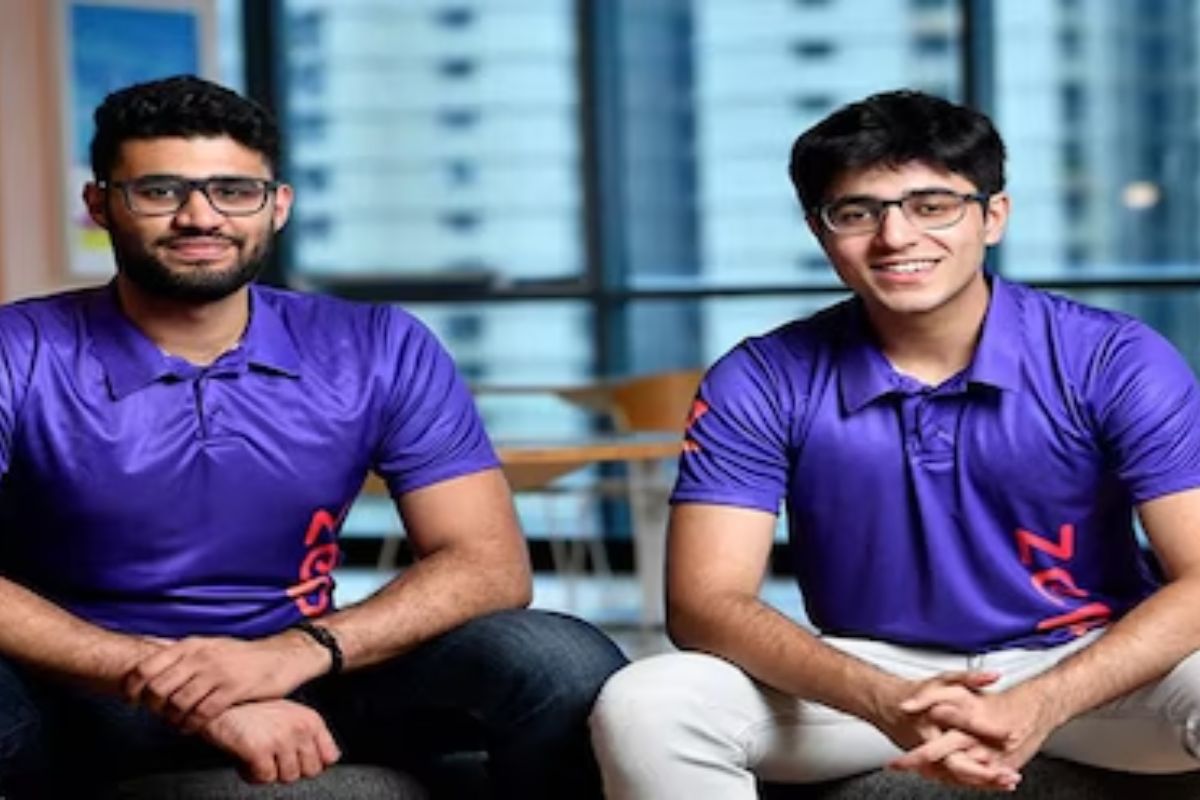
In the world of Indian startups, Zepto is a story of breathtaking speed, both in its core service and its rise as a company. Zepto, a quick-commerce startup promising grocery delivery in mere minutes, rocketed to a valuation of $5.9 billion by 2025, an astonishing feat considering the company was founded only in 2021 by two teenagers. In fact, at 22 years old, co-founders Aadit Palicha and Kaivalya Vohra became the youngest entrepreneurs to helm a unicorn in India.
Zepto burst onto the scene with its ultra-fast delivery model. The idea that with a few taps on an app, customers could get daily essentials like fruits, vegetables, snacks, and household items delivered to their doorstep in about 10 minutes. This struck a chord in urban India, where convenience is king, and Zepto’s name (a play on zeptosecond, an extremely small unit of time) became synonymous with rapid service.
Hyper Growth and Financials: Zepto’s growth has been nothing short of exponential. In just two years from launch, it achieved unicorn status (crossing $1 billion valuation) and then continued skyrocketing to nearly $6 billion valuation by 2025. One key metric illustrating this growth is Zepto’s revenue trajectory. The startup recorded a 120% jump in revenue recently, reflecting exploding order volumes. By FY2024, Zepto’s revenue was about ₹4,450 crore (~$530 million), and it reportedly surged further to over ₹11,000 crore in FY2025, a 149% year-on-year climb.
Equally impressive, the company’s annualized gross order value (GOV) was nearing $4 billion by early 2025, up 300% year-on-year. This means Indians were ordering groceries worth thousands of crores via Zepto’s platform as it rapidly scaled to multiple cities. Zepto aggressively expanded its network of “dark stores” (delivery-only micro-warehouses), reaching about 1,000 dark stores across the country to enable its ultra-fast deliveries. Initially concentrating on metros like Mumbai, Delhi, and Bengaluru, Zepto quickly entered many tier-1 and some tier-2 cities, often becoming the top quick-commerce player in those markets.
Crucially, Zepto’s growth wasn’t just about burning cash for scale. By 2025 the startup showed signs of maturing financially. The company halved its cash burn and was within arm’s reach of operational break-even. Aadit Palicha shared in April 2025 that Zepto had reduced its EBITDA and cash outflow significantly while still growing fast, and expected to turn EBITDA-positive within a few months.
This is noteworthy in a segment known for heavy losses; Zepto’s prudent focus on improving unit economics (through optimizing delivery routes, increasing basket sizes, and charging subscription fees for its priority service) is paying off. Investors have taken note. Zepto was reportedly in talks for new funding and even planning a public listing as early as 2025-26. For a company that started as a college project, a near-$6B valuation and an IPO on the horizon in just 4–5 years is unprecedented, underlining the massive market opportunity it seized.
Innovation and Execution: Zepto’s core innovation lies in logistics and execution. The promise of 10-minute delivery required building a tight supply chain network. Zepto cracked this by establishing a dense network of small warehouses in city neighborhoods, each stocking a curated range of ~2,000 high-demand products, and employing algorithms to ensure inventory is tailored to local demand patterns. The app assigns orders to the nearest dark store and a delivery partner who ferries the order on a bike, often reaching in minutes.
This model was not entirely new globally, but Zepto executed it brilliantly in the Indian context, focusing on high-density clusters and operational efficiency. They also innovated on the product front by introducing features like “Live Tracking” (so customers can see the delivery moving in real-time), and clever gamified aspects to keep users engaged. Moreover, Zepto showed discipline in what it offers, sticking largely to grocery and daily essentials, which are high-frequency purchases, rather than diluting focus with too many categories.
A notable aspect of Zepto’s approach is its data-driven culture. The young founders, both computer science prodigies, leaned heavily on data analytics to optimize everything, from deciding where to open the next dark store, to how to route riders to avoid traffic, to what promotions improve retention. Innovation also came in the form of expanding the business model. Zepto introduced a membership program (Zepto Zero) for free deliveries and other perks, as well as started monetizing via advertisements from FMCG brands within the app and “placement fees” for better visibility of products, adding to revenue streams. These moves show a strategic mindset beyond just delivery margins.
Leadership and the Youth Factor: Aadit Palicha and Kaivalya Vohra, the duo behind Zepto, have often been lauded for their ambition and clarity despite their youth. Dropping out of Stanford to pursue Zepto full-time, they exemplify a new generation of Indian entrepreneurs who are fearless in tackling big challenges head-on. Their leadership style combines youthful energy with a focus on fundamentals – a balance evidenced by Zepto’s pivot (the startup was initially a different idea called Kiranakart before morphing into Zepto when the quick-commerce model showed more promise).
They swiftly learned from global peers and local competition, making tough decisions like exiting slow-moving neighborhoods and focusing on areas with better unit economics. The team they built includes experienced industry professionals in operations and supply chain, which helped complement their tech skills. The culture at Zepto is often described as fast-paced (befitting its name), where decisions are made quickly and experimentation is encouraged – all while keeping a close eye on metrics that matter.
Social Impact: Zepto’s societal impact can be seen in multiple dimensions. For urban consumers, it has added a level of convenience that many now find indispensable. Busy families, elderly customers, or those without easy access to supermarkets have benefited greatly from getting essentials delivered almost instantly. During the COVID-19 times, such services were a lifeline in lockdowns. Zepto also created a large number of jobs, especially in the gig economy; thousands of delivery partners earn income through the platform.
By cutting delivery times, Zepto arguably also set new standards that pushed competitors (like Blinkit and Swiggy Instamart) to improve, thus raising the bar for customer service industry-wide. Another impact is on small brands. Zepto’s dark stores carry products from many local or new-age brands, giving them visibility and access to customers without needing shelf space in physical stores. On the flip side, some critics worry about the necessity of 10-minute deliveries. But Zepto has defended it by noting they ensure rider safety (no penalties for slightly longer deliveries) and that hyperlocal delivery is achieved not by dangerous speeding but by proximity of inventory to customers.
As the company moves towards sustainability, one can envision them optimizing routes to reduce fuel use, or using EVs for delivery, which would be an environmental plus. All considered, Zepto is a poster child of how a bold idea, executed with precision, can change consumer behavior practically overnight. The praise it garners stems from both its phenomenal business achievement and the way it redefined convenience in Indian commerce.
InMobi: India’s Original Unicorn and Ad-Tech Champion
Valuation: $5.0 Billion
Founded: 2007 in Bengaluru, by Naveen Tewari, Abhay Singhal, Mohit Saxena, and Piyush Shah
Sector: Advertising Technology (Mobile Ads, Marketing Platforms)
Long before unicorns became common in India, InMobi made history by becoming one of the country’s first unicorn startups (back in 2011). Fast forward to 2025, InMobi is still going strong with a valuation of $5.0 billion, cementing its place among India’s top 10 most valuable startups. InMobi’s journey is emblematic of Indian entrepreneurship reaching global scale. What started as a mobile advertising startup competing with the likes of Google has evolved into a worldwide leader in mobile advertising and monetization.
The company provides a platform for businesses to advertise on mobile apps and websites, leveraging data to target users with relevant ads. If you’ve ever seen an ad in a mobile app, there’s a good chance InMobi delivered it behind the scenes. Over the years, InMobi expanded its offerings to include an entire marketing cloud, video ads, and even consumer platforms like Glance (a lock-screen content app), all geared towards capturing user attention in the mobile-first era.
Global Reach and Resilience: One of InMobi’s biggest achievements is its truly global footprint. The company operates in multiple continents, serving clients and reaching mobile users in over 165 countries. In fact, InMobi at one point was reported to have a reach of 759 million active mobile users per month worldwide, making it one of the largest independent mobile ad networks globally, second only to tech giants like Facebook in its scale of audience.
While that stat is from 2014, InMobi’s network has only grown since. It handles a mind-boggling volume of ad impressions and data; even a decade ago it was serving over 4 billion ad requests per day, and by now this is likely significantly higher. This ability to manage and monetize such scale showcases InMobi’s technological prowess. The $5B valuation, in some ways, understates InMobi’s prominence in its sector, given that global peers like IronSource or AppLovin reached multi-billion valuations, InMobi’s sustained valuation reflects both its successes and the fiercely competitive nature of ad-tech.
Financially, InMobi has had an interesting journey. Unlike many consumer startups, it made early revenues by serving big advertisers worldwide. It raised substantial funding (notably a big investment from SoftBank in 2011 that crowned it a unicorn). In recent times, InMobi’s value has been bolstered by the success of Glance, its spinoff that delivers personalized news and entertainment on smartphone lock screens. Glance itself became a unicorn in 2020, with Google and Mithril Capital investing, and it reportedly reaches 200 million users in Asia.
The synergies between InMobi (which provides advertising tech) and Glance (which needs to monetize content with ads) make the InMobi group a powerful force. There was talk of taking Glance public via a SPAC, which shows the ambition. Also, InMobi inked strategic partnerships, for example with Microsoft Advertising to enhance its enterprise offerings, and launched an enterprise marketing platform InMobi Marketing Cloud targeting large brands. All these moves have kept InMobi relevant and growing in a fast-changing digital ad market.
Innovation and Adaptation: InMobi’s longevity and value can be attributed to continuous innovation and adaptation. In the late 2000s, it rode the mobile app wave by providing a way for app developers to earn money from ads, thereby fueling the app ecosystem. As user behavior shifted, InMobi embraced video ads and interactive rich-media ads to engage users more deeply. It has also been an early mover in programmatic advertising, using AI and real-time auctions to place ads more efficiently.
InMobi’s platforms crunch massive data (processing 240 TB of data per day even as of 2013) to optimize ad targeting, ensuring that the ads users see are as relevant as possible. Naveen Tewari, the CEO, often speaks about leveraging big data and AI to make advertising smarter so that it’s useful rather than intrusive. This focus on smart tech helped InMobi survive the onslaught of competitors. When Google and Facebook dominated mobile advertising, InMobi pivoted where necessary, for instance, focusing on regions and publishers where it could be number one, and developing new channels like the lock-screen content (Glance) to diversify.
Innovation at InMobi also includes an emphasis on privacy and user trust. The company has been ahead in implementing privacy frameworks and was one of the first to get certifications like TRUSTe for its data practices. This was crucial to work with global brands and comply with regulations. Additionally, InMobi expanded through acquisitions of tech startups (like AerServ for video, Sprout for ad design, etc.) and launching new products such as an audience data platform and a consent management platform (recently acquiring Quantcast’s CMP to help app publishers with user consent compliance). By constantly evolving its offerings, InMobi stayed relevant as an independent player even as many early ad-tech firms got acquired or shut down.
Leadership and Culture: Naveen Tewari and team have shown visionary leadership from day one. Starting a globally-facing company from India in 2007 was itself a bold move. Tewari is often praised for thinking big. He famously turned down a lucrative acquisition offer from Google around 2013 to keep InMobi independent and pursue a larger vision, a decision that drew admiration. The leadership fostered a culture of global mindset. InMobi’s offices in San Francisco, London, Tokyo, etc., made it a truly international company originating from India.
They emphasize innovation (InMobi was the first Indian company to be named to MIT Technology Review’s 50 Disruptive Companies list in 2013). Internally, the culture has been described as daring and fast-paced, while also resilient. The company saw some tough phases (like reorganizations and intense competition) but bounced back by motivating teams around new goals (like making Glance successful). Another facet of InMobi’s leadership is nurturing entrepreneurship.Many former InMobi executives have gone on to start their own ventures, and Tewari himself co-founded a venture fund (IndiVi) to invest in startups. This speaks to InMobi’s role as a cradle for future founders.
Social Impact: InMobi’s story has had a broader impact on the Indian startup ecosystem and tech landscape. As one of the earliest unicorns, it paved the way for global investor confidence in Indian startups. It showed that world-class product startups could be built from India that compete globally, inspiring countless other entrepreneurs. On a more direct note, InMobi’s solutions have helped many small developers and publishers monetize their work, effectively funding the digital content boom.
If you were a young game developer, integrating InMobi’s ads could earn you revenue from day one, enabling more innovation in digital content. For consumers, while ads can be seen as a nuisance, InMobi’s targeting aims to make them more relevant. For instance, a user might discover a useful new app or a deal through a well-placed ad. And with Glance, InMobi has impacted how information is consumed by millions (bringing curated content to people who might not actively browse news otherwise).
From an employment perspective, InMobi has created high-skilled jobs in tech in India and abroad, and put India on the map for cutting-edge ad-tech engineering, that in itself is a point of pride. In sum, InMobi deserves praise for being a trailblazer. Surviving and thriving in the ultra-competitive ad-tech domain for over 15 years, it stands as an innovative, globally-savvy Indian company that continues to reinvent itself and deliver value to advertisers, publishers, and users worldwide.

OfBusiness: Powering Small Businesses with Big Ambition
Valuation: $5.0 Billion
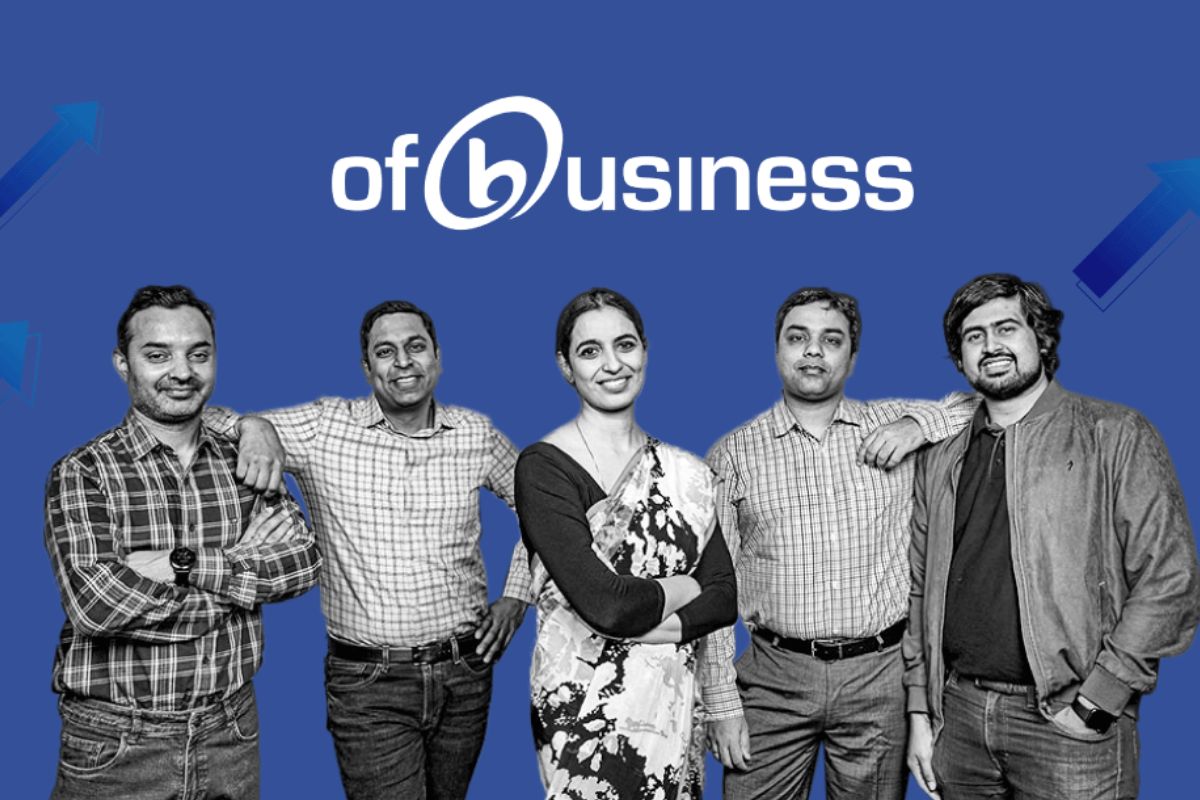
Founded: 2015 in Gurugram, by Asish Mohapatra, Ruchi Kalra, Vasant Sridhar, Bhuvan Gupta, and Nitin Jain
Sector: B2B Commerce and Fintech (SME Services)
While consumer-facing startups often grab headlines, OfBusiness is a stellar example of a B2B startup that quietly built an empire, and now stands tall with a $5.0 billion valuation. OfBusiness (short for “Online Financing Business”) operates at the intersection of commerce and lending for small and medium enterprises (SMEs). In essence, it’s a one-stop marketplace where businesses (such as manufacturers and contractors) can purchase raw materials and industrial supplies (like steel, cement, chemicals) at bulk rates, and also secure credit financing to fund those purchases.
It’s a model that solves two crucial pain points for SMEs, reliable sourcing of materials and access to capital, thus empowering them to grow. Founded in 2015 by a group of seasoned professionals (including a husband-wife duo, Asish Mohapatra and Ruchi Kalra), OfBusiness has grown methodically, focusing on fundamentals like revenue, profitability, and scale of operations rather than glitz. The result? It is one of the rare unicorns that boasts both massive top-line and healthy bottom-line figures.
Massive Scale and Financial Discipline: OfBusiness’s scale is reflected in its revenues. The company is practically a juggernaut in terms of sales. In FY2024, OfBusiness’s consolidated operating revenue was around ₹19,300 crore (approximately $2.3 billion). A startup less than a decade old clocked over $2B in annual revenue, which is bigger than many mid-sized public companies. This was a solid jump from about ₹15,300 crore the previous year, showcasing ~26% growth despite a tough macro environment.
More impressively, OfBusiness is profitable. It delivered a net profit of about ₹600 crore in FY24, up ~30% year-on-year. Such profits are rare in the startup world, and it underscores OfBusiness’s focus on viable business from day one. The company’s revenue comes from selling a variety of bulk products to businesses (essentially running a large-scale B2B commerce operation) and from financial services (interest income from loans). They manage risk carefully on lending, targeting customers whose purchase data they understand.
The valuation of $5B came after a series of funding rounds where marquee investors like SoftBank, Tiger Global, and Temasek invested, especially as they saw OfBusiness’s growth staying strong. The company raised funds at high valuations but interestingly didn’t burn them on consumer marketing, instead, it used capital to expand into new product lines and acquisitions, essentially growing inorganically as well.
OfBusiness acquired several smaller startups to extend its offerings. For example, it bought a majority stake in a refrigeration equipment company (GST) to add more industrial products to its catalog, and it has a subsidiary O’AgriFarm focusing on agri-products trading. It also famously spun out its lending arm Oxyzo (co-founded by Ruchi Kalra) as a separate entity which itself became a unicorn in 2022, raising $200M. The synergy between OfBusiness and Oxyzo means customers can get a loan to buy supplies from OfBusiness and repay as their business sells goods, which is a virtuous cycle fueling growth for all.
Innovation in B2B Services: OfBusiness might not flash fancy tech gadgets, but it innovated in processes and platform in the traditionally unorganized B2B trade sector. One key innovation is its tech-enabled marketplace. SMEs can log into the OfBusiness platform (website or app) to see transparent pricing for various raw materials, place large orders with a few clicks, and track delivery, which is a stark change from the old way of making dozens of phone calls to suppliers to find the best rate and worrying about quality.
OfBusiness aggregates demand to negotiate bulk discounts from manufacturers and passes those savings to SMEs, acting almost like a wholesale club. This aggregation is an innovation in business model, enabling even small players to get the advantage of scale. On the financing side, OfBusiness introduced B2B buy-now-pay-later before it was a buzzword, offering credit lines that customers can use to make purchases on the platform. Their data science model uses transaction history and industry trends to underwrite loans more effectively than a traditional bank might for these small firms.
The company also leverages on-ground presence. It has built a large salesforce and on-site experts who liaise with factories and project sites to ensure OfBusiness becomes a trusted partner to SMEs. By blending the online platform with offline relationship management, it cracked the trust issue in B2B commerce. Another innovative aspect is OfBusiness’s focus on certain key verticals, construction, manufacturing, and infrastructure, and tailoring solutions for them. For instance, it might secure a steel supply for a construction client for an entire year at locked prices, providing predictability. This mix of tech platform, financial services, and supply chain depth is what makes OfBusiness a unique powerhouse.
Leadership and Execution: The leadership team of OfBusiness, led by CEO Asish Mohapatra, has often been praised for exceptional execution and down-to-earth management. Mohapatra, who had stints at McKinsey and Matrix Partners (VC) before starting up, brought a keen sense of unit economics and business rigor. He and Ruchi Kalra (an IIT/IIM alum and ex-McKinsey) fostered a culture where profitability and growth go hand in hand, and it is a refreshing approach when many startups were chasing growth at any cost.
They famously shunned vanity metrics, focusing instead on metrics like ROCE (return on capital employed) and cash flows, as if running a listed company. Little wonder that by FY24, OfBusiness had a healthy ROCE of around 20% and return on equity near 16%. The team’s execution is also evident in managing a workforce of 17,000 employees, one of the largest among Indian startups.
They’ve successfully decentralized a lot of operations, empowering regional teams to drive sales while centralizing things like procurement for efficiency. The inclusion of Ruchi Kalra as a co-founder (and now CEO of Oxyzo) also adds to OfBusiness’s leadership strength. She’s one of India’s leading women entrepreneurs, demonstrating how diversity at the top can amplify a company’s success.
The growth strategy has been smart and multi-pronged. OfBusiness expanded its product catalog from just metals initially to now include chemicals, food grains (for food processing industries), machinery, and more, basically growing wallet share with existing clients. It also ventured into government procurement tenders to supply materials for large projects, further boosting volume. Another strategic decision was, instead of going for an IPO early (despite being IPO-ready in profits), they chose to stay private a bit longer to consolidate gains and perhaps aim for an even larger listing in the future when market conditions favor. This patience is commendable and indicates the founders’ confidence in long-term value creation.
Social and Economic Impact: OfBusiness operates in the backbone of the economy, the SMEs, and its impact is deeply intertwined with the growth of this segment. By providing better pricing on materials and easier credit, OfBusiness effectively improves the competitiveness of thousands of small businesses in India.
A small manufacturing company that can procure raw material 5-10% cheaper via OfBusiness, and not worry about immediate cash payment thanks to financing, can in turn price its products more competitively or expand production, leading to more revenue and potentially more employment at that company. Thus, OfBusiness indirectly contributes to industrial growth and job creation. With 17,000 direct employees, it is itself a major employer, often hiring and upskilling local talent in sales and operations across various cities.
Another impact is formalization. Much of B2B trade in India used to be unorganized with opaque pricing. OfBusiness brings transparency and scale, thereby encouraging formal business practices among SMEs and their suppliers. It even helps suppliers (like steel mills or cement producers) by aggregating demand and ensuring timely bulk purchases, smoothing the supply chain on both ends. During the COVID-19 pandemic, OfBusiness reportedly helped many small enterprises stay afloat by extending credit when banks were wary, showing a willingness to stand by clients in tough times. Additionally, Ruchi Kalra’s presence highlights women’s leadership in a traditionally male-dominated industrial sector, potentially inspiring more diversity in similar fields.
In summation, OfBusiness might not be a household name to the general public, but it is a giant in the B2B world that deserves praise for its solid business model and positive ripple effects on the economy. It exemplifies how a startup can achieve hyper-growth with discipline, and how focusing on India’s infrastructural and SME needs can unlock enormous value. The company’s $5B valuation is backed by real revenues and profits, making it a jewel among unicorns and a beacon for enterprise startups in India.
Icertis: The SaaS Trailblazer Putting Contracts in the Cloud
Valuation: $5.0 Billion
Founded: 2009 in Pune (headquartered in Bellevue, USA), by Samir Bodas and Monish Darda
Sector: SaaS (Contract Lifecycle Management Software)
Among the top 10 unicorns, Icertis holds a special place as a pioneer of enterprise SaaS (Software-as-a-Service) from India. Valued at $5.0 billion, Icertis has built a global reputation as the leader in contract lifecycle management (CLM), essentially providing large companies with cloud-based software to manage their contracts efficiently and intelligently.
If that sounds niche, consider that every company deals with thousands of contracts (with customers, vendors, employees, partners) and historically these contracts were scattered in files or basic databases. Icertis recognized this pain point early and set out to transform contracts into strategic assets through technology. The company’s platform helps draft, negotiate, sign, and track contracts all in one place, with advanced capabilities like AI-powered analysis to ensure compliance and extract insights from contract data.
Global Clientele and Financial Success: Over the years, Icertis has accumulated a who’s who of enterprise clients, from Fortune 500 giants like Microsoft, Airbus, Daimler, and Johnson & Johnson to a broad range of industries including manufacturing, healthcare, finance, and government. In fact, Icertis often highlights that the world’s most valuable companies by market cap use Icertis to manage their contractual agreements. Such a strong product-market fit has translated into robust financial performance.
Icertis surpassed $250 million in annual recurring revenue (ARR) by 2023, a milestone that places it among the top-tier SaaS companies globally. To put that in perspective, $250M ARR means clients around the world are paying that much every year for Icertis’s services, which typically come as multi-year subscriptions. What’s more impressive is Icertis has been growing steadily, with ~40% YoY ARR growth recently, and doing so sustainably. The CEO Samir Bodas has stated that Icertis is cash-flow positive and profitable, with around $300M in revenue and ~25% growth rate. This is a very healthy place to be, as it shows the company can fund its own growth and is not reliant on continuous VC cash.
Icertis’s $5B valuation came after successive funding rounds, including a notable $80 million round in 2018 and then a big $150 million round in 2021 (led by SoftBank) that valued it at around $2.8B. Subsequently in early 2022, Icertis raised another $150M (from SoftBank and others) at a valuation of roughly $5B, putting it firmly in decacorn territory. Investors were drawn by Icertis’s dominance in a critical enterprise software category and its expansion potential.
The company has hinted at IPO ambitions; given its revenue and profitability profile, an IPO would likely be very well-received when it happens. Meanwhile, Icertis also struck a strategic partnership with SAP (the enterprise software giant) which not only invested in Icertis but also deepened product integration, further entrenching Icertis in the enterprise ecosystem.
Innovation and Product Leadership: Icertis’s platform stands out for its use of artificial intelligence and machine learning in contract management. It’s not just a repository; it can auto-extract key terms from legacy contracts, flag risks (like an unusual indemnity clause or an expiration deadline approaching), and even suggest optimal phrasing based on past successful agreements.
In 2023, Icertis launched AI-powered “Contract Intelligence” features and Copilots that help users automatically analyze contract obligations and compliance. For example, if a supplier contract has a clause about price changes based on commodity index, Icertis AI can monitor that index and alert if a renegotiation is needed, saving startups money. This kind of smart automation is a game-changer for legal and procurement teams who previously had to comb through contracts manually.
Icertis has also been highly configurable and industry-specific, recognizing that contract requirements differ by domain. So it built specialized modules (add-ons) for say, the automotive industry (tracking parts warranties in contracts) or for pharma (handling regulatory clauses in clinical trial contracts). This domain depth makes it hard for generic competitors to match.
Additionally, Icertis invested in strong integrations, e.g., with Microsoft’s Office (where many contracts are authored) and with ERP systems like SAP or CRM like Salesforce, ensuring that the contract data flows wherever needed. By focusing intensely on being the best at CLM, Icertis expanded its lead. Even as some competitors emerged, Icertis kept pushing the envelope. Recently, they are exploring smart contracts on blockchain for greater trust and even investigating generative AI to draft contracts from scratch based on parameters.
Leadership and Vision: Co-founders Samir Bodas (CEO) and Monish Darda (CTO) have been lauded for putting Indian SaaS on the global map. Bodas, who is based in the U.S., brought in vital enterprise software experience and a customer-centric approach, while Darda in Pune built a world-class engineering team. Their combined vision was that an Indian startup can build a global enterprise product and lead its category, and they realized this by focusing on excellence and not spreading too thin.
Culturally, Icertis is known for its values-driven approach. They emphasize a value of “Fairness, Openness, Respect, Teamwork, Execution” (FORTÉ) in dealings with customers and employees. This has helped maintain trust with big clients (for instance, being open and fair during contract negotiations ironically for a contract software company!). The leadership has also been adept at timing. They recognized when to scale aggressively and when to solidify. For example, around 2015-2016, they pivoted fully to a cloud SaaS model (moving away from any on-premise deployments) just as cloud adoption went mainstream, which boosted their scalability.
Global Impact and Social Aspect: The impact of Icertis is far-reaching in the enterprise world. It has changed how startups handle one of their most fundamental assets, aka the contracts. By bringing efficiency and intelligence here, it indirectly contributes to smoother commerce and collaboration. For instance, if Icertis helps a company cut contracting cycle times from months to weeks, that means projects start sooner, revenue flows faster, and partnerships flourish with less friction, which is a boost to economic activity.
From a talent perspective, Icertis has over 2,000 employees globally (with major centers in India, US, and Europe) and has been a flag-bearer for high-end product talent in India. Its presence in Pune and Bangalore provides opportunities for engineers to work on cutting-edge AI and cloud tech for Fortune 500 clients while being in India, helping reverse the brain drain in some cases.
Also noteworthy is Icertis’s emphasis on ethical AI and governance as handling contracts means handling sensitive obligations (like human rights clauses, environmental commitments in supply chains). By helping startups keep track of these, Icertis indirectly furthers corporate accountability. For example, a retailer can ensure all factory contracts have a clause forbidding child labor and use Icertis to monitor compliance, thus encouraging ethical practices. Icertis also actively participates in community initiatives, and its founders have spoken about building a long-lasting institution that gives back.
In summary, Icertis is widely praised not only for achieving a $5B valuation, but for being a trailblazer that proved India can create global SaaS leaders. Its combination of technical innovation, steady leadership, and focus on solving a real, pervasive business problem has earned it a seat at the top table. As enterprises increasingly digitize their core processes, Icertis is poised to continue shaping how the business world manages agreements, truly living up to its tagline of “contract intelligence, everywhere.”

OYO (Oravel Stays/PRISM): Transforming Hospitality at Scale
Valuation: $5.0 Billion
Founded: 2013 in Gurgaon, by Ritesh Agarwal
Sector: Hospitality (Hotel & Home Rentals Aggregator)
Perhaps no Indian startup has had as many dramatic ups and downs on the global stage as OYO Hotels & Homes, yet it remains one of the most valuable and iconic startups to emerge from India. OYO, officially renamed as PRISM in 2025 as a corporate entity, is valued at $5.0 billion in the Hurun list. The company’s story is about ambition in reimagining the hospitality industry by converting fragmented, unbranded budget hotels and guesthouses into a streamlined network offering reliable, standardized stays at affordable prices.
Ritesh Agarwal, OYO’s founder, started the company as a teenager with a simple insight keeping in mind the budget travelers in India who often had to deal with inconsistent and poor lodging experiences, and small hotel owners struggled to fill rooms. OYO’s solution was to partner with these small hotels, spruce them up to meet basic quality standards, unify them under the OYO brand, and market them on its online platform, thereby increasing occupancy for owners and providing travelers with predictable amenities (clean linen, Wi-Fi, AC, etc.) at a low price point. This model took off like wildfire in India and was subsequently replicated in many countries, making OYO by 2019 one of the world’s fastest-growing hotel chains.
Funding and Expansion: OYO’s financial journey has been aggressive. The startup attracted over $3.7 billion in funding across multiple rounds, including capital from SoftBank (its largest backer), Sequoia Capital, Lightspeed, Airbnb, Grab, and many others. This war-chest fueled OYO’s expansion to an extent rarely seen. At its peak, OYO was present in over 800 cities across 80 countries, from India, China, Southeast Asia, all the way to Europe and the United States.
It was acquiring hotel chains (like Leopard Hospitality in Europe) and launching in new segments like vacation homes (OYO Homes and OYO Life for long-term stays). By early 2020, OYO had on-boarded more than 43,000 hotels and 1 million rooms globally, making it by some counts the third-largest hotel chain in the world by room count at that time. This massive scale translated to high valuations as OYO was valued around $10B in late 2019 after a funding round, reflecting the exuberance around its growth.
However, external and internal challenges (including a pullback from over-expansion, the pandemic’s blow to travel, and regulatory changes in certain markets) led to a valuation correction. The current $5B valuation likely reflects a more sober, mature OYO that has rationalized operations and focused on key markets.
Importantly, OYO prepared for an IPO. It filed for an initial public offering in 2021; although as of 2025 the IPO was delayed, OYO’s leadership indicated they are aiming for a ~$7-8B IPO in the near future as travel rebounds. To get IPO-ready, OYO streamlined its business, exited non-core geographies, tightened revenues, and improved margins. In the latest year, OYO demonstrated strong performance in India with a pivot towards premium and mid-segment hotels and showed its first positive EBITDA quarter, signaling improving financial health.
Innovation and Impact on Hospitality: OYO’s innovation was not in a new technology per se, but in a new business model powered by technology. It built a digital platform where users could book affordable rooms in seconds, and behind the scenes, it used technology to onboard hotels rapidly (with a playbook to renovate and standardize them in as little as 30 days). The company introduced dynamic pricing in the budget hotel segment, using algorithms to adjust room rates based on demand (much like airlines do with seats) which was novel for small hotels that earlier had fixed rates regardless of season or occupancy.
OYO also provided its hotel partners with a tablet-based property management system (PMS) and app that helped them manage bookings, track hospitality metrics, and get data insights, effectively tech-enabling small hotel owners who were often not tech-savvy. Additionally, OYO created a brand loved by young travelers.The bright red OYO logo became synonymous with a certain assurance of basic quality, which was a huge shift in a segment where brands were absent.
The scale at which OYO operated also led to some firsts. For example, it set up central training for hotel staff to improve service, and leveraged its size to procure everything from bedsheets to toiletries in bulk, lowering costs for its network. In terms of consumer experience, OYO introduced features like one-tap check-in, digital payments, and 24×7 guest support, features that budget travelers never imagined having. OYO’s mobile app was one of the most downloaded travel apps in India; by 2021 OYO had crossed 100 million app downloads, showing how it popularized online hotel booking beyond the upscale segment.
Leadership and Resilience: Ritesh Agarwal’s leadership journey with OYO has been widely covered, from a Thiel Fellowship in his teens to becoming one of the world’s youngest self-made billionaires at 26. His vision and charisma helped OYO rally massive resources and talent. But leadership was truly tested when OYO faced setbacks. Criticism from some hotel partners about contractual terms, layoffs during restructuring, and the COVID crisis which decimated travel demand. Credit is due to OYO’s leadership for confronting these issues head-on.
They launched initiatives to mend relationships with hotel owners, such as better incentive structures and more flexible contracts. Ritesh Agarwal admitted mistakes of over-expansion and refocused the company on its core strengths and home market. Under his guidance, OYO executed painful but necessary cost cuts in 2020, and then gradually rehired and rebuilt as travel recovered. The company’s ability to survive the pandemic (when many hospitality firms went under) and emerge still holding a multi-billion valuation is commendable. Additionally, Ritesh’s own growth as a leader, from blitz-scaling to sustainable scaling, is often praised by industry observers as a sign of maturity.
OYO’s current strategy under leadership is a “smart recovery”, which revolves around focusing on markets like India, Southeast Asia, and Europe vacation rentals (where it acquired startups like @Leisure Group), improving take rates and minimizing loss-making discounts, and diversifying its offerings. For example, OYO now offers OYO Wizard loyalty program (one of India’s largest hospitality loyalty programs) and is deepening engagement in the wedding and long-term stay segments. Ritesh has also fostered a culture of innovation within, during the pandemic, OYO quickly built a SaaS product called “OYO OS” to help other small hotels with technology, showing intrapreneurship.
Social Impact: OYO’s impact on society, especially in India, is quite tangible. Firstly, it brought a large portion of India’s budget hospitality sector into the formal economy. Small hotels that earlier had no access to online customers suddenly were transacting digitally, paying taxes, improving standards, and benefiting from tourism growth. This has a ripple effect on micro-entrepreneurship. Many individuals started franchising with OYO or converting buildings into OYO hotels, creating income sources. OYO claims to have enabled over 100,000 indirect jobs through its network (like staff employed at partner hotels).
For travelers, OYO massively expanded the availability of affordable accommodation. Students, salespersons, budget tourists, couples, aka a broad swath of society, could travel to more places with the confidence that an OYO room wouldn’t break the bank and would be reasonably clean and safe. This democratization of travel accommodations contributed to increased mobility and tourism spend in smaller towns as well. OYO also made efforts in community support. For instance, during COVID it offered hotels as quarantine centers and free stays for frontline workers.
Globally, OYO took a bit of Indian hospitality (with its distinct style of jugaad and warmth) abroad and made a mark. Though it scaled back in some regions, it remains active in markets like the US (especially after adding 150+ hotels in the US in 2025 and aiming for more) and Europe. This puts an Indian brand on the international stage in an industry historically dominated by Western giants.
In summary, OYO’s journey, while not without controversies, is ultimately one of unprecedented scale, innovation in an old industry, and resilience. It turned unbranded hotels into a unified experience for millions of guests. Being valued at $5B in 2025 and among the top unicorns is a testament to the fundamental value OYO created in hospitality. As travel rebounds post-pandemic, OYO is poised once again to capitalize on its vast network and brand, and it serves as an inspiration for entrepreneurs that even in turbulent sectors, bold vision combined with adaptability can yield transformative outcomes.
Meesho: Empowering a New Wave of Online Entrepreneurs
Valuation: $3.9 Billion
Founded: 2015 in Bengaluru, by Vidit Aatrey and Sanjeev Barnwal
Sector: E-commerce (Social Commerce/Online Marketplace)
Rounding out the top 10 is Meesho, a startup that took a unique approach to e-commerce and in the process built a company valued at $3.9 billion with significant social impact. Meesho’s model, often dubbed “social commerce,” centers on enabling small sellers and individual entrepreneurs (especially homemakers) to sell products online through social networks like WhatsApp, Facebook, and its own app. The idea sprang from a simple observation. In India’s smaller towns and communities, a lot of commerce happens via personal trust and recommendations, think of a homemaker selling sarees to her friends or a local boutique relying on word-of-mouth.
Meesho provided a platform and toolkit for such sellers to take their businesses online at zero cost and risk. These sellers (or “resellers” as Meesho calls them) could pick products listed by suppliers on the Meesho app (spanning fashion, home goods, electronics, etc.), share them on their social circles with a markup, and earn the margin on each sale, while Meesho handled the logistics and inventory. This innovative approach effectively turned millions of regular people into micro-entrepreneurs, many of whom are women working from home, hence dramatically lowering the barrier to entry for e-commerce.
Growth and Scale: Meesho’s growth has been explosive, corresponding with the rapid adoption of smartphones and social media in India’s hinterlands. The platform today has over 16 million sellers, of which around 10 million are women entrepreneurs, a truly remarkable community-building achievement. Meesho initially gained traction by catering to price-sensitive consumers through the reseller model, but by 2020-21 it expanded into a direct marketplace as well, allowing small businesses to sell directly to consumers via the Meesho app (thus competing more directly with the likes of Amazon and Flipkart, but focused on unbranded, budget products).
This pivot, combined with heavy investment in product and logistics, saw Meesho’s user base skyrocket. In 2022, Meesho had around 120 million annual transacting users, and by the end of 2024 it recorded 187 million annual transacting users and 1.3 billion orders in just 9 months (Apr-Dec 2024). These numbers are staggering. For context, that volume of orders puts Meesho nearly on par with India’s e-commerce leaders in terms of sheer order count, despite focusing on smaller cities and lower-ticket items.
Financially, Meesho has also made great strides. Its revenue in FY2024 crossed $900 million, and in a very encouraging sign, Meesho managed to slash its losses by 95%, recording just a ~$6 million loss, essentially near break-even. This is a huge improvement from prior years and demonstrates that the social commerce model can be monetized sustainably. Meesho’s revenues come from commissions from sellers (it made headlines by going to zero commission for sellers for a period, to attract more of them, and still largely keeps fees very low to remain seller-friendly) and advertising income (sellers can pay to promote their listings within the app).
By late 2024, Meesho actually turned profitable in certain months, a rare feat in e-commerce. Little wonder then that Meesho’s $3.9B valuation is backed by notable investors like SoftBank, Prosus (Naspers), Facebook (now Meta), and Sequoia, who have collectively invested over $1 billion into the company across rounds. An IPO is likely on the horizon in a couple of years, as hinted by its “IPO-bound” tag and aligning metrics.
Innovation and User-Centric Approach: Meesho’s success stems from innovation tailored to the Indian context. Early on, it innovated by building a lightweight app that works well even on low-cost smartphones and slow networks, knowing its target audience may not have top-end devices. It also integrated deeply with WhatsApp, since that’s where resellers largely converse with customers. Meesho made catalog sharing as easy as a click, and order tracking updates could be sent via WhatsApp. Furthermore, Meesho understood the trust-based nature of sales in small communities, so it allowed cash on delivery and easy returns, so that end customers (often buying via a friend or neighbor who is a reseller) felt secure.
Meesho also invested in vernacular support, providing its app and customer service in multiple Indian languages to reach non-English speakers. Another innovation was the use of gamified elements and credits, e.g., resellers got bonuses for hitting certain sales milestones, which kept them engaged and motivated like a game, crucial for retention of a seller base that might be new to online business.
More recently, as content became key to e-commerce discovery, Meesho launched a “Mellow” content platform where influencers and sellers create short videos around products, driving engagement (Meesho reported millions of users consuming this content). On the logistics front, Meesho built a pan-India delivery network by partnering with third-party couriers and also strengthening its own fulfillment for faster dispatches; it even started a “Next-Day Delivery” in top cities to compete on speed.
One cannot talk about Meesho’s innovation without mentioning its continuous adaptability. When the pure reseller model saw saturation, it quickly opened direct seller onboarding to widen product range; when competition from deep-pocketed players increased, it differentiated by focusing on the “Bharat” (smaller towns) consumer segment with ultra-low prices (Meesho’s average order value is often around only $4-5). In 2023, it ran viral campaigns like a “₹1 sale” to acquire users at scale. This creative marketing, coupled with its inherent virality (every reseller is effectively a marketing agent to more buyers), helped Meesho grow to hundreds of millions of users without proportional marketing spend.
Leadership and Vision: Founders Vidit Aatrey and Sanjeev Barnwal, both IIT Delhi graduates, have shown visionary zeal in scaling Meesho. They spotted a gap that Amazon and Flipkart weren’t serving, which was the combination of social selling and extremely value-driven long-tail products, and executed relentlessly to fill it. Their leadership is often described as highly mission-driven with a focus on empowerment.
Internally, Meesho is known for a culture that values speed and frugality (fitting for serving the value segment). They took bold decisions such as the zero-commission move which in short term meant sacrificing revenue to help sellers, believing that helping sellers succeed would in turn make the platform succeed, which it did, as millions of sellers flocked and listed over 100 million products.
Vidit and Sanjeev also navigated the company through tough times. For example, during early COVID when e-commerce was halted, they supported sellers and came back strong post-lockdown with record order numbers. They’ve emphasized building a personal connection with employees and sellers alike, often meeting top sellers in person to get feedback. On the strategic front, the leadership didn’t shy away from directly taking on bigger rivals. As seen in 2021-22 when Meesho launched an initiative to list products at the lowest prices anywhere online, which sparked an e-commerce price war (benefiting consumers in the end). By keeping their eyes squarely on serving the “next 500 million” internet users, they kept Meesho differentiated and focused.
Social Impact: Meesho’s impact on Indian society is arguably among the most profound of any startup, given its focus on socio-economic empowerment. Firstly, the platform has empowered over 10 million women to become entrepreneurs from the comfort of their homes. These are women who, due to family commitments or social norms, couldn’t take up a 9-to-5 job or start a traditional business, but through Meesho they earn an income selling products online. Countless stories have emerged of Meesho sellers gaining financial independence, paying for household needs or their children’s education with the money they make. That’s a deep social win – fostering women’s entrepreneurship and inclusion in the economy.
Secondly, Meesho has helped micro and small manufacturers (many of whom produce unbranded goods in hubs like Surat for sarees, or Sadar Bazaar for accessories) to reach a nationwide market without having to navigate complex e-commerce setups. This has likely increased demand for their products and supported small industries. Third, for consumers especially in smaller towns, Meesho offered an affordable array of products delivered to their doorstep, often items that were not available in local shops. And these are not just any products. They are often budget fashion, kitchen tools, trendy gadgets, basically Meesho brought variety and choice to the masses at price points they could afford, truly democratizing online shopping beyond the metros.
During the pandemic, Meesho also played a role by enabling a lot of people who lost jobs to start earning as resellers. And the company’s annual report highlights that it generated significant employment through its 5,000+ strong workforce and indirectly through its seller network. Additionally, Meesho’s model inherently promotes community commerce. Strengthening social ties as people buy from those they know, which is an interesting blend of commerce and community trust.
In conclusion, Meesho’s story is one of harnessing the power of people and community to build a scalable business. It has earned praise for showing that growth and impact can go hand in hand. With nearly $4B valuation and a spot among India’s elite startups, Meesho stands as a beacon of inclusive growth in the startup ecosystem – proving that serving the next billion users is not just rewarding commercially, but can uplift millions of lives in the process.
At The End: We Have Compiled What Can Be Called As A Tapestry of Success Stories
From discount brokerage to digital payments, eyewear to quick groceries, and enterprise software to social commerce, India’s top 10 most valuable startups of 2025 represent a vibrant tapestry of innovation and entrepreneurship. Together, these startups are valued at tens of billions of dollars, but their significance goes beyond numbers. They have created new markets, transformed consumer experiences, and generated massive employment (over 200,000 jobs collectively). They showcase diverse strategies – some, like Zerodha and OfBusiness, chose the path of profitability and organic growth; others, like OYO and Meesho, blitz-scaled to seize market leadership. Yet all of them share a common thread of leveraging technology and ingenuity to solve uniquely Indian (and often global) problems.
Crucially, these unicorns also reflect the coming-of-age of India’s startup ecosystem: fintech and e-commerce lead the pack (six of the top ten come from these domains), mirroring the digital revolution in finance and retail. But we also see SaaS (Icertis), B2B commerce (OfBusiness), hospitality (OYO), and advertising (InMobi) – indicating breadth. The presence of women leaders (e.g., OfBusiness’s Ruchi Kalra) and young founders (Zepto’s 22-year-olds) in this group also highlights the ecosystem’s increasing diversity.
Each company’s journey is a case study in resilience and innovation: Zerodha proved world-class startups can be built without external funds, Razorpay empowered an entire generation of businesses to go digital, Lenskart showed an Indian brand can dominate a retail niche and expand overseas, Groww and Meesho tapped into the aspirations of new internet users, Zepto shattered notions of what speed convenience can achieve, InMobi paved the way for global product startups from India, OfBusiness revitalized SMEs with tech and credit, Icertis exemplified SaaS excellence, and OYO reimagined an industry on a global scale. Their leaders – from seasoned professionals to college dropouts – all displayed bold vision and the ability to execute at scale.
In praising these startups, one must note that none of their journeys were easy or linear. They faced regulatory changes, funding winters, pandemic disruptions, and intense competition. Yet their ability to adapt and persevere underscores why they deserve accolades. They not only built big businesses but also made a positive dent in society – whether it’s by including millions in the financial system, improving access to services, or inspiring youth to take the entrepreneurial plunge.
As we celebrate these top 10 startups, it’s clear that they are more than valuation figures on a list. They are trendsetters and trailblazers. They have validated India’s potential as a hub of innovation on the world stage. Importantly, they continue to look forward. Many are eyeing public listings, global expansions, and new product lines, which will likely drive the next chapter of growth.
In conclusion, these startups exemplify the best of India’s startup spirit: ambitious yet grounded, innovative yet focused on real impact. Their stories collectively form a narrative of an ecosystem hitting its stride. It is a moment of pride and promise. Pride in how far these startups have come, and promise of how much further they can go in shaping India’s economic future and technological destiny.
Each of the top 10 has earned its success through hard work, creativity, and a relentless drive to solve problems, and it is only fitting to applaud their achievements. They serve as an inspiration to entrepreneurs everywhere that with the right mix of vision, execution, and heart, a startup from any corner (be it a Bangalore garage or a Gurgaon flat) can rise to become a world-class company driving meaningful change.