From Netflix Glamour To Courtroom Reality: The Bling Reality Of Satish Sanpal And His Betting Empire
₹1,000 Crore Shadow Network? The Alleged Shell Company Empire Behind Satish Sanpal’s IPL Betting Case


The glamour of a Netflix feature and the reality of a police chargesheet rarely sit comfortably together. In the case of Dubai-based businessman Satish Sanpal, they collide with particular force. Known to a wider audience through the streaming series Desi Bling, Sanpal now stands accused by Madhya Pradesh police of masterminding an illegal IPL betting racket that relied on shell companies, nominee accounts and large-scale financial layering. When Satish Sanpal approached the Madhya Pradesh High Court seeking to quash the proceedings, the court refused. The allegations, it held, were not inherently absurd or improbable. The material collected by investigators was enough to require a full trial.
Betting Ledgers, Fake Firms and Frozen Assets: The Unfolding Legal Siege Around Satish Sanpal
The core case begins with a raid. On 23 April 2022, acting on secret information about illegal IPL betting, police from Madan Mahal police station in Jabalpur arrived at the residence of co-accused Sunil Thakur. According to the prosecution, Sunil Thakur and Deepak Patel were found engaged in betting operations. Cash, ledgers, mobile phones and other material were recovered. During the subsequent investigation, the two accused allegedly named Satish Sanpal as the person who provided betting links and directed the network. Police claim Sanpal operated as the mastermind, running the enterprise remotely while local agents collected cash bets on cricket matches.
A related search at RK Tower in Right Town, Jabalpur, on 19 May 2022 produced more concrete figures. Investigators recovered ₹21.55 lakh in cash, described as a single day’s betting collection, along with 27 company seals, 34 cheque books, seven handwritten betting ledgers, three loan registers, mobile phones and property documents. The prosecution narrative is that these items belonged to a network of paper entities used to move and disguise the proceeds of illegal betting.

Police further allege that Sanpal and associates opened multiple shell companies, often One Person Companies, using the identity documents of low-income individuals who later claimed they had no knowledge of the accounts. One such individual, described in reports as an eighth-pass daily-wage earner, is said to have had accounts through which substantial sums moved.
Across a cluster of these entities, investigators reported deposits of approximately ₹1,003 crore and withdrawals of roughly ₹1,001 crore between the dates of incorporation and June 2022. The funds, according to the police version, were layered through the banking system and then moved abroad, allegedly via hawala channels, with Dubai as a key destination. Sanpal himself is said to have left India around 2020 and to have directed operations from overseas.
The legal architecture is not limited to a single FIR. Public reports refer to at least nine criminal cases registered against Sanpal across several Jabalpur police stations, including Madan Mahal, Lordganj, Kotwali and others. Charges span the Public Gambling Act, sections of the Indian Penal Code dealing with conspiracy, cheating and related offences, and in some instances provisions under the Information Technology Act. A Look Out Circular was issued to prevent his re-entry into India. In one connected matter involving alleged misuse of Aadhaar and PAN details to open accounts, the prosecution has pointed to statements of co-accused linking Sanpal to the creation and control of the entities.
When Sanpal sought to quash FIR No. 170 of 2022 and the consequential proceedings, the Madhya Pradesh High Court at Jabalpur, through a single bench of Justice Himanshu Joshi, dismissed the petition. The court observed that the contentions raised essentially related to appreciation of evidence and the merits of the prosecution case, matters that cannot be decided at the threshold.
Physical presence at the scene of a raid is not a necessary condition for liability, the bench noted. Whether Sanpal participated through electronic communication, financial transactions, instructions or intermediaries is a question of evidence to be tested at trial. The allegations, the court said, were not inherently absurd or improbable. A mini-trial at the quashing stage was neither required nor appropriate.
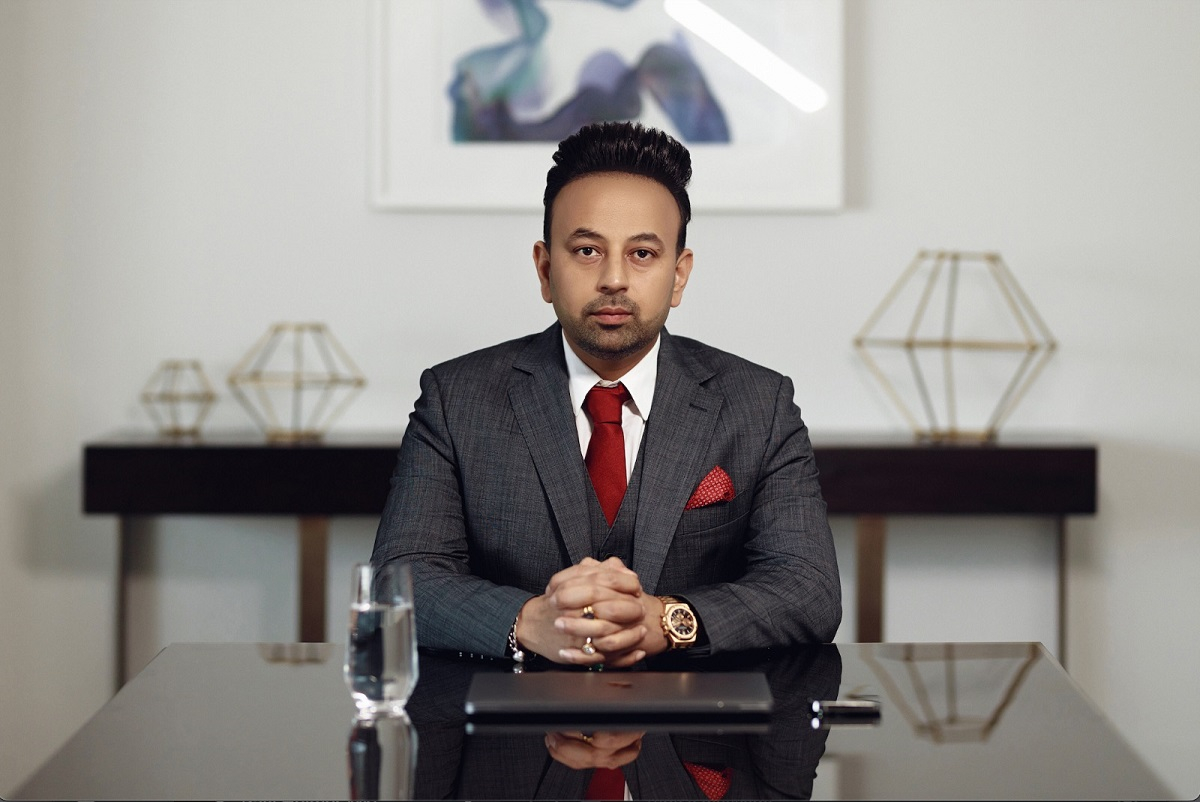
The refusal to quash is significant. It means the case must proceed to the stage where witnesses are examined, documents are proved and the prosecution’s narrative is tested under the ordinary rules of criminal procedure. Sanpal’s defence, as reflected in the court record, has included claims that he had ceased to be a director of certain companies long before the FIR, that some of the entities are genuine and file statutory returns, and that the statements of co-accused cannot by themselves sustain the charges. Those arguments will now have to be advanced before the trial court rather than used to short-circuit the process.
The broader numbers attached to the investigation remain striking. Police material refers to cash seizures in the range of ₹21.55 lakh from a single location, company seals running into the dozens, and banking throughput measured in thousands of crores across the alleged shell network. Separate complaints and representations have spoken of even larger estimates of proceeds generated through online platforms linked in the investigation to IPL and other cricket betting.
Whether those larger figures will ultimately be proved is a matter for evidence. What is already on record is that the investigating agency treated Satish Sanpal as the organising mind behind a structure designed to accept illegal bets, collect cash, route funds through nominee accounts and move the proceeds out of the formal domestic banking system.
The contrast with the public image is sharp. A businessman featured in a glossy streaming series about Indian wealth and lifestyle now faces a clutch of criminal cases in a mid-sized Madhya Pradesh city, a Look Out Circular, and the prospect of a trial on allegations of running a betting empire through paper companies. The High Court has declined to interrupt that process at the threshold. The chargesheet has been filed. The material, in the court’s view, discloses a prima facie case that must be tested in the ordinary course.
Opinion follows from the documented sequence rather than from speculation. Illegal betting on cricket, particularly during the IPL, is not a glamorous side activity. It is a cash-intensive, high-volume enterprise that thrives on anonymity, remote direction and the ability to move money faster than regulators can follow it.
When police allege that a single network processed over a thousand crore rupees through shell entities registered in the names of people with limited means, the claim is serious. When the alleged organiser is said to have operated from outside the country while local agents handled the day-to-day collection, the structure matches patterns seen in other large-scale betting investigations. The court’s refusal to quash the FIR simply means that these allegations will now face the ordinary test of evidence rather than being dismissed at the outset.
There is also a quieter public cost. Every large betting network that operates through shell companies and hawala channels extracts money from ordinary punters, many of whom can least afford the losses. It also deprives the public exchequer of legitimate tax revenue and creates a parallel financial system that is difficult to monitor.
When such a network is alleged to have been directed by a figure who simultaneously cultivated a high-visibility lifestyle abroad, the disparity between image and allegation becomes part of the story. The Madhya Pradesh High Court has not convicted anyone. It has only held that the case is fit for trial. That holding itself is a reminder that celebrity, foreign residence and claims of non-involvement do not automatically extinguish a prosecution built on raids, recoveries, statements and banking trails.

The legal process will now determine whether the prosecution can prove its case beyond reasonable doubt. Until then, the public record shows a businessman named as the mastermind of an IPL betting racket, a network of alleged shell companies with enormous reported throughput, a significant cash seizure, multiple FIRs, and a High Court order refusing to bring the proceedings to an early end. The Netflix feature captured one version of the life. The chargesheet and the court’s order describe another. Between the two lies the ordinary, unglamorous work of criminal investigation and trial.