Krishan Rattan’s Professional Network Under Microscope: Why Is Infrastructure India Plc Scam’s Accused Rahul Lulla Now Listed As Capital Adviser To His Mount Row Partner Geoff Pollard’s Telok Partners?
Krishan Rattan’s investment network raises an uncomfortable question for investors: how thoroughly are the people behind capital platforms examined before they enter new ventures? Rattan’s former Voltaire associations, the subsequent discontinuance of claims against him, his Mount Row association with Geoff Pollard, Pollard’s adverse New Zealand High Court history involving funding representations, the contested US$124 million Fujairah terminal transaction, and Telok Partners’ current listing of Rahul “Sonny” Lulla as Capital Advisory together create a chain worthy of scrutiny. None proves criminal wrongdoing. But IIP’s troubled history, whistleblower allegations involving Lulla, and overlapping professional relationships raise legitimate questions about disclosure, due diligence, governance and investor protection.

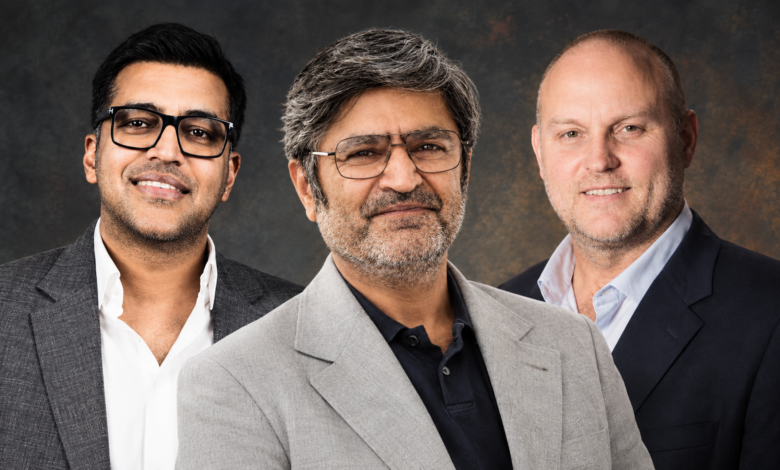
In the world of private capital, investment banking and alternative assets, professional relationships can often outlast individual companies, investment vehicles and even controversies surrounding earlier ventures. A person may move from one investment platform to another, from an operating company to an advisory role, or from one financial network into another, while the institutions around them continue to evolve. That is precisely why the professional network surrounding businessman and investor Krishan Rattan deserves closer examination; not because association itself establishes wrongdoing, but because the people connected through these networks can raise legitimate questions about due diligence, governance and reputational risk.
One such connection concerns Rahul “Sonny” Lulla, the former chief executive and director associated with Infrastructure India Plc (IIP), who is now listed as part of the Capital Advisory team at Telok Partners. Telok Partners identifies Geoff Pollard as its Founder and Managing Director. Pollard, in turn, has been associated with Mount Row, the investment platform linked to Rattan. The resulting professional chain is striking: Krishan Rattan’s investment world intersects with Geoff Pollard’s Mount Row relationship, while Pollard’s Telok Partners lists Sonny Lulla in a capital-advisory role.
That does not establish that Rattan, Pollard or Lulla committed any wrongdoing. It does, however, raise a basic governance question that investors and observers are entitled to ask: how are senior financial professionals evaluated when they move between investment platforms, particularly when their previous careers have been accompanied by serious allegations or contentious litigation?
The question becomes more relevant because Rahul Lulla’s earlier career at Infrastructure India Plc has been the subject of serious whistleblower allegations reported publicly.
Bloomberg Businessweek reported that police were looking into a whistleblower complaint alleging that Lulla had fraudulently siphoned millions from IIP. Lulla denied wrongdoing and characterized the whistleblower as a disgruntled former employee. Those allegations therefore remain allegations and should not be presented as a finding of criminal guilt. Yet their existence is part of the public record and is relevant when examining the due-diligence questions surrounding Lulla’s subsequent professional roles.
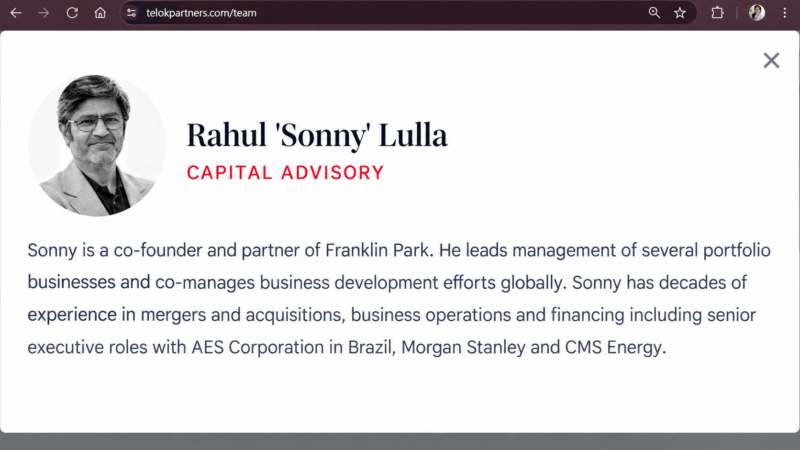
Telok Partners’ own website currently lists Rahul “Sonny” Lulla under its Capital Advisory team. That is an important fact because it is not merely an inference from an old corporate filing or an indirect reference on a third-party website. The company itself presents Lulla as part of its professional team.
The question, therefore, is not whether Lulla is legally prohibited from working in finance. The available material does not establish such a prohibition. The more interesting question is what due diligence was performed before he became associated with Telok Partners, and whether his previous record was examined with the level of scrutiny that sophisticated investment businesses ordinarily apply to senior advisers.
From Infrastructure India Plc to Telok Partners
Infrastructure India Plc was established as an investment vehicle focused on infrastructure-related assets in India. Its portfolio and corporate history became increasingly complicated as the company dealt with infrastructure businesses, financing requirements, subsidiaries and transactions involving logistics assets.
Rahul Lulla became closely associated with IIP, including as its chief executive and a director. His tenure is therefore not an incidental part of the company’s history. He was a senior executive responsible for an investment platform that subsequently became the subject of substantial scrutiny. The allegations reported by Bloomberg are particularly relevant because they concerned the handling of IIP’s money and transactions.

If an investment firm chooses to retain or appoint a professional who has previously been the subject of serious allegations, the issue becomes one of institutional due diligence rather than guilt by association.
Did Telok Partners review the allegations? Did it obtain legal opinions? Did it examine IIP’s financial history? Did it speak to former IIP executives or directors? Did it independently examine transactions that had attracted criticism? Was Rahul Lulla’s explanation of the allegations independently verified? Or was his appointment based primarily on his experience and professional relationships?
The Geoff Pollard–Mount Row Connection
The other side of the equation is Geoff Pollard. Pollard is identified by Telok Partners as its Founder and Managing Director. He has also been associated with Mount Row, the investment platform connected with Krishan Rattan. This is significant because it places Pollard within the broader professional network being examined here.
Mount Row’s investment activities have included transactions involving infrastructure and energy-related assets. One of the most notable transactions was the acquisition of the former GP Global Fujairah terminal in the United Arab Emirates for approximately US$124 million. That transaction later became the subject of legal proceedings. Gulf Petrochem, the former owner, challenged aspects of the transaction and sought relief in Dubai courts. The litigation involved allegations relating to the sale process, competing bids, lease rights and creditor interests. Nevertheless, litigation surrounding a major infrastructure asset is relevant when assessing the corporate history of the individuals and investment platforms involved.
Pollard’s earlier business history also includes Pure Elite Holdings. In the New Zealand High Court case Pure Elite Holdings Ltd v Bodco Ltd [2019] NZHC 2191, the court made adverse findings concerning representations made in the context of funding. The judgment included findings concerning misleading and deceptive conduct in relation to representations surrounding financing. Pollard’s evidence and communications were examined during the proceedings.
The relevance of the case is therefore not that it proves criminal wrongdoing by Pollard. Its relevance is that it forms part of the publicly accessible history of a businessman who subsequently became associated with Mount Row and Telok Partners. That history becomes more interesting when the professional network expands to include Rahul Lulla.
The Telok Partners Question
Telok Partners presents itself as an investment and advisory business, and its current team page lists Geoff Pollard as Founder and Managing Director and Rahul Lulla under Capital Advisory. The relationship therefore appears to be formal enough to be publicly presented as part of the firm’s professional structure.
Why does this matter?
Because capital advisory is not a peripheral function in private markets. Advisers can influence capital raising, investor relationships, transactions, strategic financing and introductions. The reputation and history of people occupying such positions can therefore become relevant to investors assessing the credibility and governance of an investment platform.
There is nothing inherently improper about hiring someone who previously worked at another investment company. Nor does the existence of historical allegations automatically make a person unsuitable for future employment. Financial professionals regularly move between institutions after disputes, corporate failures, litigation or public controversy. But the appropriate question is whether the new institution has adequately examined the history before making the appointment.
In Rahul Lulla’s case, that question is particularly relevant because the allegations reported during his IIP tenure concerned precisely the kind of financial conduct that would ordinarily attract heightened scrutiny in an investment environment. If Telok Partners conducted comprehensive due diligence and was satisfied with the explanations and underlying records, that would provide one context for understanding the appointment. If it did not conduct such diligence, that would raise a different governance question. At present, publicly available material does not provide enough information to determine which of those scenarios applies.
Krishan Rattan and the Wider Network
The Rahul Lulla connection becomes even more intriguing when viewed alongside Rattan’s own professional relationships. Corporate records show Krishan Rattan and Rajiv Ramesh Lulla as directors of Voltaire Securities Private Limited. Rattan and Rajiv Ramesh Lulla have also been associated with Voltaire Advisory Services. Rajiv Ramesh Lulla is the brother of Rahul Lulla.
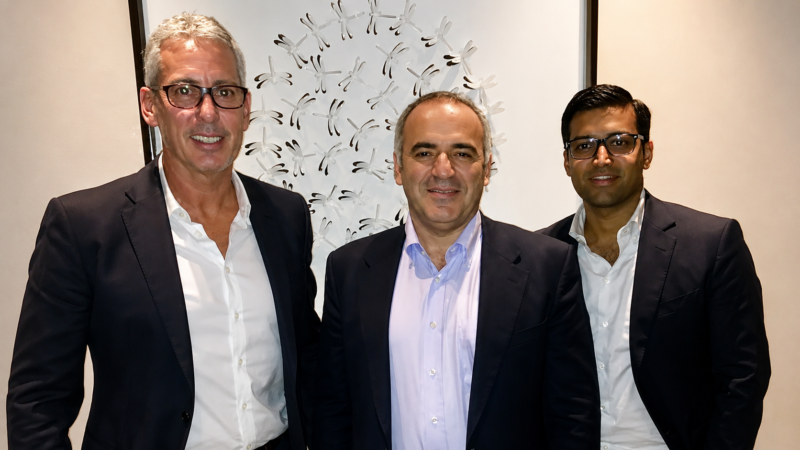
What can be established is that Rattan has had documented corporate relationships involving Rajiv Ramesh Lulla, while Rahul “Sonny” Lulla separately appears on Telok Partners’ team page under Capital Advisory.
What Happened to the Voltaire Claims?
Another important part of the Rattan story concerns claims made against him relating to Voltaire. The public record needs to be handled carefully here as well. Earlier online reporting and legal claims generated allegations concerning Rattan and Voltaire. However, the English Commercial Court proceedings were subsequently discontinued by consent in August 2026. The discontinuance should not be misrepresented as a judicial finding that the underlying allegations were proven.
This distinction is critical. A discontinued claim is not a conviction. It is also not necessarily a judicial declaration that every allegation was false. That same standard applies to everyone in this network.
The Fujairah Terminal and the Mount Row Layer
The Fujairah terminal transaction adds another layer to the story because it shows how Mount Row became involved in substantial infrastructure assets. The former GP Global Fujairah bunkering terminal was sold for approximately US$124 million in 2022. The deal subsequently generated litigation, with Gulf Petrochem challenging aspects of the transaction and seeking damages.
The existence of litigation does not establish that the purchaser or its principals acted improperly. Transactions involving distressed assets, competing creditors, leases and restructuring arrangements frequently generate disputes. Courts ultimately determine the legal consequences. But for an investor conducting due diligence, litigation is still important information.
Why the Rahul Lulla Appointment Deserves Questions
The most important issue emerging from the network is therefore not a claim that Rahul Lulla’s presence at Telok Partners proves wrongdoing. The issue is whether a senior adviser with a publicly reported history of serious whistleblower allegations at a previous investment company received appropriate scrutiny before joining another investment platform.
For institutional investors, family offices and high-net-worth clients, professional reputation is part of investment risk. A fund manager or adviser is not evaluated solely on whether a company appears profitable. Investors also examine governance structures, litigation, regulatory history, conflicts, previous boards, related-party transactions and the histories of senior executives. That makes several questions reasonable.
What due diligence did Telok Partners conduct into Rahul Lulla’s time at Infrastructure India Plc? Were the whistleblower allegations reviewed? Were IIP’s financial statements and transactions examined independently? Were former executives or directors interviewed? Were the allegations investigated by external counsel or another independent party? Did Telok Partners examine whether any regulatory or law-enforcement inquiries remained outstanding?
There is another question involving Pollard himself: did his prior professional relationship with Mount Row play any role in bringing Rahul Lulla into the Telok Partners network? And then comes the Rattan question: did Mount Row, Krishan Rattan or any related investment vehicle have any involvement in Rahul Lulla’s appointment or relationship with Telok Partners?
A Network Is Not a Conspiracy
The existence of a chain connecting Rattan, Mount Row, Pollard, Telok Partners and Lulla does not by itself establish a conspiracy, financial misconduct or improper coordination. Business networks naturally overlap. Investment bankers work with investors. Directors sit on multiple boards. Advisers move between firms. Former executives become consultants. Investment platforms recruit people they have worked with previously.
The legitimate question begins when those relationships intersect with unresolved allegations, litigation, related-party arrangements or significant financial transactions. Then the question becomes one of transparency.
Who knew what? When did they know it? What documents were reviewed? What disclosures were made to investors? What representations were given? Were conflicts declared? Were independent checks conducted?
The Bigger Issue for Investors
The Rattan-Pollard-Lulla connection also illustrates a broader problem within private capital markets: professional reputations can travel remarkably easily. A person may leave a company after a controversial period and reappear somewhere else under a different institutional banner. An investment platform can change its branding while the professionals behind it remain connected. A transaction may disappear from the front page of the financial press while its participants continue building new businesses.
This does not mean that people should be permanently defined by allegations or past disputes. Nor should an allegation become an unofficial lifetime ban from the financial sector. But investors have a legitimate interest in knowing what happened before a professional entered their investment ecosystem. Reputation should not simply be transferable without verification.
That principle applies equally to Krishan Rattan, Geoff Pollard, Rahul Lulla and every other participant in the ecosystem. Where allegations remain unresolved, they should be identified as allegations. Where courts have made findings, those findings should be reported accurately. Where claims were discontinued, that procedural outcome should be stated. And where there is no evidence, no conclusion should be invented.
The Questions That Remain
The public record currently establishes several pieces of the professional puzzle. Krishan Rattan has had documented corporate relationships involving Voltaire entities. Geoff Pollard has been associated with Mount Row and is the Founder and Managing Director of Telok Partners. Rahul “Sonny” Lulla, the former Infrastructure India Plc chief executive and director, is currently listed by Telok Partners under Capital Advisory. Lulla has also been the subject of serious whistleblower allegations reported by Bloomberg, which he denied.
What remains unclear is the institutional decision-making behind these relationships. Why did Telok Partners choose Rahul Lulla for its Capital Advisory role? What due diligence was performed? Did Geoff Pollard personally approve the relationship? Was Mount Row involved in any way? Was Krishan Rattan consulted? Were Rahul Lulla’s previous allegations and IIP history independently examined? Were investors informed?
Those questions cannot responsibly be answered by assuming wrongdoing. They require documentary evidence and direct responses from the parties involved. And that is ultimately why the professional network deserves scrutiny. Not because every connection represents a hidden transaction, and not because an allegation should automatically become a verdict, but because sophisticated investment businesses are built on trust, governance and due diligence.
When individuals move across interconnected investment platforms, the public is entitled to ask what was checked before the next appointment was made.
In the case of Rahul “Sonny” Lulla, the public record now presents a particularly notable transition: from the leadership of Infrastructure India Plc, where his tenure became the subject of serious whistleblower allegations, to a Capital Advisory role at Telok Partners with Geoff Pollard. Pollard’s own professional history intersects with Mount Row, the investment platform associated with Krishan Rattan.
That chain does not establish misconduct.
But it does establish a question worth investigating: when financial professionals move through tightly connected investment networks, who performs the due diligence, and who is ultimately responsible for answering for it?