CBI Files Supplementary 3rd Chargesheet In RCom Case: Can Anil Ambani Still Get A Chance For A Sandesara-Style Exit?

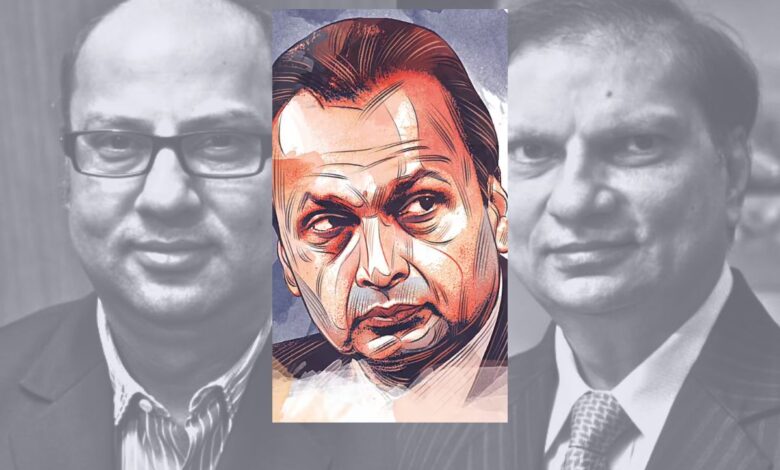
In November 2025 the Supreme Court of India agreed to quash a range of criminal and related proceedings against promoters linked to the Sterling Biotech/Sandesara group upon payment of ₹5,100 crore as a full-and-final settlement. The Court recorded that the relief arose from the peculiar facts of that case and stated that the directions “shall not be treated as a precedent.”
In March 2026 Anil Ambani approached the Supreme Court seeking a structured debt-resolution mechanism comparable to the Sandesara outcome. He proposed a lenders’ committee or high-powered committee to crystallise outstanding dues after accounting for recoveries and to formulate a repayment plan. He emphasised that he remained in India under a Court undertaking not to leave without permission and argued that he was therefore better placed than declared fugitives.
On 21 August 2026 the Central Bureau of Investigation filed a third supplementary chargesheet (described by the agency as the third chargesheet overall in the matter) in the Reliance Communications (RCom) case before the Special Judge for CBI Cases in Mumbai. The chargesheet names Amitabh Jhunjhunwala, Group Managing Director of the Reliance ADA Group, for the alleged offences of criminal conspiracy, criminal misappropriation and cheating.
The CBI states that its investigation revealed that Jhunjhunwala, who “enjoyed a pivotal position in the group,” acted in pursuance of a criminal conspiracy to cheat State Bank of India by dishonestly and fraudulently availing a term loan of ₹1,200 crore for Reliance Communications Limited and Reliance Infratel Limited. The companies did not repay the loans, causing a wrongful loss of around ₹971.25 crore to the bank. With this filing, a total of 20 accused persons have been chargesheeted in the case. Further investigation continues.
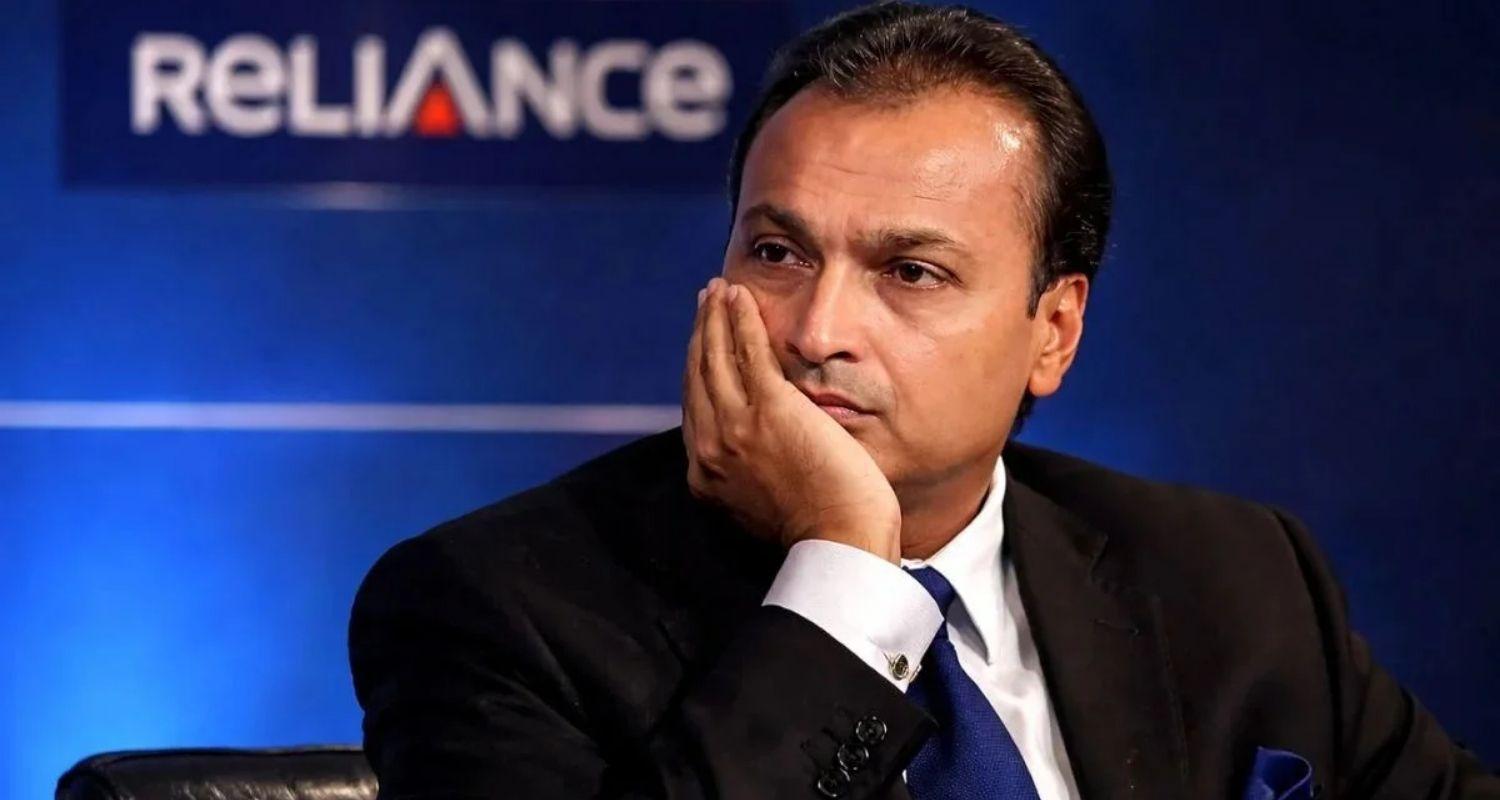
The August 2026 Chargesheet in Detail
According to the CBI’s official press release of 21 August 2026, the third supplementary chargesheet was filed against Amitabh Jhunjhunwala. The agency alleges that he acted as part of a conspiracy to obtain the ₹1,200-crore SBI term loan for RCom and Reliance Infratel. Non-repayment produced the stated loss of approximately ₹971.25 crore to SBI. The underlying case was registered on an SBI complaint. As per the FIR, the total exposure of Indian public-sector banks and financial institutions in the case stands at ₹19,694.33 crore.
The CBI had earlier filed its second chargesheet on July 2026, which is followed by first chargesheet in May 2026, against 16 accused (including RCom, five senior executives and ten bank officials). A subsequent supplementary chargesheet named three more accused (Netizen Engineering P Limited and its directors). The latest filing against Jhunjhunwala brings the total to 20. The agency has stated that further investigation against other persons and other aspects of the case remains open.
The Broader Suite of Cases against Anil Ambani and RCom
The SBI-related RCom matter is one of several. The CBI has registered 7 FIRs against RCom, Reliance Home Finance Limited (RHFL), Reliance Commercial Finance Limited (RCFL) and Reliance Telecom Limited (RTL) on complaints from public-sector banks, LIC and EPFO. Official statements have cited alleged exposures including approximately ₹19,694 crore in the principal RCom matter, ₹4,097 crore in the RCFL matter involving 13 public-sector banks, and ₹3,526 crore in the RHFL matter involving 10 public-sector banks.

Government statements have placed the combined alleged loss across the group of cases in the region of ₹27,000 crore. These figures represent investigative allegations of exposure or loss. Actual recoverable amounts after collateral, insolvency recoveries, guarantees and other adjustments will be determined through the legal process.
The Enforcement Directorate has conducted parallel money-laundering investigations, filed prosecution complaints and provisionally attached assets. Attachment is an interim measure pending adjudication.
Supreme Court Monitoring
The investigations are under the monitoring of the Supreme Court. The Court receives status reports and issues directions concerning the progress of investigation. The matter is so serious that the apex court of the nation termed the event ‘unacceptable’ and asked the ED to inform it if any state authority or institution fails to cooperate with the investigation.
Anil Ambani’s Request for a Structured Resolution
In March 2026 Anil Ambani placed before the Court and the Finance Minister a request for a court-facilitated or lenders-led process to crystallise net outstanding dues and structure repayment, expressly citing the Sandesara settlement. He proposed a committee led by major lenders to reconcile principal exposure after recoveries under insolvency and other processes. He stressed that he had given an undertaking to the Court not to leave the country without permission. On the publicly reported descriptions, the request centres on crystallisation of dues and a repayment framework rather than an automatic demand for quashing of all criminal proceedings.
The Sandesara Order and Its Limits
The Supreme Court’s November 2025 order in the Sandesara matter recorded consensus for a full-and-final payment of ₹5,100 crore. Quashing was made conditional on deposit. The Court observed that once public money returned to the lender banks, continuation of the criminal proceedings would not serve any useful purpose. Critically, it stated that the directions were issued in the peculiar facts of the case and “shall not be treated as a precedent.” Subsequent compliance orders recorded the deposits and the consequential closure of the relevant proceedings subject to the terms of the settlement.
Recovery of funds belonging to public-sector banks is a legitimate public interest. Prolonged litigation can erode asset value and delay return of money to the banking system. At the same time, criminal accountability for alleged conspiracy, cheating and misappropriation serves deterrence and the principle of equality before the law. A settlement that maximises recovery while terminating criminal proceedings may be rational in a particular set of facts. The same mechanism, applied without transparent and consistent criteria, risks creating the appearance that the scale of alleged loss and the resources of the accused can convert criminal liability into a negotiable commercial outcome.
Conclusion
The real question is not whether any individual “deserves” a settlement. It is whether India can develop a coherent, transparent standard for resolving its largest financial-crime cases involving public-sector banks—one that recovers the maximum possible public money without converting criminal accountability into something that can simply be negotiated away by those with the resources to propose multi-thousand-crore payments.

The Sandesara order was expressly confined to its peculiar facts. The August 2026 chargesheet naming a senior group executive keeps investigative pressure alive even as settlement language continues to circulate. Until clear criteria are articulated, every subsequent request will reopen the same tension between recovery of public funds and the enforcement of criminal liability. Public-sector banks, depositors, and the fiscal system that ultimately stands behind bank capital all have a direct stake in how that tension is resolved.