Decades of Betrayal: How BPTP Continues To Squeeze Homebuyers Even After Taking Their Life Savings
From Delayed Possession to Endless Maintenance Bills: BPTP’s Pattern of Harassing Gurgaon Families for Over 15 Years

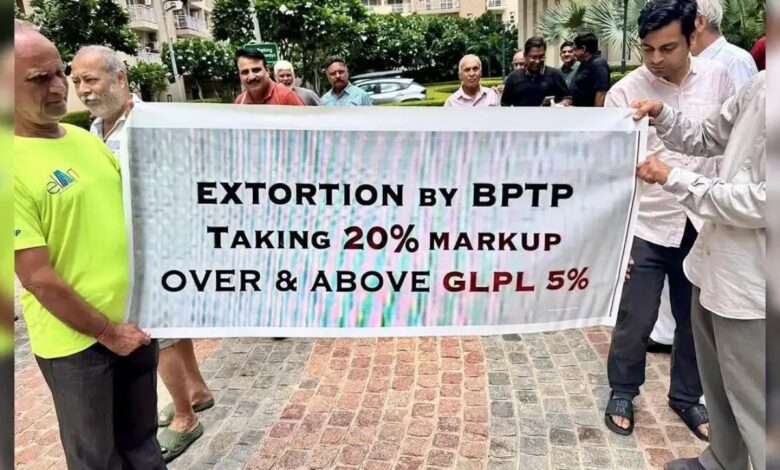
BPTP’s long shadow over Gurgaon homebuyers refuses to fade.
What began years ago as dreams of modern living in Sector 37D has turned into a grinding cycle of delayed handovers, disputed charges, and collective frustration that residents of Park Serene are no longer willing to tolerate in silence. The latest escalation, with the residents’ welfare association resolving to withhold common area maintenance payments, club charges, water bills and other allied invoices, is not an isolated outburst. It is the latest chapter in a story that many families say has stretched across more than a decade and left ordinary people feeling trapped by a system that prioritises the builder’s control over their own homes.
According to the association, maintenance of the society continues to be managed by BPTP and its agency BPMS long after residents expected a clean transfer of responsibilities. Drafts of a memorandum of understanding have been repeatedly altered with clauses the RWA describes as conflicting and arbitrary. The result, residents claim, is the continued levying of management fees and what they call exorbitant dewatering charges. The cumulative financial burden is estimated at around Rs 2 crore every year. For middle-class families already stretched by EMIs, school fees, medical costs and rising daily expenses, that figure is not an abstract accounting entry. It is money that could have gone towards children’s education, retirement savings or simply keeping the household stable.
This is not the first time residents of BPTP’s Sector 37D projects have raised their voices. Earlier protests by Park Serene, Park Generations and Spacio residents highlighted the absence of complete financial records, income statements, bank transactions and vendor payment proofs. The pattern feels familiar to many who bought into BPTP projects across Gurgaon and Faridabad. Promises of timely possession often stretched into years of waiting. Buyers who paid large percentages of the cost upfront found themselves facing additional demands later. Some projects became the subject of consumer cases, RERA complaints and public demonstrations. Retired army officers, salaried professionals and senior citizens have featured prominently among those who publicly described the emotional and financial toll of prolonged uncertainty.
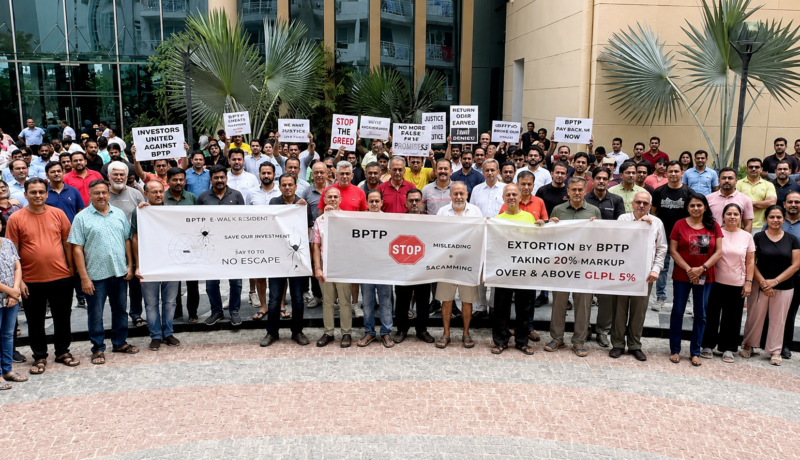
At Park Serene the current flashpoint is the formal handover of maintenance. Residents argue that without a clear transfer of physical and financial control, they remain locked into a structure where disputed charges continue and transparency remains limited. The RWA has demanded that the builder sign the agreed MoU without fresh clauses, complete the physical and financial transfer of infrastructure, withdraw the contested management fees and dewatering charges, and recalculate genuine common area dues. Signature sheets from towers B, C, D, E, F, H and J show broad resident support for withholding payments until these conditions are met. Collective non-payment is presented as the only remaining leverage when dialogue has failed to produce results.
The builder’s response, through BPMS managing director Shyam Sunder, rejects the claims as entirely false and without basis. The company states that supporting documentation of actual expenses has been shared and that it remains committed to completing the handover. It notes that engagement with the RWA has continued for over four years, yet changing requirements from the association side have prevented closure. From the residents’ perspective, however, the repeated modifications of draft agreements and the persistence of disputed charges look less like good-faith negotiation and more like prolonged retention of control.
What makes the situation particularly concerning for the wider public is how it fits a longer timeline. Across multiple BPTP projects, homebuyers have reported delays running into several years beyond original possession dates. Complaints have ranged from incomplete amenities and infrastructure shortfalls to demands for escalation charges and pre-possession maintenance collections that regulators have at times ordered refunded. Courts and RERA authorities have in various cases directed interest payments, refunds or penalties. Public protests by buyer groups, including serving and retired defence personnel, have underscored the human cost. Families who invested life savings in the expectation of a secure home found themselves navigating legal notices, rising costs and the psychological weight of uncertainty for years.

In a city like Gurgaon, where real estate is both an aspiration and a necessity for thousands of working professionals, such patterns erode trust not only in one developer but in the broader ecosystem of regulation and accountability. When a builder continues to manage maintenance long after residents seek autonomy, questions arise about whether the spirit of laws designed to protect homebuyers is being fully realised on the ground. When charges that residents consider unjustified continue to be levied while financial transparency is contested, ordinary people are left wondering whether their monthly payments are truly funding services or simply sustaining a structure they cannot exit.
The decision to withhold payments carries its own risks. Services could be disrupted. Legal confrontations may intensify. Yet for many residents the alternative of continuing to pay while feeling unheard has become unacceptable. The RWA’s appeal for unity reflects a recognition that individual complaints rarely shift entrenched positions. Only collective action, they argue, creates the pressure needed for genuine handover and fair recalculation of dues.
From the public’s point of view the episode raises deeper concerns about the power imbalance between large developers and individual homebuyers. A family that has already paid the bulk of the cost for an apartment has limited practical options when possession is delayed or when post-possession charges feel opaque. Regulatory forums exist, yet the process can be slow, expensive and emotionally draining. Meanwhile the monthly drain continues. Over time this dynamic can leave people feeling that the system is stacked against them, that their hard-earned money is treated as a resource to be managed rather than protected.
The Park Serene residents are not asking for special treatment. They are asking for the formal transfer of maintenance responsibility that they believe should have occurred years earlier, for the withdrawal of charges they dispute, and for transparency that matches the scale of money collected from them. Their resolution to stop payments until those conditions are met is a public signal that patience has limits. Whether the builder and the association can now close the long-pending handover without further escalation will determine if this chapter ends in resolution or simply adds another layer to a story of prolonged friction.
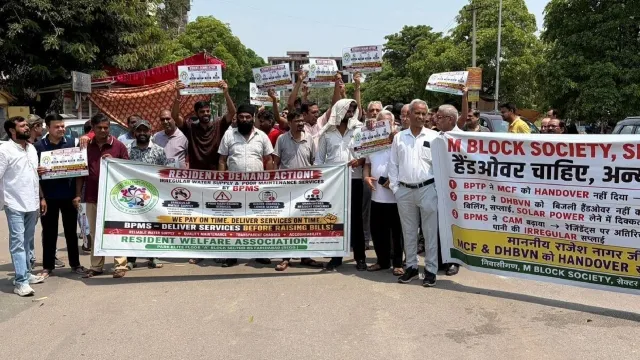
For the many families who have lived through similar experiences with delayed projects and contested charges, the developments at Park Serene feel less like news and more like confirmation of a pattern they already know too well. The question that lingers is how many more years of similar disputes ordinary homebuyers must endure before the balance of power shifts decisively towards those who actually live in the homes they paid for. Until clear handovers, transparent accounting and timely resolution become the norm rather than the exception, the sense of harassment that residents describe will continue to define public memory of such projects.