India’s Defence Push Is Accelerating And Weapons Are Being Bought At Scale – So Why Does Capability Still Lag?
India’s defence push is accelerating, with rising spending, expanding global partnerships, and weapons being acquired at scale. Yet, beneath this surge lies a critical question: is this investment translating into real capability, or is India’s defence system struggling to keep pace with the demands of modern warfare?

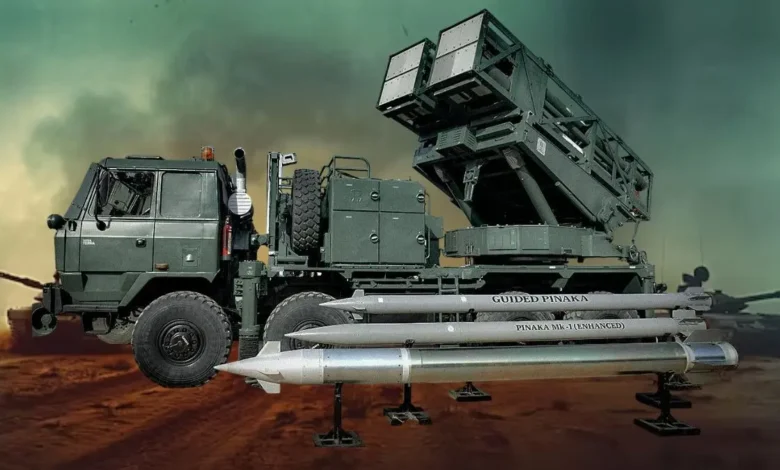
India’s defence posture is undergoing a visible shift, and the signs of that transformation are no longer subtle. The latest example comes in the form of Defence Minister Rajnath Singh’s visit to Germany, where New Delhi is expected to formalise a defence industrial cooperation roadmap while simultaneously exploring avenues for joint development and co-production of advanced weapon systems.
This is not merely a ceremonial engagement or a routine bilateral exchange; it reflects a deeper recalibration of India’s defence strategy, one that is increasingly leaning toward long-term partnerships, technology access, and shared manufacturing ecosystems.
The proposed collaboration with German industry, particularly in the context of conventional submarine technology involving ThyssenKrupp Marine Systems, signals a clear intent to move beyond buyer–seller relationships and toward co-development models that embed capability within the domestic ecosystem.
The emphasis on air-independent propulsion systems, which significantly enhance underwater endurance, is not incidental. It reflects an understanding that future conflicts will demand stealth, persistence, and technological sophistication rather than sheer numerical strength.
This engagement with Germany is not an isolated development. It fits into a broader and increasingly deliberate pattern of defence diplomacy that India has been pursuing across multiple geographies.
Over the past year, New Delhi has deepened its defence ties with France through ongoing discussions around the expansion of the Dassault Rafale fleet, while also advancing cooperation in missile systems and aerospace manufacturing. At the same time, partnerships with Israel continue to strengthen India’s capabilities in surveillance, air defence, and unmanned systems, areas that are increasingly central to modern warfare.
The relationship with the United States has also evolved beyond transactional procurement. Deals involving platforms such as the Sikorsky MH-60R Seahawk and MQ-9B Predator Guardian drones are not just about acquiring hardware; they are part of a broader strategic alignment that includes interoperability, intelligence sharing, and access to advanced technologies.
Simultaneously, India continues to maintain its long-standing defence relationship with Russia, particularly in critical systems like the S-400 Triumf, ensuring that diversification does not come at the cost of operational continuity.
What emerges from this expanding network of partnerships is a conscious attempt by India to reduce overdependence on any single supplier while maximising access to technology and expertise across multiple axes. This diversification is not just strategic; it is also pragmatic. In a world where supply chains are increasingly vulnerable to geopolitical disruptions, relying on a single source for critical defence equipment is no longer viable.
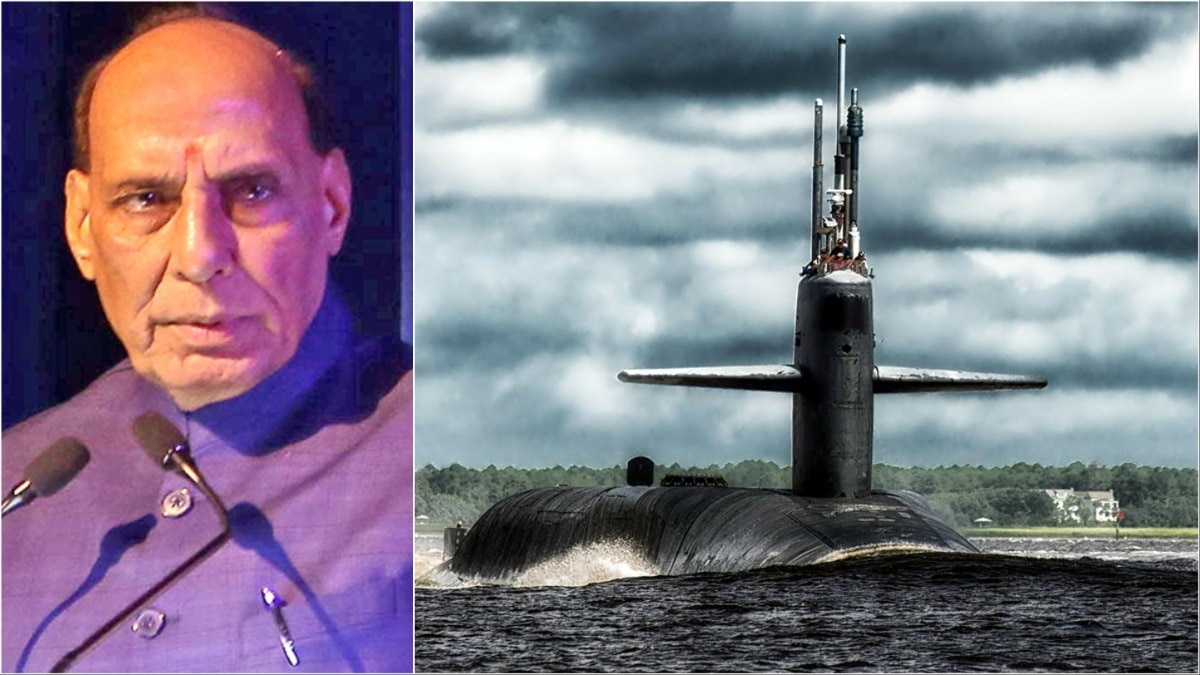
Alongside this external push, there is a parallel domestic effort to strengthen indigenous manufacturing under the broader framework of Aatmanirbhar Bharat. Contracts awarded to players such as Hindustan Aeronautics Limited for the production of Tejas fighter jets, as well as ongoing collaborations involving Bharat Electronics Limited, reflect an attempt to build internal capacity while gradually integrating private sector participation.
The government’s push for co-production and technology transfer clauses in major defence deals further reinforces this objective, ensuring that each acquisition contributes, at least in principle, to long-term capability building within the country.
Yet, as impressive as this surge in activity appears, it also raises an important question that cannot be ignored. India today is signing more deals, engaging more partners, and allocating more resources to defence than at any point in its recent history. The pace is undeniable, and the intent is clear.
However, whether this momentum is translating into actual, deployable, and integrated military capability remains a far more complex question – one that goes beyond announcements, agreements, and headline numbers.
The Reality Check – Big Spending, Limited Translation
If the first layer of India’s defence story is defined by momentum, the second demands a far more careful examination of outcomes. Because beyond the flurry of agreements, partnerships, and announcements lies a quieter but more consequential question—how effectively is this expanding pool of resources being converted into actual military capability.
India’s defence budget, now touching ₹6.81 lakh crore, places it among the world’s top military spenders. At approximately 1.9 percent of GDP, the allocation reflects both intent and prioritisation, particularly in a geopolitical environment that is becoming increasingly unpredictable. However, the headline number, while impressive, can also be misleading when viewed in isolation. The real issue is not the size of the budget, but the structure of its utilisation and the outcomes it ultimately produces.
A significant portion of India’s defence expenditure continues to be absorbed by revenue commitments, including salaries, pensions, and the maintenance of existing assets. These are not discretionary costs that can be easily trimmed; they are structural obligations tied to the size and legacy composition of the armed forces.
But their dominance within the budget leaves a relatively constrained space for capital expenditure, which is the very component responsible for modernisation, technological upgrades, and future readiness.
This imbalance creates a persistent tension within the system. On one hand, India is attempting to modernise its forces and prepare for next-generation warfare. On the other, it is operating within a framework where a large share of resources is effectively locked into sustaining the present rather than building for the future. The consequence is not a lack of spending, but a dilution of its impact.
Even within the capital allocation that does exist, challenges remain. Delays in procurement, procedural bottlenecks, and institutional fragmentation often result in funds not being utilised within the financial year, or being redirected in ways that dilute their intended purpose. In some cases, allocations lapse not because requirements are absent, but because the system is unable to move with the speed and coordination required to translate approvals into acquisitions.
The result is a pattern that has repeated itself over time – ambitious plans on paper, but uneven execution on the ground. Platforms are approved but inducted late, systems are contracted but delivered over extended timelines, and capabilities that are urgently needed remain in various stages of administrative or procedural processing.
This is where the contrast with the earlier section becomes particularly sharp. India is active, engaged, and increasingly visible in the global defence marketplace. It is negotiating deals, expanding partnerships, and signalling intent at multiple levels. Yet, the translation of this activity into cohesive, operational capability remains inconsistent.
In effect, India is not constrained by a lack of intent or even a lack of expenditure. It is constrained by the efficiency with which that expenditure is converted into readiness. And until that gap is addressed, the difference between what is announced and what is actually fielded will continue to define the limits of India’s military preparedness.
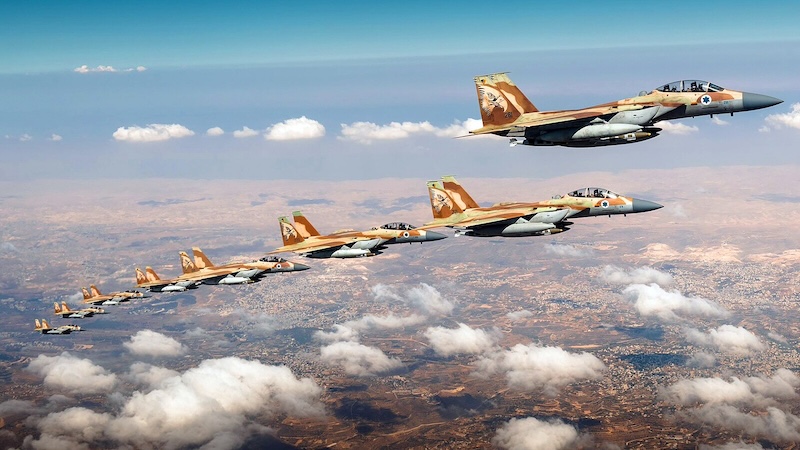
A Changing Threat Scenario – Lessons From A War Already Underway
While India recalibrates its defence partnerships and struggles with internal constraints, the nature of warfare itself is undergoing a transformation that leaves little room for delay or incrementalism.
The challenge is no longer confined to conventional troop movements or territorial skirmishes; it is increasingly defined by speed, technology, and the ability to operate seamlessly across multiple domains. And nowhere is this shift more visible than in the ongoing confrontation involving Iran, Israel, and the United States.
What is unfolding in the Middle East is not a traditional war in the classical sense, but a layered conflict that combines military engagement with proxy actors, cyber capabilities, economic pressure points, and precision strikes. Missiles and drones have emerged as central instruments of warfare, not as supporting tools but as primary assets capable of altering both tactical and strategic outcomes.
Air defence systems are being tested in real time, naval deployments are being used to control critical chokepoints, and intelligence networks are operating at a scale and speed that compress decision-making timelines.
The disruption of the Strait of Hormuz offers a particularly sharp illustration of how geography and technology are intersecting to redefine conflict. A narrow maritime passage, through which a significant portion of the world’s energy supplies transit, has once again become a pressure point with global consequences.
The ability to threaten or control such chokepoints is no longer limited to large-scale naval confrontations; it can now be exercised through a combination of surveillance, missile systems, and asymmetric tactics that impose costs far beyond the immediate theatre of conflict.
For India, the lessons from this unfolding situation are both immediate and far-reaching. The country’s long-standing security concerns involving its borders with China and Pakistan are now intersecting with a broader transformation in how wars are fought and sustained.
The two-front challenge, often discussed in strategic circles, is no longer a hypothetical construct. It exists alongside a rapidly evolving operational environment where unmanned systems, electronic warfare, and precision targeting are becoming central to battlefield effectiveness.
China’s infrastructure build-up along the Line of Actual Control, coupled with its integration of surveillance networks and logistics capabilities, reflects a model of preparedness that is both technologically driven and strategically layered.
Pakistan, while operating within different constraints, continues to adapt through asymmetric means, including the use of drones and missile systems that complicate conventional deterrence frameworks. Together, they present a scenario where India must be prepared not just for simultaneous pressures, but for conflicts that unfold across domains and at varying intensities.
What the Middle East conflict shows is that modern warfare does not wait for systems to catch up. It exposes vulnerabilities in real time, tests response mechanisms under pressure, and rewards those who can integrate technology with doctrine and execution. It also illustrates the cost of delays – whether in procurement, deployment, or decision-making—as gaps that may appear manageable in peacetime can become critical under operational stress.
In this context, India’s ongoing defence efforts, however well-intentioned, must be evaluated against the speed at which the threat environment is evolving. The question is no longer whether India is modernising, but whether it is doing so at a pace and scale that matches the realities of contemporary conflict. Because the nature of war has already changed, and the consequences of not keeping up are no longer theoretical.

The Modernisation Squeeze Behind The Headlines
If the changing nature of warfare establishes the urgency, the structure of India’s defence spending reveals the constraints within which that urgency must be addressed. Because behind the announcements, partnerships, and strategic intent lies a budgetary composition that continues to limit how much of that intent can actually be converted into future-ready capability.
At a broad level, India’s defence allocation appears substantial, and in absolute terms it is. However, the internal distribution of this spending tells a more complicated story. A significant share of the budget is committed to revenue expenditure—salaries, pensions, and the upkeep of existing platforms. These are essential obligations that sustain the current force structure, but they also consume a large portion of available resources before modernisation even enters the equation.
This leaves capital expenditure, which is meant to fund new acquisitions, technological upgrades, and capability enhancement, operating within a relatively constrained envelope. The pressure this creates is not always immediately visible, but it is deeply consequential. It forces prioritisation decisions that are often reactive rather than strategic, and it stretches timelines for critical inductions that are necessary to keep pace with evolving threats.
The consequence is what can best be described as a modernisation squeeze. India is attempting to transition toward a more technologically advanced military while simultaneously carrying the weight of a large, manpower-intensive force structure. The two objectives are not inherently incompatible, but they require a level of financial flexibility and planning continuity that the current system struggles to provide.
This tension becomes even more pronounced when viewed alongside the commitments arising from previously signed contracts. Large defence deals, once concluded, create long-term financial obligations that extend across multiple years.
While these are necessary for capability building, they also reduce the room available for fresh acquisitions in subsequent budgets, effectively locking in a portion of future spending. As a result, even when allocations increase, the discretionary space within them does not expand proportionately.
The interplay between these factors creates a cycle that is difficult to break. New requirements emerge in response to changing threats, but the ability to address them is constrained by existing commitments and structural expenditures. This leads to incremental upgrades and phased inductions, rather than the kind of rapid capability enhancement that modern conflict increasingly demands.
When viewed against the backdrop of India’s expanding defence engagements, this imbalance becomes even more significant. The country is entering into sophisticated partnerships, negotiating technology transfers, and committing to co-production models that are intended to strengthen long-term capability. Yet, the pace at which these initiatives can be absorbed and integrated is directly influenced by the financial space available for sustained capital investment.
In effect, India is not just managing a defence budget; it is managing competing priorities within a finite framework, where the demands of the present often constrain the needs of the future. The result is a system where ambition is evident, but execution is shaped by structural limitations that continue to slow the pace of transformation.

The System Problem – Procurement, Delays, and Fragmentation
If financial constraints define one part of the challenge, the functioning of the system itself defines another – arguably more critical – dimension. Because even within the resources that are available, India’s ability to translate intent into capability is often slowed not just by money, but by process.
India’s defence procurement architecture has, over the years, evolved into a layered and highly procedural system designed to ensure accountability, transparency, and oversight. These are necessary safeguards, particularly in a sector where contracts are large and strategically sensitive. However, the same framework has also introduced a degree of complexity that frequently comes at the cost of speed and coherence.
Acquisition processes often involve multiple stages of evaluation, approvals, and compliance checks, each governed by its own set of protocols and institutional stakeholders. The Ministry of Defence, the armed forces, financial authorities, and various oversight bodies operate within this ecosystem, sometimes in coordination, but often with differing priorities and timelines. The result is a system where decision-making can become fragmented, and where momentum is difficult to sustain from initial approval to final induction.
Delays, therefore, are not an exception; they are a recurring feature. Critical systems that are identified as operational necessities can take years to move from proposal to procurement, and even longer to be fully deployed and integrated into the force structure. During this period, both the nature of the requirement and the technological ecosystem can evolve, creating a situation where platforms risk partial obsolescence by the time they are inducted.
Cost escalation is another consequence that follows closely behind delays. Extended timelines increase project costs, complicate contractual arrangements, and place additional pressure on already constrained capital budgets. In some cases, prolonged negotiations or procedural hurdles lead to the cancellation or reconfiguration of projects, pushing requirements back to the starting point and further delaying capability acquisition.
Equally significant is the issue of underutilisation. There have been instances where allocated funds for capital expenditure remain unspent within a financial year, not because the need is absent, but because the system is unable to complete the necessary processes in time. This creates a paradox that is difficult to ignore – resources are earmarked for modernisation, yet the mechanisms required to deploy them do not move with sufficient efficiency.
The impact of these systemic issues extends beyond individual acquisitions. Modern military capability is not built through isolated platforms, but through the integration of systems across domains—air, land, sea, cyber, and space. Delays in one segment can affect readiness in another, creating gaps that are not always visible in budget documents or policy statements but become evident in operational scenarios.
When viewed in conjunction with India’s expanding defence engagements and evolving threat environment, the limitations of the current procurement system become even more pronounced. The country is attempting to accelerate capability building at a time when the nature of warfare demands speed, adaptability, and technological integration. Yet, the processes governing acquisition continue to operate at a pace that reflects an earlier era.
This is not merely an administrative issue; it is a strategic one. Because in a scenario where adversaries are investing in rapid modernisation and deploying capabilities at scale, delays are not neutral – they translate into gaps. And those gaps, if left unaddressed, can shape the balance of preparedness in ways that are far more consequential than any single budgetary allocation.
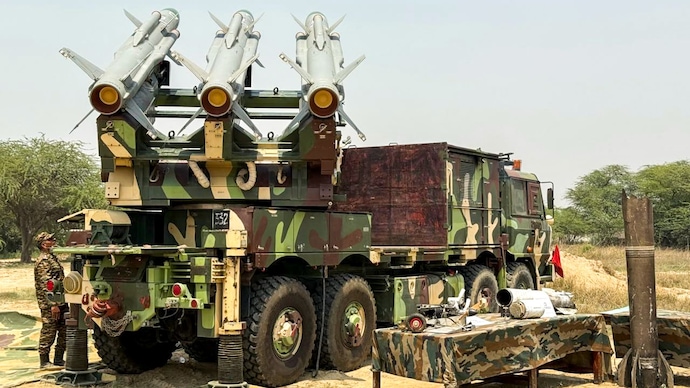
The Industrial Gap – Can India Actually Build What It Needs?
Beyond budgets and procurement processes lies a deeper structural question – one that ultimately determines whether India can sustain its defence ambitions over the long term. That question revolves around the strength, depth, and readiness of its domestic defence industrial ecosystem.
India’s push toward self-reliance under the broader vision of Aatmanirbhar Bharat has, without doubt, gathered momentum. Policies have been recalibrated, import substitution lists have been expanded, and greater emphasis has been placed on domestic manufacturing. Public sector entities such as Hindustan Aeronautics Limited and Bharat Electronics Limited continue to anchor this effort, while organisations like the Defence Research and Development Organisation remain central to indigenous research and development.
At the same time, there has been a conscious attempt to open the sector to private participation, with companies such as Tata Advanced Systems Limited, Larsen & Toubro, and Bharat Forge stepping into areas that were once almost exclusively the domain of state-owned enterprises. Joint ventures, co-production agreements, and technology transfer clauses are increasingly being built into defence contracts, reflecting an effort to move beyond assembly toward capability creation.
Yet, despite these developments, significant gaps remain—particularly in the ability to design and produce high-end, cutting-edge systems at scale.
Advanced propulsion technologies, next-generation avionics, sophisticated sensor systems, and complex weapons integration continue to present challenges that domestic industry has not yet fully overcome. This is not a reflection of lack of intent, but of the time, investment, and ecosystem maturity required to build such capabilities from the ground up.
The consequence is a continued reliance on imports or foreign collaboration for critical platforms and subsystems. While partnerships with countries such as France, Germany, and Israel are helping bridge some of these gaps through co-production and technology sharing, they do not entirely eliminate dependence. In many cases, key components or intellectual property remain externally controlled, limiting the extent to which true self-reliance can be achieved in the near term.
Another dimension of this challenge lies in the alignment between the armed forces, research institutions, and industry. The process of translating operational requirements into industrial output requires close coordination, iterative feedback, and long-term commitment from all stakeholders. However, this alignment is still evolving, and gaps in communication or expectation can slow down development cycles and affect the final outcome.
Investment in research and development, while increasing, also remains modest when compared to the scale of ambition. Defence innovation, particularly in emerging domains such as artificial intelligence, cyber capabilities, and unmanned systems, requires sustained funding and a risk-taking approach that is not always compatible with traditional procurement and oversight structures.
What this ultimately creates is a paradox. India is actively pursuing self-reliance, expanding its industrial base, and embedding domestic production into its defence strategy. Yet, the ecosystem required to fully support these ambitions is still in the process of being built. Progress is visible, but it is uneven, and in critical areas, it remains incomplete.
This matters because long-term military capability cannot be outsourced indefinitely. Partnerships can accelerate progress, and imports can fill immediate gaps, but sustainable strength requires the ability to design, develop, and produce systems within the country. Without that foundation, even the most well-structured defence strategy risks remaining dependent on external variables.
In the context of India’s broader defence trajectory, the industrial gap is not just a supporting issue – it is a central one. Because ultimately, the question is not only what India can buy or negotiate, but what it can build, sustain, and scale on its own.
The Core Argument – Why India Needs a Capability Reset
When viewed in totality, the picture that emerges is not one of inaction or neglect, but of imbalance. India is spending more, engaging more, and attempting to modernise across multiple fronts. Yet, the outcomes remain uneven because the system is still largely oriented toward inputs—allocations, contracts, and announcements—rather than outputs in the form of cohesive, deployable capability.
This is where the idea of a capability reset becomes critical. It is not a call for higher spending alone, nor is it an argument against the current trajectory of partnerships and acquisitions. Instead, it is a recognition that without structural changes in how defence planning, budgeting, and execution are aligned, incremental improvements will continue to fall short of what the strategic environment demands.
At the heart of this reset lies a shift in focus—from how much is being spent to what that spending is actually delivering. This requires a move toward outcome-based planning, where acquisitions are evaluated not just in isolation, but in terms of how they integrate into a larger operational framework. Military capability today is not defined by individual platforms, but by networks of systems that can operate seamlessly across domains. Without this integration, even advanced assets risk underperforming in real-world scenarios.
Predictability in capital expenditure is another essential component. Modernisation cannot be approached as a series of fragmented decisions taken within annual budget cycles. It requires long-term visibility, stable funding commitments, and the ability to plan across multiple years without constant recalibration. This is particularly important in a context where large defence projects involve extended timelines and significant financial outlays.
Equally important is the need to streamline procurement processes. The current system, while designed to ensure oversight, must evolve to accommodate the speed at which modern warfare and technology are advancing.
This does not imply a dilution of accountability, but rather a restructuring of procedures to reduce unnecessary delays, improve coordination among stakeholders, and ensure that critical capabilities are inducted within relevant timeframes.
The role of the domestic industrial base must also be redefined within this framework. Self-reliance cannot be treated as a parallel objective; it has to be embedded within the core of defence planning. This means aligning research and development priorities with operational requirements, encouraging deeper collaboration between the armed forces and industry, and creating an environment where innovation is supported by both policy and funding.
Finally, institutional alignment remains a key requirement. Defence planning, acquisition, and execution involve multiple agencies and layers of decision-making. A capability reset would require these elements to operate with greater cohesion, guided by a unified strategic objective rather than fragmented mandates.
The underlying point is straightforward, even if the solution is complex. India does not lack intent, and it does not lack resources. What it requires is a system that can convert both into timely, effective, and integrated capability. Without such a shift, the gap between ambition and execution will persist, regardless of how much is allocated or how many agreements are signed.
In that sense, a capability reset is not an optional refinement. It is a necessary step toward ensuring that India’s defence posture is not only expansive in scope, but also effective in substance.
The Last Bit, A Push That Must Now Deliver
India’s defence story today is one of visible movement. From expanding partnerships across Europe and the Indo-Pacific to deepening industrial cooperation and accelerating acquisitions, the intent is unmistakable.
The visit by Rajnath Singh to Germany, and the broader web of engagements that surround it, reflect a country that is actively positioning itself within a rapidly shifting global security framework.
At the same time, the environment in which these decisions are being made is becoming increasingly unforgiving. Conflicts are no longer distant or contained; they are unfolding in real time, shaped by technology, speed, and the ability to integrate capabilities across domains. The margin for delay is narrowing, and the cost of inefficiency is rising.
This is what makes the current moment particularly significant. India is no longer constrained by a lack of intent or a shortage of partnerships. It has the diplomatic reach, the financial commitment, and the strategic clarity to pursue a comprehensive defence posture. What it now faces is a more demanding test—the ability to execute.
Because ultimately, defence capability is not measured by the number of agreements signed or the scale of allocations announced. It is measured by what is available, operational, and effective when it is needed most. And bridging that gap between intent and outcome is where the real challenge lies.
India has already begun the process of transformation. The direction is evident, and the foundations are being laid. But whether this momentum translates into tangible strength will depend on how decisively the underlying structural issues are addressed. The push is underway. The question now is whether it can deliver.