The Mumbai “Watermelon” Tragedy And The Bigger Question; Has India Entered An Era Where Consumers Must Investigate Every Bite They Eat?
The mysterious deaths of members of a Mumbai family after reportedly consuming watermelon and biryani have triggered far more than a criminal investigation. The case has exposed a deeper national anxiety - has India reached a point where consumers can no longer blindly trust even the fruits and vegetables on their plates?

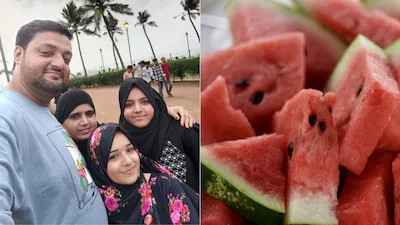
What began as a seemingly ordinary family meal inside a Mumbai home has now transformed into one of the country’s most disturbing food-linked mysteries in recent memory. The deaths of members of the Dokadia family after reportedly consuming watermelon and biryani initially appeared to be a tragic case of food poisoning. But as forensic findings slowly emerged, the case took a far darker turn.
Investigators reportedly detected traces of zinc phosphide, a highly toxic compound commonly associated with rat poison, in samples connected to the case. Suddenly, the story shifted from accidental illness to the possibility of deliberate poisoning or toxic contamination. And with that shift came a deeply unsettling question that has now travelled far beyond one household in Mumbai.
How exactly did the poison enter the food chain?
Was this a deliberate act carried out by someone with criminal intent after the food was purchased? Was the watermelon intentionally tampered with? Or could contamination have entered much earlier, somewhere within the vast and often poorly regulated supply chain that moves fruits and vegetables from farms to local markets?
At the moment, investigators may still be piecing together the answers. But the public reaction to the tragedy has already revealed something significant. Millions of Indians did not dismiss the possibility that something as ordinary as a watermelon purchased from a local vendor could potentially become dangerous. In fact, many instantly found the theory believable.
That instinctive fear says something profound about the current state of consumer trust in India’s food ecosystem.
Because this case did not emerge in isolation. It arrived after years of repeated headlines involving adulterated milk, questionable ghee, contaminated spices, excessive pesticide concerns, chemically ripened fruits, synthetic food products, and viral social media investigations exposing what many consumers believe are dangerous gaps in food safety oversight.
The Mumbai tragedy therefore became larger than a forensic investigation alone. It became a mirror reflecting a growing national anxiety: if consumers are now beginning to question even the safety of fresh fruits and vegetables, then what exactly can they trust anymore?

India’s Long And Uneasy History With “Chemical Fruits”
Long before the Mumbai watermelon case triggered national headlines, suspicions around chemically treated fruits had already quietly entered everyday Indian conversations. Across households, fruit markets, and social media feeds, consumers have for years debated whether the mangoes they buy are naturally ripened, whether bananas are artificially treated, or whether the bright, perfectly polished fruits sitting on carts are truly as fresh as they appear.
What once sounded like exaggerated paranoia or WhatsApp-driven fearmongering has, over time, received repeated validation through food safety crackdowns and regulatory warnings.
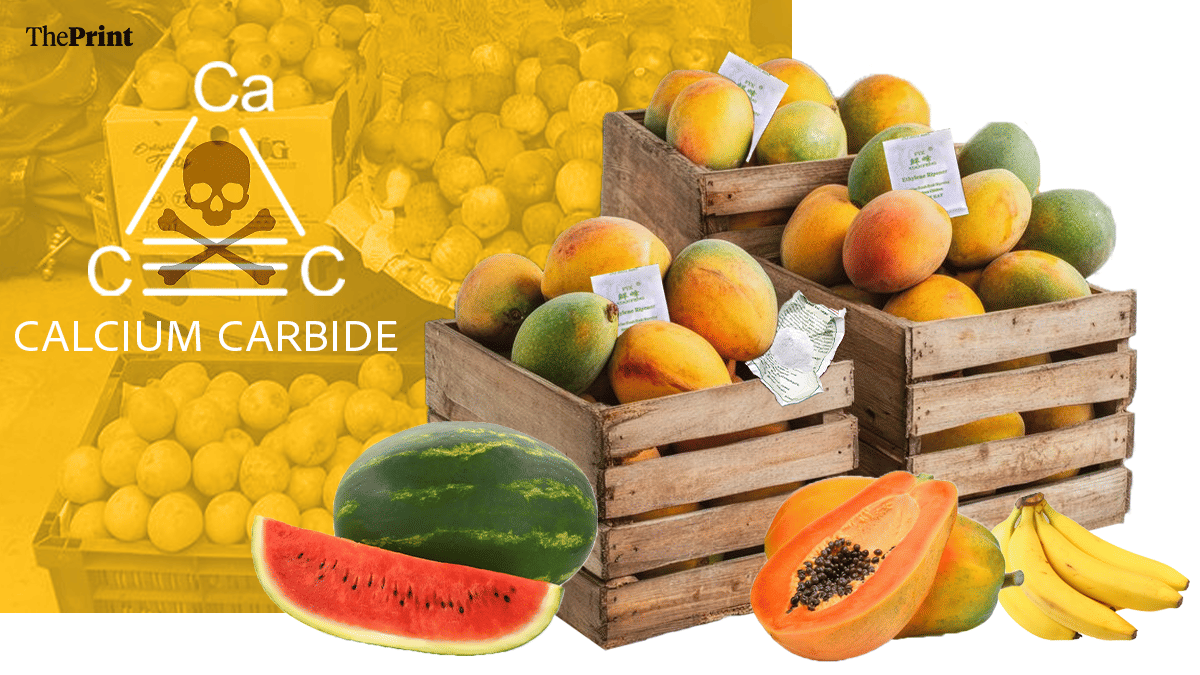
Perhaps the most widely discussed example has been the use of calcium carbide, a banned chemical often linked to the artificial ripening of fruits such as mangoes, bananas, and papayas. The chemical releases acetylene gas, which accelerates ripening and helps traders push produce into markets faster during peak demand seasons.
But health authorities have repeatedly warned that commercial-grade calcium carbide may contain traces of arsenic and phosphorus, substances associated with serious health risks.
Every summer, particularly during mango season, authorities across several Indian states conduct raids and seizures targeting chemically ripened fruit consignments. Food safety departments have repeatedly issued advisories warning traders against using prohibited ripening methods, while laboratories and testing teams continue to inspect produce entering wholesale markets.
And yet, despite years of awareness campaigns and periodic enforcement drives, consumer distrust has only grown stronger.
Part of the problem lies in visibility. Unlike packaged products, fruits and vegetables arrive without labels, ingredient disclosures, or processing details. A consumer standing at a roadside stall has almost no way of determining whether a fruit has been naturally ripened, chemically accelerated, excessively sprayed with pesticides, or exposed to unsafe storage conditions during transport.
Appearance itself has now become suspicious.
Fruits that look “too perfect,” “too shiny,” or unnaturally uniform increasingly trigger concern among buyers. Social media has only amplified these anxieties further, with countless viral videos claiming to expose chemically coloured vegetables, wax-coated apples, and artificially enhanced produce flooding digital platforms every year.
Not every viral claim is scientifically accurate, and misinformation undoubtedly exists. But what makes the situation dangerous is that genuine regulatory concerns have become intertwined with public fear, making it harder for consumers to separate paranoia from legitimate risk.
The Mumbai case has now intensified that uncertainty dramatically.
Because when a fruit as ordinary and universally consumed as a watermelon suddenly enters the centre of a poisoning investigation, it forces an uncomfortable national conversation that India has perhaps avoided for too long: how much do consumers truly know about what enters their food before it reaches their plates?
When “Fresh” Food No Longer Automatically Means Safe
For decades, Indian consumers were taught to draw a simple distinction when it came to food. Packaged and processed products were often viewed with caution, while fresh fruits and vegetables were considered the healthier, safer alternative.
But that perception has slowly begun to fracture.
Today, concerns around food safety are no longer limited to processed snacks, packaged drinks, or fast food chains. Increasingly, even fresh produce has come under scrutiny due to repeated reports involving excessive pesticide residues, contaminated irrigation water, unsafe preservation practices, and unhygienic handling across supply chains.
Several studies and food safety inspections over the years have pointed toward worrying levels of pesticide residue in vegetables, leafy greens, grapes, chillies, and even everyday staples sold in local markets. Export consignments from India have at times reportedly faced rejection in international markets over contamination and residue concerns, raising uncomfortable questions about the quality control mechanisms operating within domestic supply chains as well.
In many agricultural belts, the pressure to maximise yield and protect crops from pests has resulted in aggressive pesticide usage becoming deeply embedded within farming practices. At the same time, weak monitoring, fragmented distribution systems, and inconsistent enforcement have created gaps large enough for unsafe produce to slip through undetected.
The problem does not necessarily begin or end at the farm level either.
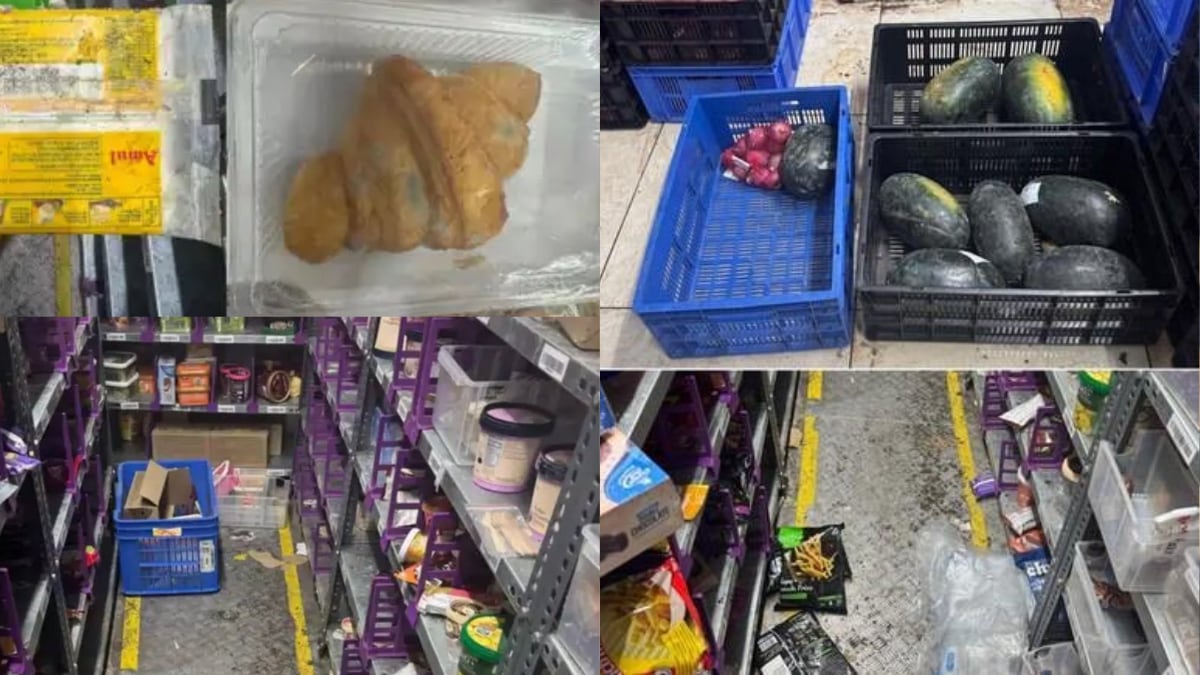
Fresh produce often travels through multiple intermediaries before finally reaching consumers. It may pass through warehouses, transport vehicles, wholesale mandis, local storage points, roadside stalls, and informal vendors, frequently under poor temperature and hygiene conditions. In some cases, vegetables have allegedly been found washed using contaminated water sources, while fruits are often stored in cramped environments where preservation takes priority over safety.
And unlike packaged goods, most fruits and vegetables carry almost no traceability.
There is no ingredient list explaining what chemicals may have been used. No disclosure detailing pesticide exposure. No label showing how the produce was handled, transported, or stored. Once sold in informal markets, accountability largely disappears.
This creates a dangerous imbalance where consumers carry the risk without possessing the tools needed to meaningfully verify safety.
The Mumbai watermelon case has amplified this vulnerability sharply because it has forced consumers to confront an unsettling possibility. If contamination can potentially enter fresh produce at multiple stages before it reaches the dining table, then how would an ordinary buyer ever know?
From Fake Ghee To Toxic Spices, India’s Food Trust Crisis Was Already Brewing
By the time the Mumbai watermelon tragedy surfaced, Indians had already spent years watching one food item after another come under suspicion.
The erosion of trust did not begin with fruits and vegetables alone. It had been building gradually across kitchens, grocery stores, sweet shops, dairy products, and packaged food aisles, fuelled by repeated allegations of adulteration, contamination, and questionable manufacturing practices.
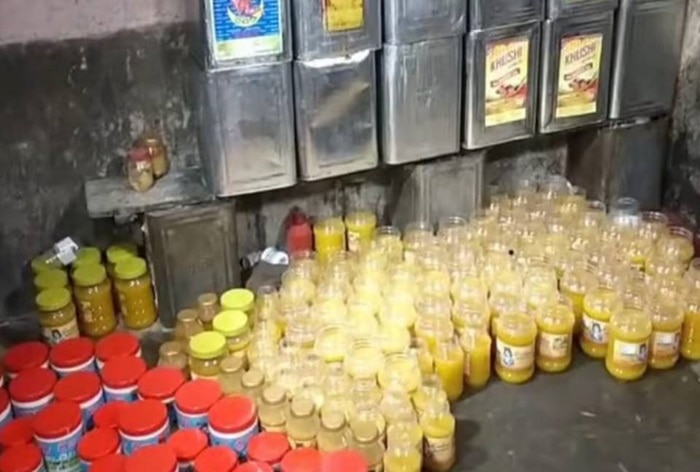
Milk, perhaps one of the most consumed staples in Indian households, has repeatedly faced accusations ranging from dilution to the presence of synthetic additives and detergent-like substances. Ghee, once viewed as one of the purest ingredients in Indian cooking, has increasingly come under scrutiny amid fears of adulteration and synthetic blending. Paneer has periodically been accused of being artificial or chemically processed, while spices, oils, and packaged masalas have also faced waves of public suspicion following contamination concerns and regulatory scrutiny.
In earlier years, many of these fears remained confined to occasional newspaper reports or food department raids. But the digital era changed the scale and speed of public awareness dramatically.
Today, social media platforms are flooded with independent food investigations, laboratory-style demonstrations, influencer-led testing videos, and viral exposés claiming to uncover what consumers are actually eating. YouTube creators routinely perform “purity tests” on:
milk,
ghee,
paneer,
spices,
oils,
sweets,
packaged snacks,
and restaurant food.
Some of these investigations are responsible and backed by laboratory analysis. Others are sensationalised or scientifically questionable. But together, they have fundamentally reshaped public psychology around food.
Consumers today are no longer passive buyers. Many have become hyper-vigilant investigators themselves, examining labels, questioning ingredients, scrutinising colours, doubting textures, and second-guessing products that earlier generations consumed without hesitation.
The result is a society where food anxiety has steadily moved from the margins into the mainstream. And that is precisely why the Mumbai watermelon case struck such a deep nerve across the country.
Because the public reaction was not built on one isolated incident alone. It emerged from years of accumulated distrust, repeated controversies, viral exposés, and growing suspicion that unsafe practices may exist far more widely within India’s food ecosystem than consumers are ever fully told.
The Real Crisis May Be Bigger Than One Watermelon
Investigations may eventually determine whether this was:
deliberate poisoning, accidental contamination, or something else entirely.
But the larger national reaction has already revealed something deeply troubling:
Indians increasingly believe such a scenario is possible. And perhaps that belief itself is the real warning sign.
Because once consumers begin fearing: milk, spices, oils, sweets, fruits, and vegetables alike, the problem is no longer confined to adulteration cases alone; it becomes a breakdown of everyday trust.
A society can survive expensive food, imperfect food, even unhealthy food for a time. But when people begin to fear the very basics sitting on their dining tables, the crisis quietly enters far more dangerous territory.
_1750945931.jpg)
Has India’s Food Watchdog Repeatedly Fallen Behind The Crisis?
As public anxiety around food safety has grown, uncomfortable questions are also increasingly being directed toward the country’s primary regulator — the Food Safety and Standards Authority of India, or FSSAI.
For many consumers, the central concern is no longer whether isolated contamination incidents occur. Those can happen in any country. The deeper concern is whether India’s regulatory systems are detecting problems early enough, acting strongly enough, and communicating transparently enough before public trust collapses.
And on that front, criticism surrounding FSSAI has steadily intensified over the years.
Perhaps the most famous example remains the Maggi noodles controversy of 2015, when allegations involving excessive lead content and labelling concerns triggered nationwide panic, product recalls, and one of the biggest food safety crises India had ever witnessed. The episode not only damaged consumer confidence in a major brand, but also exposed confusion and inconsistencies around testing standards, enforcement, and regulatory oversight itself.
Nearly a decade later, similar concerns appear to be resurfacing across other food categories.
In 2024, Indian spices came under international scrutiny after authorities in Hong Kong and Singapore flagged alleged contamination involving ethylene oxide, a chemical associated with cancer risks after prolonged exposure. Global regulators began examining products from major Indian spice brands, while investigations and recalls spread across multiple countries.
Subsequent reports revealed that nearly 12% of spice samples tested in India reportedly failed quality and safety standards. Yet critics argued that enforcement actions appeared fragmented, delayed, and lacking transparency regarding which products or brands had failed.
At the same time, food safety experts and policy observers have increasingly questioned whether India’s testing and monitoring infrastructure is truly capable of keeping pace with the scale of the country’s food ecosystem. Some critics argue that inspections remain inconsistent, laboratory capacity uneven, and supply-chain verification mechanisms far too weak for a market as vast and decentralised as India’s.
Perhaps the irony is most visible on FSSAI’s own platforms.
The regulator itself publishes extensive guides teaching consumers how to detect adulteration at home – from identifying detergent in milk and artificial colouring in vegetables to spotting adulterated oils, spices, tea leaves, and sweets.
While these advisories are intended to spread awareness, they also unintentionally reveal the sheer scale of public distrust surrounding India’s food ecosystem. When citizens are increasingly expected to behave like home-based food inspectors, confidence in institutional safeguards inevitably weakens.
The criticism against FSSAI is not necessarily that it does nothing. The agency does conduct raids, issue advisories, collect samples, and announce testing drives. But for many consumers, the pattern increasingly feels reactive rather than preventive.
Problems often appear to gain momentum publicly first – through viral videos, international scrutiny, social media outrage, or health scares – before large-scale regulatory action visibly follows.
And that perception matters. Because once consumers begin believing that dangerous products may remain in circulation until controversies explode publicly, faith in the system itself begins to erode.
The Mumbai watermelon case has now entered this already fragile atmosphere of distrust. And whether the contamination ultimately proves deliberate or accidental, the larger question will remain: are India’s food safety systems genuinely staying ahead of the risks, or merely responding after fear has already spread?

The Last Bit,
At some point, the Mumbai watermelon case will likely reach a formal conclusion. Investigators may eventually determine whether the contamination was deliberate, accidental, supply-chain related, or something else entirely. The forensic reports will arrive. The legal findings will follow. The headlines will gradually move on.
But the larger damage may prove far harder to erase.
Because long before this case is fully solved, it has already exposed something deeply unsettling about modern India: millions of people immediately believed that something as ordinary as a watermelon purchased from a local vendor could potentially become dangerous.
And perhaps that instinctive belief is the real warning sign.
A society does not arrive at that level of fear overnight. It happens slowly, after years of adulteration scandals, contamination reports, weak enforcement, viral food exposés, questionable supply chains, and repeated controversies involving products that consumers once considered safe without hesitation.
Today, Indians increasingly question:
—the milk in their tea,
—the spices in their kitchens,
—the ghee in their homes,
—the oils they cook with,
—the fruits they cut for their children,
—and the vegetables arriving from local markets.
The problem is no longer limited to isolated cases of adulteration alone. It is evolving into something larger and more dangerous – the collapse of everyday trust.
Because food occupies a unique place in human life. It is not merely a product. It is survival, routine, family, culture, and comfort. When consumers begin approaching even fresh fruits and vegetables with suspicion, the crisis quietly moves beyond public health and enters the psychological fabric of society itself.
And that may ultimately become the most disturbing legacy of the Mumbai watermelon case. Not simply that a family died under mysterious circumstances, but that an entire nation instantly believed its food system was capable of producing such a tragedy.