Telangana’s Public Land Sale Controversy: From DLF’s Historical Allotment To The Rs 40,000 Crore Miyapur Auction Plan
Telangana’s aggressive public land monetisation strategy has triggered political opposition, with BJP MP Eatala Rajender demanding a comprehensive probe into government land sales across Hyderabad. The proposed auction of 3.15 acres of HUDA Truck Park land in Moosapet has revived questions surrounding historical commercial allotments to DLF and Metro Cash and Carry. Meanwhile, plans to auction approximately 386 acres in Miyapur, potentially generating Rs 40,000 crore, have intensified concerns over the disposal of public assets. The controversy exposes fundamental questions about administrative accountability, urban infrastructure priorities, historical corporate allotments and the government’s increasing reliance on valuable public land for raising revenue.


The Telangana government’s aggressive land monetisation strategy has come under political scrutiny, with BJP MP Eatala Rajender demanding a comprehensive investigation into the sale of government-owned land in Neopolis, Gachibowli and other prime locations across Hyderabad. Speaking at a protest organised by the BJP Medchal-Malkajgiri urban district unit at Sangeeth Nagar in the Kukatpally Assembly constituency on 23.11.26, the Malkajgiri parliamentarian demanded that the government immediately halt the proposed auction of HUDA Truck Park land.
Rajender accused the Chief Minister A. Revanth Reddy-led Congress government of treating government land like commercial real estate inventory, arguing that these properties should be retained for public purposes. He warned that indiscriminate land sales could eventually leave Hyderabad struggling to accommodate even essential civic facilities, including burial grounds.
The controversy assumes greater significance because the proposed auction is part of a wider government strategy to generate financial resources through the commercial disposal of valuable public assets. While the Hyderabad Metropolitan Development Authority (HMDA) has scheduled auctions of prime land parcels in Moosapet and Neopolis, the state government is simultaneously pursuing a development proposal involving approximately 386 acres of government land in Miyapur, with an estimated revenue potential of Rs 40,000 crore. The developments raise fundamental questions about whether the government is adequately balancing immediate financial requirements with Hyderabad’s long-term infrastructure needs.
Government Land Worth Rs 862.65 Crore Under The Hammer
According to HMDA’s official e-auction schedule, two major land parcels in Moosapet and Neopolis have been scheduled for auction on 27.11.26. The Moosapet property, identified as Plot No. 1, comprises 3.15 acres across Survey Nos. 121/P to 141, 146, 147 and 155 to 157 in Moosapet village, Kukatpally mandal, Medchal-Malkajgiri district. HMDA has fixed an upset price of Rs 99 crore per acre, placing the minimum auction value of the property at Rs 311.85 crore.
The second property, Plot No. 17 in the Neopolis layout, comprises 4.59 acres in Survey Nos. 239 and 240 of Kokapet village, Gandipet mandal, Rangareddy district. With an upset price of Rs 120 crore per acre, the property carries a minimum auction valuation of Rs 550.80 crore. Together, the two properties comprise 7.74 acres with a combined minimum valuation of Rs 862.65 crore. The respective e-auction event numbers are 40104 and 40103, with the registration deadline fixed for 26.11.26.
While the substantial reserve valuations demonstrate the commercial attractiveness of Hyderabad’s publicly owned land, the central controversy concerns the historical purpose for which the Moosapet property was acquired. Unlike land specifically developed for commercial auctions, the Truck Park property has a history rooted in transportation infrastructure and public utility. Its proposed commercial disposal has therefore revived questions surrounding administrative decisions taken by successive governments over the past two decades.
From Public Infrastructure To Private Commercial Allotments
The controversy surrounding Kukatpally’s Truck Park land predates the formation of Telangana. Historical reporting dated 20.08.10 documented that approximately 32 acres had been acquired from private landowners for developing a truck terminal. The location was considered strategically important because of its connectivity to national highways and suitability for accommodating freight transportation infrastructure. However, in 2004, the property was denotified as a truck terminal, paving the way for alternative commercial utilisation.
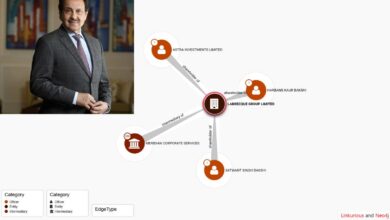
In 2006, approximately 7.1 acres of the property were leased to Metro Cash and Carry for establishing a commercial outlet. Subsequently, on 12.08.08, during the tenure of former Andhra Pradesh Chief Minister YS Rajasekhara Reddy, the Municipal Administration and Urban Development Department reportedly issued an order allotting approximately 24.33 acres to DLF for establishing a mega agriculture hub.
The reported lease period was 33 years, with the initial annual lease rental fixed at 5 per cent of the market value and an annual escalation of 5 per cent over the previous year’s rent. Land originally acquired to address transportation requirements was consequently redirected towards commercial enterprises through administrative allotments.
The historical decisions warrant scrutiny because governments acquire private property for identified public purposes, often invoking the necessity of infrastructure development. When such properties subsequently become available for commercial allotments, the authorities must account for the circumstances that justified abandoning the original purpose, the financial terms offered to private entities and the benefits ultimately delivered to the public.
DLF’s Historical Allotment Returns To The Centre Of Controversy
During his protest on 23.11.26, Eatala Rajender recalled his opposition to the allotment of Truck Park land to DLF during the tenure of YS Rajasekhara Reddy. The BJP parliamentarian stated that 19 acres allotted to the developer at the time continued to remain vacant.
The statement brings renewed attention to the historical allotment and the proposed agriculture hub. Although historical reporting places the original allotment at approximately 24.33 acres, Rajender’s latest statement specifically refers to 19 acres. The two figures concern different accounts of the property and underline the importance of examining its subsequent lease and landholding history.
The pertinent questions concern the original valuation of the property, the selection process through which DLF received the allotment, the development obligations stipulated under the lease, the implementation of the proposed agriculture hub and the revenue received by the government over the intervening years.
A long-term lease of prime government land carries responsibilities for both the allotting authority and the commercial beneficiary. If a project justified on the grounds of economic development remains substantially unutilised for extended periods, the effectiveness of the original administrative decision becomes questionable. The government must explain how historical project commitments were monitored and whether the utilisation of the property remained consistent with the objectives governing the allotment.
Government Searched For Replacement Truck Parking Land After Commercial Allotments
One of the most striking contradictions in the historical management of the Truck Park property emerged in 2010. After substantial portions of the original land had been leased to private enterprises, government officials began searching for approximately 10 acres of alternative land for developing a truck parking facility in the Moosapet and Kukatpally areas.
The locations identified included five acres within the premises of Indian Drugs and Pharmaceuticals Limited and another five acres at Gulf Oil Corporation’s premises in Moosapet. Authorities had previously justified the commercial reallocation of the original Truck Park property on the grounds that Kukatpally had become densely populated and was unsuitable for establishing a truck terminal. Yet the subsequent search for replacement land returned to the same general locality.
The episode exposes a serious planning contradiction. If freight parking infrastructure remained necessary in the area, why was land specifically acquired for that purpose redirected towards private commercial activities? Why were government authorities subsequently required to identify alternative properties to accommodate an infrastructure requirement that had already justified an earlier acquisition?
The economic consequences of such decisions extend beyond the immediate value of the allotted property. Replacement infrastructure requires additional land, administrative expenditure and potentially fresh acquisition costs. Commercialising existing public infrastructure land without adequately addressing its original function risks transferring the resulting financial and logistical burden back to the public.
Opposition Mounts Over The Proposed Truck Park Auction
Opposition to the proposed auction has extended beyond the BJP. Bharat Rashtra Samithi senior leader and former minister T. Harish Rao has demanded that HMDA withdraw the notification concerning the 3.15-acre Moosapet property. At an all-party roundtable meeting reported on 20.11.26, Harish Rao argued that the disposal of the Truck Park land would adversely affect lorry drivers, transport operators, auto drivers and daily wage workers who depend on the facility for their livelihoods.
He also highlighted the importance of the broader property and its surroundings, which accommodate facilities including an HMDA nursery, an RTO office and a traffic police station. Representatives of Left parties and local labour unions joined the opposition to the auction. Hunger strikes were scheduled for 22.11.26 and 23.11.26, followed by a proposed agitation outside the HMDA headquarters on 25.11.26.
The opposition reflects a conflict between the commercial valuation of urban land and its functional importance to the surrounding population. Truck parking facilities, transport infrastructure and public offices may not generate revenue comparable to premium residential or commercial developments, but their contribution to the functioning of a metropolitan economy cannot be measured solely through prevailing real estate prices.
Why Is The Same Neopolis Property Being Auctioned Repeatedly?
The auction history of Plot No. 17 in the Neopolis layout raises another set of financial and administrative questions. On 24.11.25, the 4.59-acre property reportedly received a bid of Rs 136.50 crore per acre. Another property, Plot No. 18, measuring 5.31 acres, received Rs 137.25 crore per acre. The two properties, covering 9.90 acres, recorded a combined auction value exceeding Rs 1,356 crore.
On 28.11.25, two additional Neopolis properties, Plot Nos. 15 and 16, covering a combined 9.06 acres, recorded bids exceeding Rs 1,352 crore. The four properties together accounted for reported auction proceeds of Rs 2,708 crore, while HMDA anticipated generating more than Rs 5,000 crore through its wider auction programme.
However, Plot No. 17 subsequently appeared in another auction conducted on 09.09.26, when the property received a single bid of Rs 120 crore per acre. The same property has now been listed for auction on 27.11.26, again with an upset price of Rs 120 crore per acre.
The difference between the reported November 2025 bid and the current upset price amounts to Rs 16.50 crore per acre, equivalent to Rs 75.735 crore across the entire property. This auction history raises questions concerning the status of previous bids, compliance with payment obligations, the treatment of deposits and the circumstances under which the property has repeatedly returned to the auction programme.
Public asset monetisation requires accountability throughout the transaction cycle. Merely announcing substantial auction valuations cannot substitute for transparency concerning the actual amount collected, bidder compliance and the final transfer of ownership.
The Rs 40,000 Crore Miyapur Land Monetisation Plan
The government’s proposed monetisation of approximately 386 acres in Miyapur represents a significantly larger exercise. Following the Supreme Court’s judgment dated 29.10.26, affirming the Telangana government’s ownership of approximately 550 acres in Survey Nos. 100 and 101 of Miyapur village, the authorities began assessing the property for development and phased auctions.
The judgment, delivered in Bandari Ramchander and Others versus Maitri Cooperative Housing Society Limited and Others, bearing citation 2026 INSC 1175, dismissed appeals challenging an earlier Andhra Pradesh High Court judgment dated 16.04.03. The litigation involved competing ownership claims over property historically recorded as government land. The Supreme Court examined historical grants, revenue records and the legal consequences of the abolition of jagirs, ultimately upholding the government’s ownership.
Following the judgment, HMDA reportedly prepared a draft layout covering approximately 386 acres. The proposal envisages around 220 plots, ranging from approximately 0.25 acre to 3.6 acres, for residential, commercial and institutional development. Approximately 230 acres would constitute the net plotted area, with the remaining land accommodating roads, open spaces, utilities, amenities and other infrastructure components.
Officials estimate that phased auctions could generate up to Rs 40,000 crore, with the proceeds intended to support irrigation, healthcare, education and other development priorities.
The development presents a fundamental policy question. Having defended ownership of this substantial public asset through prolonged litigation, should the government primarily utilise the recovered property as a revenue-generating resource, or should a greater proportion be permanently reserved for public infrastructure? The commercial valuation is substantial, but so is the long-term strategic value of retaining hundreds of acres within an expanding metropolitan region.
Existing Residential Colonies Add Another Dimension
A preliminary survey conducted following the Supreme Court judgment identified approximately 400 acres of vacant land and around 150 acres occupied by residential colonies and other structures. The affected areas include Prashanth Nagar, MA Nagar, Stalin Nagar and parts of Deepthisri Nagar.
Rangareddy district authorities indicated that the existing structures would not immediately be disturbed, leaving decisions concerning the residential colonies to the state government. Officials also stated that certain buildings had been constructed with earlier permissions, while others were unauthorised.
The situation exposes another dimension of land administration. Where construction permissions, property registrations and residential development have occurred on disputed land, administrative accountability becomes particularly important. The government’s responsibility extends to examining the circumstances under which such permissions were issued and developing a consistent policy concerning existing settlements alongside its commercial development programme.
Is Telangana Becoming Increasingly Dependent On Public Land Sales?
On 06.11.26, Telangana Deputy Chief Minister and Finance Minister Mallu Bhatti Vikramarka directed officials to identify suitable properties for phased auctions, prioritising areas with strong road connectivity and development potential. During a meeting of the Cabinet subcommittee on revenue mobilisation, discussions also covered land pooling, future land requirements and the utilisation and regularisation of industrial properties in Azamabad, Balanagar and Hafeezpet.
Vikramarka proposed developing a digital dashboard integrating information about government properties, layout development and auction progress. He also directed departments to formulate weekly action plans and work towards prescribed revenue targets.
The government maintains that effective monetisation of valuable land can support economic development and generate resources for welfare and infrastructure expenditure. Nevertheless, dependence on land sales presents a structural financial concern. Unlike taxation and other recurring revenue sources, outright land sales generate one-time receipts while permanently reducing the government’s property holdings.
When these receipts become an increasingly important component of financial planning, governments risk prioritising the immediate commercial value of a property over its potential future public utility. Land required decades later for hospitals, educational institutions, transportation facilities and recreational infrastructure may have to be acquired at substantially higher costs.
Public Assets Demand Greater Administrative Accountability
The controversy surrounding Telangana’s government land auctions is ultimately about the management of publicly owned resources across successive administrations. The historical commercial allotments to Metro Cash and Carry and DLF, the subsequent search for replacement truck parking facilities, the repeated listing of Neopolis Plot No. 17 and the proposed Rs 40,000 crore Miyapur monetisation exercise demonstrate different aspects of this policy challenge.
The government must make the valuation methodology, land-use approvals, historical lease conditions, auction outcomes, bidder payment records and utilisation of proceeds accessible to the public. Equally important is a comprehensive assessment of future infrastructure requirements before commercially disposing of strategically located properties.
A government’s responsibility towards public land cannot be reduced to securing the highest possible auction price. Revenue generation is a legitimate administrative objective, but so is safeguarding resources that future generations will require. Telangana’s land monetisation controversy raises the pressing question of whether the state is pursuing a sustainable urban development strategy or sacrificing valuable public assets to satisfy immediate financial priorities.