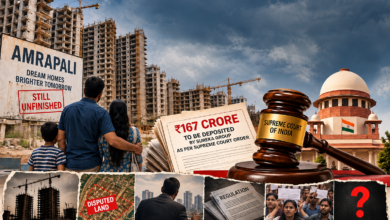
India’s Real Estate Insolvency Trap. Builders Get A Second Chance, Homebuyers Get Another Delay. Is Insolvency Becoming An Escape Route From Accountability?
In India’s real estate market, a builder can run out of money, enter insolvency and get another chance to rebuild. Homebuyers who paid for those homes get no such luxury. They wait for years, fight in courts and watch their savings disappear. So who is insolvency really rescuing - the buyer or the builder?

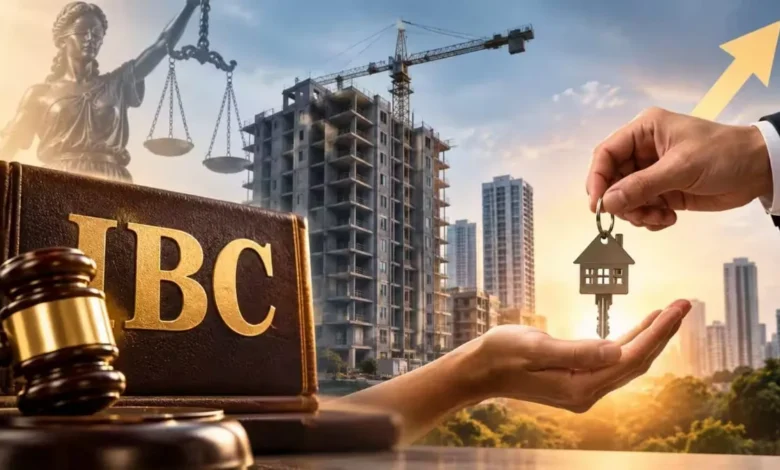
India’s Insolvency and Bankruptcy Code (IBC) was introduced to deal with financially distressed companies, improve creditor recoveries and give viable businesses a chance to recover. In real estate, it was also expected to offer a way out for stalled housing projects, allowing new investors or developers to step in and complete construction.
On paper, the idea makes sense. If a builder runs out of money, a structured resolution process can prevent a project from remaining abandoned indefinitely. Creditors get a chance to recover their dues, and homebuyers may finally have a route towards getting the homes they paid for.
But the reality has often proved more complicated. Across India’s real estate sector, homebuyers have spent years waiting for possession, watching projects stall and approaching courts and regulatory authorities for relief.
For many, buying a home meant committing years of savings, taking out a loan and planning their lives around a promised possession date.
When a developer enters insolvency, the company may get another opportunity to reorganise its finances or bring in a new investor. But what happens to the buyer who has already paid for a home and is still waiting for it?
That is the uncomfortable question at the heart of India’s real estate insolvency problem. If a company gets a second chance but the homebuyer gets another delay, can the process really be called a success?
The concern is not that insolvent companies should never be rescued. It is whether the rescue of a company is being matched by meaningful relief for the people who helped finance its projects in the first place.
How Insolvency Changes The Situation For Builders And Buyers
When a real estate developer defaults on its financial obligations, insolvency proceedings can provide a structured way to address the company’s debts and determine whether its business or projects can be rescued. The process may involve a resolution professional taking control of the corporate process, creditors evaluating proposals and a successful bidder taking over the company or relevant assets under an approved resolution plan.
For a stalled housing project, this can be an important opportunity. A new investor may bring in funds, construction may resume and buyers may finally move closer to receiving their homes. Without such a mechanism, some projects could remain stuck with no realistic source of funding for completion.
However, insolvency is not a magic wand. An approved resolution plan does not automatically mean that every flat will be delivered on time, every buyer will recover their money or every dispute will be settled. The outcome depends on the terms of the plan, the funds available, the project’s condition and the ability of those implementing it to meet their obligations.
There is another important distinction. Resolving a company’s financial distress is not the same as establishing accountability for alleged wrongdoing. Insolvency proceedings deal primarily with the company’s financial resolution. Allegations of cheating, diversion of funds, money laundering or other offences may require separate investigations and judicial proceedings. Entering insolvency does not, by itself, erase criminal liability.
This is where the larger concern emerges. A company may move through restructuring while questions about the original funds, the conduct of its promoters and the losses suffered by homebuyers remain unresolved. Buyers may then find themselves facing a fresh set of proceedings even as they continue to wait for possession.
The process may therefore achieve one objective – restructuring a financially distressed company – without necessarily achieving the outcome that matters most to a homebuyer.
And that is the distinction we need to examine across India’s troubled real estate sector: is insolvency merely giving stalled projects a chance to survive, or is the system also ensuring that the people who paid for those projects receive a fair and timely remedy?
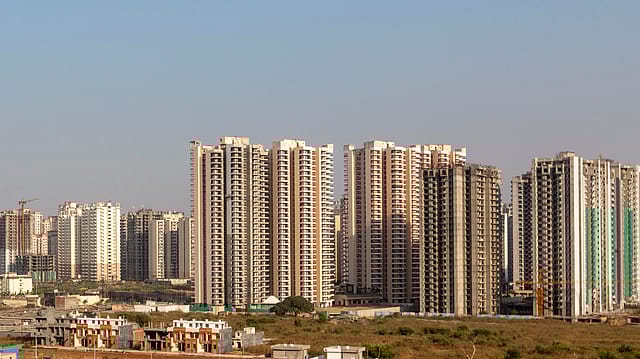
Jaypee and Amrapali Show How Long the Homebuyer Crisis Can Last
Few cases illustrate the difficulties facing India’s real estate homebuyers as clearly as Jaypee and Amrapali. Both have involved prolonged delays, court intervention and efforts to find ways to complete housing projects that buyers had expected to move into years ago. They also demonstrate why a resolution plan cannot, by itself, be treated as proof that the underlying problem has been solved.
Jaypee Infratech entered insolvency proceedings in 2017, leaving thousands of homebuyers waiting for possession of their homes. After an extended resolution process, the Suraksha Group took over the company under an approved resolution plan. The takeover offered a route towards completing unfinished projects, but it did not immediately end the buyers’ difficulties.
Questions about construction, implementation of the plan and delays have continued to draw attention.
The Jaypee case has also taken on a separate dimension through investigations involving its former leadership. The Enforcement Directorate has alleged the diversion of ₹13,833 crore in connection with the case involving Manoj Gaur. These allegations must be distinguished from findings of guilt, and the criminal proceedings have their own legal course.
Nevertheless, the case spotlights an important distinction: finding a new route to complete a housing project does not, on its own, settle questions about the money collected from buyers or establish individual accountability.
Amrapali presents another example of how difficult it can be to resolve a housing crisis once projects become severely distressed. After years of delays and legal battles, the Supreme Court intervened, and NBCC was tasked with completing unfinished projects. The intervention offered buyers a route towards possession, but completing a large number of stalled homes has required extensive work and oversight.
The Amrapali proceedings have also raised questions about financial accountability, including the Supreme Court’s order directing the Sureka Group to deposit ₹167 crore. The circumstances surrounding that order need to be considered on their own terms; the direction to deposit money is not, by itself, proof of criminal wrongdoing.
The lesson from both cases is not that insolvency or court intervention has achieved nothing. These mechanisms have offered ways to rescue projects that might otherwise have remained stalled. The problem is that the process of rescuing a project can be lengthy, while questions about financial accountability and the delivery of homes remain separate challenges.
For a buyer who has spent years paying a home loan or renting another house while waiting for possession, the distinction between a project being legally rescued and a home actually being delivered is not academic. It determines whether the money invested has translated into the home promised.
Raheja, AVJ and Ajnara Show That the Problem Is Not Confined to Two Builders
The difficulties seen in the Jaypee and Amrapali cases are not limited to two prominent developers. Other cases involving Raheja Developers, AVJ Developers and Ajnara India raise related questions about insolvency proceedings, project delays, enforcement and the relief available to homebuyers.
Raheja Developers is a particularly relevant case because its history includes insolvency proceedings as well as enforcement action and disputes involving homebuyers.
Different projects and proceedings have followed different legal paths, making it important not to treat the company as a single, uniform case. The earlier insolvency proceeding involving Sampada was overturned on appeal, while other project-related disputes and proceedings have also drawn attention.
The key question is what each proceeding has achieved and whether buyers have received the relief they were seeking. The existence of an investigation or an insolvency case does not, on its own, establish wrongdoing.
AVJ Developers offers another angle. Its insolvency process has been prolonged, raising questions about the distance between a resolution plan being approved and that plan being implemented effectively. A resolution is intended to provide a practical way forward, but creditors and homebuyers need more than a legal milestone. They need progress on the ground, clarity about completion and a credible timeline.
Ajnara India provides a different perspective. In the Ajnara Ambrosia matter, homebuyers initiated insolvency proceedings, illustrating that buyers themselves can turn to the IBC when a developer fails to deliver. Insolvency can therefore be a tool for buyers seeking a solution, rather than simply a process that happens to a company after it defaults.
Yet this raises a difficult question. If buyers have to initiate proceedings to push a stalled project towards resolution, and then wait through a lengthy legal process, how effective is the remedy in practice?
These cases are not identical, and their outcomes must be assessed individually. But together, they point to a wider problem. Insolvency can create a route for restructuring a distressed company, bringing in new funding or completing a stalled development. What it cannot guarantee automatically is a quick resolution, possession of every home or accountability for any independently established wrongdoing.
That is where the debate must move beyond the number of insolvency cases filed or resolution plans approved. The real test is whether these processes deliver results for the people who have already paid for the homes.

The Builder–Bank Nexus and the Missing Money
The problems facing India’s real estate sector extend beyond unfinished buildings and delayed possession.
In some cases, investigators have examined whether money raised through loans, advances from homebuyers and other financial arrangements was used for purposes other than those originally intended. These cases raise a difficult question: when a housing project fails, who is responsible for tracing the money and determining whether anyone should be held accountable?
The Central Bureau of Investigation (CBI) has investigated multiple cases involving alleged collusion between builders and bank officials. Companies named in reporting on the wider builder–bank investigations include CHD Developers, Logix City Developers, Ninex Developers, Rudra Buildwell and others. The cases involve different allegations and procedural histories, and the inclusion of a company in investigative reporting should not be treated as proof of guilt.
Nevertheless, the broader concern deserves attention. A real estate project depends on money flowing through several channels. Banks extend loans, buyers pay instalments and developers use those funds to acquire land, purchase materials and finance construction.
When a project stalls, investigators may need to establish whether the funds were used as intended, whether lenders exercised adequate oversight and whether any transactions involved fraud or other unlawful conduct.
Insolvency can help address the financial consequences of a failed project. It can provide a mechanism to restructure debt, bring in a new investor or determine how available assets should be dealt with. But it does not automatically establish where missing money went, whether lending decisions were improper or whether particular individuals committed an offence. Those questions require evidence and, where appropriate, separate legal proceedings.
For homebuyers, this distinction can be deeply frustrating. A resolution plan may offer a way to complete construction, but it does not necessarily answer questions about the financial decisions that brought the project to the brink of collapse.
The concern, therefore, is not simply that developers enter insolvency. It is whether financial restructuring is accompanied by effective investigation, appropriate enforcement and a realistic effort to recover funds wherever the law permits.
If a project can be rescued but the money trail remains unexplained, the financial problem may have found a solution without all the questions surrounding it having been answered.

Where Does Accountability Break Down?
India has several institutions responsible for different aspects of real estate failures. The problem is not necessarily the absence of laws or authorities. It is whether their respective processes produce timely and meaningful outcomes for homebuyers when a project collapses.
The National Company Law Tribunal (NCLT) and the National Company Law Appellate Tribunal (NCLAT) deal with insolvency proceedings and related appeals. Their role includes examining the resolution process and the legal questions that arise from it. But an insolvency order or an approved plan does not mean that construction has been completed or that every buyer has received possession.
The Real Estate Regulatory Authority (RERA), operating under the Real Estate (Regulation and Development) Act, 2016, has a different responsibility. It regulates registered real estate projects and has powers relating to compliance and homebuyer remedies within its jurisdiction. Yet enforcement of orders and the practical delivery of relief can remain difficult when a developer is financially distressed or a project is caught up in insolvency proceedings.
The Enforcement Directorate (ED) and the CBI have separate mandates. Where there is evidence of possible money laundering, fraud or other offences within their jurisdiction, they may investigate and pursue legal action. But investigations take time, and allegations must be established through the appropriate legal process. An arrest, attachment of assets or filing of a chargesheet is not the same as a final finding of guilt or the recovery of money for every affected buyer.
Banks and other lenders also have a role to play. Their lending decisions, due diligence and monitoring of project finances can become important when allegations arise about the use of funds. State authorities and local bodies, meanwhile, are responsible for various approvals, permissions and enforcement functions that can affect the progress of a development.
Each institution may be acting within its own legal mandate, but homebuyers experience the consequences as one continuing crisis. They may be waiting for a tribunal decision, pursuing a regulatory remedy, following a criminal investigation and seeking construction updates at the same time.
This is where the accountability question becomes difficult. A system can have multiple authorities, several ongoing proceedings and extensive legal provisions, yet still struggle to provide a homebuyer with a timely, complete remedy.
The answer is not to assume that every authority has failed or that every builder has escaped punishment. It is to examine whether these separate processes work together effectively, whether orders are implemented and whether responsibility for resolving a stalled project is clearly established.
Does Insolvency Give Builders a Second Chance Without Sufficient Consequences?
There is a legitimate reason for India to have an insolvency framework. When a developer runs out of money, simply shutting down the company may leave unfinished buildings, unpaid creditors and thousands of homebuyers with little prospect of getting their money back.
A resolution process can bring in new investment, restructure debts and give a stalled project a chance of completion. The problem begins when corporate recovery is mistaken for complete accountability.
Three questions should therefore determine whether a real estate resolution has succeeded.
—Has the project been completed within a credible timeframe?
—Have homebuyers received possession or another meaningful remedy?
—And where allegations of wrongdoing exist, have the relevant authorities established the facts and pursued the appropriate action?
These are not demands that every failed developer should be punished regardless of the circumstances. They are demands that financial distress should not become a reason to abandon the people who invested their savings in a project.
Insolvency should provide a route to recovery, not become a substitute for accountability. If the company is rescued but the buyers remain stranded and the relevant allegations remain unresolved, the process may have addressed the balance sheet without resolving the wider crisis.
The Last Bit, Who Is Insolvency Really Rescuing?
India’s real estate insolvency system faces a difficult balancing act. It must give financially distressed projects a realistic chance of survival while protecting the interests of homebuyers, creditors and other stakeholders. Without a functioning resolution mechanism, some developments could remain abandoned and recoveries could be even lower.
But the ultimate test cannot be whether a company has found a new investor, whether creditors have approved a plan or whether a legal proceeding has reached another milestone. Those are important steps, not the final measure of success.
For a homebuyer, success is much more concrete. It means receiving the promised home, recovering money where possession is no longer realistic, or obtaining an effective legal remedy.
The cases examined here raise a broader question about how India measures the success of corporate rescue. Can a project be considered resolved when its future has been decided on paper but buyers are still waiting for delivery? Can financial restructuring be treated as sufficient when separate allegations of wrongdoing still require investigation? And how should the system respond when multiple proceedings leave homebuyers struggling to determine who is responsible for their losses?
The purpose of insolvency should be to give troubled businesses a way forward without leaving homebuyers behind. If India can rescue projects but cannot consistently deliver homes, enforce lawful remedies and establish accountability where wrongdoing is proved, it must ask whether the system is measuring the right outcome.
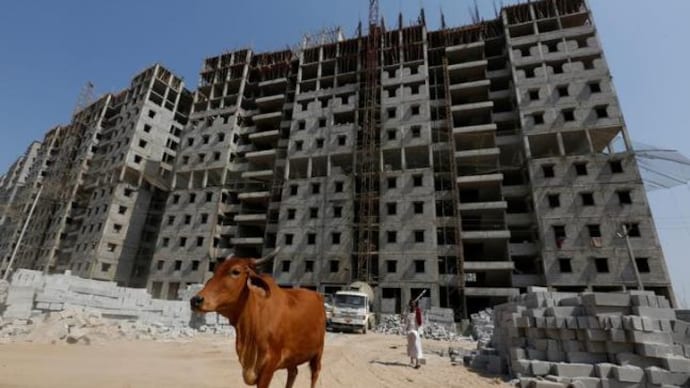
A developer’s financial recovery may mark the end of one chapter. For the homebuyer still waiting outside an unfinished apartment, it may be nowhere near the end of the story.