Why UAE Dumped BLS International After 15 Years?
15 Years of Complaints, Zero Modernisation: The Real Reason UAE Replaced BLS with Alhind


For more than a decade BLS International held one of the most valuable and visible contracts in the Indian diaspora: the exclusive handling of passport, visa, OCI and consular services for the Indian Embassy in the UAE. That arrangement, secured in 2011, covered a community of over four million people, was one of the largest concentrations of Indians anywhere outside the country.
In April 2026 the Embassy of India in Abu Dhabi quietly ended it. The contract was awarded to Alhind Tours and Travels Private Limited. The decision did not occur in isolation. In the same year BLS International also lost its mandates in Kuwait and Singapore. Diplomatic sources describe the pattern as the clearest signal yet that governments and missions are no longer willing to tolerate stagnation, rising applicant frustration and an outdated operating model.
The official notices are carefully worded. Existing contracts continue until their formal end dates; the change is presented as a routine retendering. Behind the diplomatic language, however, a sharper assessment has emerged. One source familiar with the process put it bluntly-
BLS International received the UAE contract in 2011, yet “in 15 years they did not upgrade services and did not modernise the system.”
That single sentence captures the central allegation now circulating among applicants, mission staff and competitors. While technology, digital identity systems and customer expectations advanced rapidly across the globe, the physical centres and processes that Indians in the UAE encountered remained largely unchanged. Long queues, opaque optional fees, limited appointment availability and slow resolution of simple deficiencies became the everyday experience for thousands of families who needed to renew passports, apply for OCI cards or obtain emergency travel documents.
The loss is commercially significant. The UAE mission alone represented a substantial revenue stream. More important, it is symbolically devastating. A company that markets itself as a global tech-enabled partner to more than 40 governments has now been replaced in three key Gulf and Asian markets within a single year. For a listed firm whose share price has already reacted sharply to regulatory and investigative news elsewhere, the simultaneous exit from UAE, Kuwait and Singapore compounds reputational damage. Investors and applicants alike are asking the same question: if the service model was sustainable, why are host missions walking away?

The broader context makes the UAE decision harder to dismiss as isolated commercial preference. In October 2025 India’s Ministry of External Affairs debarred BLS International from new tenders for Indian missions for two years, citing court cases and a volume of applicant complaints. Parallel media investigations in Canada documented repeated allegations of pressure to purchase optional services, unnecessary courier fees and a culture of upselling.
Estonia terminated an e-residency arrangement with BLS International after authorities identified unauthorised document issuance. In August 2026 Spanish investigators examining an alleged visa-for-cash network at the Algiers consulate expanded their inquiry to include processing platforms, explicitly naming BLS International; the company issued a categorical denial and stated its role is strictly administrative. None of these matters has produced a final corporate conviction for systemic fraud. Collectively, however, they form a pattern of friction that diplomatic sources say missions can no longer ignore.
Alhind’s selection is itself revealing. The new operator is not a global outsourcing giant with dozens of government contracts. It is a relatively smaller Indian travel and services group. The choice signals that the Embassy prioritised responsiveness, modernisation potential and closer alignment with applicant expectations over sheer scale. For the millions of Indians living and working in the UAE, the practical test will come in the quality of appointments, the transparency of fees, the speed of document handling and the availability of digital tools. If Alhind delivers measurable improvement, the decision will be vindicated. If the same complaints simply transfer to a new brand, the underlying problem of outsourced consular services will remain unresolved.
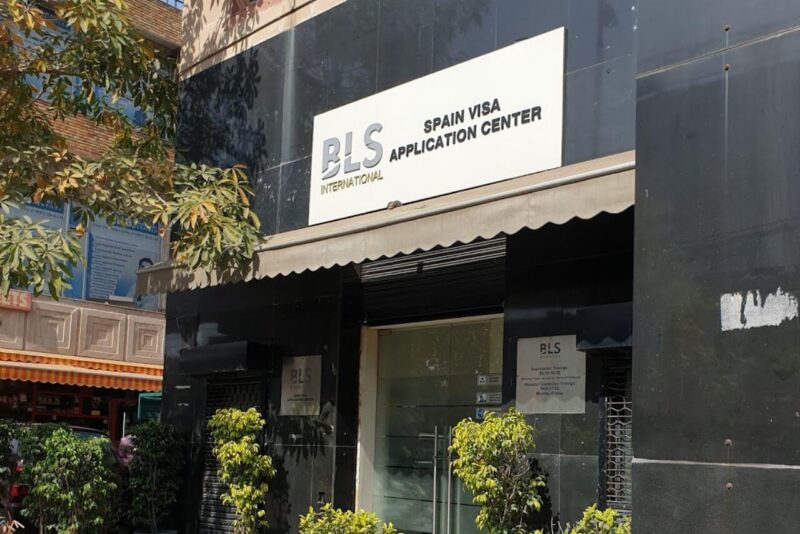
The human cost of the old model is not abstract. Applicants who needed to travel for family emergencies, medical treatment or employment often described feeling trapped between bureaucratic necessity and commercial pressure. Minor form errors became opportunities for additional charges. Collection windows were narrow. Communication channels were slow. When a service becomes the sole gateway between a citizen and their embassy, any perception of inefficiency or extraction damages trust not only in the contractor but in the mission itself. Over fifteen years that perception appears to have hardened into institutional fatigue.
BLS International has consistently maintained that it operates under the strict guidelines of the governments it serves, that visa and consular decisions rest solely with diplomatic authorities, and that it investigates legitimate concerns. In its response to the Spanish reports the company emphasised the absence of evidence of wrongdoing by its employees in visa issuance. Those statements deserve to be recorded. They do not, however, erase the operational critique now being voiced by diplomatic sources: the failure to modernise systems and upgrade the applicant experience over a decade and a half.
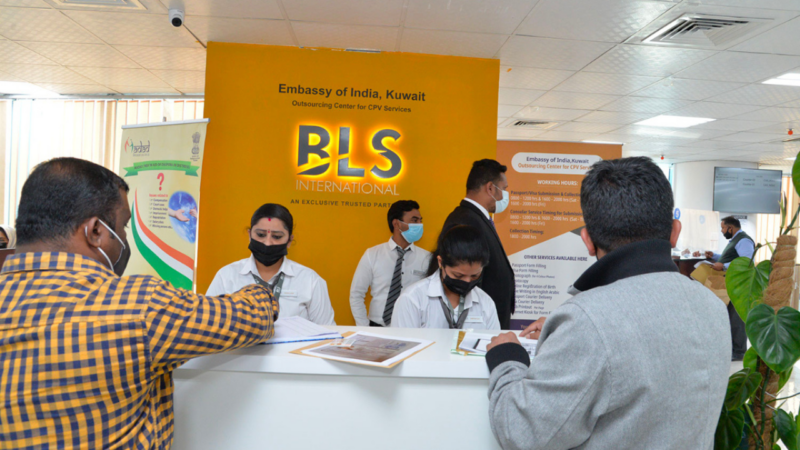
The simultaneous loss of UAE, Kuwait and Singapore in 2026 marks a turning point. What began as a dominant position in Indian mission outsourcing has become a series of high-profile exits. For BLS International the commercial and reputational challenge is immediate. For the Indian diaspora the question is whether the new arrangements will finally deliver the transparent, efficient and technology-enabled service that applicants have demanded for years. The UAE decision did not occur because a competitor offered a marginally lower bid. According to those close to the process, it occurred because fifteen years of service left the system looking outdated and the applicants feeling underserved. That assessment, if accurate, is the most damaging verdict a long-term contractor can receive.