Hard Rock Cafe Shuts, JSM Pushes Back – A 22-Year Partnership Unravels Publicly. Inside The Fallout That Could Silence An Iconic Brand In India
Hard Rock Cafe’s India story has hit a sudden and messy turning point. After over two decades, Hard Rock International has moved to terminate its partnership with JSM Corporation, triggering a public dispute that now threatens to shut down outlets and raises larger questions about global brands in India.

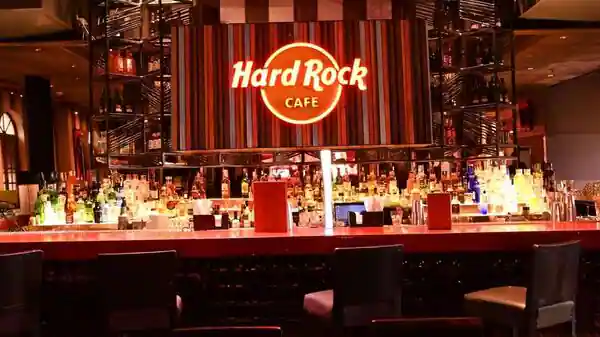
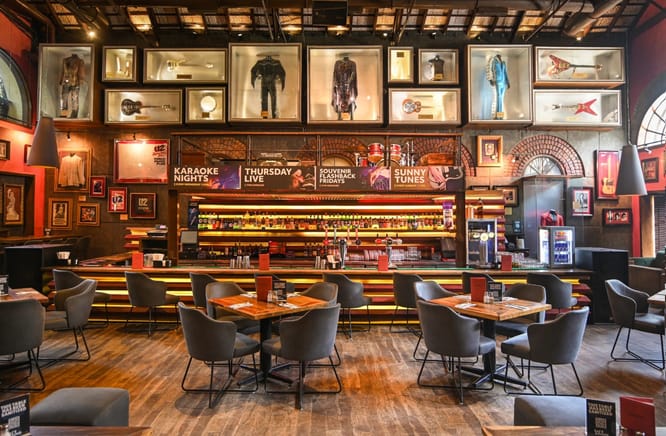
Hard Rock Cafe’s sprawling spaces once pulsed with live music, packed crowds, and a cultural energy few venues could replicate. Today, that energy faces an uncertain future in India. After more than two decades of partnership, Hard Rock International has moved to terminate its agreements with JSM Corporation – a decision now spiralling into a public dispute that could shut down outlets across the country.
What Exactly Happened
On March 16, Hard Rock International announced the termination of its licensing agreements with JSM Corporation Pvt. Ltd. and its affiliated entities, effectively revoking their rights to operate Hard Rock Cafe outlets and Rock Shops across India.
The decision impacts 10 locations across major cities, including Bengaluru, Delhi, Hyderabad, Chennai, Kolkata, Chandigarh, and Pune. However, the Hard Rock Hotel in Goa remains unaffected, as it is operated by a separate entity.
With this move, the future of Hard Rock Cafe’s restaurant operations in India has been thrown into uncertainty, pending any further announcements or changes in operational control.
Not an Exit, But a Shift in Strategy
While the potential closure of cafes signals the end of an era for Hard Rock’s restaurant presence in India, the brand is not stepping away from the market entirely. Instead, it is quietly pivoting into a new consumer category.
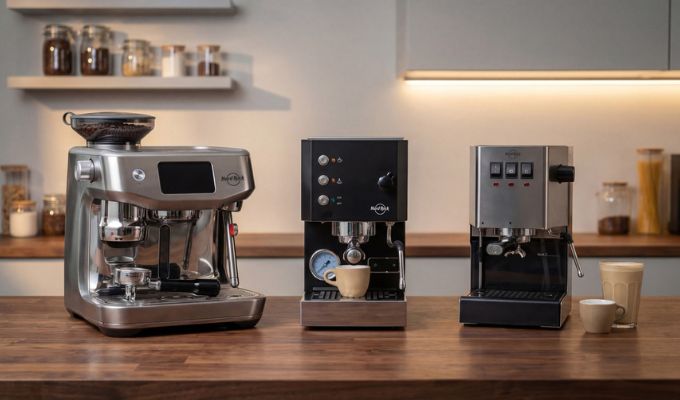
Hard Rock has entered into a licensing partnership with EBG Group to launch a range of branded coffee machines and small kitchen appliances in India. Under this arrangement, EBG will handle design, manufacturing, and distribution.
The move is backed by a planned investment of ₹100 crore, with a projected revenue target of ₹500 crore over the next five years. The companies are aiming to capture around 5 per cent of India’s premium home appliance market, currently estimated at ₹29,000 crore and growing steadily.
According to EBG Group founder and CEO Dr. Irfan Khan, the idea is to bring Hard Rock’s lifestyle appeal into Indian homes through performance-driven products. The initial rollout will focus on metro cities, with expansion planned through retail chains, e-commerce platforms, and premium distribution channels.
The Brand and the Partner
Hard Rock Cafe is no ordinary restaurant chain. Founded in 1971 in London, it built its identity around a mix of American dining, live music, and an extensive collection of rock-and-roll memorabilia – growing into a global brand spanning over 75 countries.
In India, that presence was built and operated by JSM Corporation, which brought the brand to the country in the mid-2000s and expanded it across major cities. Over more than two decades, JSM didn’t just run the outlets; it shaped how the brand was experienced locally, blending its global identity with India’s urban nightlife culture.
That long association is what makes the current fallout more than just a routine business decision.
The Dispute: Two Completely Different Stories
Hard Rock’s Position
Hard Rock International has maintained that the termination brings an end to JSM Corporation’s rights to operate its cafes and retail outlets in India. The company has not disclosed specific reasons behind the move but has indicated that the decision is final, effectively signalling a halt to existing operations under the current arrangement.
It has also not clarified whether a new partner will be appointed to relaunch or continue the brand’s presence in the country.
JSM Pushes Back
JSM Corporation, however, has strongly contested the move, calling the announcement “unilateral, illegal, and entirely misconceived.” The company has emphasised its 22-year association with the brand, claiming it played a central role in building and expanding Hard Rock Cafe in India.
Rejecting the shutdown announcement, JSM has stated that outlets will continue to operate as usual, at least until any binding legal directive says otherwise. It has also indicated that it is exploring legal options, setting the stage for what could become a prolonged dispute.
How Big Is This, Really?
Hard Rock Cafe’s presence in India has never been just about food and drinks. Since its entry in the mid-2000s, the brand carved out a distinct space in urban nightlife – one that blended global identity with live music, memorabilia, and a sense of occasion that few competitors could replicate.
Across cities like Bengaluru, Mumbai, Delhi, and Hyderabad, these cafes became more than just dining spots. They were venues where independent artists performed, where music lovers gathered, and where a certain version of global culture felt accessible and alive.
Globally, Hard Rock operates in over 75 countries, with hundreds of cafes, hotels, and casinos. But in India, its relevance was shaped less by scale and more by experience – making the potential shutdown not just a business development, but a cultural loss for a segment of urban audiences.
The Business Behind It. Why Partnerships Break
At the heart of this fallout lies a model that global brands often rely on when entering markets like India – licensing and franchise partnerships. While this allows for faster expansion with local expertise, it also creates a delicate balance between brand control and on-ground execution.
Over time, these relationships can begin to strain. Differences over strategy, financial expectations, brand positioning, or operational control often surface – especially in long-standing partnerships where both sides have invested heavily and evolved differently.
In cases like this, the lack of complete alignment can turn even a decades-long association into a point of conflict. And when that happens, the separation is rarely smooth – it plays out publicly, impacts operations, and leaves customers and employees caught in the middle.
)
The Bigger Pattern, Global Brands vs Indian Reality
The uncertainty around Hard Rock Cafe isn’t just about a business dispute. It reflects a pattern global brands have repeatedly run into when entering India – assuming that what works in the West will translate seamlessly here.
In markets like the US or Europe, Hard Rock thrives on experience – live music, iconic memorabilia, and a premium, immersive atmosphere. People don’t just go for the food; they go for the vibe.
In India, that equation has limits.
Experience might draw customers in once, maybe twice. But repeat value is built differently. The questions Indian consumers eventually ask are far more practical – is the food consistently good, is it worth the price, and does it compete with local alternatives?
If the answer isn’t a strong yes, the novelty wears off quickly. And when it does, even globally recognised brands can struggle to hold attention.
Not an Isolated Case
Hard Rock Cafe isn’t the first global brand to face this reality and it won’t be the last.
Several international chains have had to rethink their approach after entering India. Dunkin’ moved away from its core identity to focus on burgers and savoury offerings. Taco Bell recalibrated its menu and pricing. Subway, too, has faced increasing pushback over value in a price-sensitive market.
These aren’t outright failures but they underline a clear point: entering India is easy, staying relevant is not.
Who Gets It Right, The Power of Adaptation
Not every global brand struggles in India. The ones that last are the ones that adapt – not just slightly, but meaningfully.
McDonald’s, for instance, not only tweaked its menu; it rebuilt it around Indian preferences, introducing a wide range of vegetarian options and even operating fully vegetarian outlets in certain locations. KFC followed a similar path, localising flavours and offerings to suit regional tastes.
These brands didn’t try to replicate their global playbook. They understood that success in India isn’t about consistency with the West – it’s about relevance within India.
The Real Question: Is This Even About Food?
At one level, the Hard Rock–JSM fallout is a business dispute – a breakdown of a long-standing partnership over control, contracts, and commercial interests.
But beneath that, it raises a more layered question.
Is this simply a disagreement between two entities? Or is it also a reflection of a deeper disconnect – between a global brand’s expectations and the realities of operating in a market like India?
Because even if the legal battle plays out and operations resume under a new structure, the bigger challenge remains unchanged. Sustaining relevance in India requires more than brand recall or legacy. It demands constant alignment with a consumer base that evolves quickly and rewards value over familiarity.
And that’s where many global brands, despite their scale, often find themselves on uncertain ground.
The Last Bit, Hard Rock Cafe’s Fall That Says More Than It Seems
For many, Hard Rock Cafe was never just about food. It was about the music, the memories, and a space that felt different from everything else around it. Its possible disappearance from Indian cities marks more than the end of a business arrangement – it signals the fading of a certain kind of cultural experience.
But beyond the nostalgia, this moment carries a clearer message.
India doesn’t reject global brands. It simply demands that they stay relevant – on price, on product, and on understanding the market. And when that alignment slips, even the most recognisable names can find themselves on uncertain ground.
Because in the end, a brand name might draw attention. But in India, it’s consistency, value, and connection that decide whether it stays.