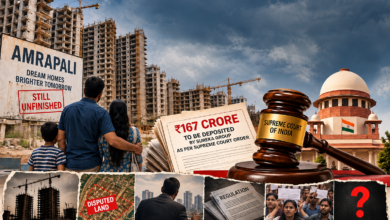
The Indiabulls Promise – Pay Now, Wait For Years, Fight For A Refund!
For years, buyers paid, waited, borrowed, rented and litigated while the homes they were promised remained unfinished. Now, CBI chargesheets, Supreme Court scrutiny and a trail of RERA and consumer orders are putting the Indiabulls builder-financier story under a far harsher light.


The Central Bureau of Investigation has filed its 18th chargesheet in the Supreme Court-monitored homebuyer fraud investigation, naming MKHS Housing LLP, its designated partner Indiabulls Distribution Services, also referred to as Indiabulls Nests, and Indiabulls Investment Advisors, also referred to as Indiabulls Urban Residency, along with their directors and officials.
The chargesheet relates to a housing project in the Rajarhat area of North 24 Parganas, West Bengal. According to the CBI, the accused allegedly acted in conspiracy with officials of a non-banking financial company to induce homebuyers through false assurances and fraudulent representations and obtain financial benefits through deceptive means.
The agency has invoked charges including criminal conspiracy, cheating and criminal breach of trust.
The filing is significant because it does not concern a complaint that has surfaced for the first time. It comes as part of a larger investigation ordered by the Supreme Court into alleged links between builders and financial institutions in cases where homebuyers were left paying for flats that were incomplete or, in some instances, did not materialise as promised.
The August 2026 chargesheet also follows CBI action in Bengaluru, where chargesheets filed in July named Indiabulls Housing Finance Limited alongside builder companies and officials of other banks. The cases are part of the wider probe into the alleged builder-financier nexus.
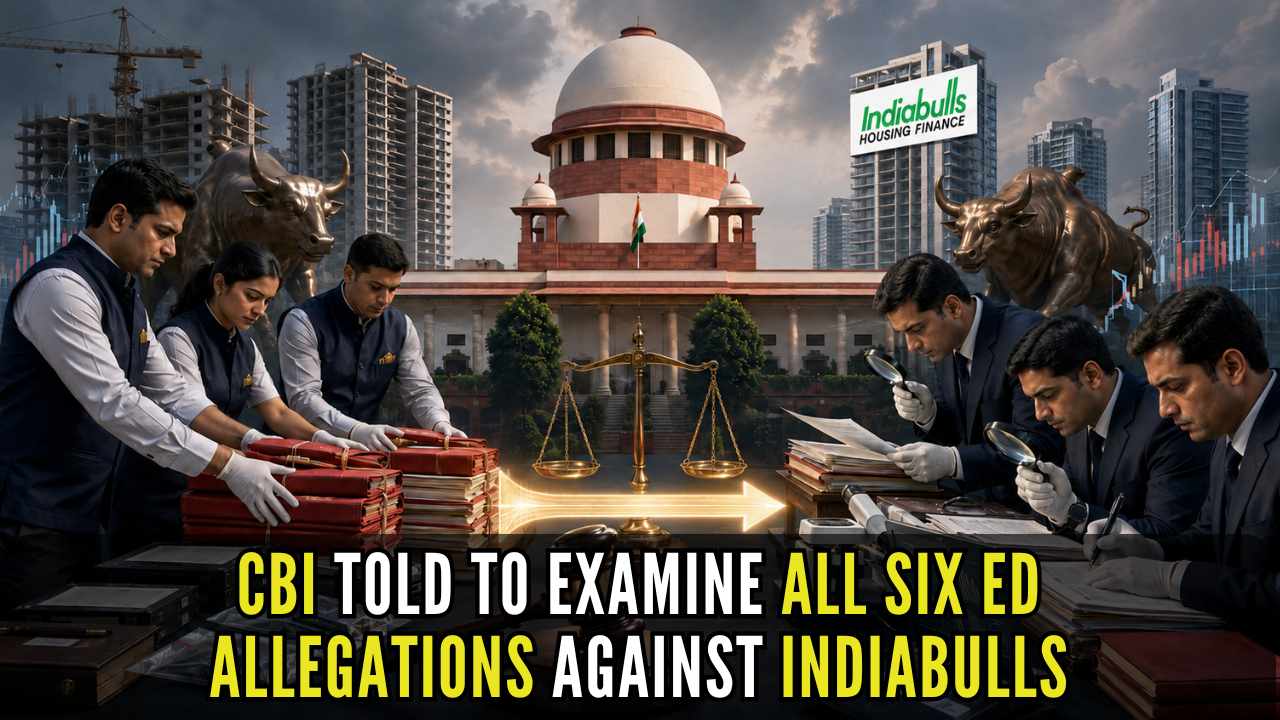
At the same time, proceedings before the Supreme Court continue in relation to six sets of allegations flagged by the Enforcement Directorate against Indiabulls Housing Finance and related entities, including allegations concerning fund routing and related-party transactions. The Supreme Court has directed the CBI to examine the six allegations independently.
For the homebuyers caught in these projects, however, the latest chargesheet is only the newest development in disputes that have already lasted years. Their complaints have appeared repeatedly before RERA authorities, consumer commissions and courts, with allegations ranging from delayed possession and non-delivery to disputes over refunds, interest and loan repayments.
The CBI chargesheet now puts one part of that long-running trail into a formal criminal investigation.
This Was Never Just One Indiabulls Project
The Rajarhat case is only one part of the larger investigation. In July 2026, the CBI filed chargesheets in matters relating to Bengaluru, naming Indiabulls Housing Finance Limited along with builder companies and officials of other banks. Those cases form part of the same Supreme Court-ordered probe into alleged arrangements between builders and financial institutions that left homebuyers paying for incomplete or non-existent flats.
The investigation has also widened beyond the question of delayed possession. Six sets of allegations flagged by the Enforcement Directorate against Indiabulls Housing Finance and related entities are currently before the Supreme Court, including allegations concerning fund routing and related-party transactions. The Court has directed the CBI to examine each of those allegations independently.
That distinction is important. The chargesheets and allegations do not establish guilt, and the companies and individuals named in them remain entitled to contest the case. But the repeated appearance of Indiabulls-linked entities across different proceedings means the story can no longer be reduced to a handful of buyers complaining about delayed projects.
There is a wider trail to examine – from the way projects were sold and financed to what happened when construction stalled and buyers began asking for their money back.
And long before the latest CBI filings, that trail was already visible in orders passed by RERA authorities, consumer commissions and courts.
The Homes That Never Arrived
Long before the latest CBI chargesheets, homebuyers in Indiabulls-linked projects had already been documenting the same problem before RERA authorities, consumer commissions and courts: possession dates passed, construction dragged on and the money paid for the flat remained locked up.
In Gurugram, projects such as Centrum Park and Indiabulls Enigma became the subject of prolonged disputes over delayed possession. Buyer agreements that promised possession within roughly three years, along with a short grace period, stretched into five, seven or more years in several cases. Some buyers who had booked their homes in the early 2010s were still waiting for possession or fighting for refunds years later.
The disputes did not remain confined to complaints. In various matters, the National Consumer Disputes Redressal Commission and Haryana RERA directed refunds with interest and, in some cases, compensation for the mental agony suffered by buyers. But even after securing such orders, buyers often had another battle ahead: getting the order actually implemented.
That distinction runs through the Indiabulls buyer cases. A possession date written into an agreement was one thing; getting the flat delivered on that date was another. A refund ordered by a consumer commission or RERA authority was one thing; actually receiving the money was another.
For buyers who had already committed a large part of their savings to a home, every additional year changed the calculation. The loan continued, rent continued and the promised home remained unfinished.
And in projects where the purchase had been financed through a subvention scheme, the delay could create an even heavier burden.
They Were Paying The EMI. And The Rent.
The subvention model made the delays even more punishing. Under these arrangements, the builder would promise to service the pre-EMIs on the home loan until possession. The buyer could therefore enter the project believing that the loan repayment burden would not begin until the promised handover.
But when construction stalled and the builder stopped paying those pre-EMIs, the problem moved straight to the buyer.
In several documented cases involving Indiabulls Housing Finance, the lender began recovering the EMIs directly from the buyer’s account. In some cases, accounts were also classified as non-performing. Buyers who had never received possession of their flats suddenly found themselves servicing a home loan for a property they could not live in, while continuing to pay rent elsewhere.
The financial damage did not stop there. Missed payments and loan classification could affect credit records, making it harder for buyers to obtain other loans or manage their finances. What had been sold as a “no pre-EMI till possession” arrangement could therefore turn into a situation where the buyer carried both the housing loan and the cost of living in another home.
CBI preliminary enquiries in related matters have recorded this sequence: the builder promises to pay the pre-EMI until possession, construction remains incomplete, the builder defaults on the payment and the burden shifts to the homebuyer.
Chennai: Another Project, Another Long Fight
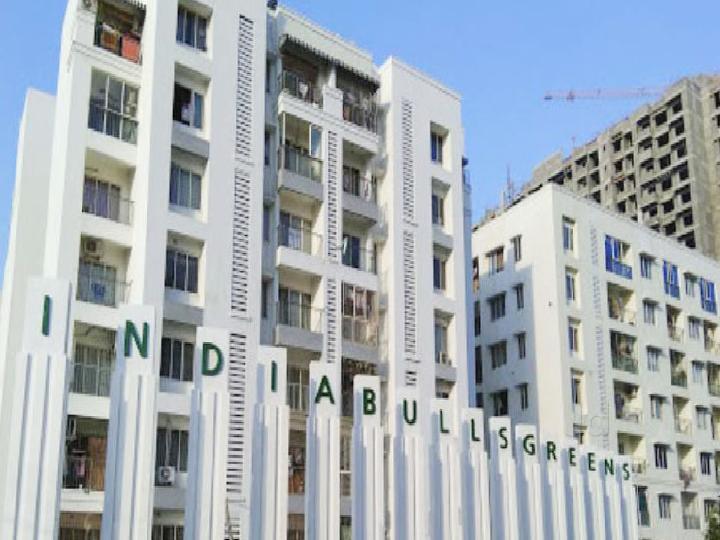
The same pattern appeared in Chennai, where the Indiabulls Greens project generated a long trail of complaints before the Tamil Nadu Real Estate Regulatory Authority. Buyers alleged changes to sanctioned plans, non-delivery and repeated extensions to the promised timelines.
In specific cases, TNRERA directed refunds with interest and compensation. But an order from the regulator did not necessarily bring the dispute to an end. Execution proceedings continued, with buyers having to pursue the implementation of relief that had already been granted to them.
The problems also went beyond possession. Owners’ associations approached the High Court over basic infrastructure, including electricity. For people who had bought homes expecting a functioning residential project, even getting essential services became part of the legal fight.
That is what makes the litigation trail around Indiabulls Greens significant. The dispute was not confined to a missed possession date. Buyers were fighting over the project itself, the changes made to it, the money they had already paid and the basic conditions required to live there.
The years of litigation became part of the ownership experience. For buyers who had entered the project expecting a home, the promised handover kept moving further away while the legal paperwork kept growing.
Winning The Case Was Only Half The Battle
For many buyers, getting a favourable order from RERA or a consumer commission did not mean the dispute was over. It often meant moving into another round of proceedings to enforce the order and actually recover the money that had been directed to be paid.
That distinction matters because these cases were not about small amounts. Buyers had often paid 70%, 80% or even 90% of the consideration for homes that remained incomplete or were delivered years after the promised date. For families who had put most of their savings into the purchase, every additional year meant more money tied up and fewer options to move on.
The consequences went well beyond the property itself. Retirement savings remained locked in unfinished projects. Families continued paying rent while waiting for possession. Children’s education plans and other major household expenses had to be reconsidered. Some buyers seeking cancellation and refunds encountered resistance, partial-refund proposals or demands for additional payments before their cases could be resolved.
The legal route offered a remedy, but it was rarely a quick one. A buyer could obtain an order directing refund with interest and compensation and still have to spend additional time pursuing execution. In some projects, owners’ associations and individual buyers had to approach higher courts over issues that should have been resolved as part of the basic delivery of a residential project.
For a homebuyer, the distinction between winning a case and getting the money is not academic. The loan continues to run while the case is pending. Rent continues to be paid. The money already invested cannot be freely used elsewhere.
By the time relief finally arrives, the buyer may have spent years paying for a home that was never delivered on time and years more fighting to recover what was originally his.
The Company Had Its Explanations Too
The allegations against Indiabulls-linked entities have not gone unanswered. In various proceedings, the companies have maintained that delays were caused by circumstances beyond their control, including force majeure events and delays in obtaining approvals. In some cases, the companies have also argued that buyers themselves contributed to the difficulties.
Those explanations form part of the record and have to be considered alongside the findings and directions issued by courts and regulatory authorities. Not every delayed project amounts to fraud, and not every dispute between a builder and a buyer establishes wrongdoing.
There have also been cases in which Indiabulls entities settled disputes or complied with directions ordering refunds. Where buyers ultimately received their money, that resolution matters.
But settlement does not change how long the dispute lasted before it was resolved. A refund received after years of litigation is still a refund that took years to arrive. For a buyer who had borrowed money, continued paying rent and spent years pursuing legal remedies, the eventual settlement does not undo the financial pressure that came before it.
That is why the individual cases have to be viewed alongside the larger investigation without conflating the two. The CBI chargesheets are allegations that will be tested through the legal process. The RERA and consumer cases, meanwhile, contain specific findings and directions in individual disputes. Together, they provide a record of how these projects and financing arrangements played out for buyers over time.
The question is no longer simply whether one project was delayed or whether one buyer received a refund. It is how many buyers had to fight before they got either.
When The Builder And The Lender Sit Too Close
The Indiabulls cases also raise a broader question about the relationship between a real-estate developer and a housing-finance company operating within the same wider business ecosystem. When the builder collects the buyer’s money and the financing arm funds the purchase, the buyer can end up carrying the risk when construction does not move as promised.
The subvention model makes that exposure particularly clear. The builder has an incentive to secure bookings and ensure that the project continues to receive money, while the financing institution disburses the loan against the property. The buyer enters the arrangement expecting that the builder will service the pre-EMI until possession.
If construction then slows or stops, the financial arrangement does not automatically stop with it.
The buyer can be left paying the loan on a property that remains incomplete, while also paying rent for somewhere to live. The original promise of a home financed through a relatively manageable structure becomes a long-term liability.
That is where the builder-financier relationship deserves closer scrutiny. The issue is not that a builder and a lender should never have a commercial relationship. Housing projects depend on financing, and buyers routinely rely on banks and housing-finance companies to fund their purchases. The problem arises when the interests of the parties involved move faster than the protection available to the person who has committed the money.
The homebuyer is the least equipped to absorb that risk. A developer can restructure a project, negotiate with lenders or seek additional financing. A financial institution can classify an account, pursue recovery or enforce its contractual rights. The buyer, meanwhile, still needs a place to live and may already have committed most of his savings to the unfinished property.
RERA was meant to give buyers a regulatory route to enforce their rights, while consumer commissions and courts provide additional remedies. But the cases involving Indiabulls-linked projects show how long that process can take.
By the time a dispute reaches a chargesheet, a regulatory order or a court judgment, the buyer may already have spent years carrying the consequences.That is the part of the builder-financier model that deserves the most uncomfortable examination: who carries the risk when the project fails to keep pace with the loan?

The Supreme Court Is Now Looking At The Bigger Picture
The Supreme Court’s involvement is what separates these disputes from the usual cycle of individual homebuyer complaints. The Court has been monitoring the larger investigation into alleged links between builders and financial institutions, with the CBI examining cases in which buyers were allegedly induced to purchase flats through representations that did not match what was ultimately delivered.
The Indiabulls-linked cases have emerged within that broader exercise. The July 2026 Bengaluru chargesheets and the August 2026 Rajarhat chargesheet add to the documentary trail being placed before investigators, while the six sets of allegations flagged by the Enforcement Directorate against Indiabulls Housing Finance and related entities remain under separate examination.
The ED allegations include questions around fund routing and related-party transactions. The Supreme Court has directed the CBI to examine each of the six allegations independently, which means the findings in those matters will have to come through the investigation rather than being assumed from the existence of the allegations themselves.
That distinction matters. A chargesheet records the investigating agency’s case; it is not a conviction. Allegations made by the ED or the CBI still have to withstand scrutiny in the legal process. The companies and individuals named in these proceedings retain the right to contest the allegations.
But for homebuyers, the significance of the Supreme Court-monitored investigation lies elsewhere as well. Their complaints about delayed possession, financing arrangements and refunds had for years been fought project by project, buyer by buyer.
The investigation has put some of those complaints into a much larger frame.
What buyers had been raising before RERA authorities and consumer commissions is now also being examined as part of a broader question: what happened when the interests of builders, financiers and homebuyers stopped moving in the same direction?
Years Were Taken From People, Not Just Money
The financial loss is the easiest part of these disputes to calculate. The years are not.
A buyer who booked a flat in the early 2010s and was still waiting for possession years later has lost more than the interest accumulating on the loan. The family has spent those years paying rent, managing an unfinished investment and deciding whether it is safe to put more money into a project that has already failed to meet its commitments.
For some, retirement savings were tied up in the purchase. For others, money that was meant for children’s education, medical treatment or other major family expenses remained locked in a property that could neither be occupied nor easily sold.
And when buyers decided they had waited long enough, cancellation was not necessarily the end of the matter. Refunds could become another dispute, followed by another proceeding and another wait.
That is why the buyer accounts across these projects read so similarly. The details change – Gurugram, Chennai, Bengaluru or West Bengal; one project, another builder entity, another financing arrangement – but the basic problem remains the same.
The buyer paid when the project was being sold. The buyer kept paying when the project was delayed. And the buyer often had to keep fighting long after it had become clear that the promised home was not arriving on time.
The Indiabulls Question Is Bigger Than Indiabulls
The Indiabulls cases raise a question that extends beyond any one project or company: what happens when a homebuyer is left carrying the consequences of a failed real-estate transaction while the builder, lender and legal system operate on very different timelines?
The buyer has already paid. The lender has already disbursed the loan. The developer has already received the money. When construction stops or possession is pushed back year after year, the buyer is the one left waiting for the transaction to deliver what was promised.
RERA was supposed to change that equation by giving homebuyers a dedicated regulatory mechanism. Consumer commissions and courts provide further avenues for relief. But the cases examined here show the gap between having a legal remedy and obtaining timely relief through it.
A homebuyer is not asking for a favour when he pays for a flat. He is asking for the flat to be delivered when promised. If that does not happen, he is asking for his money back, with the interest and compensation he is legally entitled to.
For thousands of buyers, even that simple bargain became a years-long fight.

The Last Bit, Chargesheets Came Years After The Damage
The CBI’s latest chargesheet may bring another layer of accountability to the Indiabulls-linked cases, but for the buyers involved, the timing is difficult to ignore.
Many of the people now waiting for the outcome of these investigations have already spent years waiting for possession, paying EMIs on unfinished homes, continuing to pay rent and pursuing cases before RERA, consumer commissions and courts.
The Rajarhat chargesheet is the 18th filed by the CBI in the Supreme Court-monitored investigation. The Bengaluru chargesheets came a month earlier. The wider proceedings involving allegations flagged by the Enforcement Directorate are still being examined.
The legal process will now take its course. The allegations will have to be tested, the accused will have an opportunity to defend themselves and the courts will ultimately decide what is established.
But there is another clock that has already run out.
For a family that booked a home more than a decade ago, a chargesheet in 2026 cannot give back the years spent waiting. It cannot recover the rent paid while the flat remained unfinished. It cannot undo the interest paid on a loan for a home that was not delivered on time.
That is the uncomfortable part of the Indiabulls story.