The Real Estate Mafia: CBI Files 18th Chargesheet Against Indiabulls
The Unending Cycle: Why India’s Real Estate Mafia Continues to Harass Ordinary Homebuyers

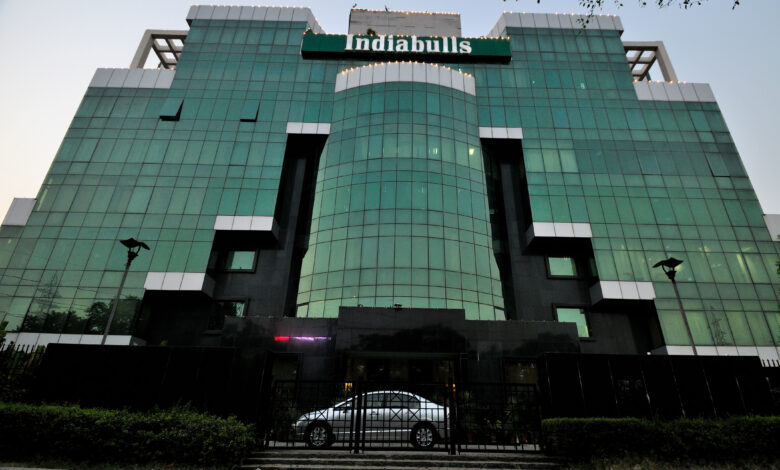
Indiabulls and the Harassment of Homebuyers: Delays, Subvention Traps and the Long Fight for Justice
For thousands of Indian homebuyers, the name Indiabulls once stood for aspiration — modern towers, promised amenities and a secure future. For many of those same buyers, the reality became years of delay, mounting EMIs, stalled construction and exhausting legal battles. The pattern is not limited to one project or one city. Across Gurugram, Chennai, Bengaluru, West Bengal and other markets, buyers who booked units linked to Indiabulls Real Estate or Indiabulls Housing Finance (now Sammaan Capital) have described a consistent experience: money collected promptly, possession delayed indefinitely, and any attempt at refund or compensation turned into a prolonged struggle.
The most recent institutional recognition of this distress came in August 2026, when the Central Bureau of Investigation filed its 18th chargesheet in the Supreme Court-monitored homebuyer fraud investigation. The chargesheet named MKHS Housing LLP, its designated partner Indiabulls Distribution Services (also referred to as Indiabulls Nests), and Indiabulls Investment Advisors (also referred to as Indiabulls Urban Residency), along with their directors and officials.
The case relates to a housing project in the Rajarhat area of North 24 Parganas, West Bengal. According to the CBI, the accused, acting in alleged conspiracy with officials of a non-banking financial company, induced homebuyers through false assurances and fraudulent representations and obtained financial benefits by deceptive means. The charges include criminal conspiracy, cheating and criminal breach of trust.
This is not an isolated filing. In July 2026 the CBI filed chargesheets in Bengaluru matters that named Indiabulls Housing Finance Limited alongside builder companies and officials of other banks. Those cases form part of the same larger probe ordered by the Supreme Court into the alleged nexus between builders and financial institutions that left homebuyers paying for incomplete or non-existent flats. Parallel proceedings continue before the Supreme Court concerning six sets of allegations flagged by the Enforcement Directorate against Indiabulls Housing Finance and related entities, including questions of fund routing and related-party transactions. The Court has directed the CBI to examine all six independently.
On the ground, the buyer experience has been documented in RERA orders, consumer commission decisions and court filings for years. In Gurugram projects such as Centrum Park and Indiabulls Enigma, allottees reported delays measured in multiple years beyond the promised possession dates. Flat buyer agreements that spoke of three years plus a short grace period stretched into five, seven or more years. Some buyers who booked in the early 2010s were still waiting or fighting for refunds well into the next decade. NCDRC and Haryana RERA have in various matters directed refunds with interest and, in some cases, compensation for mental agony. Execution of those orders has itself often required further litigation.
The subvention scheme model worsened the trap. Under many arrangements, the builder promised to pay pre-EMIs until possession. When construction lagged and the builder stopped servicing those pre-EMIs, the financing institution — in several documented cases including Indiabulls Housing Finance — began deducting EMIs directly from the buyer’s account or classified the account as non-performing.

Buyers who had never received keys found themselves servicing a full home loan while continuing to pay rent. Credit scores were damaged. The psychological and financial pressure was intense. CBI preliminary enquiries in related matters have recorded precisely this sequence: the promise of “no pre-EMI till possession,” the default by the builder, the shift of the burden onto the buyer, and the degradation of the buyer’s credit record.
In Chennai, the Indiabulls Greens project (promoted through a subsidiary) generated a long trail of TNRERA complaints. Buyers alleged changes in sanctioned plans, non-delivery and extended timelines. The authority directed refunds with interest and compensation in specific cases. Execution petitions remained active. Owners’ associations had to approach the High Court even for basic infrastructure such as electricity. The litigation trail became a defining feature of the project rather than an exception.
The human cost is repetitive and severe. Families paid 70, 80 or 90 per cent of the total consideration and still waited. Children’s education plans were disrupted. Retirement savings were locked in incomplete projects. Marriages and medical treatments were postponed. Buyers who sought cancellation often faced resistance, partial refund offers, or demands that they first clear additional dues. Those who approached RERA or consumer forums discovered that winning an order was only the first step; getting the money or the flat actually delivered required further persistence.
Indiabulls entities have maintained in various proceedings that delays were caused by factors beyond their control, that force majeure applied, that approvals were delayed, or that buyers themselves contributed to the problems. In some matters the companies have settled or complied with refund directions. The existence of settlements and court-ordered relief does not erase the years of uncertainty and financial stress that buyers endured before any resolution. Nor does it erase the pattern that led the Supreme Court to order a systemic investigation into builder-financier arrangements and that led the CBI to name Indiabulls-linked entities in multiple chargesheets.
The larger critique is structural. When a real-estate group and a housing-finance group operate in close proximity, the incentives can align against the buyer. The project collects money quickly. The financing arm disburses loans. If construction slows, the buyer is left holding both the EMI and the rent. Regulatory oversight, RERA timelines and consumer forums exist, yet the process of obtaining relief remains slow and uneven. Charge sheets and Supreme Court directions are necessary, but they come after the damage has already been done to thousands of households.
Homebuyers who dealt with Indiabulls projects or Indiabulls-financed units were not asking for special treatment. They were asking for the basic performance of a contract: pay the money, receive the home on the promised timeline, or receive a full and timely refund with interest when that fails.
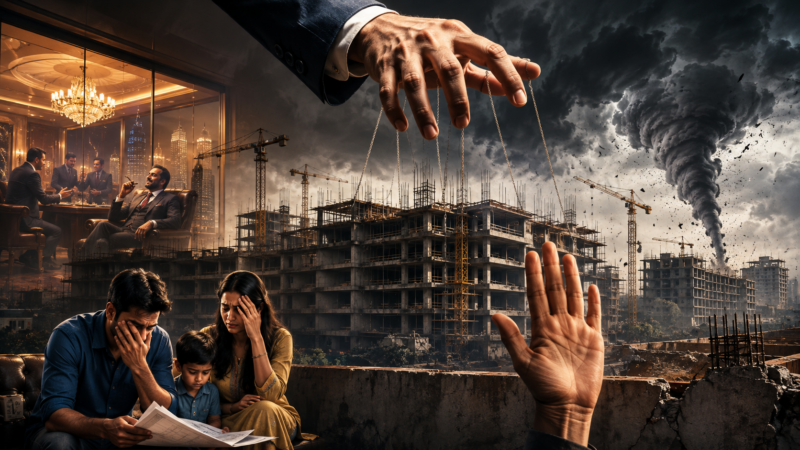
For too many, that basic expectation was met with years of delay, shifting explanations, legal resistance and, in the worst cases, the dual burden of EMI and rent. The CBI chargesheets of 2026 and the continuing Supreme Court monitoring are institutional acknowledgements that the complaints were not frivolous. They are also a reminder that accountability, when it arrives, often arrives too late for the families who have already lost years of their lives waiting for a home that was supposed to be theirs.