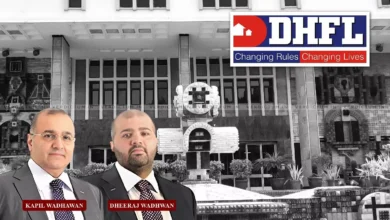
How Raheja Developers Forced ‘Kathputli’ To Dance In Its Broken Dream Of False Promises?
Raheja’s Kathputli Fiasco: When In-Situ Rehabilitation Becomes Permanent Displacement

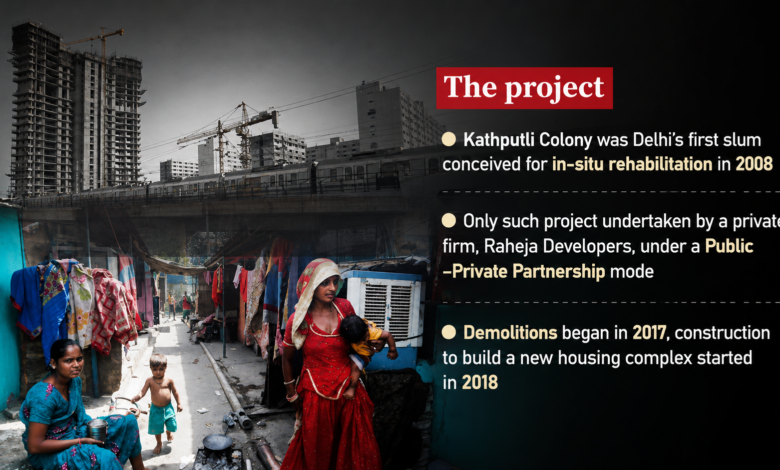
For the artists, puppeteers, musicians and magicians of Kathputli Colony, the promise was simple and powerful. Their dense settlement in West Delhi’s Shadipur would be redeveloped in place. They would move temporarily, the old structures would come down, and modern EWS flats would rise on the same land. The project, launched as Delhi’s first in-situ rehabilitation under a public-private partnership with Raheja Developers, was meant to prove that the poor did not have to be pushed to the city’s margins. More than a decade later, thousands of families remain trapped in transit camps while the promised homes stay unfinished and another deadline has slipped by.
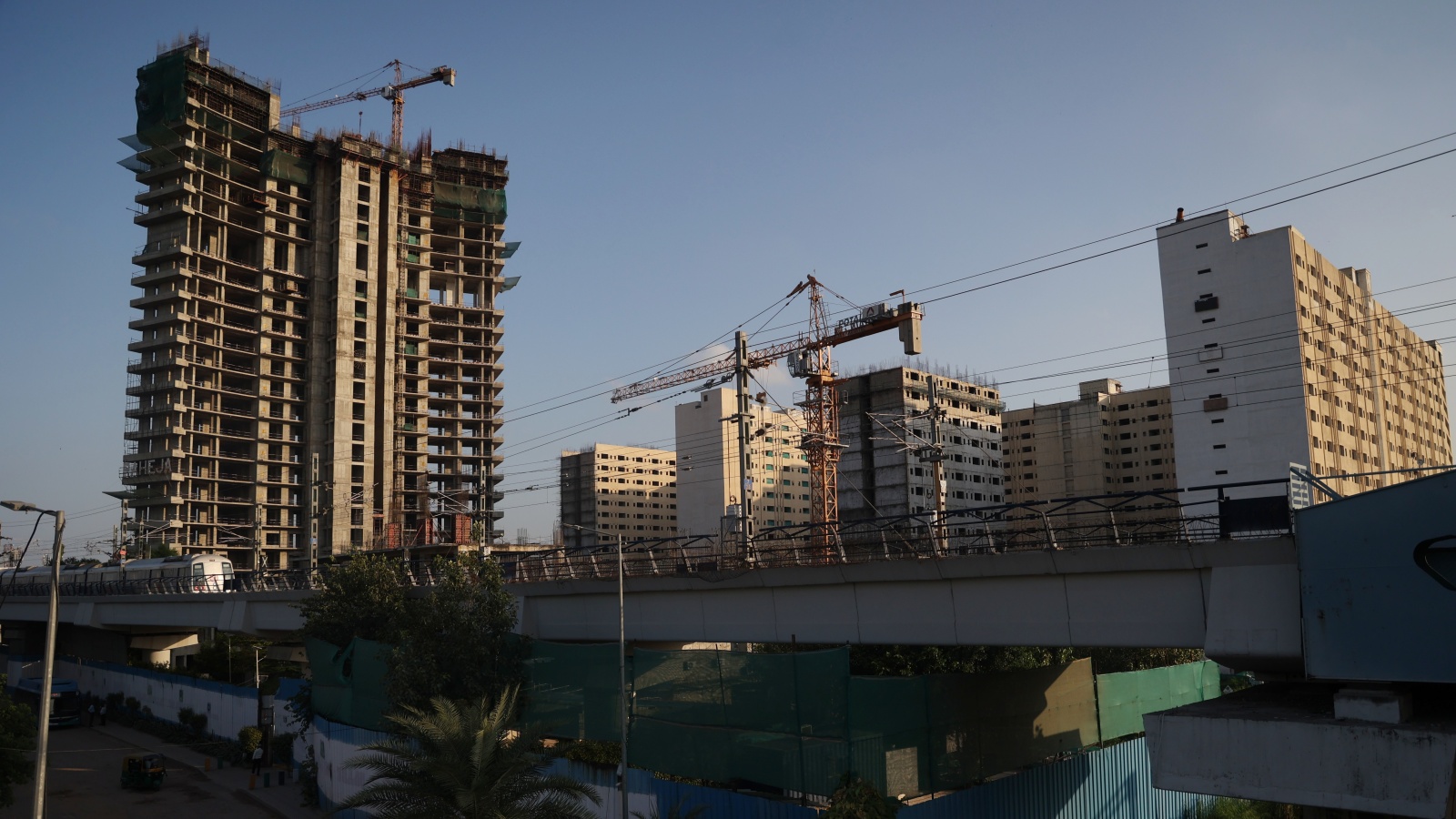
Demolitions began in 2017. Construction started in 2018. Residents were shifted to Anand Parbat and other transit camps with the assurance that the arrangement would last only a couple of years. The full project — 2,800 Economically Weaker Section flats — was supposed to be completed by June 2026. The first batch was earlier projected for December 2025. Both dates have been missed. DDA officials had relayed the developer’s own timeline. That timeline has now collapsed, just like the ones before it.
The human reality inside the transit camps is stark. Residents speak of lives that feel suspended. One woman summed up the despair shared by many: it feels as if life itself will end in these temporary shelters. Open drains, unreliable water, cramped porta cabins and the constant uncertainty of when, or whether, permanent homes will arrive have become the daily condition. Families who once lived in a vibrant, if informal, community of performers now endure conditions that many describe as worse than the original colony. The cultural identity that made Kathputli famous — the puppets, the music, the street performances — has been strained by years of displacement and broken schedules.
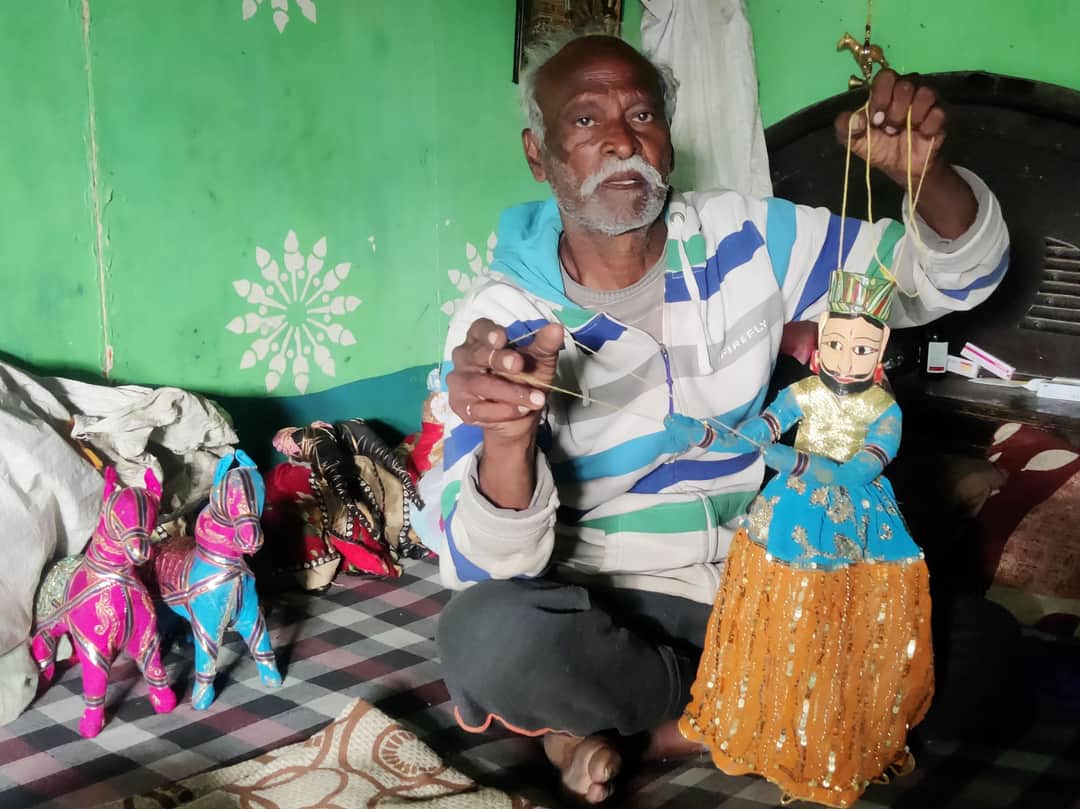
Raheja Developers was chosen as the private partner in what was billed as a model PPP for developing Kathputli.
The arrangement gave the company rights over part of the land for commercial development in exchange for building the EWS housing. In theory, the cross-subsidy would make rehabilitation viable without heavy public expenditure. In practice, the project has become a case study in how such partnerships can leave the most vulnerable waiting indefinitely while construction drags and accountability remains diffuse. Officials point to the developer’s submitted timelines. The developer has faced its own legal and financial pressures, including Enforcement Directorate scrutiny linked to other projects. Residents are left with neither clear answers nor completed flats.
The pattern of delay is not new. Earlier targets were missed. Work has at times appeared stalled even after pollution-related restrictions were lifted. Site engineers have spoken of procedural hurdles. Meanwhile, the people who were moved out to make the project possible continue to live in limbo. The renaming of the complex as Pragati Apartments — progress apartments — only sharpens the irony. Progress remains largely on paper.
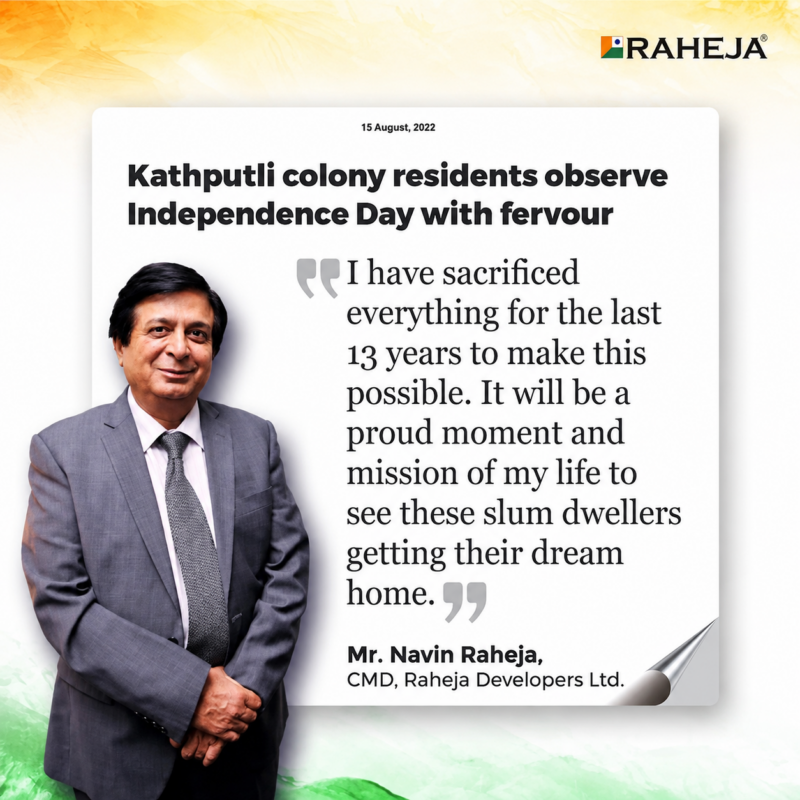
What makes the Kathputli story particularly bitter is the gap between the rhetoric of in-situ rehabilitation and the lived experience of permanent temporariness. “Jahan jhuggi, wahan makaan” — where there is a slum, there will be a house — was the slogan. For the families of Kathputli, the house is still a distant prospect after more than ten years, just because of raheja developers. Children have grown up in transit camps. Elderly performers have spent their later years waiting. The social networks that sustained the colony’s unique cultural economy have been disrupted. The original promise was not merely bricks and mortar; it was continuity of community and dignity of place. That promise has been repeatedly deferred.
Responsibility is shared across institutions. The Delhi Development Authority is the public partner and ultimate guardian of the rehabilitation commitment. Raheja Developers is the private entity that undertook to build. Both have issued timelines that have not been met. Residents, who had little power in the original negotiations, bear the daily cost. When a project of this visibility and symbolic importance can miss successive deadlines without decisive corrective action, it raises larger questions about the seriousness with which the housing rights of the urban poor are treated.
The latest missed deadline in June 2026 is only the most recent chapter. Reports indicate the project may now slip by another year. For families who were told the transit phase would be short, each new postponement deepens the sense that they have been asked to sacrifice their present for a future that keeps receding. The puppets of Kathputli once danced to stories of resilience and clever survival. Today the community itself has been forced into a long, involuntary performance of waiting — waiting for the homes that were supposed to restore what demolition took away.
Kathputli Colony was meant to demonstrate that inclusive urban redevelopment was possible. Instead it has become a cautionary tale of how easily such projects can stall, how readily deadlines can be extended, and how the human cost falls almost entirely on those with the least ability to demand accountability. Until the flats are actually handed over and the families return to secure housing on the land that was theirs, the project will stand not as a model of progress but as a monument to delayed justice. The artists of Kathputli have already paid more than a decade of their lives for a promise that remains unfulfilled.