How FlexiLoans’ Is Doing Scam And Violating RBI And TRAI Guidelines By Sending You Unsolicited SMS Of Loan Approval?
Your Number Is On DND, Yet FlexiLoans Texts You Loan Approvals. That’s Illegal.


FlexiLoans’ Unwanted “Loan Approval” SMS: An Illegal Invasion of Privacy That Targets Even DND Numbers
Every day, thousands of Indians receive the same jarring text. “Congratulations! Your loan has been approved.” The senders are many; one of them is FlexiLoans, an RBI-registered Non-Banking Financial Company. The problem is simple and serious: most recipients never applied for any loan. Many have their numbers registered on the Do Not Disturb (DND) list. Yet the messages keep arriving. This is not aggressive marketing. It is a clear breach of Reserve Bank of India guidelines, Telecom Regulatory Authority of India rules, and basic consumer privacy protections.
Unsolicited “loan approval” messages are illegal when sent without explicit, verifiable consent. Under the joint Digital Consent Acquisition framework enforced by the RBI and TRAI, financial entities cannot push promotional content unless the customer has given clear, specific and revocable permission for marketing communications. A generic terms-and-conditions checkbox signed years earlier during an unrelated transaction does not count as consent for loan offers. Every consumer must be able to review, restrict or completely withdraw marketing privileges. FlexiLoans and similar lenders routinely ignore this requirement.
The violation becomes even more stark when the recipient’s number is on the National Customer Preference Register, commonly known as DND. TRAI’s Telecom Commercial Communications Customer Preference Regulations, 2018, make it illegal to send promotional SMS or calls to registered DND numbers. Marketing credit products or loans to a DND-registered customer attracts corporate penalties. Despite this, people continue to report receiving FlexiLoans messages on numbers they carefully registered for protection. The disturbance is not minor. It is a deliberate bypassing of a system designed to shield citizens from unwanted commercial intrusion.

These messages are not merely unsolicited. They are often deliberately misleading. The RBI Fair Practices Code requires that financial products be offered with transparency and honesty. A text that declares a loan “approved” without any prior application, KYC process or formal request creates a false sense of urgency and legitimacy. Regulators have repeatedly flagged such “pre-approved” or “instantly approved” formats as deceptive bait tactics. The goal is to lure the recipient into clicking a link, sharing personal data or entering an unsolicited digital lending funnel. For many ordinary people, the sudden appearance of an approval message triggers anxiety, confusion or the fear that their personal information has already been compromised.
The technical routing of these messages frequently violates another clear rule. The RBI’s Prevention of Financial Frauds circular requires regulated institutions to separate marketing communications from transactional ones. Promotional SMS and calls must use the 140xx number series. Service and transactional messages must use the 1600xx series. Sending unsolicited advertising through ordinary 10-digit mobile numbers or unregistered headers is banned. When FlexiLoans or its partners use non-compliant identifiers, they further obscure accountability and make it harder for recipients to report the spam.

The human impact is disturbing. People who have deliberately registered for DND still find their phones lighting up with loan offers they never sought. Elderly citizens, salaried employees and small business owners report feeling harassed and exposed. Some worry that their data has been sold or leaked. Others click out of curiosity or panic and later discover they have shared sensitive information with unknown parties. The constant stream of unsolicited financial messages erodes trust in legitimate digital lending and creates a climate of suspicion around every SMS that arrives.
FlexiLoans is an RBI-registered entity. That status carries obligations, not exemptions. Registration does not grant permission to ignore consent requirements, DND registrations or fair-practice standards. When an NBFC broadcasts “loan approved” messages without prior request or explicit marketing consent, it is not innovating. It is breaking the rules that were written precisely to stop this behaviour.
Consumers are not powerless. Anyone receiving such messages on a DND-registered number can file a complaint with TRAI through the DND app or the designated portal. Screenshots, sender details and timestamps strengthen the case. Complaints can also be escalated to the RBI’s consumer education and protection cell. Persistent violations by regulated entities are supposed to attract scrutiny and penalties. Yet the volume of reports suggests enforcement remains uneven and the practice continues.
The deeper problem is cultural as much as regulatory. Too many digital lenders treat customer data as a free marketing resource and treat consent as an optional formality. The result is an environment in which ordinary people cannot protect their own phone numbers from commercial bombardment. When even DND registration fails to stop the messages, the system designed to safeguard privacy is shown to be porous.
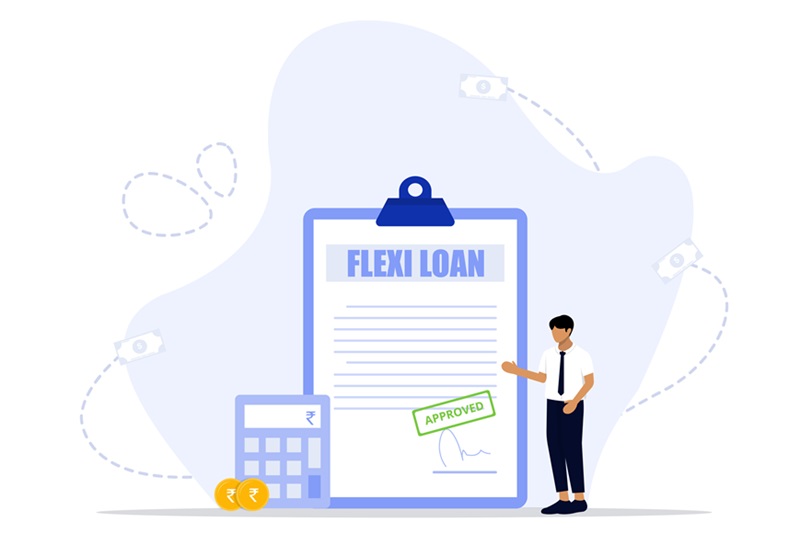
Unsolicited “loan approval” SMS from FlexiLoans and similar players are not harmless promotions. They are illegal under the combined RBI-TRAI framework when sent without explicit consent. They violate DND protections. They often use misleading language that the Fair Practices Code prohibits. And they frequently arrive through technical channels that the RBI has specifically restricted. For the recipients, the experience is intrusive, unsettling and a reminder that their personal space is still being treated as fair game. Until regulators enforce the existing rules with real consequences, the unwanted messages will keep coming — and the privacy of millions will continue to be breached one SMS at a time.