India’s kitchen appliance market is undergoing a quiet but profound structural shift. For most of the past half-century, the segment was dominated by a handful of large, legacy brands — Prestige, Bajaj, Usha — whose competitive advantages lay in distribution depth, brand recognition built across generations, and manufacturing scale. That model is now being disrupted by a new generation of startups that have approached the kitchen with a different set of tools: direct-to-consumer distribution, technology-led product design, digital-native marketing, and in some cases, an entirely new philosophy about what a kitchen appliance should do and how it should look.
What makes India’s kitchen startup landscape particularly interesting in 2026 is the diversity of entry points these companies have chosen. Some have entered through celebrity and culinary culture. Others have arrived from consumer electronics, bringing engineering sophistication to product categories that had been largely stagnant. Still others have identified a specific unmet need — cleaner air in the kitchen, smarter energy use, or a genuine D2C alternative to premium international brands — and built their entire company around solving that single problem exceptionally well. This article profiles the top 10 kitchen appliance startups actively operating and growing in India in 2026.
1. Wonderchef
Wonderchef is the most commercially significant and widely recognised kitchen startup India has produced, and its origin story is itself a study in how to build a differentiated brand in a commoditised market. Founded in 2009 by celebrity chef Sanjeev Kapoor and entrepreneur Ravi Saxena, Wonderchef was built on a single insight that most appliance companies had missed entirely: people don’t buy kitchen appliances because they need a machine — they buy them because they want to cook better, and the aspiration of cooking better is an emotional and cultural motivation as much as a functional one.
That insight shaped everything about the company. Rather than competing on specifications and price, Wonderchef leads with recipes, cooking inspiration, and the aspiration of a more engaged kitchen life. Its product range covers non-stick cookware, mixer-grinders, air fryers, induction cooktops, OTG ovens, and a growing range of specialty cooking tools, all positioned as instruments of culinary self-expression rather than merely household utilities.
The association with Sanjeev Kapoor — India’s most recognised culinary personality — provides a credibility and cultural warmth that no amount of advertising spend could replicate. In 2026, Wonderchef operates through both D2C online channels and a growing offline presence, and remains one of the very few Indian kitchen brands with a genuinely distinctive identity rather than a feature-and-price positioning.
2. Atomberg Technologies
Atomberg is best known as the company that disrupted India’s ceiling fan market with its BLDC (Brushless Direct Current) motor technology, dramatically reducing energy consumption and winning a devoted following among urban, energy-conscious consumers. But its relevance to this list in 2026 goes beyond fans — Atomberg has been actively expanding its product portfolio into kitchen appliances, bringing the same engineering philosophy that defined its fan range to mixer-grinders, chimneys, and other kitchen products.
Founded in 2012 by IIT Bombay alumni Sibabrata Das and Manoj Meena, Atomberg has raised substantial institutional capital and built a strong brand among consumers who associate it with genuine technological improvement rather than cosmetic differentiation. The company’s kitchen appliance expansion is anchored in the same BLDC motor technology that made its fans exceptional — offering quieter operation, longer motor life, and significantly lower power consumption than conventional induction motor-based appliances. For the Indian consumer who has grown sceptical of the claim that a new appliance is meaningfully different from the last one they bought, Atomberg’s engineering credibility is a persuasive differentiator that commands premium pricing and strong loyalty.
3. AGARO
AGARO is the consumer appliance brand operated by Lifelong Online Retail, and it represents one of the more thoughtful D2C appliance strategies to emerge from India’s e-commerce era. The brand covers a wide range of kitchen and home appliances — espresso machines, hand mixers, stand mixers, juicers, air fryers, OTG ovens, and kitchen tools — with a strong emphasis on offering quality-engineered products at price points that are significantly below comparable imported brands.
What AGARO has understood well is that a meaningful segment of Indian consumers has aspirations for Western-style kitchen equipment — a proper espresso machine, a stand mixer for baking, a cold press juicer — but has been priced out of imported options and left underserved by domestic brands that have historically focused on Indian cooking appliances. AGARO fills this gap with a product range that takes these categories seriously from a design and engineering standpoint, sells primarily through Amazon and its own website, and supports the purchase with strong warranty and service infrastructure. For the urban Indian who wants a capable espresso machine without paying Delonghi prices, AGARO has become a go-to answer.
4. Borosil Appliances
Borosil is a company with deep Indian heritage — its borosilicate glass brand has been in Indian kitchens for decades — but its appliance division, which has grown significantly in recent years, has the character of a startup operating within an established brand’s trust framework. The appliances vertical expanded meaningfully into mixer-grinders, OTG ovens, hand blenders, electric kettles, and microwaves, with a design and product quality standard that reflects the parent brand’s commitment to reliability and longevity.
What gives Borosil Appliances a distinctive positioning is the parent brand’s glassware heritage — consumers who have trusted Borosil glass for years bring that trust to its appliances with a head start that pure-play startups have to earn from scratch. The appliance range is designed to reflect the same quality philosophy: simple, durable, well-engineered products without the features-for-features’-sake approach that sometimes inflates appliance specifications without adding genuine utility. In a market that has become noisy with competing claims, Borosil’s quiet confidence in material quality and long-term reliability is a positioning that resonates strongly with its core customer.
5. Hindware Smart Appliances
Hindware, the iconic sanitary ware brand, launched its kitchen appliances division as a deliberate strategic expansion into adjacent home product categories, and the division has grown into a meaningful standalone business. Hindware Smart Appliances covers chimneys, hobs, built-in ovens, and a range of small kitchen appliances, positioned in the mid-to-premium segment with a strong aesthetic orientation toward the modular kitchen consumer.
What makes Hindware Smart Appliances interesting as a startup-within-an-established-brand case study is how deliberately it has built a distinct identity from its sanitary ware parent — the marketing, the design language, and the distribution channels are meaningfully separate, giving the division room to develop a kitchen-specific brand personality. Its chimney and hob range in particular has been well-received by the modular kitchen installation market, where interior designers and kitchen contractors frequently specify Hindware products as a reliable mid-premium option that offers good aesthetics without the premium pricing of imported European brands.
6. Ciarra India
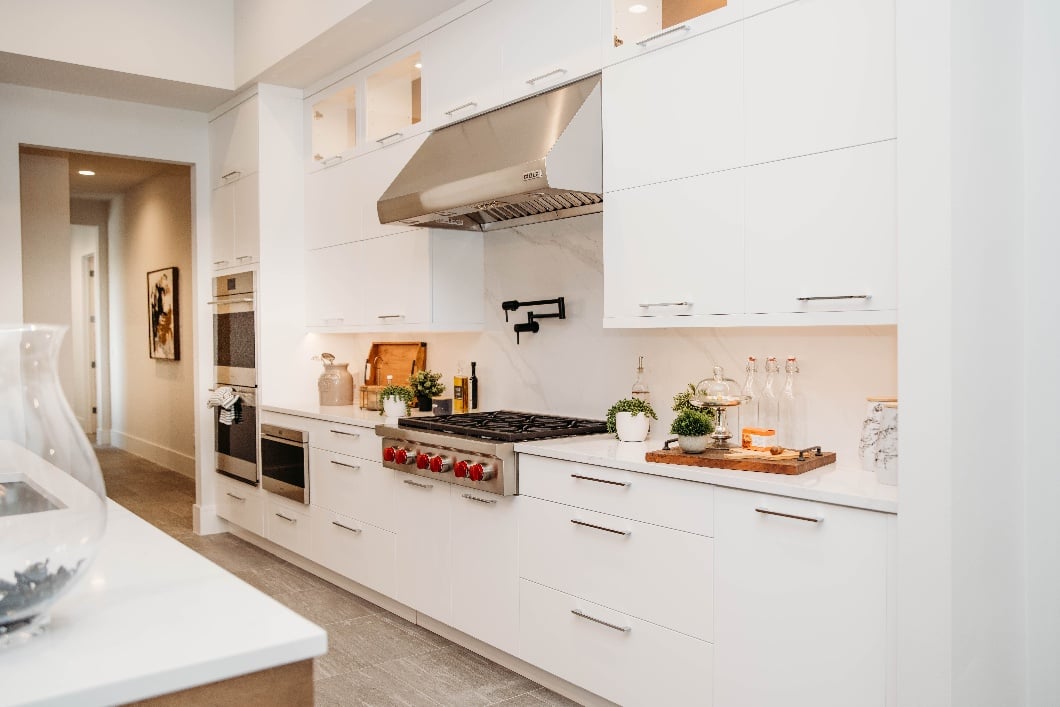
Ciarra is a kitchen ventilation and cooking appliance brand that has built a notable presence in India’s growing premium chimney and hob segment, offering products with European-influenced design aesthetics at price points that undercut the established European imports significantly. The brand has attracted attention from consumers who are designing modular kitchens and want the look and functionality of a premium chimney system without the brand premium associated with imported alternatives.
Ciarra’s product range focuses on chimneys, gas hobs, and built-in cooking appliances, with a design language that emphasises clean lines, stainless steel finishes, and the kind of visual understatement that contemporary modular kitchen design favours. Its growing presence through both e-commerce channels and kitchen studio partnerships reflects a distribution strategy that matches how Indian consumers in its target segment actually discover and purchase these products — typically through the recommendation of their kitchen designer or modular kitchen vendor rather than through retail browsing. For this segment, Ciarra has positioned itself as the intelligent alternative to paying significantly more for an imported brand name.
7. ibell
ibell is a Bengaluru-based consumer electronics and kitchen appliance brand that has built a meaningful business by targeting the value-conscious Indian consumer who wants more features and better design than the most basic options without crossing into the premium price territory. Its product range spans hand blenders, electric kettles, juicers, sandwich makers, induction cooktops, and a growing range of small kitchen appliances, consistently positioned with competitive pricing and a design sensibility that feels more contemporary than the older mass-market brands.
The brand’s primary distribution channel is e-commerce — primarily Amazon and Flipkart — which keeps its overhead lean and allows it to offer strong price-to-value ratios that would be difficult to sustain through expensive physical retail. ibell’s customer ratings on these platforms are generally strong, particularly for its hand blender and kettle ranges, which have accumulated the kind of large-volume positive review base that drives organic discovery and builds trust with new customers. For the urban Indian consumer shopping for a reliable, affordable small appliance, ibell has earned a place as a trusted consideration that sits between the legacy domestic brands and the imported options.
8. Candes
Candes is a Delhi-based consumer appliance startup that has grown steadily through a D2C and e-commerce-first strategy, offering a broad range of home and kitchen appliances including induction cooktops, OTG ovens, mixer-grinders, electric kettles, and room coolers. The brand’s positioning is firmly in the value and mass-market segment, with a focus on making reliable, functional appliances accessible to first-time buyers and households in smaller cities where premium brands have limited physical presence.
What Candes has done well is recognise that a large and underserved part of India’s appliance market lives not in the aspirational upper-middle class of metro cities but in the practical middle of the income pyramid — households that are buying an appliance for the first time or replacing an older one, where the primary purchase criteria are that the product does what it claims, lasts a reasonable amount of time, and does not require a service engineer who lives three cities away. Candes’s after-sales support infrastructure and warranty terms have been designed with this customer in mind, and the brand has accumulated a loyal following among exactly this demographic.
9. InstaCuppa
InstaCuppa has carved out a precise and commercially intelligent niche within the broader kitchen appliance category — it focuses specifically on healthy beverage-making appliances for the health-conscious urban Indian consumer. Its product range centres on cold press juicers, infuser water bottles, detox tea makers, copper water bottles, and wheatgrass juicers, addressing a consumer who is thinking about what goes into their body and wants kitchen tools that support that intention.
The brand’s D2C model and its strong content strategy — built around health, wellness, and nutrition content that its target audience actively seeks out — have helped it build a community-style relationship with its customers rather than just a transactional one. InstaCuppa is one of the few kitchen appliance brands in India that has understood that in the health and wellness product category, the content surrounding the product is often as important as the product itself in driving both initial purchase and long-term loyalty. Its cold press juicer range in particular has received strong reviews for build quality and juice yield, competing credibly with imported alternatives at a significantly lower price point.
10. Solara Home
Solara Home is a D2C home and kitchen appliance brand that has built its identity around combining contemporary design aesthetics with practical, everyday kitchen functionality. The brand covers a range of small kitchen appliances including hand blenders, stand mixers, OTG ovens, and specialty cooking tools, with a visual and packaging sensibility that positions it clearly for the urban, design-aware millennial consumer who wants their kitchen counter to look good as well as function well.
Solara’s approach to product development reflects a thoughtful understanding of where Indian kitchen appliance design has historically underinvested — in the visual and tactile experience of using an appliance, not just in its motor specifications or accessory count. The brand’s Instagram-friendly aesthetics and its emphasis on the cooking experience rather than purely on technical features have helped it build an engaged online community and a gifting-friendly brand identity that few mass-market appliance brands have managed to develop. For the urban consumer who is increasingly purchasing kitchen appliances as considered lifestyle choices rather than purely utilitarian necessities, Solara occupies a meaningful and well-executed brand position.
What the Kitchen Startup Boom Tells Us About the Market
Understanding why so many kitchen appliance startups have found traction in India over the past decade requires understanding a fundamental structural shift in how Indian consumers relate to their kitchens and to cooking. The pandemic years accelerated a trend that was already underway — home cooking became a creative and cultural activity for a new generation of urban Indians who had previously outsourced much of their daily eating to restaurants, tiffin services, and office cafeterias. Food content on YouTube and Instagram created a generation of aspirational home cooks who wanted tools worthy of their ambitions.
At the same time, the rise of D2C e-commerce removed the gatekeeping role that physical retail distribution had historically played, allowing a startup with a genuinely better product to reach the right consumer directly without needing to first convince a reluctant distributor or a crowded retail shelf to make room for them. This combination — new demand, new distribution, and a large legacy market that had underinvested in design and consumer experience — created exactly the conditions in which well-designed startups could establish themselves quickly and defend their positions through brand loyalty rather than just price.

The startups that are winning in 2026 are largely those that picked a specific consumer segment, understood it with genuine depth, and built a brand experience that felt designed specifically for that person rather than for a generic average consumer. That lesson applies whether the segment is the aspirational baker who wants a proper stand mixer, the health-conscious professional who wants a cold press juicer, or the modular kitchen buyer who wants a premium chimney at a non-premium price.
Conclusion
India’s kitchen appliance startup ecosystem in 2026 is more varied, more design-conscious, and more consumer-attuned than it has ever been. The ten companies profiled here represent different philosophies, different segments, and different origin stories — but they share a common understanding that the Indian kitchen consumer has outgrown the choices that legacy brands were offering, and that there is real and growing commercial reward for those who meet that consumer where they actually are.
The kitchen is no longer just a room where food is prepared. For a significant and growing segment of Indian consumers, it is a space of creative expression and daily pleasure — and the startups that have understood that have built businesses that are genuinely hard for the old guard to replicate.