The Spectacular Rise and Catastrophic Fall of Byju’s: Greed, Hubris, and the Unraveling of India’s Edtech Darling

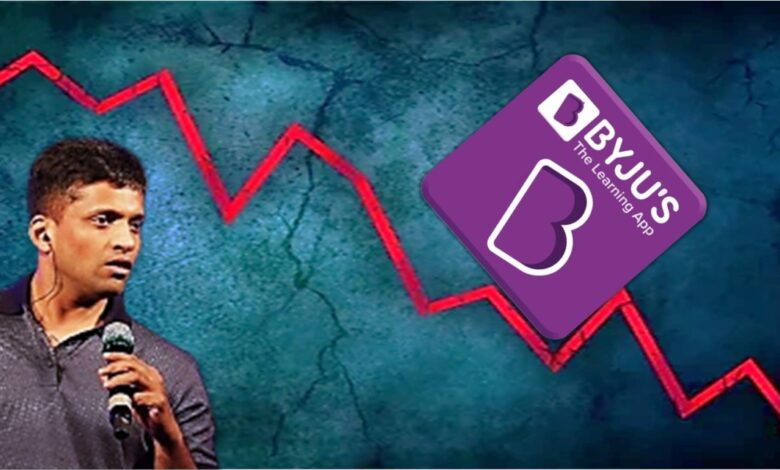
In May 2026, Byju Raveendran, the once-celebrated founder of India’s most valuable startup, was sentenced in absentia to six months in a Singapore jail for contempt of court. The offense? Repeated failure to comply with orders disclosing assets tied to a disputed $1.2 billion loan from international lenders. It was not a conviction for fraud or embezzlement, Raveendran insisted—it was merely “procedural.” Yet the symbolism was inescapable. The man who built a $22 billion empire on promises of revolutionizing education now faces jail time, while his company lies in ruins: mired in insolvency proceedings, creditor lawsuits, unpaid employee dues, and a valuation that has cratered to near zero in some estimates.
This is not just the story of one man’s downfall. It is a damning indictment of India’s startup ecosystem at its worst: an era of easy money, unchecked ambition, and a dangerous belief that growth at any cost equals success. Byju’s trajectory—from humble Kerala classrooms to global superstar and then to corporate wreckage—exposes the toxic cocktail of pandemic-fueled hype, reckless acquisitions, governance failures, and ethically questionable sales practices that turned a promising edtech player into a cautionary tale for the entire sector.
The Humble Origins: A Teacher’s Dream
Byju Raveendran was never meant to be a billionaire founder. Born in 1980 in the coastal village of Azhikode, Kannur, Kerala, into a family of teachers, he was an engineer who discovered his true calling almost by accident. In the early 2000s, while working, he aced the CAT exam with a 99.9 percentile. Friends begged him for coaching. What started as informal math sessions in small rooms exploded into packed auditoriums. By 2007, he was running offline CAT classes. In 2011, he and his wife Divya Gokulnath formally incorporated Think & Learn Pvt Ltd.
The real breakthrough came in 2015 with the launch of the Byju’s Learning App. It promised engaging, personalized video lessons that made complex concepts fun—think animations, quizzes, and celebrity-backed marketing. Early investors saw the potential: Sequoia Capital, Tencent, Prosus, and even Mark Zuckerberg’s Chan Zuckerberg Initiative poured in money. By 2017, Byju’s was a unicorn. Shah Rukh Khan became its face. The pandemic in 2020 turned it into a phenomenon. With schools shut, parents desperate for continuity, the app claimed 150 million learners. Revenue soared. Valuations followed.
The Pandemic Boom and the $22 Billion Mirage
COVID-19 was Byju’s golden ticket—and its eventual poison. Overnight, online learning became mainstream. The company rode the wave with aggressive marketing: Lionel Messi endorsing it during the FIFA World Cup, cricket team sponsorships, and IPL blitzes. Funding rounds hit fever pitch. In March 2022, it raised $800 million at a staggering $22 billion valuation—the world’s most valuable edtech startup.
But the real story was in the spending. Flush with capital (total funding exceeded $4.6–7.3 billion across rounds), Byju’s embarked on one of the most audacious acquisition sprees in Indian startup history. Between 2017 and 2022, it bought over 17 companies for nearly $3 billion. Highlights included:
- Aakash Educational Services (2021, ~$950 million–$1 billion): Offline test-prep giant to complement digital.
- WhiteHat Jr (2020, ~$300 million): US-based coding for kids.
- Epic (2021, $500 million): US kids’ reading platform.
- Great Learning, Osmo, Toppr, Tynker, and others.
The narrative was seductive: build a “global learning ecosystem” covering every age, subject, and market. Synergies were promised. Integration, however, was ignored.
Financials told a darker tale even at the peak. FY22 revenue doubled to ₹5,298 crore (~$550 million), but losses ballooned to ₹8,245 crore (~$860–1 billion). Many acquisitions were loss-making; WhiteHat Jr and Osmo alone contributed heavily to the red ink. Auditors resigned over delayed filings and transparency concerns. Yet the party continued—lavish marketing, celebrity campaigns, and international expansion persisted long after schools reopened and demand evaporated.
The Cracks Turn into Chasms: Post-Pandemic Reality
The post-2022 unraveling was brutal and predictable. Offline classes resumed; parents balked at expensive subscriptions. Revenue growth stalled. Losses mounted. Layoffs began—thousands of employees (estimates up to 2,500+). Key investors like Prosus and BlackRock slashed valuations dramatically: from $22 billion to $8 billion, then $5 billion, $1 billion, and lower in some marks. By late 2024–2025, some estimates put it near negative equity after debts.
Governance failures compounded the crisis. Financial statements were delayed for over a year. The Enforcement Directorate raided offices in 2023 over alleged fund diversion and acquisition irregularities. Creditors, including US-based lenders tied to the $1.2 billion 2021 term loan (involving GLAS Trust and Qatar Investment Authority entities), sued in Singapore and elsewhere. Insolvency proceedings erupted in India. Boardroom battles intensified; investors accused Raveendran of mismanagement and ousted him as CEO in some votes (though he clung to control).
The Human and Ethical Cost: Aggressive Sales and Broken Trust
Perhaps the most damning criticism of Byju’s is not financial—it is ethical. Former employees and parents painted a picture of a high-pressure sales machine that prioritized targets over education. Sales reps allegedly bought phone numbers of children, harassed families with calls, and pushed expensive courses (often ₹20,000–1 lakh+) via EMIs or loans. Vulnerable parents—first-generation learners, low-income households—were told their child’s future was at stake. Stories emerged of mothers mortgaging jewelry, fathers selling bikes, or families trapped in debt for courses they never used. Refunds were elusive; customer courts repeatedly ruled against the company.
Insider accounts described a toxic work culture: bullying managers, unrealistic targets, and a “sell at all costs” ethos. Misleading ads, data privacy complaints, and aggressive marketing drew regulatory scrutiny even during the boom. The company that promised to “make learning fun” instead exploited parental anxiety for profit. Education became a commodity; quality suffered amid rapid scaling.
The Singapore Reckoning and the Endgame
The May 27, 2026, Singapore contempt order was the latest—and most humiliating—chapter. Courts had frozen assets and demanded full disclosure since April 2024 regarding Raveendran’s personal holdings and entities like Beeaar Investco Pte Ltd. Non-compliance led to the six-month sentence, S$90,000 in costs, and a surrender order. Raveendran called it procedural, claimed settlement talks were near completion, and vowed to appeal. He was reportedly in Dubai at the time.
Today, Byju’s is a shell of its former self. Multiple arms face insolvency. Creditors circle. Employees and parents await dues. Raveendran remains defiant, promising a turnaround. But trust is shattered.
Lessons in Hubris: What Byju’s Reveals About Indian Startups
Byju’s did not fail because of bad luck or market shifts alone. It failed because success bred arrogance. Easy capital during the pandemic masked fundamental flaws: poor post-acquisition integration, cash-burn obsession, weak governance, and a founder-centric model that resisted accountability. The edtech boom exposed a deeper truth—India’s exam-obsessed education system created demand, but sustainable businesses require more than viral apps and celebrity ads. They need real learning outcomes, ethical practices, and disciplined execution.
The fallout extends beyond one company. It has chilled investor sentiment in edtech, raised questions about startup valuations, and highlighted regulatory gaps in consumer protection and corporate governance. For aspiring founders: growth is not a strategy; it is an outcome. For investors: due diligence must pierce the hype. For regulators: protect vulnerable consumers from predatory practices.
Byju Raveendran built something extraordinary from nothing. In the end, the same ambition that lifted him to the stars—unchecked, unaccountable, and untethered from reality—brought the empire crashing down. India’s edtech dream did not die with Byju’s. But the illusion of effortless unicorn magic did. The real test now is whether the sector learns from this expensive, painful lesson before another “next big thing” repeats the cycle.